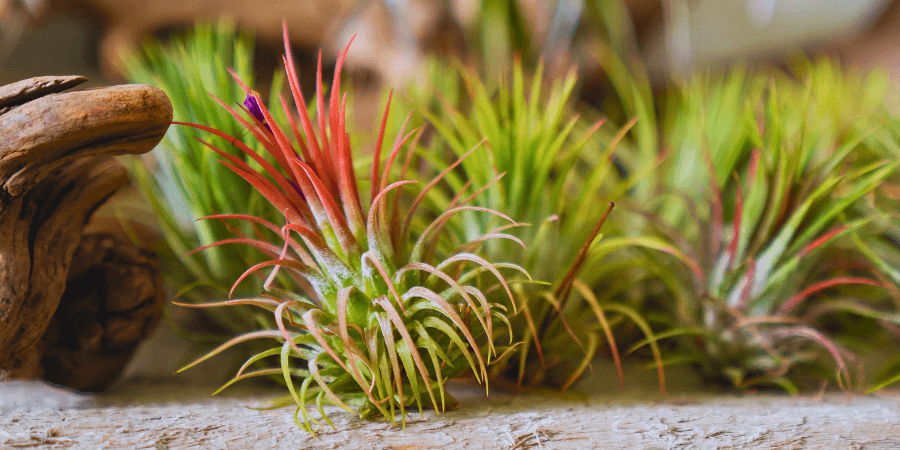
Air plants need regular misting or soaking to thrive. They also require bright, indirect light and good air circulation.
Air plants, or tillandsias, are unique and low-maintenance houseplants that don’t require soil. Their unusual appearance and adaptability make them popular among plant enthusiasts. Caring for air plants is remarkably simple, even for beginners. They flourish in various environments, from homes to offices, adding a touch of greenery to any space.
Regular care ensures these charming plants stay healthy and vibrant. Understanding their needs helps you create the perfect environment for them to thrive. With the right attention, air plants can bring a unique charm and life to your surroundings without much effort. Explore how to care for them effectively and enjoy their one-of-a-kind appeal.
Introduction To Air Plants
Air plants, also known as Tillandsia, are unique and fascinating houseplants. They don’t need soil to thrive. Instead, they absorb moisture and nutrients from the air through their leaves. Caring for air plants is simple and rewarding. Let’s explore how to care for these amazing plants.
What Are Air Plants?
Air plants are small, hardy plants in various shapes and sizes. They are native to tropical and subtropical regions. These plants can grow on trees, rocks, or even buildings. They have special adaptations that help them survive in different environments.
Why Choose Air Plants?
- Low Maintenance: They require minimal care.
- Unique Appearance: They add a touch of creativity to any space.
- Versatile Placement: They can be displayed in many ways.
Basic Care Needs
Air plants need three main things to thrive:
- Water: Soak or mist them regularly.
- Light: Provide bright, indirect sunlight.
- Air Circulation: Ensure good airflow around them.
Common Types Of Air Plants
| Type | Features |
| Tillandsia ionantha | Small and colorful with vibrant blooms. |
| Tillandsia XEROGRAPHIC | Large, stunning, and easy to care for. |
| Tillandsia caput-medusae | A unique shape resembling a jellyfish. |
Features And Benefits Of Air Plant
Air plants are unique and fascinating houseplants. They require minimal care and bring beauty to any space. Understanding their features and benefits helps you enjoy them more. Here’s a closer look at what makes air plants special.
Benefits Of Air Plants
Air plants, or Tillandsia, offer many advantages for plant lovers. Here are some key benefits:
- Low Maintenance: They need no soil to grow.
- Versatile Decor: Perfect for creative arrangements in any room.
- Improves Air Quality: They help purify the air.
- Unique Variety: There are over 600 species to choose from.
Features Of Air Plants
Air plants have distinct features that make them stand out. Here are some important characteristics:
| Feature | Description |
| No Roots Required | They absorb moisture and nutrients through their leaves. |
| Varied Shapes and Sizes | Available in many forms, from small to large. |
| Colorful Blooms | Some varieties flower in vibrant colors. |
| Easy to Propagate | They can produce pups, or baby plants, easily. |
Air Plants In Your Home
Incorporating air plants into your home is simple. Here are some creative ideas:
- Please place them in decorative holders.
- Use them in terrariums.
- Hang them in macramé hangers.
- Create a living wall display.
Air plants add life to any space. Their unique features and benefits make them a great choice for plant lovers.
Choosing The Right Air Plant
Choosing the right air plant is key to ensuring its health and beauty. With so many types available, understanding their needs helps you select the best one for your home. Air plants are unique. They don’t need soil, making them perfect for creative displays. Let’s explore the different types of air plants and popular varieties and where you can buy them.
Types Of Air Plant
Air plants belong to the Tillandsia genus. There are many varieties, each with unique features. Here are some common types:
- Tillandsia xerographica: Known for its large, silvery leaves.
- Tillandsia ionantha: Small, vibrant, and colorful.
- Tillandsia caput-medusae: Curly leaves that resemble a jellyfish.
- Tillandsia bulbosa: Bulbous base with thin leaves.
These plants have varying requirements:
| Type | Light Needs | Watering |
| Tillandsia XEROGRAPHIC | Bright indirect light | Once a week |
| Tillandsia ionantha | Bright light | Every 5-7 days |
| Tillandsia caput-medusae | Indirect light | Once a week |
| Tillandsia bulbosa | Indirect light | Every 7-10 days |
Choosing the right type ensures your air plant thrives in your environment.
Popular Varieties
Some air plant varieties stand out among enthusiasts. Here are a few popular ones:
- Tillandsia ionantha: This small plant blooms with bright pink flowers.
- Tillandsia xerographica: The large, sculptural leaves make it a favorite.
- Tillandsia tectorum: Its fuzzy appearance adds charm to any collection.
- Tillandsia stricta: Easy to care for and produces stunning purple flowers.
These varieties are not only beautiful but also easy to maintain. Most thrive in low light and require minimal watering.
Here’s a quick summary:
| Variety | Size | Bloom Color |
| Tillandsia ionantha | Small | Pink |
| Tillandsia XEROGRAPHIC | Large | White |
| Tillandsia tectorum | Medium | White |
| Tillandsia stricta | Medium | Purple |
These popular varieties can enhance any indoor space.
Where To Buy
Finding air plants is easy. Many places sell them, both online and in stores. Here are some options:
- Local nurseries: Great for finding healthy plants.
- Garden centers often have a variety of air plants.
- Online retailers: Websites like Amazon and Etsy offer many choices.
Before purchasing, check reviews. Look for sellers that provide care instructions. This ensures your new plant arrives healthy.
Consider buying air plants in bulk. Many sellers offer discounts for multiple plants. Here’s a quick list of popular online stores:
- Air Plant Supply Co.
- Mountain Crest Gardens
- Shop Succulents
- Amazon
Choosing the right source helps you find quality air plants for your collection.
Air Plant Life Cycle
Air plants are unique and fascinating. Their life cycle is an essential part of their care. Understanding this cycle helps you nurture them better. Let’s explore the Air Plant Life Cycle and how to care for each stage.
Stages Of Air Plant Life Cycle
Air plants go through several stages in their life. These stages are:
- Seed Stage: This is the starting point.
- Juvenile Stage: The plant begins to grow.
- Mature Stage: The plant is fully grown.
- Flowering Stage: The plant blooms.
- Offspring Stage: The plant produces pups.
Seed Stage
Air plants start as tiny seeds. These seeds fall to the ground. They need the right conditions to grow. Moisture and warmth help them sprout.
Juvenile Stage
Once the seeds sprout, they become juvenile plants. They develop leaves and roots. This stage lasts several months. Proper light and watering are vital during this time.
Mature Stage
After growing, air plants reach maturity. They can live for several years. Mature plants require care to stay healthy. Regular watering and bright light support this stage.
Flowering Stage
In the flowering stage, air plants bloom. The flowers can be vibrant and colorful. This stage is often a sign of good health. Flowers attract pollinators and can last for weeks.
Offspring Stage
After blooming, mature air plants produce pups. Pups are small offshoots. They can be separated from the parent plant. This allows for new growth and propagation. Caring for pups is similar to caring for adult plants.
| Stage | Duration | Care Needed |
| Seed | Varies | Moisture, warmth |
| Juvenile | Several months | Light, watering |
| Mature | Several years | Regular care |
| Flowering | Weeks | Bright light |
| Offspring | Ongoing | Similar to adults |
Understanding the air plant life cycle helps you care for them. Each stage requires different attention. Keep your air plants healthy and thriving.
Ideal Growing Conditions
Air plants, or Tillandsia, thrive in specific conditions to flourish. Understanding their ideal growing conditions is crucial for their health and growth. Proper care leads to vibrant plants with beautiful blooms. Light and temperature are key factors affecting their well-being.
Light Requirements
Air plants need bright, indirect light for optimal growth. Direct sunlight can harm them. Here are some tips for providing the right light:
- Place near a window with filtered light.
- Use grow lights if natural light is low.
- Rotate your plants to ensure even light exposure.
Different types of air plants have varying light needs. The table below summarizes their light preferences:
| Type of Air Plant | Light Preference |
| Tillandsia ionantha | Bright, indirect light |
| Tillandsia XEROGRAPHIC | Bright, filtered light |
| Tillandsia bulbispatha | Low to moderate light |
Monitor the color of your air plants. They may get too much light if they turn brown or crispy. If they appear dark green, they might need more light. Finding the balance is key to keeping your air plants healthy.
Temperature Preferences
Air plants prefer temperatures between 50°F and 90°F (10°C to 32°C). They thrive in warm environments. Here are some important points about their temperature needs:
- Keep them away from drafty windows or doors.
- Avoid extreme temperature changes.
- They do well in normal household temperatures.
Be cautious during winter months. Cold temperatures can damage air plants. Use a thermometer to monitor the temperature in their environment. Here’s a quick reference for temperature care:
| Temperature Range | Care Tips |
| 50°F – 60°F | Keep indoors, avoid cold drafts |
| 60°F – 80°F | Ideal for growth, maintain moisture |
| Above 90°F | Provide extra misting, avoid direct sun |
Stable temperatures help air plants thrive. Check their environment regularly to ensure they are comfortable. Happy air plants grow well and look stunning.
Watering Techniques
Caring for air plants involves understanding their unique watering needs. Watering techniques are crucial for keeping your air plants healthy and vibrant. Unlike traditional plants, air plants absorb moisture through their leaves. This means you can use various methods to ensure they get enough water. The right technique depends on your environment and the specific needs of your air plants.
Soaking Method
Soaking is one of the most effective ways to water air plants. This technique allows plants to absorb moisture deeply. Follow these steps for the soaking method:
- Fill a bowl or sink with room-temperature water.
- Submerge your air plants in the water for about 20-30 minutes.
- Remove the plants and shake off excess water.
- Place them upside down on a towel for a few hours to dry.
Benefits of the soaking method include:
- Deep hydration for your plants.
- Easy to do for multiple plants at once.
- Reduces the risk of overwatering.
Tip: Soak your air plants every 1-2 weeks. During dry months, increase the frequency to weekly. Keep an eye on your plant’s health to adjust as needed.
Misting Method
The misting method is a quick way to provide moisture. This technique is perfect for busy plant parents or those with fewer air plants. Here’s how to mist properly:
- Use a spray bottle filled with room-temperature water.
- Mist the air plants lightly, ensuring all leaves get some moisture.
- Repeat every 2-3 days, especially in dry climates.
Benefits of the misting method include:
- Quick and easy to do.
- No need for soaking containers.
- Great for small spaces.
Note: Misting may not provide enough hydration for larger plants. Combine this method with soaking for the best results. Always check your plant’s response to ensure they thrive.
Is My Air Plant Getting Enough Water?
Understanding if your air plant is getting enough water is essential. Here are some signs to look for:
| Signs | Meaning |
| Dry, crispy leaves | Not enough water |
| Brown tips on leaves | Possible underwatering |
| Soft, mushy leaves | Too much water |
To ensure your air plant is well-hydrated, observe its leaves. Healthy air plants are vibrant and firm. Adjust your watering technique based on these signs.
Tip: Keep an eye on your environment. Humidity and temperature can affect how often you need to water. Use a hygrometer to check humidity levels. Aim for 40-70% humidity for optimal growth.
Fertilizing Tips
Types Of Fertilizers
Air plants are unique and beautiful. They need special care to thrive. Fertilizing them correctly is key to their health. Proper nutrients help them grow strong and vibrant. Let’s explore some effective fertilizing tips to keep your air plants happy.
Choosing the right fertilizer is important for your air plants. Here are some common types:
- Liquid Fertilizers: These are easy to apply. They dissolve in water, making it simple to feed your plants.
- Granular Fertilizers: These are slow-release options. They provide nutrients over time but require careful application.
- Organic Fertilizers: Made from natural materials, these are eco-friendly. They enhance soil health and promote growth.
- Specialty Air Plant Fertilizers: These are designed specifically for air plants. They often have the right nutrient balance.
Consider the following table for quick reference:
| Type of Fertilizer | Benefits | Application Method |
| Liquid | Quick absorption | Mix with water |
| Granular | Long-lasting | Sprinkle on soil |
| Organic | Safe for the environment | Mix with water or soil |
| Specialty | Balanced nutrients | Follow package instructions |
Choose a fertilizer that fits your plants’ needs. Remember to read the labels carefully. This ensures you provide the best nutrition.
Frequency Of Feeding
Feeding air plants is simple. It depends on their growing season. Generally, feed them once a month. Here are some helpful tips:
- Spring and Summer: This is their active growing season. Feed them every 2-4 weeks.
- Fall and Winter: Growth slows down. Feed them once a month during this time.
- After Watering: Fertilize after soaking your plants. This helps nutrients absorb better.
Keep an eye on your plants. If they look dull or unhealthy, consider increasing the feeding frequency. Always dilute fertilizers to avoid burning the leaves. A good mix is usually 1/4 of the recommended strength.
Tracking the feeding schedule can help. Use a calendar or an app to remind yourself. Consistent care will lead to thriving air plants.
Common Problems of Air Plants
Caring for air plants can be a fun and rewarding experience. However, common problems can arise that may affect their health. Understanding these issues helps you keep your plants thriving. This section covers pests, diseases, and signs of stress that may impact your air plants.
Pests And Diseases
Air plants can sometimes face challenges from pests and diseases. Common pests include aphids, mealybugs, and spider mites. These tiny insects can damage your plants by sucking their sap. Here are some ways to identify and manage these pests:
- Aphids: Small, green bugs often found on new growth.
- Mealybugs: White, cotton-like masses on leaves.
- Spider Mites: Tiny red or black dots, often causing webbing.
To treat these pests, follow these steps:
- Use a soft brush to remove pests.
- Wipe leaves with a damp cloth.
- Spray with a mild insecticidal soap.
Diseases can also affect air plants. Common issues include:
| Disease | Symptoms | Treatment |
| Rot | Soft, brown spots on leaves | Remove affected areas; improve air circulation |
| Fungal Infections | The white, powdery substance | Use a fungicide; avoid overwatering |
Regularly inspect your air plants to catch problems early. This helps ensure they stay healthy and vibrant.
Signs Of Stress
Air plants can show signs of stress that indicate they need attention. Recognizing these signs is crucial for their care. Here are some common stress indicators:
- Leaf discoloration: Leaves turning brown or yellow.
- Wilting: Leaves droop and lose their firmness.
- Dry tips: Leaf tips become crispy and brown.
These signs often result from improper care, such as:
- Underwatering: Packing your plants more.
- Overwatering: Leaving plants in standing water.
- Insufficient light: Not providing bright, indirect sunlight.
To help stressed air plants:
- Adjust watering habits.
- Provide more light.
- Remove any dead leaves to promote new growth.
Pay attention to your air plants. Quick action can help restore their health and beauty.
Repotting Air Plants
Air plants, or Tillandsias, are unique and beautiful additions to any home. They thrive without soil, but they still need care. Repotting air plants is essential for their growth. It helps them stay healthy and vibrant. Knowing when and how to report makes a big difference in their life.
When To Report
Understanding the right time to repot your air plants is crucial. Here are some signs that indicate it’s time for a report:
- Growth Stagnation: If your plant stops growing, it may need new space.
- Root Overcrowding: Check for roots growing out of the base.
- Leaf Damage: Brown or dried leaves can signal stress.
- Season Change: Late spring is ideal for repotting.
Monitor your air plants regularly. This ensures you catch any issues early. The best time to repot is during their growing season. This is usually in spring or early summer. You can also check the health of your plants every month.
Here’s a quick table to summarize the signs:
| Signs of Repotting | What to Look For |
| Growth Stagnation | Stops growing or producing new leaves |
| Root Overcrowding | Roots sticking out or tangled |
| Leaf Damage | Brown or crispy leaves |
| Season Change | Late spring or early summer is best |
Best Practices
Repotting air plants requires some simple steps. Follow these best practices for success:
- Choose the Right Container: Select a pot that allows air circulation.
- Use the Right Medium: You can use decorative stones or seashells.
- Handle with Care: Be gentle with the roots and leaves.
- Water After Repotting: Lightly mist your plant after repotting.
- Avoid Direct Sunlight: Keep the plant in indirect light for a few days.
Always inspect the roots when repotting. Trim any dead or damaged roots. This encourages healthier growth. Remember, air plants prefer light and moisture. Keep them hydrated, but don’t overwater.
Use these tips to keep your air plants thriving:
- Repot during their active growing season.
- Watch for signs of distress.
- Maintain a clean environment.
Display Ideas
Air plants are unique and fun to care for. They don’t need soil, making them perfect for creative displays. Finding the right way to show them off can add charm to any space. Explore some exciting display ideas that highlight the beauty of your air plants.
Creative Arrangements
Air plants can thrive in various settings. Their versatility allows for stunning arrangements. Here are some creative ways to showcase them:
- Hanging Displays: Use a fishing line or twine to hang air plants from the ceiling.
- Wall Art: Attach air plants to a wooden board or canvas for a living piece of art.
- Terrariums: Create a mini ecosystem with rocks, moss, and air plants in a glass container.
- Table Centerpieces: Arrange them in a cluster on your dining or coffee table.
Consider mixing different types of air plants for more visual interest. Use varying heights and textures to make your arrangement pop. Here’s a quick table to show some popular air plant types:
| Air Plant Type | Size | Light Preference |
| Tillandsia Ionantha | Small | Bright, indirect light |
| Tillandsia XEROGRAPHIC | Medium | Bright light |
| Tillandsia Bulbosa | Medium | Indirect light |
Mixing these varieties can create stunning arrangements. Explore various display styles to find what suits your space best!
Using Containers
Containers play a crucial role in displaying air plants. The right container enhances their natural beauty. Here are some ideas for choosing containers:
- Glass Globes: These allow light to reach the plants while adding elegance.
- Ceramic Pots: Choose colorful pots to brighten up your home.
- Wooden Stands: Natural wood complements the plants beautifully.
- Repurposed Items: Use old teacups, jars, or bottles for unique displays.
Ensure good airflow for your air plants in any container. Avoid using containers that hold water, as this can rot the roots. Here’s a quick list of tips for selecting containers:
- Choose containers with drainage holes.
- Consider the size of your air plants.
- Pick a color that matches your decor.
With these container ideas, your air plants will thrive and look stunning in any setting!
Seasonal Care
Caring for air plants requires understanding their needs throughout the year. Seasonal care is crucial for their health and growth. Each season brings unique challenges and opportunities. Knowing how to adjust your care routine can make a big difference.
Summer Care
During the summer months, air plants thrive with warmer temperatures and increased sunlight. Proper care ensures they stay healthy and vibrant. Here are some tips to keep in mind:
- Watering: Soak air plants in water for 30 minutes once a week.
- Humidity: Increase humidity by misting daily, especially in dry areas.
- Light: Place them in bright, indirect sunlight for optimal growth.
Monitor your plants closely. Signs of dehydration include curling leaves. If you notice this, increase your watering schedule. Here’s a quick reference table for summer care:
| Care Aspect | Recommendation |
| Watering Frequency | Once a week (soak) |
| Misting | Daily |
| Sunlight | Bright, indirect |
Summer is also a great time for fertilizing. Use a bromeliad fertilizer every month. This helps boost growth and flower production.
Winter Care
Winter can be tough for air plants. They need extra attention during this time. Cold air and reduced sunlight can stress them. Here’s how to care for them:
- Watering: Reduce soaking to every 10-14 days.
- Humidity: Keep humidity high; mist every few days.
- Light: Place near a bright window, but avoid direct sunlight.
Watch for signs of frost damage. Bring your plants indoors if temperatures drop below 50°F (10°C). Here’s a quick reference table for winter care:
| Care Aspect | Recommendation |
| Watering Frequency | Every 10-14 days (soak) |
| Misting | Every few days |
| Sunlight | Bright, indirect |
Fertilizing can be reduced to every other month. This helps prevent overfeeding during their slower growth period.
Propagation Methods of Air Plant
Understanding how to care for air plants includes knowing about propagation methods. Propagation is how these unique plants reproduce. You can enjoy more air plants by using simple techniques. Two main methods are offsets and seed production. Let’s explore how each method works.
Offsets
Offsets are small plants that grow from the base of the parent air plant. This method is very popular for beginners. Here’s how to propagate using offsets:
- Wait for the parent plant to produce offsets.
- Look for small plants that form at the base.
- Use sharp scissors to cut the offset from the main plant.
- Make sure the offset has some roots.
- Place the offset in a new pot with well-draining soil.
Offsets grow quickly and become new air plants. Here’s a simple table showing the steps for offset propagation:
| Step | Description |
| 1 | Identify offsets on the parent plant. |
| 2 | Cut the offset carefully. |
| 3 | Plant it in a suitable pot. |
| 4 | Water it lightly and place it in bright light. |
Offsets usually take a few weeks to grow roots. Keep the soil moist but not soggy. Soon, you will have a new air plant to enjoy!
Seed Production
Seed production is another way to propagate air plants. This method is slower than offsets. It requires patience and care. Here’s how it works:
- Air plants produce flowers, which turn into seeds.
- Pollinate the flowers to help them develop seeds.
- Collect seeds once the flowers dry out.
- Plant seeds in a suitable medium.
- Keep the medium moist and in bright light.
Here’s a table explaining the seed production process:
| Step | Description |
| 1 | Wait for flowers to bloom on the parent plant. |
| 2 | Pollinate the flowers if needed. |
| 3 | Collect seeds after the flowers dry. |
| 4 | Plant seeds in a light, airy medium. |
| 5 | Water and provide bright light for growth. |
Seeds take time to germinate. They may need several weeks to sprout. Please keep them in a warm area to help them grow. With care, you will see new air plants developing from seeds!
Frequently Asked Questions
How Often Should I Water Air Plants?
Water air plants every 1-2 weeks, depending on humidity and temperature. Soak them in water for about 20-30 minutes.
Do Air Plants Need Sunlight?
Air plants thrive in bright, indirect sunlight. Avoid direct sunlight, as it can scorch their leaves.
What Is The Best Temperature For Air Plants?
Air plants prefer temperatures between 50°F to 90°F. Keep them away from extreme cold or heat sources.
Can Air Plants Survive Indoors?
Yes, air plants can thrive indoors with proper care. Ensure they receive adequate light and humidity.
How Do I Fertilize Air Plants?
Use a bromeliad or air plant fertilizer diluted to half-strength. Fertilize every month during the growing season.
How Do I Prevent Air Plant Rot?
Ensure good air circulation and avoid overwatering. Allow them to dry completely after soaking to prevent rot.
Can I Propagate Air Plants?
Yes, air plants can be propagated by separating offsets. Wait until they are at least one-third the size of the parent.
Conclusion
Caring for air plants is simple and rewarding. Providing proper light, water, and air circulation ensures their vibrant growth. Regular maintenance helps prevent issues like rot or dryness. With a little attention, your air plants can thrive, adding beauty to any space.
Enjoy the journey of nurturing these unique plants!