Most Illinois gardeners plant garlic at the wrong time—and don’t realize it until harvest, when bulbs turn out small, weak, or poorly formed. The frustrating part? Garlic is one of the easiest crops to grow when planted correctly.
The difference between a thriving harvest and a disappointing one often comes down to a small window of timing that many guides oversimplify.
Illinois has a unique climate with cold winters, wet fall soil, and unpredictable temperature swings, all of which directly impact garlic growth.
If you understand exactly when to plant based on your region, soil conditions, and weather patterns, you can dramatically improve your results.
In this guide, you’ll learn the precise planting window for your area, how to avoid common mistakes, and how to grow larger, healthier garlic bulbs every season.
🌟 When Should You Plant Garlic in Illinois? (Quick Answer)
In This Article:
Garlic should be planted in Illinois between early October and early November, about 4–6 weeks before the ground freezes.
Northern Illinois gardeners should plant earlier (early to mid-October), while southern Illinois gardeners can plant later (late October to early November).
Proper timing allows roots to establish before winter, leading to larger bulbs.
Why Timing Garlic Planting in Illinois Is So Important
Timing is the single most important factor when growing garlic in Illinois, and getting it wrong can significantly reduce your harvest.
Garlic relies on a period of cold exposure, known as vernalization, to develop properly into full bulbs.
If planted too early, warm soil can trigger excessive top growth, making the plant vulnerable to frost damage.
If planted too late, the cloves won’t have enough time to establish roots before the ground freezes, resulting in smaller bulbs or weak plants.
Illinois also experiences frequent freeze-thaw cycles, especially in late fall and early winter. These cycles can push shallow-rooted cloves out of the soil, disrupting growth.
Proper timing ensures the roots are strong enough to anchor the plant before these conditions begin.
Another key factor is Illinois’ often wet fall conditions, particularly in clay-heavy soils.
Planting too early in wet soil increases the risk of rot, while planting too late may mean working in overly cold, compacted ground. Finding the balance between soil temperature and moisture is critical.
Ultimately, timing garlic planting correctly allows the plant to focus on root development before winter dormancy.
This strong foundation is what leads to larger, healthier bulbs in the summer. In Illinois, success isn’t just about planting garlic—it’s about planting it at exactly the right time.
Illinois Garlic Planting Calendar (By Region)
Illinois spans multiple USDA zones, making regional planting differences more significant than many gardeners realize.
Northern Illinois, including Chicago, experiences earlier frosts and colder winters, requiring earlier planting in October.
Central Illinois has a slightly longer growing window, allowing for planting into mid to late October.
Southern Illinois benefits from milder temperatures, which can extend planting into early November without negatively affecting garlic growth.
Using a regional approach ensures that garlic has enough time to establish roots before winter dormancy begins.
Ignoring these regional differences often leads to inconsistent results, especially for beginner gardeners.
By aligning planting time with your specific region, you significantly increase your chances of growing large, healthy bulbs.
Related for Colorado gardeners: When to Plant Garlic in Colorado: Zone-by-Zone Guide
🗓️ Regional Planting Guide
| Region | USDA Zone | Planting Time |
| Northern Illinois (Chicago, Rockford) | 5a–5b | Early–Mid October |
| Central Illinois (Springfield, Peoria) | 5b–6a | Mid–Late October |
| Southern Illinois (Carbondale, Marion) | 6a–7 | Late October – Early November |
🌡️ Using Frost Dates for Accuracy
A reliable method for timing garlic planting is:
👉 First frost date – 4 to 6 weeks = ideal planting time
For example:
- Chicago’s first frost: ~October 15
- Ideal planting: Late September to mid-October
However, frost dates can vary yearly, so use them as a guideline rather than a fixed rule. Observing your local weather patterns will improve your accuracy over time.
🌱 Local Insight
Gardeners in Illinois often find that planting slightly earlier within the recommended window leads to better root establishment—especially in colder northern regions.
Waiting too long can quickly lead to frozen soil conditions.
How to Know Exactly When to Plant Garlic (Decision Guide)
Rather than relying solely on calendar dates, successful garlic growers use environmental cues to determine the perfect planting time.
Soil temperature is one of the most reliable indicators, with 50°F being the ideal range for planting.
At this temperature, garlic focuses on root development without producing excessive top growth.
Observing weather patterns also helps—cooler nights and declining daytime temperatures signal that it’s time to plant.
Gardeners should also consider the condition of their soil, as overly wet or compacted soil can hinder root development.
If you’re unsure whether it’s too early or too late, remember that slightly early planting is usually safer than planting too late.
Using a combination of these indicators removes guesswork and leads to more consistent results.
🌡️ Soil Temperature Rule
Garlic should be planted when the soil temperature drops to around:
👉 50°F (10°C)
This ensures roots develop without triggering early top growth.
🌤️ Weather Signals to Watch
- Daytime temperatures consistently below 70°F
- Cool nights (40–50°F range)
- First frost approaching within a month
⏳ Timing Scenarios
Too Early:
- Risk of rot in wet soil
- Premature leaf growth
Too Late:
- Poor root development
- Smaller bulbs
🎯 Pro Tip
If you’re unsure, it’s safer to plant slightly early than too late—but always avoid overly warm, wet soil conditions.
Fall vs Spring Garlic Planting in Illinois
Fall planting is the preferred method for growing garlic in Illinois because it allows the plant to follow its natural growth cycle.
During fall, garlic develops roots before entering dormancy, which prepares it for rapid growth in spring.
This early establishment leads to larger bulbs and better overall yields. Spring planting, while possible, often results in smaller bulbs because the plant has less time to grow.
Additionally, spring-planted garlic may require artificial chilling to mimic winter conditions, adding complexity to the process.
For most gardeners, fall planting provides a more reliable and productive outcome. Choosing the right planting season is one of the simplest ways to improve your garlic harvest.
🍂 Why Fall Planting Works Best
Fall planting allows garlic to:
- Develop strong roots before winter
- Experience natural cold exposure
- Produce larger bulbs
🌼 When Spring Planting Makes Sense
Spring planting is possible but less ideal:
- Results in smaller bulbs
- Shorter growing season
- Requires pre-chilling
🧠 Decision Tip
For most Illinois gardeners, fall planting is the only way to achieve full-sized bulbs.
Best Garlic Varieties for Illinois Climate
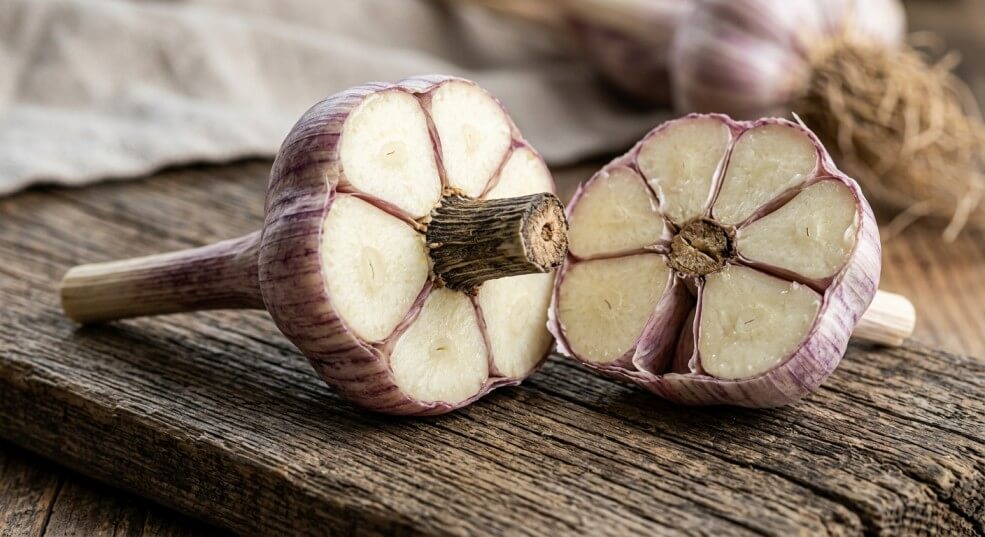
Selecting the right garlic variety is essential for success in Illinois, as different types respond differently to climate conditions.
Hardneck garlic varieties are well-suited for colder regions and are a popular choice in northern Illinois.
These varieties produce larger cloves and tend to have stronger flavors, making them a favorite among home gardeners.
Softneck garlic, on the other hand, stores longer and performs better in slightly warmer climates like southern Illinois.
Choosing a variety adapted to your region helps ensure consistent growth and better yields.
Popular options such as Music, German White, and Chesnok Red have proven reliable in Illinois conditions. Matching the variety to your climate is a key step in maximizing your harvest.
🧄 Hardneck Garlic
Best for colder regions:
- Strong flavor
- Larger cloves
- Cold-hardy
🌿 Softneck Garlic
Best for storage:
- Longer shelf life
- Smaller cloves
🌟 Recommended Varieties
- Music
- German White
- Chesnok Red
Soil Preparation for Illinois Conditions
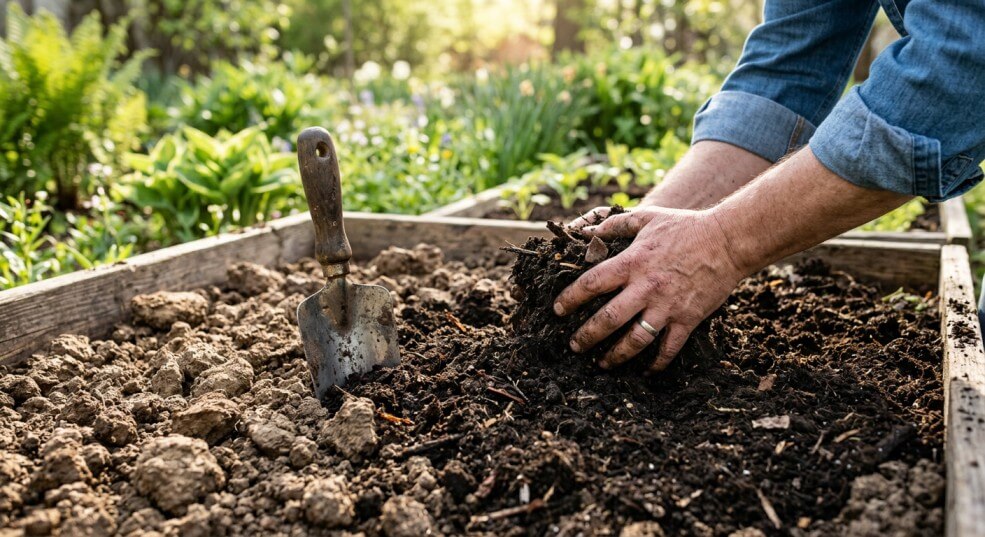
Soil preparation plays a critical role in garlic success, especially in Illinois, where heavy clay soils are common.
Clay soil tends to retain water, which can lead to poor drainage and increase the risk of bulb rot.
Improving soil structure by adding compost or other organic matter helps create a looser, more fertile environment for garlic growth.
Raised beds are an excellent option for gardeners dealing with poor drainage, as they provide better control over soil conditions.
Proper soil preparation also improves nutrient availability, which supports healthy plant development.
Testing soil pH and adjusting it to the optimal range of 6.0–7.0 can further enhance growth. Investing time in soil preparation leads to stronger plants and larger bulbs.
🪨 Challenges
- Poor drainage
- Compaction
- Water retention
🌱 Solutions
- Add compost
- Use raised beds
- Improve soil structure
💡 Why It Matters
Loose soil allows bulbs to expand fully, resulting in larger harvests.
How to Plant Garlic in Illinois (Step-by-Step)
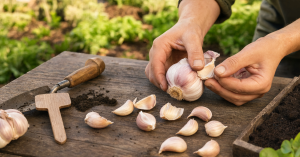
Planting garlic correctly is straightforward, but attention to detail ensures better results. Start by selecting large, healthy cloves, as they produce stronger plants and larger bulbs.
Plant each clove with the pointed end facing upward, about 2 inches deep in the soil. Spacing cloves 4–6 inches apart allows enough room for bulb development without competition.
After planting, apply a thick layer of mulch to protect against winter temperature fluctuations. Water the soil thoroughly to help establish roots before winter dormancy.
Following these steps creates optimal conditions for garlic to thrive in Illinois.
Step-by-Step Guide
- Choose large cloves
- Plant 2 inches deep.
- Space 4–6 inches apart
- Apply mulch
🌾Mulch Benefits
- Temperature control
- Moisture retention
- Weed prevention
Common Mistakes Illinois Gardeners Make
Many garlic-growing problems in Illinois stem from avoidable mistakes that can significantly impact yield.
One of the most common issues is planting too early, which exposes cloves to warm, wet soil and increases the risk of rot.
Planting too late is another frequent mistake, as it limits root development before winter. Poor soil drainage, particularly in clay-heavy areas, can also lead to bulb rot and reduced growth.
Failing to use mulch leaves garlic vulnerable to temperature fluctuations and freeze-thaw cycles.
Overwatering or ignoring soil moisture levels can further stress plants. Avoiding these mistakes is essential for achieving a successful garlic harvest.
❌ Planting Too Early
Leads to rot and premature growth.
❌ Planting Too Late
results in small bulbs.
❌ Poor Drainage
Causes bulb rot.
❌ Skipping Mulch
Exposes garlic to temperature swings.
Midwest Weather Challenges (And How to Handle Them)
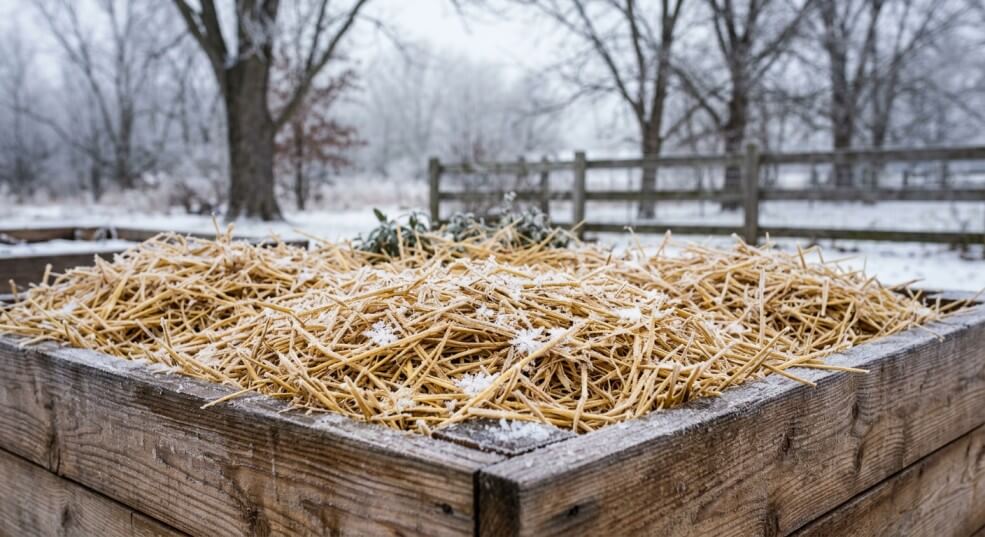
Illinois gardeners face unique weather challenges that can affect garlic growth throughout the season. Wet fall conditions can lead to waterlogged soil, making proper drainage essential.
Freeze-thaw cycles during winter can push garlic cloves out of the ground if they are not well established. Sudden temperature fluctuations can also stress plants and impact growth.
Using mulch helps regulate soil temperature and protect roots from these changes. Selecting hardy garlic varieties further improves resilience against harsh conditions.
Adapting to these weather challenges ensures consistent results year after year.
🌧️ Wet Fall Soil
- Improve drainage
- Avoid planting in soggy soil
❄️ Freeze-Thaw Cycles
- Use mulch for protection
🌬️ Temperature Swings
- Maintain consistent soil conditions
Watering Garlic in Illinois
Proper watering is essential for garlic growth, but it requires a balanced approach in Illinois. During fall, watering helps establish roots before winter dormancy, especially if rainfall is limited.
In spring, garlic requires consistent moisture to support rapid growth and bulb development. However, overwatering can lead to rot, particularly in poorly drained soils.
Monitoring soil moisture and adjusting watering accordingly helps prevent both drought stress and waterlogging.
Using mulch can also help retain moisture and reduce the need for frequent watering. Maintaining the right balance ensures healthy plants and optimal yields.
💧 Key Tips
- Water after planting
- Monitor fall moisture
- Reduce watering near harvest
⚠️ Avoid Overwatering
Excess moisture leads to rot.
Can You Grow Garlic in Containers in Illinois?
Growing garlic in containers is a practical option for gardeners with limited space or poor soil conditions. Containers allow for better control over soil quality and drainage, which can improve overall growth.
Choose a container that is at least 8–10 inches deep to provide enough space for root development. Using a high-quality potting mix enriched with compost creates an ideal growing environment.
Containers can also be moved to protected areas during extreme weather, offering additional flexibility.
However, they require more frequent watering due to faster soil drying. With proper care, container-grown garlic can produce excellent results in Illinois.
Benefits
- Better drainage
- Soil control
- Flexibility
Tips
- Use deep pots
- Ensure sunlight
- Water regularly
Troubleshooting: Why Your Garlic Didn’t Grow Well
Understanding why garlic fails is key to improving future harvests. Small bulbs are often the result of late planting or poor soil conditions.
Rotting bulbs typically indicate excessive moisture or inadequate drainage. Lack of growth may be caused by incorrect planting depth or unsuitable soil temperature.
Identifying these issues early allows gardeners to make adjustments before the next growing season. Keeping records of planting dates and conditions can help refine your approach over time.
Troubleshooting transforms garlic growing from trial-and-error into a predictable process.
🟡 Small Bulbs
→ Late planting or poor soil
🟡 Rot
→ Overwatering or poor drainage
🟡 Weak Growth
→ Timing or soil issue
🧠 Insight
Most problems trace back to:
👉 Timing + soil + moisture balance
FAQs: When to Plant Garlic in Illinois
Can you plant garlic in November in Illinois?
Yes, especially in southern Illinois, but late planting may result in smaller bulbs due to reduced root development.
Can garlic survive Illinois winters?
Yes, particularly hardneck varieties, which are well adapted to cold climates.
What happens if you plant garlic too early?
It may sprout prematurely and become vulnerable to frost damage.
Can garlic grow in Chicago?
Yes, Chicago’s climate is well-suited for garlic, especially with proper timing and soil preparation.
Final Tips for Growing Garlic Successfully in Illinois
Growing garlic in Illinois is straightforward once you understand the importance of timing and soil preparation.
Always aim to plant within the correct window for your region, ensuring enough time for root establishment before winter.
Improving soil drainage is especially important in clay-heavy areas, as it prevents rot and promotes healthy growth.
Mulching is essential for protecting garlic from temperature fluctuations and should never be skipped.
Choosing the right variety and maintaining proper spacing further enhances bulb size and quality. With these strategies, you can consistently produce large, flavorful garlic in Illinois, season after season.