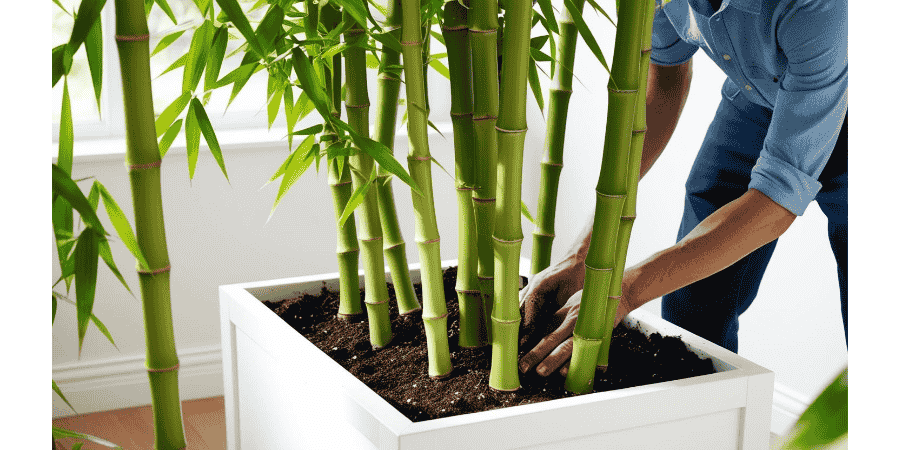
Growing bamboo in a planter is possible with the right care. Choose a suitable bamboo variety and ensure proper drainage.
Bamboo is a versatile and resilient plant that can thrive in planters with the correct conditions. Selecting a bamboo variety that suits container growth, such as Fargesia or Bambusa multiplex, is crucial. Ensure the planter has adequate drainage holes to prevent waterlogging, which can harm bamboo roots.
Use a well-draining soil mix and water regularly, but avoid overwatering. Position the planter in a location where the bamboo can receive indirect sunlight. Regular pruning helps maintain the plant’s size and health. With proper care, bamboo in a planter can provide aesthetic appeal and privacy to any space.
Choosing The Right Bamboo
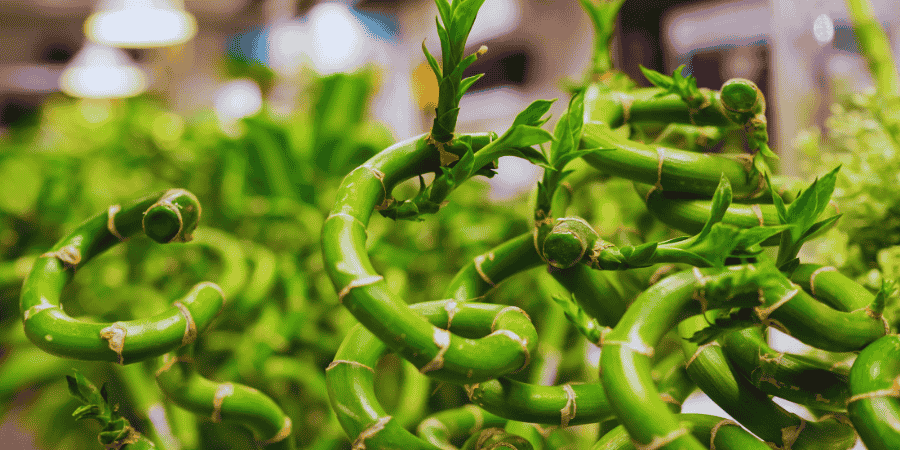
Growing bamboo in a planter can transform your garden or indoor space into a lush, green oasis. Choosing the right bamboo ensures healthy growth and a beautiful display. This guide will help you select the perfect bamboo type and variety for your planter needs.
Types Of Bamboo
Bamboo comes in two main types: clumping and running. Understanding these types helps you make an informed decision.
- Clumping Bamboo: This type grows in tight clusters. It spreads slowly and is easier to manage in planters. Clumping bamboo is ideal for confined spaces.
- Running Bamboo: This type spreads quickly through underground rhizomes. It can be invasive without proper containment. Running bamboo requires more maintenance in planters to prevent overgrowth.
Choosing the right type is essential based on your space and maintenance capabilities. If you prefer low maintenance, clumping bamboo is the way to go. Running bamboo can create a lush, expansive look for those who enjoy a challenge and have larger planters.
| Type | Growth Pattern | Ideal for Planters |
| Clumping Bamboo | Slow, tight clusters | Yes |
| Running Bamboo | Fast, spreads widely | No, unless well-contained |
Best Varieties For Planters
Choosing the best bamboo varieties for planters ensures healthy growth and a stunning appearance. Here are some top choices:
- Fargesia Rufa: This clumping bamboo is perfect for planters. It thrives in shade and partial sun. Its height reaches 10 feet, making it ideal for privacy screens.
- Bambusa Multiplex is a versatile clumping variety known as ‘Hedge Bamboo.’ It grows well in planters and can reach up to 20 feet. Its dense foliage provides excellent privacy.
- Pleioblastus Pygmaeus: This dwarf bamboo is perfect for small planters. It grows up to 2 feet tall and spreads slowly. Its compact size makes it great for indoor decoration.
Here is a quick comparison of these varieties:
| Variety | Type | Height | Best Use |
| Fargesia Rufa | Clumping | Up to 10 feet | Privacy screen |
| Bambusa Multiplex | Clumping | Up to 20 feet | Privacy and hedges |
| Pleioblastus pygmaeus | Clumping | Up to 2 feet | Indoor decoration |
These varieties are easy to manage and thrive in planters. They offer various heights and uses, ensuring you find the perfect fit for your space.
Ideal Planter Size
Growing bamboo in a planter is an excellent way to add a touch of nature to your home or garden. Bamboo is known for its rapid growth and lush foliage, making it a popular choice for plant enthusiasts. To ensure your bamboo thrives, choosing the ideal planter size is crucial. The right size will provide enough space for the roots to grow and support the plant’s overall health.
Depth Requirements
Bamboo roots need adequate depth to grow and anchor the plant. The planter should be at least 18 inches deep for most bamboo species. This depth allows the roots to spread and absorb nutrients effectively.
Some larger bamboo varieties might require a deeper planter, around 24 inches deep. Here’s a quick reference table for depth requirements based on bamboo type:
| Bamboo Type | Minimum Depth |
| Small Bamboo | 18 inches |
| Medium Bamboo | 20 inches |
| Large Bamboo | 24 inches |
Using a deeper planter helps prevent the roots from becoming root-bound, which can stunt the plant’s growth. Ensure the planter has drainage holes to avoid waterlogging, which can harm bamboo roots.
Width Considerations
The width of the planter is equally important for healthy bamboo growth. A wider planter allows the bamboo to spread out and grow. For most bamboo species, a planter with a width of at least 18 inches is ideal. Here are some width guidelines based on bamboo size:
- Small Bamboo: 18 inches wide
- Medium Bamboo: 20 inches wide
- Large Bamboo: 24 inches wide
A wider planter supports the bamboo’s growth and enhances its stability. Bamboo can become top-heavy, especially as it grows taller. A wider base helps prevent the planter from tipping over.
For optimal growth, consider using a rectangular or square planter. These shapes provide more surface area for the roots to expand. Ensure the planter material is sturdy enough to support the weight of the bamboo and soil.
Soil Selection
Growing bamboo in a planter can be a rewarding experience. Choosing the right soil is essential for healthy bamboo growth. Proper soil selection ensures the bamboo gets the nutrients and support it needs. Let’s dive into the best soil types and nutrient-rich options for your bamboo planter.
Soil Types
Bamboo thrives in well-draining soil. The right soil type ensures water does not accumulate, which can cause root rot. Here are some common soil types for bamboo planters:
- Sandy Soil: Allows excellent drainage. Mix with organic matter to retain moisture.
- Loamy Soil: Ideal for bamboo. It retains moisture and provides good drainage.
- Clay Soil: Poor drainage. Mix with sand or perlite to improve drainage.
Using the right soil type can make a significant difference. Here’s a comparison table to help you choose:
| Soil Type | Drainage | Moisture Retention |
| Sandy Soil | Excellent | Low |
| Loamy Soil | Good | High |
| Clay Soil | Poor | Very High |
Combining different soil types can create the perfect mix for your bamboo. Aim for a balance of drainage and moisture retention. Avoid using heavy clay alone; it holds too much water.
Nutrient-rich Options
Bamboo needs nutrients to grow strong and healthy. Adding nutrient-rich options to your soil can boost bamboo growth. Here are some excellent choices:
- Compost: Rich in organic matter. Improves soil structure and adds nutrients.
- Manure: Provides essential nutrients. Use well-aged manure to avoid burning the roots.
- Bone Meal: High in phosphorus. Encourages root development and plant strength.
- Fish Emulsion: Liquid fertilizer. Offers a quick nutrient boost for bamboo.
Mixing these options into your soil can create a nutrient-dense environment. Here’s how to incorporate them:
- Compost: Mix into the top 6 inches of soil. Use 1-2 inches of compost for best results.
- Manure: Add 1 inch of well-aged manure. Mix thoroughly into the soil.
- Bone Meal: Sprinkle on the soil surface. Water thoroughly to help it absorb.
- Fish Emulsion: Dilute as per instructions. Apply directly to the soil every 4-6 weeks.
Choose the right mix for your bamboo. Regularly check soil health to ensure your bamboo thrives. Healthy soil leads to healthy bamboo growth.
Planting Techniques
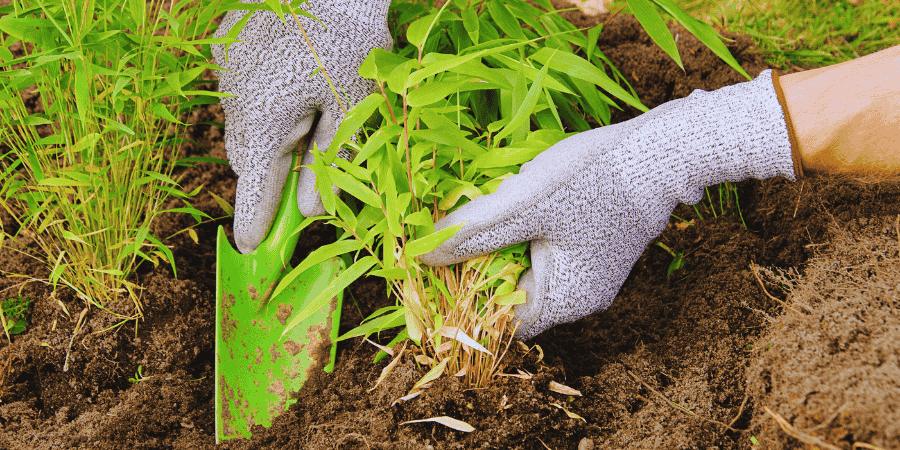
Growing bamboo in a planter can be a rewarding experience. This versatile plant adds a touch of nature to any space. To ensure your bamboo thrives, it’s important to use proper planting techniques. This guide will help you plant bamboo correctly, focusing on proper planting depth and spacing between plants.
Proper Planting Depth
Planting bamboo at the correct depth is crucial. The right depth ensures healthy root growth and prevents issues like root rot. Here’s how to get it right:
1. Choose the Right Planter: Select a planter that’s at least 18 inches deep. This gives the roots enough room to spread.
- Width: A wider planter is better. It allows for more root expansion.
- Drainage: Ensure the planter has drainage holes. This prevents waterlogging.
2. Fill the Planter with Soil: Use well-draining soil. Bamboo prefers a mix of potting soil and sand.
3. Planting Depth: Place the bamboo rhizome below the soil surface. Cover it with a thin layer of soil, about 1-2 inches deep.
4. Watering: Water the soil thoroughly after planting. Keep it moist but not soggy.
| Step | Details |
| Planter Depth | At least 18 inches |
| Soil Type | A well-draining mix of potting soil and sand |
| Planting Depth | 1-2 inches below the soil surface |
Spacing Between Plants
Proper spacing between bamboo plants is essential. It allows each plant to grow without competition. Follow these steps for optimal spacing:
1. Planter Size: The size of your planter determines the number of bamboo plants. A larger planter can hold more plants.
- Small Planters: Ideal for one or two bamboo plants.
- Large Planters: Can accommodate multiple plants, depending on their size.
2. Space Between Plants: Leave at least 18 inches between each bamboo plant. This ensures enough space for root growth.
3. Growth Considerations: Some bamboo species grow faster and taller. Adjust the spacing based on the growth rate.
4. Avoid Crowding: Overcrowding can lead to poor air circulation. It also increases the risk of diseases.
| Planter Size | Number of Plants |
| Small (up to 12 inches) | 1-2 plants |
| Medium (12-24 inches) | 2-3 plants |
| Large (24+ inches) | 3-5 plants |
By following these planting techniques, you ensure your bamboo plants thrive. Proper planting depth and spacing are key to healthy growth.

Watering Needs
Growing bamboo in a planter is a great way to enjoy this fast-growing plant without it taking over your garden. One of the most important aspects of bamboo care is understanding its watering needs. Proper watering ensures your bamboo remains healthy and vibrant.
Frequency Of Watering
Bamboo loves water but also needs good drainage. To keep your bamboo healthy, follow these guidelines:
- Check soil moisture daily: Bamboo roots should stay moist but not soggy.
- Water deeply: Ensure the water reaches the bottom of the planter.
- Adjust for weather: In hotter months, water more frequently.
Here’s a simple watering schedule:
| Season | Watering Frequency |
| Spring | 3-4 times a week |
| Summer | Daily |
| Fall | 2-3 times a week |
| Winter | Once a week |
Tip: Use a moisture meter to check soil moisture levels.
Signs Of Overwatering
Overwatering can harm bamboo. Watch for these signs:
- Yellowing leaves: This indicates too much water.
- Wilting: Although rare, it can happen due to root rot.
- Moldy soil: Excess moisture can lead to mold growth.
To prevent overwatering:
- Ensure proper drainage: Make sure the planter has drainage holes.
- Use well-draining soil: This helps excess water escape quickly.
- Allow soil to dry slightly between waterings: This prevents root rot.
Tip: If you notice these signs, reduce watering frequency and check drainage.
Sunlight Requirements
Growing bamboo in a planter can be a rewarding experience. These versatile plants can thrive in various conditions, but understanding their sunlight requirements is crucial for healthy growth. Proper sunlight ensures your bamboo grows strong and lush, adding beauty to any space.
Optimal Light Conditions
Bamboo plants need a balanced amount of sunlight to flourish. Most bamboo species prefer full sun, meaning they need at least six hours of direct sunlight daily. Ensuring they receive adequate light helps them grow quickly and maintain vibrant green leaves.
Here are some tips to achieve optimal light conditions for your bamboo:
- Place your planter in a spot that gets morning sun and afternoon shade.
- Avoid placing the planter in areas with extreme heat, especially during peak afternoon hours.
- Rotate the planter periodically to ensure all sides receive adequate light.
Here’s a table summarizing the light needs of different bamboo species:
| Bamboo Species | Light Requirement |
| Golden Bamboo | Full Sun |
| Fargesia Bamboo | Partial Shade |
| Black Bamboo | Full to Partial Sun |
Ensuring your bamboo gets the right light helps prevent issues like slow growth, yellowing leaves, and weak stems.
Shade Tolerance
While bamboo loves the sun, some species can tolerate shade. Shade-tolerant bamboo is ideal for indoor planters or shaded garden spots. These species can adapt to lower light levels but may grow slower and have thinner stalks.
Consider these shade-tolerant bamboo species:
- Fargesia Bamboo: Thrives in partial to full shade.
- Rufa Bamboo: Prefers dappled sunlight or light shade.
- Umbrella Bamboo: Grows well in shaded conditions.
For shade-tolerant bamboo, follow these care tips:
- Place the planter near a north-facing window if indoors.
- Ensure the plant gets indirect sunlight for at least 4 hours daily.
- Avoid complete darkness, which can stunt growth.
Even shade-tolerant bamboo benefits from occasional sunlight. Providing some direct light helps maintain their health and encourages robust growth.
Fertilizing Bamboo
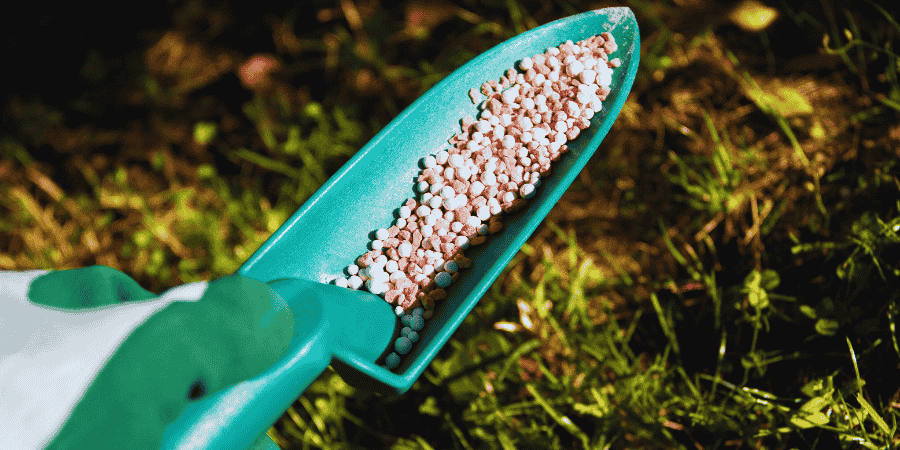
Growing bamboo in a planter can be a delightful experience, offering your space a touch of greenery and elegance. To ensure your bamboo thrives, proper fertilization is crucial. Fertilizing bamboo helps it grow strong and lush, giving it the nutrients it needs to flourish.
Best Fertilizer Types
Choosing the right fertilizer for your bamboo is essential. Bamboo plants are heavy feeders and require a good balance of nutrients to grow well. Here are the best types of fertilizers for bamboo:
- Balanced Fertilizers: These contain equal parts of nitrogen (N), phosphorus (P), and potassium (K). Look for a 10-10-10 or 20-20-20 blend.
- High Nitrogen Fertilizers: Bamboo loves nitrogen. A fertilizer with a higher nitrogen content, like 21-5-6, can promote lush, green growth.
- Organic Fertilizers: Compost, manure, and fish emulsion are great natural options. They release nutrients slowly and improve soil health.
- Slow-Release Fertilizers: These provide a steady supply of nutrients over time. Look for granules or spikes that last 3-6 months.
Here’s a quick comparison of the types of fertilizers:
| Fertilizer Type | Advantages | Disadvantages |
| Balanced Fertilizers | Well-rounded nutrients promote overall growth | May need frequent application |
| High Nitrogen Fertilizers | Boosts leafy growth, quick results | It can burn plants if overused |
| Organic Fertilizers | Improves soil health, eco-friendly | Slower nutrient release |
| Slow-Release Fertilizers | Long-lasting, easy to use | It may be more expensive |
Feeding Schedule
Bamboo plants need a regular feeding schedule to stay healthy. Follow these guidelines to create a feeding routine:
- Spring: Start fertilizing in early spring. This is the growing season. Use a high-nitrogen fertilizer to boost new shoots.
- Summer: Continue feeding every 4-6 weeks. Use a balanced fertilizer to maintain growth and health.
- Fall: In late fall, switch to a slow-release fertilizer. This prepares the bamboo for winter.
- Winter: Reduce feeding in winter. Bamboo’s growth slows down, so it needs fewer nutrients.
During the growing season, monitor your bamboo for signs of nutrient deficiency. Yellow leaves or slow growth indicate it may need more fertilizer. Always follow the instructions on the fertilizer package to avoid over-fertilizing, which can harm the plant.
This feeding schedule will keep your bamboo vibrant and healthy throughout the year.
Pruning Techniques
Growing bamboo in a planter is a delightful way to bring a touch of the exotic into your home or garden. It adds a lush, green vibe and is a natural screen or focal point. To ensure your bamboo thrives, regular pruning is essential. Pruning helps control growth, encourages healthy shoots, and maintains the plant’s shape. Let’s explore the best techniques for pruning bamboo in a planter.
When To Prune
Pruning bamboo at the right time is crucial for its health and appearance. The best times to prune bamboo are:
- Early Spring: Prune dead or weak canes before new growth starts.
- Late Summer: Trim excess growth and maintain shape.
Early spring pruning helps remove dead or damaged canes, promoting robust new growth. This is also the time to thin out overcrowded areas, allowing sunlight and air to reach the inner parts of the plant.
In late summer, pruning helps keep the bamboo in shape and prevents it from becoming too bushy. This period is ideal for cutting back any overgrown sections, ensuring the plant remains attractive and manageable.
Regular pruning also reduces the risk of pest infestations and diseases. Removing old and unhealthy canes creates a healthier environment for your bamboo.
How To Prune Effectively
Effective pruning requires the right tools and techniques:
- Use Sharp Pruners: Sharp tools make clean cuts, reducing stress on the plant.
- Cut at an Angle: An angled cut prevents water from sitting on the cut surface, reducing the risk of rot.
- Remove Dead Canes: Dead canes should be cut at the base to encourage new growth.
- Thin Overcrowded Areas: Remove excess shoots to allow light and air to penetrate.
For detailed pruning, follow these steps:
- Identify and remove any dead or damaged canes.
- Thin out canes that are overcrowded, aiming to keep the strongest ones.
- Cut back any canes growing outside the plant’s desired shape.
Here is a simple table summarizing the steps:
| Action | Description |
| Remove Dead Canes | Cut at the base, promoting new growth. |
| Thin Overcrowded Areas | Remove excess shoots to allow light and air to penetrate. |
| Shape the Plant | Trim canes grow outside the desired shape. |
Pruning bamboo in a planter keeps it healthy and attractive. With these techniques, your bamboo will thrive and add beauty to your space.
Pest Management
Growing bamboo in a planter can be a rewarding experience, providing a touch of greenery to your home or garden. However, managing pests is crucial to maintaining healthy and vibrant bamboo. Proper pest management involves identifying common pests and employing natural remedies to keep them at bay.
Common Pests
Several pests are known to infest bamboo plants. Recognizing these pests can help you take timely action to protect your bamboo.
- Aphids: These tiny insects suck sap from the bamboo, causing leaves to yellow and curl. They often appear in clusters on the undersides of leaves.
- Spider Mites are microscopic pests that create fine webs on bamboo leaves. They cause leaves to turn yellow and fall off.
- Scale Insects: Scale insects attach to stems and leaves, appearing as small, brownish bumps. They can weaken the plant by sucking its sap.
- Mealybugs: Mealybugs are small, white, cotton-like insects that cluster on stems and leaves, feeding on the plant’s juices and causing stunted growth.
| Common Pest | Signs of Infestation |
| Aphids | Yellow, curled leaves; clusters on leaf undersides |
| Spider Mites | Fine webs on leaves; yellowing and leaf drop |
| Scale Insects | Brown bumps on stems and leaves; plant weakness |
| Mealybugs | White, cotton-like clusters; stunted growth |
Natural Remedies
Natural remedies can effectively control pests without harming your bamboo or the environment. Here are some methods to keep your bamboo pest-free:
- Neem Oil: Neem oil is a natural insecticide that can deter pests like aphids, spider mites, and mealybugs. Mix one tablespoon of neem oil with a liter of water and spray it on the affected areas.
- Soap Solution: A mild soap solution can help control pests like aphids and spider mites. Mix one teaspoon of mild liquid soap with a liter of water and spray it on the infested parts.
- Garlic Spray: Garlic has natural insect-repelling properties. Crush a few garlic cloves and mix them with water. Let the mixture sit overnight, strain it, and spray it on the bamboo.
- Beneficial Insects: Ladybugs and predatory mites can naturally control pest populations. Introduce these beneficial insects to your bamboo planter to keep pests in check.
- Regular Monitoring: Check your bamboo regularly for signs of pests. Early detection can prevent severe infestations.
- Proper Watering: Overwatering can attract pests. Ensure your bamboo is watered adequately but not excessively.
- Clean Surroundings: Keep the area around the planter clean and free from debris, which can harbor pests.
These natural remedies can help you maintain a healthy bamboo plant without using harmful chemicals. Consistent care and attention are key to successful pest management.
Fighting Diseases
Growing bamboo in a planter can be a delightful addition to your home or garden. But to keep your bamboo healthy, you must be aware of potential diseases. Fighting diseases is crucial for maintaining a vibrant and thriving bamboo plant. Knowing the signs of illness and how to prevent them will help ensure your bamboo stays lush and green.
Signs Of Illness
Recognizing the signs of illness in your bamboo plant early can save it from severe damage. Bamboo plants can show several symptoms when they are not well. Look out for the following signs:
- Yellowing Leaves: This might indicate overwatering or nutrient deficiency.
- Brown Tips: Often a sign of underwatering or exposure to too much sun.
- Wilted Leaves: This could be due to root rot or fungal infections.
- Spots on Leaves May suggest fungal or bacterial infections.
Here’s a quick reference table for common symptoms and their potential causes:
| Symptom | Potential Cause |
| Yellowing Leaves | Overwatering, Nutrient Deficiency |
| Brown Tips | Underwatering, Excess Sunlight |
| Wilted Leaves | Root Rot, Fungal Infections |
| Spots on Leaves | Fungal or Bacterial Infections |
Regularly inspecting your bamboo for these signs can help you take action before the issue becomes severe.
Preventative Measures
Preventing diseases in your bamboo plant involves a combination of proper care and maintenance. Follow these steps to keep your bamboo healthy:
- Proper Watering: Ensure your bamboo gets the right amount of water. Avoid overwatering to prevent root rot.
- Good Drainage: Use a planter with drainage holes. Good drainage prevents water from sitting at the roots.
- Sunlight: Bamboo needs bright, indirect sunlight. Avoid placing it in direct sun for long periods.
- Soil Quality: Use well-draining soil. This helps prevent waterlogging and root diseases.
- Regular Fertilization: Feed your bamboo with a balanced fertilizer every few months. Nutrients help keep the plant strong and resilient.
- Pruning: Remove any dead or diseased leaves. This prevents the spread of infections.
Following these preventative measures can keep your bamboo plant healthy and vibrant.
Winter Care
Growing bamboo in a planter is a great way to add a touch of nature to your home or garden. But, as winter approaches, special care is needed to ensure your bamboo thrives. Winter care is crucial to protect your bamboo from the cold, frost, and harsh winds. Proper winter care will help your bamboo stay healthy and beautiful year-round.
Preparing For Cold
Proper preparation is essential to protect your bamboo from the cold. Start by insulating the planter. Use materials like bubble wrap, burlap, or straw to wrap around the planter. This helps to keep the roots warm.
Next, move the planter to a sheltered location. Place it against a wall or under a canopy to shield it from wind and frost. Elevate the planter off the ground using bricks or a plant stand to prevent the roots from freezing.
Watering is crucial during winter. Ensure the soil is moist but not soggy. Water the bamboo less frequently but deeply. This helps the roots stay hydrated without causing rot.
For extra protection, consider using a frost blanket or horticultural fleece. Cover the bamboo at night to protect it from frost and remove it during the day to allow sunlight.
- Wrap the planter with insulating materials.
- Move to a sheltered location.
- Elevate off the ground.
- Water less frequently but deeply
- Use a frost blanket or horticultural fleece
Indoor Vs. Outdoor Options
Whether to keep your bamboo indoors or outdoors during winter depends on your climate and space. Indoor bamboo care involves placing the planter in a sunny spot. Ensure it gets enough light, at least 6 hours a day. Keep the indoor temperature between 60-70°F for optimal growth.
Outdoor bamboo care requires more attention. Ensure the planter is in a sheltered spot, away from direct wind. Outdoor bamboo may need additional insulation and protection from frost. Consider using a mini greenhouse or cold frame for extra protection.
Compare the pros and cons of indoor and outdoor options:
| Indoor | Outdoor |
| Consistent temperature | Natural environment |
| Protection from frost | More space for growth |
| Limited sunlight | Requires more insulation |
| Less exposure to pests | More maintenance |
Choose the option that best suits your space and climate. Proper winter care will ensure your bamboo stays healthy and vibrant.
Repotting Bamboo
Growing bamboo in a planter is both rewarding and aesthetic. Bamboo is a resilient plant that can thrive in various conditions, making it an excellent choice for indoor and outdoor settings. Over time, bamboo can outgrow its container, necessitating repotting to ensure healthy growth. Repotting bamboo is essential for maintaining its vigor, promoting root health, and preventing overcrowding. This process is straightforward if you know the right signs and steps.
Signs Of Repotting Need
Recognizing when your bamboo needs repotting is crucial for its health. Here are some signs that indicate it’s time to give your bamboo a new home:
- Roots are visible at the surface or through drainage holes.
- Water drains too quickly, indicating root-bound conditions.
- Slowed growth or yellowing leaves.
- Cracked or bulging pot walls due to root pressure.
Let’s delve deeper into each sign:
| Sign | Description |
| Visible Roots | Roots peeking out from the top or bottom of the planter. |
| Quick Water Drainage | Water runs through the pot almost immediately after watering. |
| Slowed Growth | Bamboo shows stunted growth or yellowing leaves. |
| Cracked Pot | The pot may crack or bulge from root expansion. |
Steps To Report
Repotting bamboo involves a few simple steps. Follow these to ensure your bamboo plant thrives in its new planter:
- Choose the right pot: Select a pot 2-3 inches larger in diameter than the current one. Ensure it has good drainage.
- Prepare the new pot: Add a layer of gravel at the bottom to aid drainage, then fill halfway with fresh soil mix.
- Remove the bamboo: Carefully slide the bamboo out of its current pot. Loosen the root ball gently.
- Trim the roots: Trim any long or damaged roots to encourage new growth.
- Place bamboo in the new pot: Position the bamboo in the center of the new pot. Fill around the roots with soil, pressing down lightly.
- Water thoroughly: Give the bamboo a good soak to settle the soil and remove air pockets.
- Place in the right spot: Keep the bamboo in a location with indirect sunlight and maintain consistent moisture.
These steps ensure your bamboo grows healthily and robustly in its new planter. Regularly checking for repotting signs and following these steps will keep your bamboo thriving.
Using Bamboo In Decor
Growing bamboo in a planter offers a versatile way to integrate this elegant plant into your decor. Bamboo is not just a plant; it’s a design element that can transform any space. Using bamboo in decor can bring a touch of nature indoors and enhance outdoor aesthetics. Bamboo is a perfect choice whether you want to create a zen-like interior or a serene garden.
Indoor Design Ideas
Bamboo in the home can create a calm and serene atmosphere. It’s versatile and pairs well with various interior styles. Here are some indoor design ideas:
- Living Room Accent: Place a bamboo planter in a corner to add a natural touch.
- Room Dividers: Use tall bamboo plants as natural room dividers to create separate zones in an open space.
- Bathroom Oasis: Bamboo thrives in humid environments, making it perfect for bathrooms. Add a planter near the bathtub for a spa-like feel.
For a more structured approach, consider the following table showcasing different indoor bamboo arrangements:
| Placement | Effect |
| Corner of the Living Room | Adds Height and Greenery |
| Next to the Sofa | Creates a Cozy Vibe |
| Near Windows | Enhances Natural Light |
Outdoor Arrangements
Bamboo can also enhance outdoor spaces, offering privacy and beauty. Here are some outdoor arrangement ideas:
- Garden Borders: Use bamboo planters to define garden borders and create a natural fence.
- Patio Enhancements: Place bamboo around the patio to create a tranquil retreat.
- Pathway Lining: Line walkways with bamboo planters to guide visitors through your garden.
Here’s a table outlining various outdoor bamboo arrangement ideas:
| Location | Benefit |
| Along Fences | Provides Privacy |
| Near Garden Benches | Offers Shade |
| Around Pools | Creates a Tropical Feel |
These ideas allow you to transform indoor and outdoor spaces using bamboo planters.
Bamboo Maintenance
Growing bamboo in a planter can be a delightful addition to your home garden. Yet, maintaining healthy bamboo requires regular attention. Bamboo maintenance ensures your plants stay vibrant and lush throughout the year. Your bamboo will thrive with proper care, providing you with greenery and serenity.
Routine Checks
Routine checks are crucial to keep your bamboo healthy. These checks help identify any issues early, ensuring your bamboo stays in top condition. Here are some key points to consider:
- Watering: Bamboo loves water but hates soggy roots. Ensure the soil is moist not waterlogged.
- Soil Quality: Use well-draining soil. Check for compacted soil, which can suffocate roots.
- Pests: Inspect leaves and stems for pests like aphids or mites. Use organic pesticides if needed.
- Fertilization: Feed bamboo with a balanced monthly fertilizer during the growing season.
- Pruning: Remove dead or yellow leaves to encourage new growth and maintain a clean appearance.
Regular checks help identify problems before they become severe. Watering should be adjusted based on the weather. In hot climates, bamboo may need more frequent watering. Soil quality is also vital. If the soil is too dense, it can hinder the bamboo’s growth. Ensure the soil remains loose and well-draining.
Pests can be a significant issue. Common pests include aphids and spider mites. Regularly inspect your bamboo for any signs of infestation. Using organic pesticides can help control pests without harming the plant. Fertilization is another critical aspect. A balanced fertilizer supports healthy growth. Finally, regular pruning keeps your bamboo looking its best. Removing dead or yellow leaves encourages new growth and maintains the plant’s health.
Seasonal Adjustments
Seasonal adjustments are necessary to adapt to changing weather conditions. These adjustments ensure your bamboo continues to thrive throughout the year. Here are some key considerations:
- Winter Care: Protect bamboo from frost. Move planters indoors or cover them with frost cloth.
- Summer Care: Ensure adequate watering during hot months. Mulch the soil to retain moisture.
- Spring Growth: Increase fertilization as new shoots emerge. Prune old growth to make way for new stems.
- Fall Preparation: Reduce watering as temperatures drop. Prepare the bamboo for the dormant season.
Winter care is crucial for bamboo in planters. Frost can damage bamboo, so moving planters indoors or covering them with frost cloth is essential. During summer, bamboo needs extra water. Mulching helps retain moisture, ensuring the roots stay hydrated. As new shoots emerge, increase fertilization to support new growth in spring. Pruning old growth allows new stems to flourish. Finally, in the fall, reduce watering as temperatures drop. Preparing the bamboo for dormancy ensures it survives the winter and returns strong in the spring.
Adapting your care routine based on the season ensures your bamboo remains healthy and vibrant all year round. Following these seasonal adjustments, you can enjoy a lush and thriving bamboo planter in any weather.
Sustainability Of Bamboo
Growing bamboo in a planter can be both rewarding and eco-friendly. Bamboo is a sustainable plant that helps the environment in many ways. It grows quickly, absorbs carbon dioxide, and produces a lot of oxygen. Let’s explore the sustainability of bamboo and see why it’s a great choice for your garden.
Eco-friendly Benefits
Bamboo offers many eco-friendly benefits that make it a smart choice for planting. Here are some key points:
- Fast Growth Rate: Bamboo can grow up to 35 inches per day. This rapid growth means it can be harvested more frequently.
- Carbon Sequestration: Bamboo absorbs carbon dioxide and releases 35% more oxygen than equivalent trees.
- Soil Health: Bamboo roots help prevent soil erosion and improve soil health by adding nutrients.
- Low Water Usage: Bamboo requires less water than other plants, making it a water-efficient option.
Here’s a quick table to summarize these benefits:
| Benefit | Description |
| Fast Growth Rate | Grows up to 35 inches per day |
| Carbon Sequestration | Absorbs more CO2 and releases more oxygen |
| Soil Health | Prevents erosion and adds nutrients |
| Low Water Usage | Uses less water than other plants |
Bamboo’s eco-friendly benefits make it an excellent addition to any garden. It helps the planet and looks great in planters.
Renewable Resource
Bamboo is a highly renewable resource. Here’s why:
- Quick Regeneration: Once harvested, bamboo can regrow to full size in just 3-5 years.
- Minimal Replanting: Unlike trees, bamboo does not need to be replanted after harvest. It regrows from its root system.
- High Yield: Bamboo produces more usable material per acre than trees, making it more efficient.
This table highlights bamboo’s renewable characteristics:
| Characteristic | Description |
| Quick Regeneration | Regrows in 3-5 years |
| Minimal Replanting | Does not need replanting |
| High Yield | More material per acre |
Because of these features, bamboo is considered one of the most renewable resources available. It’s a great option for those looking to make sustainable choices in their gardening practices.
Common Mistakes
Growing bamboo in a planter can be a rewarding experience. Bamboo adds a touch of greenery and tranquility to any space. However, many gardeners make common mistakes that hinder the growth and health of their bamboo plants. Understanding these pitfalls can help you achieve a thriving bamboo garden.
Overwatering Issues
Overwatering is a common mistake when growing bamboo in planters. Bamboo loves moisture, but too much water can lead to root rot and other health problems. Here are some tips to avoid overwatering:
- Check the soil moisture: Insert your finger into the soil until the first knuckle. If the soil feels moist, avoid watering.
- Use well-draining soil: Opt for a soil mix that allows excess water to drain quickly.
- Ensure proper drainage: Ensure the planter has holes to prevent water accumulation.
It’s important to find a balance in watering. Bamboo needs consistent moisture, but the roots should not sit in water. You can use a moisture meter to help monitor soil moisture levels.
Below is a table that outlines the symptoms and solutions for overwatering issues:
| Symptoms | Solutions |
| Yellowing leaves | Reduce watering frequency |
| Wilting, despite wet soil | Improve drainage and repot if necessary |
| Mold or mildew on the soil surface | Allow soil to dry out, increase airflow |
Choosing Wrong Varieties
Choosing the wrong bamboo variety for your planter can lead to disappointing results. Not all bamboo species thrive in confined spaces. Some varieties grow too large, while others may not be hardy enough for your climate.
When selecting bamboo for planters, consider the following factors:
- Growth habit: Opt for clumping bamboo varieties. They are more manageable and less invasive than running types.
- Size at maturity: Choose a variety that stays within a manageable height and width for your space.
- Climate compatibility: Ensure the bamboo variety suits your local climate conditions.
Here are some recommended bamboo varieties for planters:
- Fargesia Rufa: A hardy clumping bamboo that grows up to 10 feet tall.
- Bambusa Multiplex: Also known as Hedge Bamboo, it is compact and ideal for containers.
- Pleioblastus distichus: A dwarf bamboo that reaches only 2 feet tall, perfect for small spaces.
Selecting the right bamboo variety ensures healthy growth and prevents future problems. Researching and choosing wisely will help you enjoy a lush, green bamboo planter.
Resources For Growers
Growing bamboo in a planter is a rewarding experience. It adds a touch of greenery to your space and can thrive in various environments. To ensure your bamboo grows healthy and strong, having the right resources at your fingertips is essential. Below are two key resources: books and guides and online communities. These will provide the knowledge and support needed for successful bamboo cultivation.
Books And Guides
Books and guides are invaluable resources for anyone growing bamboo in planters. They offer detailed instructions, tips, and troubleshooting advice. Here are some highly recommended reads:
- “Bamboo for Gardens” by Ted Jordan Meredith: This book provides comprehensive information on bamboo species suitable for planters. It covers planting, care, and maintenance.
- “The Gardener’s Guide to Growing Temperate Bamboos” by Michael Bell focuses on temperate bamboo varieties. It includes practical advice on soil, watering, and pest control.
- “Bamboo in Containers: How to Grow Bamboo in Pots” by Paul Lavender: This book is perfect for container gardening enthusiasts. It offers specific tips for growing bamboo in confined spaces.
For quick reference, here’s a table summarizing these books:
| Title | Author | Focus |
| “Bamboo for Gardens” | Ted Jordan Meredith | Species, Care, Maintenance |
| “The Gardener’s Guide to Growing Temperate Bamboos” | Michael Bell | Temperate Varieties, Soil, Watering |
| “Bamboo in Containers: How to Grow Bamboo in Pots” | Paul Lavender | Container Gardening Tips |
Online Communities
Online communities offer a wealth of information and support for bamboo growers. These platforms allow you to connect with fellow enthusiasts and experts. Here are some popular online communities:
- Reddit’s Bamboo Community (r/Bamboo): This subreddit is a hub for bamboo growers. Members share tips, photos, and solutions to common problems.
- GardenWeb’s Bamboo Forum: This forum is part of the Houzz community. It has dedicated sections for bamboo care, troubleshooting, and container gardening.
- Facebook Groups: Several Facebook groups focus on bamboo growing. Examples include “Bamboo Growers” and “Bamboo Enthusiasts.” These groups offer real-time advice and support.
Here’s a quick comparison of these online communities:
| Platform | Focus | Benefits |
| Reddit (r/Bamboo) | General Bamboo Growing | Active Discussions, Community Support |
| GardenWeb Bamboo Forum | Bamboo Care and Troubleshooting | Expert Advice, Organized Topics |
| Facebook Groups | Bamboo Growing and Enthusiasts | Real-time Interaction, Diverse Perspectives |
Joining these communities can greatly enhance your bamboo-growing journey. You’ll gain insights, share experiences, and solve problems with the help of fellow growers.
Frequently Asked Questions
Can Bamboo Grow In A Planter?
Bamboo can thrive in planters with proper care and adequate space for root growth.
What Type Of Planter Is Best?
Choose a large, sturdy planter with good drainage to accommodate bamboo’s expansive root system.
How Often Should I Water Bamboo?
Water bamboo regularly, keeping the soil consistently moist but not soggy.
What Soil Is Ideal For Bamboo?
Use well-draining, fertile soil rich in organic matter for optimal bamboo growth.
How Much Sunlight Does Bamboo Need?
Bamboo prefers full sun but can tolerate partial shade, depending on the variety.
Can Bamboo Survive Winter In A Planter?
Certain bamboo species can survive winter with proper insulation and protection from harsh elements.
How Do I Fertilize Bamboo In A Planter?
Feed bamboo with a balanced, slow-release fertilizer during the growing season for best results.
How Fast Does Bamboo Grow In Planters?
Growth rate varies by species; some bamboo can grow several feet per year in ideal conditions.
How To Prevent Bamboo From Becoming Root-bound?
Report bamboo every 2-3 years or prune the roots to prevent the plant from becoming root-bound.
Can Bamboo Be Grown Indoors In Planters?
Yes, bamboo can be grown indoors if provided with sufficient light, humidity, and proper care.
Conclusion
Growing bamboo in a planter is rewarding and simple. It adds a touch of nature to any space. Remember to choose the right bamboo variety and planter. Regular care ensures healthy growth. Enjoy the beauty and benefits of indoor bamboo.
Start your bamboo planter journey today and transform your living space.