Several herbs, including yarrow, chamomile, and white horehound, boast white flowers. These herbs offer both medicinal and ornamental benefits.
White-flowered herbs add beauty and functionality to gardens. Yarrow (Achillea millefolium) is known for its feathery leaves and clusters of small, white blooms. Chamomile (Matricaria chamomilla) produces delicate, daisy-like herb flowers and is popular for its calming tea. White horehound (Marrubium vulgare) features woolly leaves and small, white flowers commonly used in cough remedies.
These herbs thrive in various climates and offer diverse health benefits. Incorporating them into your garden enhances its aesthetic appeal and provides natural remedies. Whether for culinary, medicinal, or ornamental purposes, white-flowered herbs are a valuable addition to any garden.
Introduction To White Flowering Herbs
Herbs with white flowers bring a touch of elegance to any garden. They are not just beautiful but also versatile, offering a myriad of uses in cooking, medicine, and even for decorative purposes. White flowering herbs are perfect for creating a serene and peaceful environment. Let’s dive into an introduction to white flowering herbs and discover their unique qualities.
What Are White Flowering Herbs?
White flowering herbs are plants that produce white blooms. These herbs are often aromatic and have various uses. What’s more, they are remarkably easy to grow and can thrive in different environments. Some popular examples include Chamomile, yarrow, and feverfew.
Benefits Of Growing White Flowering Herbs
- Attractive Garden Addition: White flowers give gardens a classic and clean look.
- Medicinal Uses: Many white flowering herbs have healing properties.
- Aromatic Qualities: These herbs often release pleasant scents, enhancing the garden’s aroma.
Popular White Flowering Herbs
| Herb | Uses | Growing Tips |
| Chamomile | Tea, skincare | Full sun, well-drained soil |
| Yarrow | Medicinal, ornamental | Full sun, drought-tolerant |
| Feverfew | Headache relief and insect repellent | Full sun, regular watering |
How to Care for White Flowering Herbs
- Watering: Ensure the soil is moist but not soggy.
- Sunlight: Most white flowering herbs need plenty of sunlight.
- Pruning: Regularly trim to promote growth and health.
Growing white flowering herbs can enhance the beauty and functionality of your garden. They are versatile, easy to care for, and bring numerous benefits. Whether you use them for their aesthetic appeal or their practical uses, these herbs are a wonderful addition to any garden.
18 Common Herbs With White Flowers
Herbs with white flowers not only add beauty to your garden but also offer a range of culinary and medicinal benefits. These herbs, with their delicate white blooms, are a sight to behold and can enhance your dishes and well-being. Here are 18 common herbs with white flowers that you should consider growing.
1. Mint
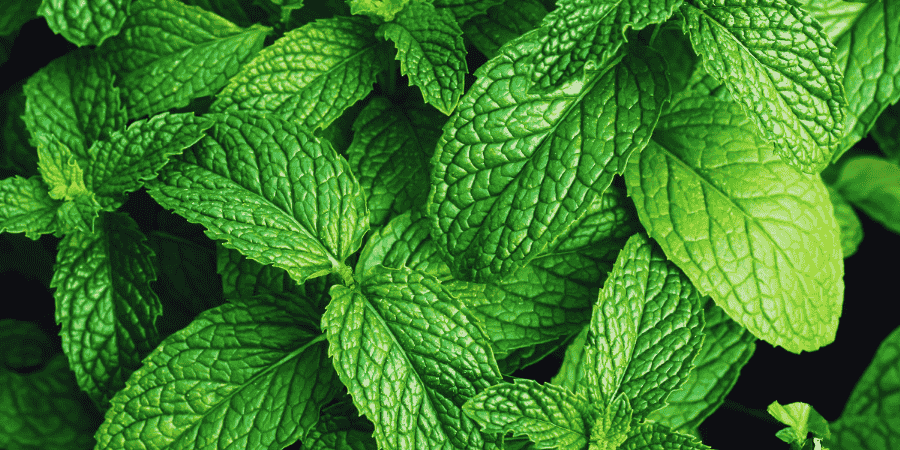
Mint is a popular herb known for its refreshing aroma and taste. Mint plants produce small white flowers that attract pollinators. This herb plant is easy to grow and spreads quickly.
- Uses: Mint leaves can be used in teas, salads, and desserts.
- Medicinal Benefits: Helps with digestion and relieves headaches.
- Growing Conditions: Needs moist soil and partial shade.
Mint is a versatile herb that can be used fresh or dried. Planting mint in a pot is best to control its rapid growth.
2. Thyme
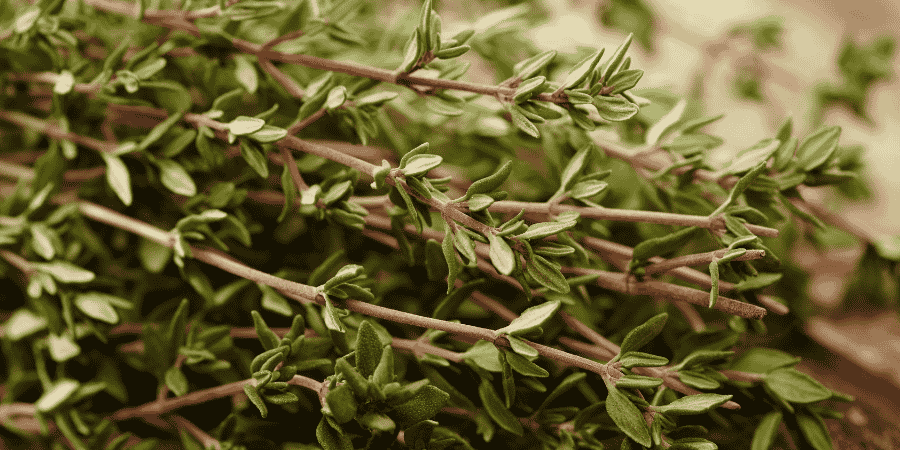
Thyme is a small perennial herb with tiny white flowers. Thyme is known for its aromatic leaves and is commonly used in cooking.
- Uses: Essential in many Mediterranean dishes.
- Medicinal Benefits: Has antiseptic and antifungal properties.
- Growing Conditions: Prefers well-drained soil and full sun.
Thyme is a resilient herb that can thrive in dry conditions. It’s a great addition to any herb garden.
3. Basil
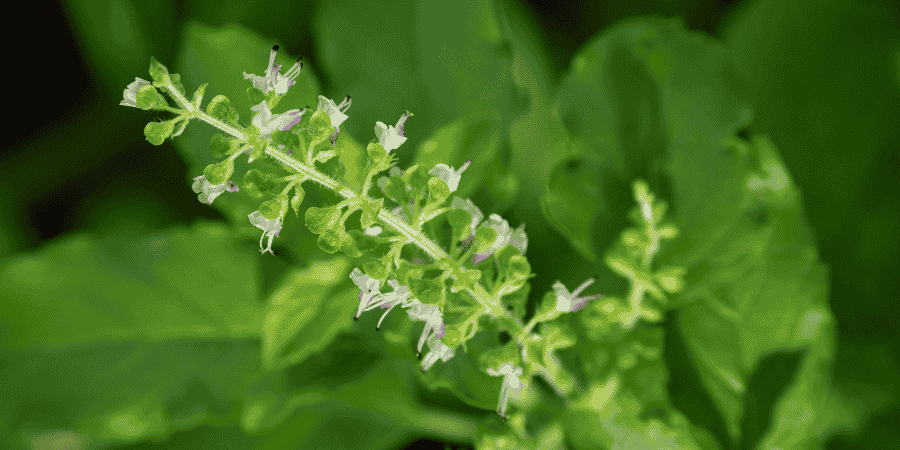
Basil is a fragrant herb that produces small white flowers. It’s a staple in many kitchens for its culinary uses.
- Uses: Perfect for pesto, salads, and sauces.
- Medicinal Benefits: Aids in reducing inflammation and improving digestion.
- Growing Conditions: Needs warm weather and well-drained soil.
Basil is an annual herb that requires regular watering and plenty of sunlight to thrive.
4. German Chamomile
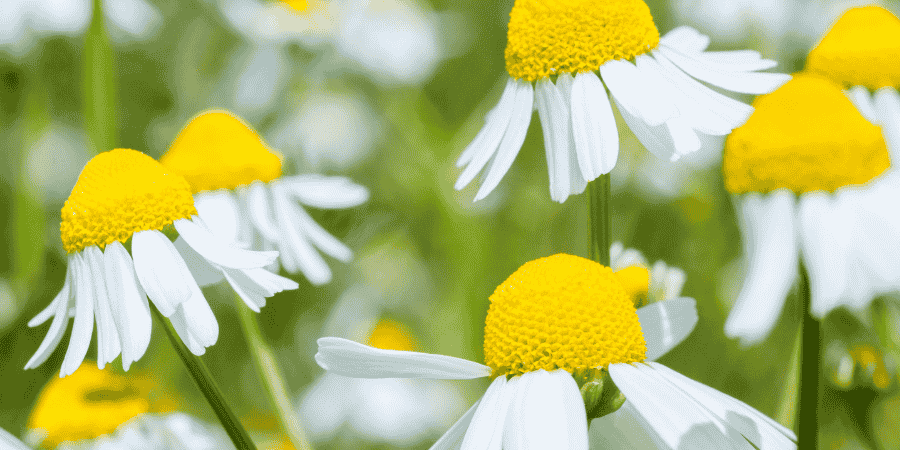
German Chamomile is a charming herb with white daisy-like flowers. It’s well-known for its calming effects.
- Uses: Commonly used in herbal teas.
- Medicinal Benefits: Helps with sleep and reduces stress.
- Growing Conditions: Prefers full sun and sandy soil.
German Chamomile is easy to grow and can be harvested for its flowers during the blooming season.
5. Yerba Buena

Yerba Buena is a fragrant herb with small white flowers. It’s often used in traditional medicine.
- Uses: Can be used in teas and as a flavoring agent.
- Medicinal Benefits: Known for its anti-inflammatory properties.
- Growing Conditions: Thrives in moist, shaded areas.
Yerba Buena is a hardy herb grown in containers or directly in the ground.
6. Greek Oregano
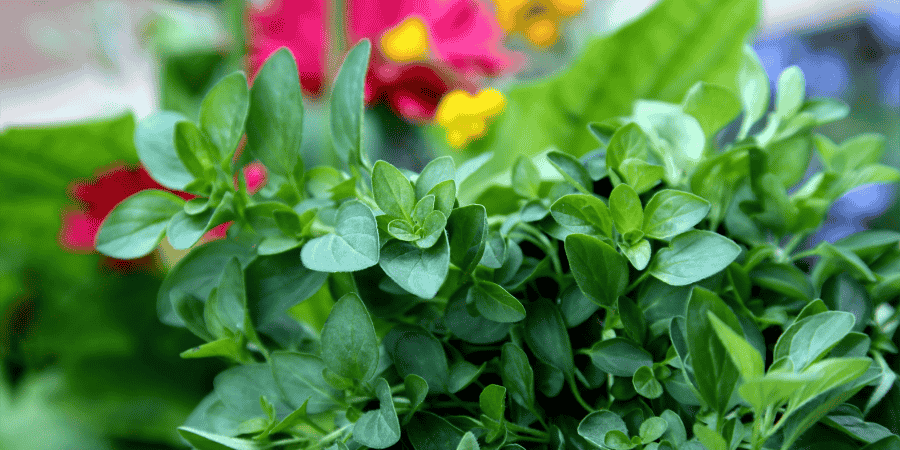
Greek Oregano is a popular culinary herb with small white flowers. It’s essential for Mediterranean cuisine.
- Uses: Ideal for seasoning meats, sauces, and soups.
- Medicinal Benefits: It has antibacterial and antioxidant properties.
- Growing Conditions: Requires well-drained soil and full sun.
Greek Oregano is a perennial herb that can add flavor and health benefits to your dishes.
7. Winter Savory
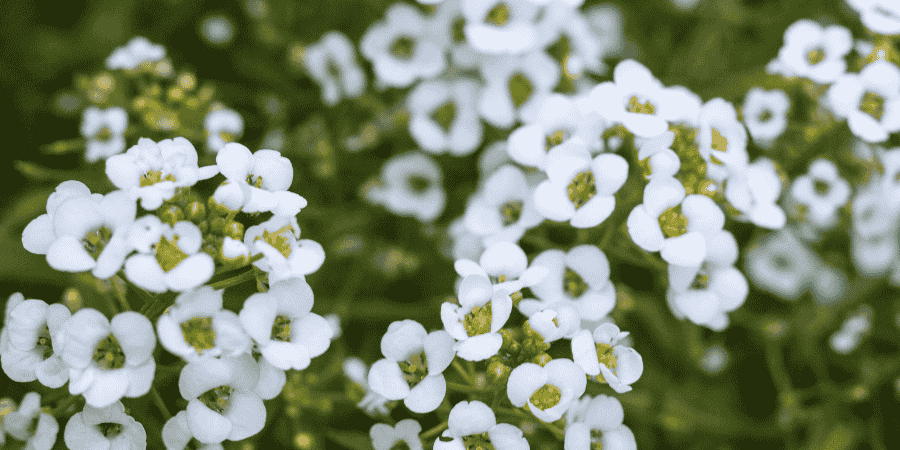
Winter Savory is a hardy herb with tiny white flowers. It’s used in cooking and has medicinal properties.
- Uses: Great for seasoning beans, meats, and vegetables.
- Medicinal herbs Benefits: Helps with digestion and respiratory issues.
- Growing Conditions: Prefers well-drained soil and full sun.
Winter Savory is a perennial herb that can withstand cold weather and adds a peppery flavor to dishes.
8. Lemon Balm
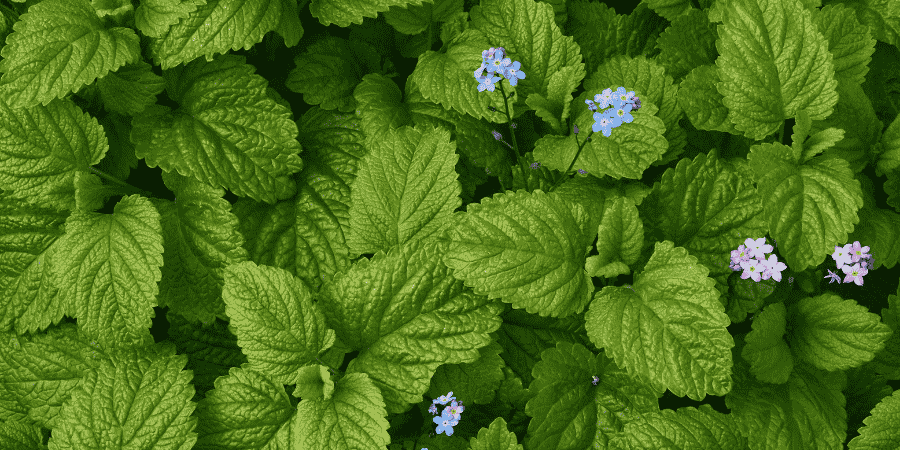
Lemon Balm is a fragrant herb with small white flowers. It’s known for its lemony scent and flavor.
- Uses: Can be used in teas, salads, and desserts.
- Medicinal Benefits: Reduces stress and aids in sleep.
- Growing Conditions: Thrives in well-drained soil and partial shade.
Lemon Balm is a perennial herb grown in containers or garden beds.
9. Catnip

Catnip is a well-known herb with white flowers. Cats love it, and it has several uses for humans.
- Uses: Can be used in teas and as a natural insect repellent.
- Medicinal Benefits: Helps with relaxation and digestion.
- Growing Conditions: Prefers well-drained soil and full sun.
Catnip is a perennial herb that can attract beneficial insects to your garden.
10. Chervil
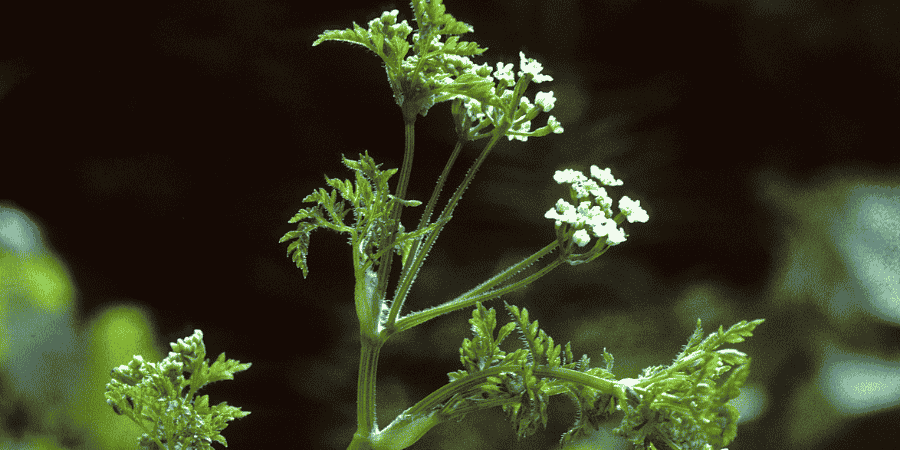
Chervil is a delicate herb with tiny white flowers. It’s used in French cuisine for its mild flavor.
- Uses: Perfect for seasoning soups, salads, and sauces.
- Medicinal Benefits: Known for its diuretic properties.
- Growing Conditions: Needs cool weather and moist soil.
Chervil is an annual herb that can be grown in containers or directly in the garden.
11. Watercress
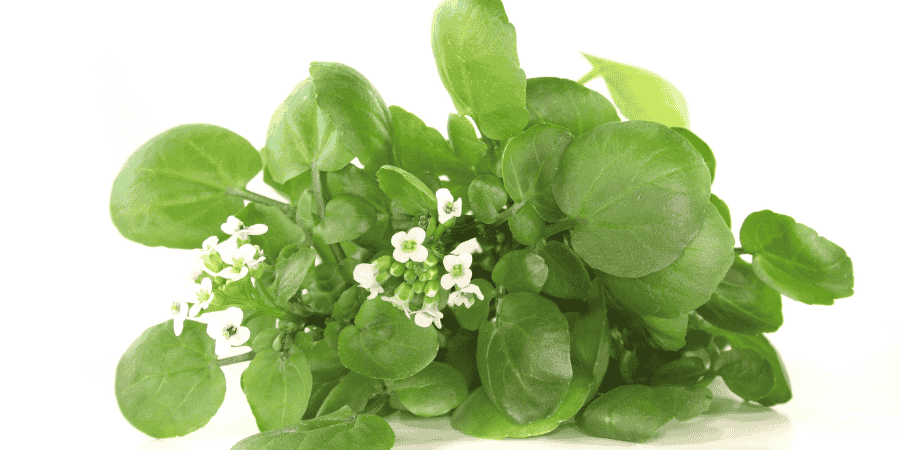
Watercress is a leafy herb with small white flowers. It’s known for its peppery flavor and nutritional benefits.
- Uses: Can be used in salads, sandwiches, and soups.
- Medicinal Benefits: Rich in vitamins and antioxidants.
- Growing Conditions: Prefers waterlogged soil and partial shade.
Watercress is a perennial herb grown in water gardens or moist soil conditions.
12. Horehound

Horehound is a hardy herb with white flowers. It’s known for its medicinal properties.
- Uses: Can be used in teas and candies.
- Medicinal Benefits: Helps with coughs and respiratory issues.
- Growing Conditions: Thrives in well-drained soil and full sun.
Horehound is a perennial herb that can be harvested for its leaves and flowers.
13. Marjoram
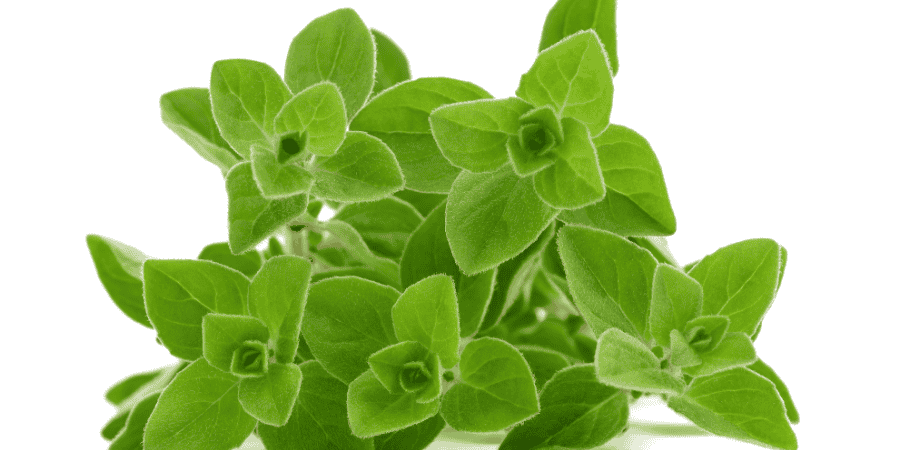
Marjoram is a fragrant herb with small white flowers. It’s used in cooking for its sweet, mild flavor.
- Uses: Ideal for seasoning meats, soups, and stews.
- Medicinal Benefits: Helps with digestion and reduces stress.
- Growing Conditions: Prefers well-drained soil and full sun.
Marjoram is a perennial herb grown in containers or garden beds.
14. Cilantro

Cilantro is a versatile herb with small white flowers. It’s widely used in cooking for its fresh flavor.
- Uses: Essential in salsas, salads, and curries.
- Medicinal Benefits: Rich in vitamins and aids in digestion.
- Growing Conditions: Needs well-drained soil and full sun.
Cilantro is an annual herb that can be grown in containers or directly in the garden.
15. Caraway
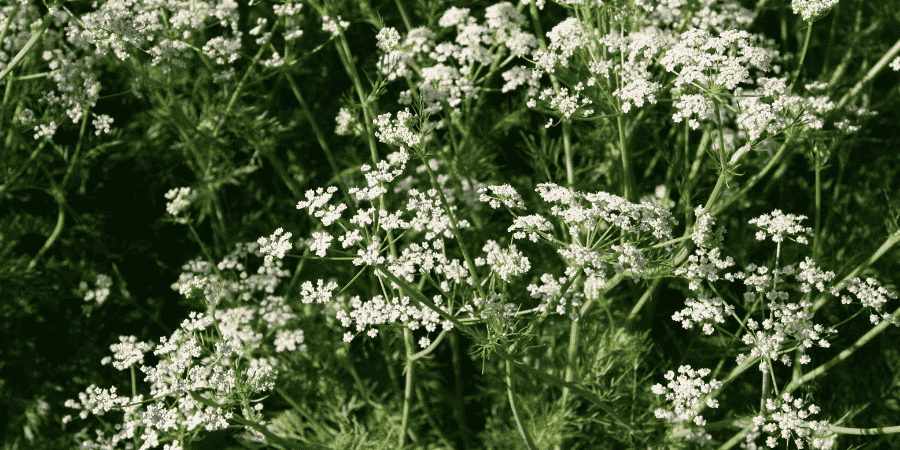
Caraway is a biennial herb with small white flowers. It’s known for its aromatic seeds.
- Uses: Can be used in breads, cheeses, and sauerkraut.
- Medicinal Benefits: Helps with digestion and reduces bloating.
- Growing Conditions: Prefers well-drained soil and full sun.
Caraway is a hardy herb grown in containers or garden beds.
16. White Sage
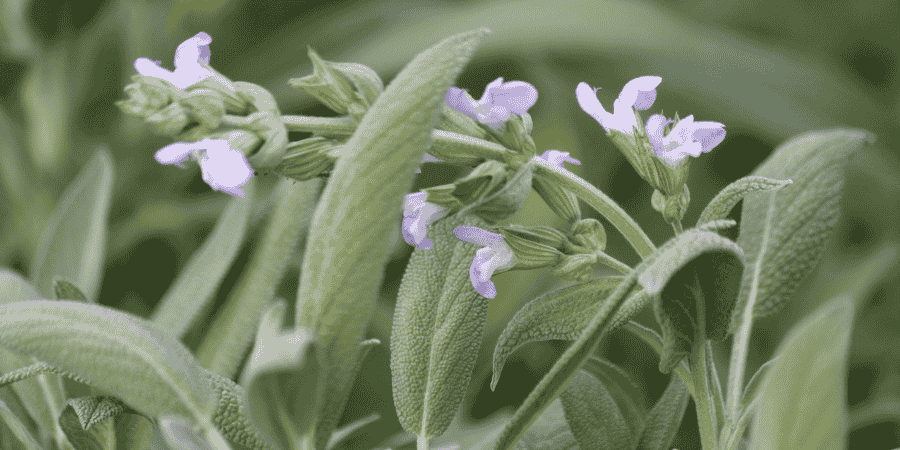
White Sage is a sacred herb with white flowers. It’s known for its purifying properties.
- Uses: Commonly used in smudging and cleansing rituals.
- Medicinal Benefits: It has antimicrobial and anti-inflammatory properties.
- Growing Conditions: Thrives in well-drained soil and full sun.
White Sage is a perennial herb that can be grown in containers or directly in the garden.
17. Feverfew
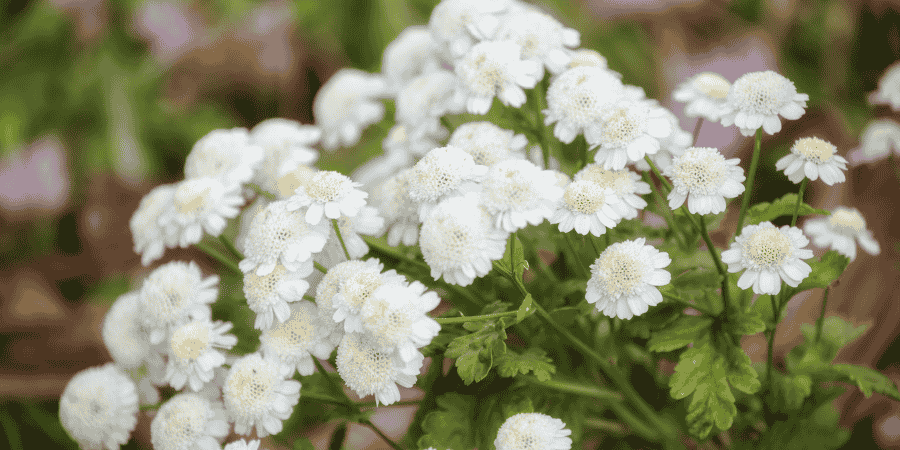
Feverfew is a medicinal herb with white daisy-like flowers. It’s known for its headache-relieving properties.
- Uses: Can be used in teas and tinctures.
- Medicinal Benefits: Helps with migraines and inflammation.
- Growing Conditions: Prefers well-drained soil and full sun.
Feverfew is a perennial herb grown in containers or garden beds.
18. Chickweed
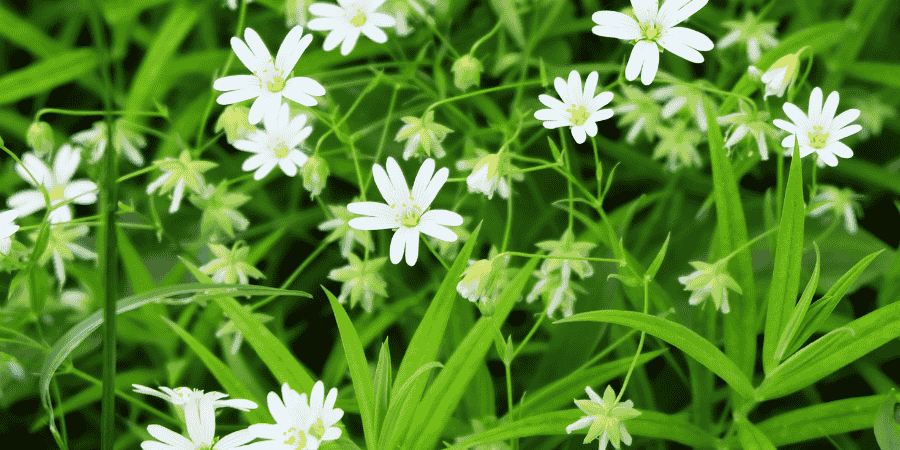
Chickweed is a common herb with small white flowers. It’s known for its nutritional and medicinal benefits.
- Uses: Can be used in salads, soups, and poultices.
- Medicinal Benefits: Helps with skin conditions and inflammation.
- Growing Conditions: Thrives in moist, shaded areas.
Chickweed is an annual herb that can be grown in containers or directly in the garden.
Growing Conditions
Herbs with white flowers add elegance to any garden. They are not just beautiful; they also have culinary and medicinal uses. Understanding the growing conditions for these herbs is essential for healthy growth and bountiful harvests.
Soil Requirements
Growing herbs with white flowers requires specific soil conditions. The soil should be well-drained to prevent waterlogging, which can harm the plant roots. Loamy soil is ideal, as it balances moisture retention and drainage. If the soil is too sandy, it may need organic matter to improve its texture and nutrient content.
Here are some key points for soil requirements:
- Soil pH: Most herbs prefer a slightly alkaline to neutral pH (6.0-7.5).
- Nutrients: Ensure the soil is rich in organic matter. Compost can be added to improve fertility.
- Texture: A sand, silt, and clay mix helps proper root development.
Here’s a quick look at the soil requirements for some popular herbs with white flowers:
| Herb | Preferred Soil Type | pH Range |
| Thyme | Well-drained, sandy | 6.0 – 8.0 |
| Oregano | Loamy, well-drained | 6.0 – 8.0 |
| Chamomile | Slightly acidic to neutral | 5.6 – 7.5 |
Light Preferences
Light is crucial for the growth of herbs with white flowers. Full sun is generally preferred, meaning at least six to eight hours of direct sunlight daily. This ensures the plants develop strong stems and vibrant flowers.
Let’s break down the light preferences:
- Full Sun: Most herbs, such as thyme and Oregano, thrive in full sun.
- Partial Shade: Some herbs, like Chamomile, can tolerate partial shade, especially in hot climates.
Consider these light requirements for specific herbs:
| Herb | Light Requirement | Notes |
| Thyme | Full Sun | It needs at least 6 hours of sunlight |
| Oregano | Full Sun | Thrives best with 6-8 hours of sunlight |
| Chamomile | Partial Shade | Can tolerate some shade, especially in hot climates |
Ensuring your herbs get the right light will produce robust plants with plenty of white flowers.
Harvesting Techniques
Herbs with white flowers are not only beautiful but also highly useful. These herbs can be used in cooking, medicine, and even for decorative purposes. Knowing the right harvesting techniques ensures you get these herbs’ best quality and potency. This guide will help you understand when and how to harvest these precious herbs effectively.
Best Time To Harvest
Harvesting herbs with white flowers requires precise timing. The best time to harvest these herbs is in the morning after the dew has dried but before the day’s heat. This is when the essential oils in the herbs are most potent. Always aim to harvest on a dry day to prevent mold and mildew.
General guidelines for harvesting:
- Harvest leaves and flowers before the plant blooms fully.
- Use sharp scissors or pruning shears to avoid damaging the plant.
- Leave at least one-third of the plant intact to ensure regrowth.
Table for specific herbs:
| Herb | Best Harvest Time |
| Thyme | Early morning before flowering |
| Rosemary | Late morning, after the dew has dried |
| Sage | Before noon, before full bloom |
Regularly check your herbs to determine the best harvesting moment. Pinch off the leaves or flowers gently. This will ensure continuous growth throughout the season. Avoid harvesting during wet conditions to maintain the quality of your herbs.
Preservation Methods
Once you have harvested your herbs, proper preservation is crucial to maintain their quality and potency. Drying and freezing are the most common methods. Each method has its benefits and processes.
Drying herbs:
- Bundle herbs in small bunches.
- Hang them upside down in a dark, well-ventilated area.
- Ensure the bundles are not too tight to allow air circulation.
- Herbs are ready when they crumble easily.
Freezing herbs:
- Wash and dry the herbs thoroughly.
- Chop them into small pieces.
- Place chopped herbs in ice cube trays and cover them with water or olive oil.
- Freeze and store the herb cubes in airtight containers.
Comparing drying and freezing:
| Method | Pros | Cons |
| Drying | Retains flavor, easy to store | Can lose some potency, longer process |
| Freezing | Retains color and flavor, quick process | Requires freezer space, needs airtight storage |
Choose the preservation method that suits your needs best. Both methods will ensure you enjoy the flavor and benefits of your herbs long after the harvest season.
Pests and Diseases
Herbs with white flowers add beauty to any garden. But they can fall prey to various pests and diseases. Keeping these plants healthy requires understanding common pests and how to manage diseases. Read on to learn more about protecting your herbs with white flowers.
Common Pests
Herbs with white flowers can attract several pests. Knowing these pests helps in taking prompt action.
Here are some of the most common pests:
- Aphids: These tiny insects suck sap from the plants, causing leaves to curl and yellow.
- Spider Mites are small but can cause significant damage by feeding on the plant’s sap.
- Whiteflies: These small white pests fly around the plants, causing leaves to wilt and turn yellow.
- Caterpillars: They chew on leaves and can defoliate a plant quickly.
- Snails and Slugs: These pests leave holes in leaves and can particularly damage young plants.
To control these pests, consider the following methods:
- Handpicking: Remove visible pests by hand.
- Neem Oil: Spraying neem oil can deter many pests.
- Insecticidal Soap: Use insecticidal soap to kill soft-bodied insects like aphids and whiteflies.
- Beneficial Insects: Introduce ladybugs or predatory mites to control pest populations naturally.
- Barriers: Use copper tape or diatomaceous earth to keep snails and slugs away.
Disease Management
Herbs with white flowers can suffer from various diseases. Managing these diseases is crucial for plant health.
Here are some common diseases:
- Powdery Mildew: This fungal disease appears as white powder on leaves and stems.
- Downy Mildew: This disease causes yellow or white patches on the upper leaf surface, with a fluffy growth underneath.
- Root Rot: Overwatering can cause the roots to rot, leading to plant wilting and death.
- Leaf Spot: These are dark spots on leaves caused by various fungi.
- Rust: This fungal disease causes orange or reddish spots on leaves.
To manage these diseases, follow these steps:
- Proper Watering: Water plants at the base to avoid wetting the foliage.
- Good Air Circulation: Space plants properly to ensure good airflow.
- Remove Infected Parts: Trim and dispose of infected leaves and stems immediately.
- Fungicides: Use organic fungicides like sulfur or copper-based products.
- Rotate Crops: Avoid planting the same herbs in the same spot year after year.
With these practices, you can keep your herbs with white flowers healthy and disease-free.
Companion Planting
Companion planting is a method of growing different plants together. It helps them thrive and avoid pests. Herbs with white flowers are beautiful and useful in the garden. They attract beneficial insects and improve soil health. Let’s explore how to use these herbs for companion planting.
Beneficial Pairings
Herbs with white flowers can pair well with many plants. These pairings help both plants grow better. Here are some examples:
- Chamomile – Chamomile grows well with cabbage. It keeps pests away and improves the flavor of cabbage.
- Yarrow – Yarrow attracts ladybugs and spiders. These insects eat pests like aphids. Plant yarrow with tomatoes for best results.
- Sweet Alyssum – Sweet Alyssum attracts hoverflies. Hoverflies eat aphids. Grow sweet alyssum near lettuce to protect it from pests.
Incorporate herbs with white flowers in your garden. They improve the health of their companions. Here is a quick reference table:
| Herb | Companion Plant | Benefit |
| Chamomile | Cabbage | Keeps pests away, improves flavor |
| Yarrow | Tomatoes | Attracts pest-eating insects |
| Sweet Alyssum | Lettuce | Attracts hoverflies to eat aphids |
Avoiding Conflicts
Not all plants get along well. Some combinations can harm each other. Avoid planting herbs with white flowers with these plants:
- Fennel – Fennel inhibits the growth of other plants. Keep it away from herbs with white flowers.
- Carrots – Carrots and dill do not grow well together. Dill is an herb with white flowers. Avoid planting them together.
- Rue – Rue can harm basil. Basil sometimes has white flowers. Keep them separate in the garden.
Understanding these conflicts helps your garden thrive. Here is a table for easy reference:
| Herb | Plant to Avoid | Reason |
| Fennel | All herbs with white flowers | Inhibits growth |
| Dill | Carrots | They do not grow well together |
| Rue | Basil | Can harm basil |
Keep these tips in mind for a healthy garden. Your herbs with white flowers will flourish.
Environmental Benefits
Herbs with white flowers are beautiful and offer significant environmental benefits. These herbs play a crucial role in maintaining a balanced ecosystem. They help attract pollinators, improve soil health, and enhance biodiversity. Let’s delve into the specific environmental benefits of these charming herbs.
Pollinator Attraction
Herbs with white flowers are excellent at attracting pollinators. This is because their bright white color stands out in the garden, making them easy for bees, butterflies, and other pollinators to find. These pollinators are vital for the reproduction of plants and the production of fruits and seeds. Having these herbs in your garden supports the local pollinator population, which is crucial for a healthy ecosystem.
Here are some herbs with white flowers that attract pollinators:
- Chamomile: Its small, white flowers are a favorite among bees.
- Yarrow: This herb has clusters of tiny white flowers that attract butterflies.
- Thyme: The white flowers of thyme are loved by bees and other beneficial insects.
By planting these herbs, you create a welcoming environment for pollinators. This helps to ensure that your garden and surrounding areas thrive. It also supports the ecosystem’s overall health by promoting plant diversity and fruit production.
Soil Health Improvement
Herbs with white flowers contribute to soil health in various ways. They often have deep root systems that help to aerate the soil and improve its structure. This allows water and nutrients to penetrate more deeply, benefiting all plants in the area.
These herbs also add organic matter to the soil as they decompose. This organic matter improves soil fertility and helps to retain moisture, reducing the need for frequent watering. Here are some examples:
- Comfrey: Its deep roots bring up nutrients from the subsoil, enriching the topsoil.
- Garlic Chives: These herbs have white flowers and improve soil structure.
- Sweet Alyssum: This herb’s flowers attract beneficial insects that help with pest control.
A healthy soil ecosystem is vital for plant growth. By planting herbs with white flowers, you contribute to this ecosystem. This makes your garden more resilient and productive.
Sustainability Practices
Herbs with white flowers add beauty to your garden and support sustainability. Adopting sustainable practices ensures these herbs thrive while preserving the environment. Let’s explore how organic growing and seed-saving techniques can help you cultivate these lovely herbs responsibly.
Organic Growing
Organic growing involves nurturing herbs without synthetic chemicals, promoting a healthier ecosystem. Avoiding pesticides and fertilizers protects beneficial insects and soil health. Follow these steps for successful organic growing:
- Soil Preparation: Enrich the soil with compost and organic matter.
- Watering: Use rainwater or recycled water to minimize resource use.
- Pest Control: Introduce natural predators like ladybugs to manage pests.
Avoiding chemicals ensures herbs are safe for consumption. Here’s a quick guide to organic fertilizers:
| Type | Benefits |
| Compost | Improves soil structure and nutrient content |
| Bone Meal | Provides phosphorus for root development |
| Fish Emulsion | Rich in nitrogen for leafy growth |
Companion planting is another organic method. Planting herbs like basil near white-flowered herbs repels pests. This method reduces the need for chemical interventions.
Seed Saving Techniques
Saving seeds from your white-flowered herbs promotes biodiversity and sustainability. Collecting seeds allows you to grow new plants without buying new seeds. Follow these steps for effective seed saving:
- Identify Mature Seeds: Wait for flowers to fade and seed pods to form.
- Harvesting: Collect seeds on dry, sunny days to prevent mold.
- Cleaning: Remove debris and ensure seeds are completely dry.
- Storage: Store in labeled envelopes in a cool, dry place.
Here’s a simple table for seed-saving tips:
| Herb | Seed Harvest Time | Storage Duration |
| Thyme | Late Summer | 3-4 Years |
| Chamomile | Early Fall | 2-3 Years |
| Oregano | Mid-Summer | 2 Years |
Labeling your seeds ensures you remember their type and harvest date. This practice helps maintain a thriving garden year after year.
Seasonal Care
Herbs with white flowers add a touch of elegance to any garden. You need to focus on seasonal care to keep them thriving throughout the year. Proper care during different seasons ensures your herbs remain healthy and beautiful.
Winter Protection
Winter can be harsh on herbs with white flowers. Cold temperatures and frost can damage delicate plants. Protecting them during this season is crucial.
Here are some tips for winter protection:
- Mulching: Apply a thick layer of mulch around the base of the plants. It helps insulate the roots and maintain moisture.
- Covering: Use garden fleece or burlap to cover the herbs. This shields them from frost and cold winds.
- Watering: Water the herbs sparingly during winter. Overwatering can lead to root rot.
- Indoor Care: Bring potted herbs indoors. Place them near a sunny window where they can get light.
Herbs that need extra winter protection:
| Herb | Protection Needed |
| Rosemary | Mulch and indoor care |
| Thyme | Mulch and covering |
| Lavender | Mulch and minimal watering |
Following these steps will ensure your herbs survive the winter and bloom beautifully in spring.
Spring Growth
Spring is the time for renewal and growth. Herbs with white flowers need special care during this season to flourish.
Steps to promote spring growth:
- Pruning: Trim back any dead or damaged parts. This encourages new growth and keeps the plant healthy.
- Fertilizing: Use a balanced, organic fertilizer. It provides essential nutrients for robust growth.
- Watering: Increase watering frequency as the weather warms. Ensure the soil remains moist but not soggy.
- Sunlight: Place the herbs in a sunny spot. They need at least 6 hours of sunlight daily.
Ideal spring care routine:
| Herb | Care Routine |
| Sage | Pruning and fertilizing |
| Chamomile | Watering and sunlight |
| Mint | Pruning and regular watering |
By following these care routines, your herbs with white flowers will thrive and add beauty to your garden all spring.
Popular Varieties
Herbs with white flowers are not only beautiful but also highly beneficial. They add charm to any garden while offering various uses, from culinary to medicinal. Among these, some varieties stand out for their popularity and unique properties. Let’s explore a couple of the most popular varieties of herbs with white flowers.
Chamomile
Chamomile is one of the most well-known herbs with white flowers. Its delicate blooms and soothing properties make it a favorite. Chamomile is often used in teas, which can help with sleep and relaxation.
Here are some key features of Chamomile:
- Scientific Name: Matricaria chamomilla
- Bloom Time: Late spring to early summer
- Height: 12 to 24 inches
- Sunlight: Full sun to partial shade
Chamomile’s white petals and yellow centers are not just pretty. They offer several health benefits:
- Reduces Stress: Chamomile tea can calm nerves and reduce anxiety.
- Aids Digestion: It can soothe stomach aches and improve digestion.
- Improves Sleep: Drinking chamomile tea before bed can help you sleep better.
This herb is easy to grow and maintain. It thrives in well-drained soil and requires moderate watering. Chamomile can also attract beneficial insects to your garden, making it an excellent addition to any herb garden.
Anise Hyssop
Anise Hyssop is a versatile herb known for its fragrant leaves and lovely white flowers. It belongs to the mint family and is cherished for its licorice-like flavor. Anise Hyssop can be used in cooking and as an herbal remedy.
Key characteristics of Anise Hyssop include:
- Scientific Name: Agastache foeniculum
- Bloom Time: Mid to late summer
- Height: 2 to 4 feet
- Sunlight: Full sun to partial shade
Anise Hyssop offers several benefits:
- Enhances Flavor: Its leaves can flavor teas, salads, and desserts.
- Medicinal Uses: It has anti-inflammatory and antimicrobial properties.
- Pollinator Friendly: Attracts bees, butterflies, and hummingbirds.
This herb is easy to care for. It prefers well-drained soil and regular watering. Anise Hyssop can also tolerate drought conditions, making it a resilient plant in any garden.
Frequently Asked Questions
What Herbs Have White Flowers?
Some herbs with white flowers include Chamomile, yarrow, and cilantro.
Are White Flowering Herbs Rare?
No, many common herbs produce white flowers, adding beauty and utility to gardens.
Which Herb Has White Medicinal Flowers?
Yarrow is known for its white flowers and medicinal properties.
Can Cilantro Have White Flowers?
Yes, cilantro can produce delicate white flowers when it bolts.
What White Flower Herbs Attract Bees?
White-flowering herbs like Chamomile and yarrow attract bees and other pollinators.
How Do You Grow White Flower Herbs?
Plants in well-drained soil provide adequate sunlight and water regularly.
Do White Flower Herbs Need Full Sun?
Most white-flowering herbs thrive in full sun but can tolerate partial shade.
Conclusion
White-flowered herbs add beauty and functionality to gardens. They offer medicinal, culinary, and aromatic benefits. Growing them is easy and rewarding. Enhance your garden with these stunning, versatile plants. Enjoy their beauty and benefits year-round. Discover the joy of cultivating white-flowered herbs today.
Your garden will thank you.