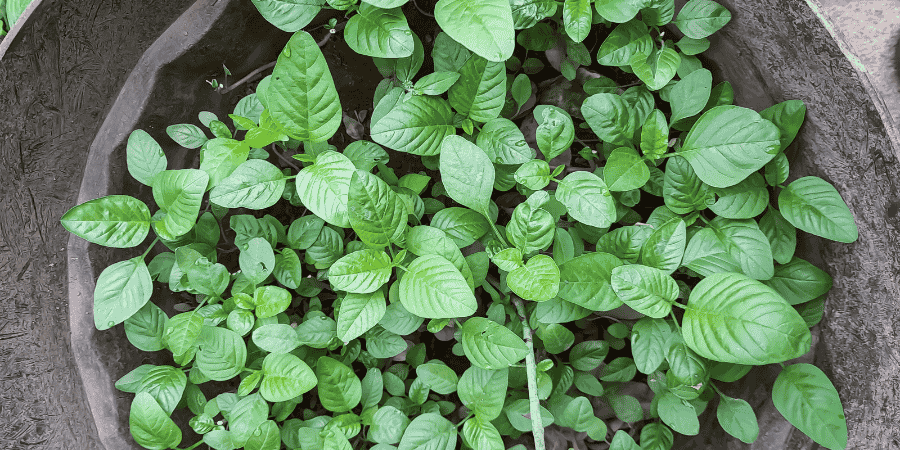
Growing water spinach from seeds is easy and rewarding. It doesn’t need much space.
Water spinach, known as kangkong, is a famous leafy green in many cuisines. It’s rich in nutrients and proliferates. Starting from seed is a great way to enjoy fresh, homegrown greens. With some simple steps, you can have a thriving water spinach garden.
This plant is perfect for any backyard or tiny balcony. Learn how to grow water spinach from seeds and enjoy fresh greens at home.
How to Grow Water Spinach From Seeds
Growing water spinach from seeds starts with choosing the right seeds. This is the first and most crucial step for a successful harvest. The quality of the seeds will determine your plants’ growth, yield, and overall health. Let’s dive into the different types of water spinach seeds and where you can buy them.
Choose the Right Types Of Water Spinach Seeds
Water spinach, known as kangkong or morning glory, comes in various types. Each type has unique characteristics. Here are the main types you can consider:
- Upland Water Spinach: This type grows well in drier soils. It’s ideal for garden beds and containers. The leaves are broad, and the stems are thick.
- Lowland Water Spinach prefers wet, marshy areas. It is often grown in flooded fields or along riverbanks. The stems are more tender and succulent.
- Thai Water Spinach: Known for its long, slender leaves. It is popular in Southeast Asian cuisine.
- Chinese Water Spinach: Characterized by its hollow stems. It’s crunchy and often used in stir-fry dishes.
Choosing the right type depends on your growing conditions and culinary preferences. If you have a dry garden, opt for upland varieties. Lowland types are better for wet areas.
Where To Buy Spinach Seeds
Finding quality water spinach seeds is crucial. Here are some reliable sources to consider:
- Local Nurseries: Many local nurseries carry water spinach seeds. Visit your nearest nursery and ask for their recommendations.
- Online Seed Stores: Websites like Amazon, eBay, and specialty gardening sites offer a wide range of water spinach seeds. Read reviews and check ratings before purchasing.
- Asian Grocery Stores: Asian grocery stores often sell water spinach seeds. They cater to specific regional varieties that might not be available elsewhere.
- Community Seed Swaps: Join local gardening clubs or online forums. Participate in seed swaps to get unique and tested seeds from fellow gardeners.
| Source | Pros | Cons |
| Local Nurseries | Trusted quality, expert advice | Limited variety |
| Online Seed Stores | Wide selection, convenience | Shipping time, possible scams |
| Asian Grocery Stores | Specialty varieties, cultural authenticity | It may not always be available |
| Community Seed Swaps | Unique varieties, free or low-cost | Varied quality, limited quantity |
You’re ready to start planting once you’ve chosen and sourced your seeds. Remember, healthy seeds lead to healthy plants. Happy gardening!
Preparing The Soil for Water Spinach
Growing water spinach from seeds can be a rewarding experience. This leafy green vegetable, kangkong, thrives in warm climates and moist soil. Proper soil preparation sets the foundation for healthy growth and robust plants, ensuring a bountiful harvest.
Soil Type Selection
Choosing the right soil type is essential for water spinach. This plant prefers soil that retains moisture but drains well. Here are a few key points to consider:
- Loamy Soil: Loamy soil is ideal for water spinach. It retains moisture yet drains well, preventing waterlogging.
- pH Levels: Water spinach thrives in slightly acidic to neutral soil, ranging from 6.0 to 7.0.
- Organic Matter: Soil rich in organic matter supports better growth. Compost or well-rotted manure can enhance soil structure.
It’s also helpful to conduct a soil test. This will provide insights into the soil’s pH and nutrient levels, allowing you to make informed decisions about soil amendments and fertilizers.
| Soil Type | Characteristics |
| Loamy Soil | Good moisture retention and drainage |
| Sandy Soil | Drains quickly may need more organic matter |
| Clay Soil | Retains moisture may require sand to improve drainage |
Soil Amendments
Amending the soil is crucial for providing the nutrients water spinach needs to thrive. Here are some helpful soil amendments:
- Compost: Adding compost improves soil structure and provides essential nutrients. It also helps retain moisture.
- Manure: Well-rotted manure is an excellent source of organic matter. It enriches the soil and promotes healthy plant growth.
- Peat Moss: Peat moss enhances soil aeration and moisture retention. It’s beneficial in sandy soils.
- Bone Meal: Bone meal is an excellent source of phosphorus. It encourages strong root development and flowering.
- Vermiculite: Vermiculite improves soil aeration and drainage. It’s useful for heavy clay soils.
Before planting, mix these amendments into the soil to a depth of 6-8 inches. This ensures the roots of water spinach can access the nutrients they need.
Regularly adding organic matter, such as compost or manure, helps maintain soil fertility. This practice supports continuous growth and high yields.
Planting Water Spinach Seeds
Growing water spinach from seeds can be a rewarding experience. This leafy green vegetable, kangkong, is popular in many Asian cuisines. Planting the seeds is the first step to enjoying freshwater spinach from your garden. Let’s explore the optimal planting time and techniques for a successful harvest.
Optimal Planting Time
Choosing the right time to plant water spinach seeds is crucial for healthy growth. Water spinach thrives in warm temperatures, so the best time to plant is during spring or early summer when the weather is consistently warm.
Here are some key points to consider:
- Temperature: Water spinach grows best in temperatures between 75°F and 85°F (24°C to 29°C).
- Frost-Free Period: Ensure there is no risk of frost, as it can damage young plants.
- Day Length: Longer daylight hours in spring and summer support better growth.
To help you plan, refer to this table for optimal planting times based on your region:
| Region | Optimal Planting Time |
| USDA Zones 9-11 | March to June |
| Tropical Regions | Year-round |
| Temperate Regions | Late Spring to Early Summer |
Planting during these optimal times gives your water spinach the best chance to thrive and produce a bountiful harvest.
Planting Techniques
Once you’ve determined the best time to plant, proper planting techniques are essential. This ensures that your water spinach seeds grow into healthy plants. Start by preparing the soil. Water spinach prefers well-drained, fertile soil. Enrich the soil with organic matter, such as compost or well-rotted manure.
Follow these steps for planting water spinach seeds:
- Sow Seeds: Plant seeds about 1/4 inch deep in the soil. Space them 2-3 inches apart.
- Watering: Keep the soil consistently moist. Water the seeds gently to avoid washing them away.
- Thinning: Once seedlings are about 2 inches tall, thin them 6-8 inches apart to ensure proper spacing.
Here are some additional tips for successful planting:
- Sunlight: Water spinach needs full sun for at least 6 hours daily.
- Mulching: Apply a layer of mulch around the plants to retain moisture and control weeds.
- Fertilizing: Use a balanced fertilizer every 4-6 weeks to promote growth.
With these planting techniques, you can look forward to a healthy and productive water spinach garden. Happy gardening!
Watering Practices
Water spinach, known as kangkong, is a popular leafy vegetable in many Asian cuisines. Growing water spinach from seeds is a rewarding experience, especially when you provide the proper care. One of the most crucial aspects is adequate watering. Knowing the exemplary watering practices ensures healthy growth and a bountiful harvest.
Irrigation Methods
Watering is vital for water spinach, as the plant thrives in moist conditions. There are several irrigation methods to choose from:
Manual Watering: This method uses a watering can or hose to water the plants directly. It’s suitable for small gardens or pots. Ensure the water reaches the roots.
Drip Irrigation: This method uses a system of tubes and emitters to deliver water directly to the plant roots. It is efficient and conserves water, ideal for more extensive gardens.
Overhead Sprinklers: Sprinklers distribute water evenly across the garden. They are easy to install and use. However, they may not be as efficient as drip irrigation.
Flood Irrigation: This traditional method involves flooding the entire bed with water. It’s effective for water spinach, which enjoys wet conditions. But, it can be wasteful if not appropriately managed.
Choosing the correct method depends on your garden size, water availability, and personal preference. Here’s a quick comparison:
| Method | Efficiency | Best For |
| Manual Watering | Moderate | Small Gardens |
| Drip Irrigation | High | Large Gardens |
| Overhead Sprinklers | Moderate | Medium to Large Gardens |
| Flood Irrigation | Low | Traditional Gardens |
Watering Frequency
Water spinach requires consistent moisture. Watering frequency depends on several factors, including weather, soil type, and growth stage.
Seedling Stage: Young water spinach plants need frequent watering. Water daily to keep the soil moist but not waterlogged.
Growth Stage: As plants grow, they can handle less frequent watering. Water every 2-3 days. Check the soil; if it feels dry an inch below the surface, it’s time to water.
Hot Weather: Increase watering frequency during hot and dry weather. Water spinach thrives in humid conditions. If needed, water twice a Day to ensure the soil remains moist.
Rainy Season: Reduce watering during rainy periods. Too much water can cause root rot. Ensure proper drainage to prevent waterlogging.
Here are some general guidelines:
- Morning Watering: Morning water helps plants absorb moisture before the Day’s heat.
- Consistent Schedule: Stick to a consistent watering schedule to avoid plant stress.
- Monitor Soil Moisture: Regularly check soil moisture levels to ensure the plants receive adequate water.
Remember, overwatering can be as harmful as underwatering. Adjust your watering practices based on the plant’s needs and environmental conditions.
Fertilization Tips for Water Spinach
Growing water spinach from seeds can be a rewarding experience. This leafy green, known as kangkong, thrives in warm climates and requires proper care to flourish. One crucial aspect of its growth is fertilization. Providing the right nutrients at the right time can significantly improve the quality and quantity of your harvest.
Best Fertilizers for Water Spinach
Water spinach benefits from a balanced fertilization plan. Here are some of the best fertilizers you can use to ensure healthy growth:
- Organic Compost: Rich in essential nutrients, organic compost improves soil structure and provides a slow-release source of nutrition.
- Fish Emulsion: This natural fertilizer is high in nitrogen, vital for leafy green growth.
- Seaweed Extract: Packed with micronutrients, seaweed extract promotes overall plant health and boosts disease resistance.
- Balanced NPK Fertilizer (10-10-10): This all-purpose fertilizer mixes nitrogen, phosphorus, and potassium, ensuring balanced growth.
Each of these fertilizers has unique benefits. For instance, organic compost improves soil health over time, while fish emulsion provides a quick nitrogen boost. Seaweed extract is excellent for micronutrient supply, and a balanced NPK fertilizer ensures all-around growth.
| Fertilizer Type | Primary Nutrients | Benefits |
| Organic Compost | Various | Improves soil structure, slow-release nutrients |
| Fish Emulsion | Nitrogen | Quick nitrogen boost |
| Seaweed Extract | Micronutrients | Boosts disease resistance |
| Balanced NPK (10-10-10) | N, P, K | Ensures all-around growth |
Application Methods
Applying fertilizer correctly is crucial for the healthy growth of water spinach. Here are some effective methods to ensure your plants get the nutrients they need:
- Top-Dressing: Spread the fertilizer evenly around the base of the plants. This method is suitable for granular fertilizers like compost and balanced NPK.
- Side-Dressing: Apply fertilizer in a band along the side of the plants. This method helps direct nutrients to the root zone.
- Foliar Feeding: Spray liquid fertilizers directly onto the leaves such as fish emulsion or seaweed extract. This method ensures quick nutrient uptake.
- Soil Drench: Mix liquid fertilizers with water and pour them at the base of the plants. This method is effective for deep nutrient absorption.
Here’s a simple guide to help you with the application:
- Top-Dressing:
- Apply every 4-6 weeks.
- Use 1-2 inches of compost or a handful of granular fertilizer per plant.
- Side-Dressing:
- Apply midway through the growing season.
- Use a small trench 3-4 inches from the plant base.
- Foliar Feeding:
- Apply every 2-3 weeks.
- Spray in the early morning or late afternoon to avoid leaf burn.
- Soil Drench:
- Apply every 3-4 weeks.
- Mix according to the product instructions.
Using the correct application method ensures your water spinach receives the nutrients it needs at each growth stage. Regular monitoring and adjusting your fertilization plan can lead to a bountiful and healthy harvest.
Pest Management
Growing water spinach from seeds can be a rewarding experience. Yet, managing pests is crucial for a healthy crop. Proper pest management ensures your plants thrive, leading to a bountiful harvest. Let’s explore common pests and natural remedies to keep your water spinach healthy.
Common Pests
Water spinach is prone to several pests. These pests can damage plants, reduce yield, and kill young plants. Knowing the common pests helps you take action early.
Here are some common pests to watch out for:
- Aphids: These tiny insects suck plant sap, causing leaves to curl and turn yellow.
- Spider Mites: These pests are hard to see but leave a fine webbing on leaves. They suck sap, leading to speckled leaves.
- Leaf Miners: These pests burrow into leaves, creating visible trails. They can weaken the plant.
- Whiteflies: Small, white-winged insects that fly up when disturbed. They suck sap, leading to weak plants.
A table summarizing these pests and their effects:
| Pest | Effect on Plants |
| Aphids | Curling and yellowing of leaves |
| Spider Mites | Speckled leaves, fine webbing |
| Leaf Miners | Visible trails on leaves weakened plants |
| Whiteflies | Weak plants, sap removal |
Natural Remedies
Using natural remedies can help manage pests without harmful chemicals. These methods are safe for you and the environment.
Some effective natural remedies include:
- Neem Oil: Neem oil is a natural insecticide. Mix it with water and spray it on plants. It disrupts pests’ life cycles.
- Garlic Spray: Blend garlic with water and a bit of soap. Spray it on the plants. The pungent smell repels many pests.
- Companion Planting: Planting certain plants like marigolds nearby can deter pests. Marigolds repel aphids and other insects.
- Manual Removal: For small infestations, manually remove pests by using a soft brush to knock them off the leaves.
Here’s a table summarizing natural remedies and their benefits:
| Remedy | Benefits |
| Neem Oil | Disrupts pest life cycle, natural insecticide |
| Garlic Spray | Repels pests with a pungent smell |
| Companion Planting | Deters pests, environmentally friendly |
| Manual Removal | Adequate for small infestations, no chemicals |
Using these natural methods can keep your water spinach healthy and pest-free. Regular monitoring and early action are essential to effective pest management.
Harvesting Techniques
Growing water spinach from seeds can be a rewarding experience. This leafy green is not only nutritious but also easy to grow. Once your plants are thriving, knowing the proper harvesting techniques is crucial. This ensures you get the best yield and maintain plant health for future harvests.
When To Harvest Water Spinach
Knowing when to harvest water spinach is essential for optimal flavor and tenderness. Harvesting too early or too late can affect the plant’s quality and yield.
Generally, water spinach is ready to harvest about 4-6 weeks after planting. Here are a few signs to look for:
- The stems should be about 12-18 inches long.
- The leaves should be vibrant green and tender.
- The plant should have multiple branches, indicating healthy growth.
Regular harvesting encourages continuous growth. Aim to harvest once a week during peak growing season. This keeps the plants from becoming too woody and ensures a steady supply of fresh greens.
Here is a table summarizing the critical indicators for harvesting:
| Indicator | Description |
| Stem Length | 12-18 inches |
| Leaf Color | Vibrant Green |
| Plant Structure | Multiple Branches |
How To Harvest Water Spinach
The proper technique to harvest water spinach ensures you get the best quality leaves and promotes healthy regrowth.
Follow these simple steps to harvest your water spinach:
- Use sharp scissors or pruning shears: Dull tools can damage the plant, affecting future growth.
- Cut above a node: Nodes are the points on the stem where leaves grow. Cutting above a node encourages new shoots to develop.
- Harvest in the morning: Early in the Day, the plants are most hydrated, making the leaves crisp and fresh.
- Avoid uprooting: Only cut the stems and leaves, leaving the roots intact for continuous growth.
Regularly harvesting the outer stems first keeps the plant producing. This method also allows the inner stems to mature, ensuring a consistent supply of water spinach.
Remember to wear gloves if you have sensitive skin, as the sap from the stems can sometimes irritate.
By following these harvesting techniques, you can enjoy fresh, homegrown water spinach throughout the growing season.
Storage Methods
Growing water spinach from seeds can be a rewarding experience, but ensuring the seeds remain viable until planting is crucial. Proper storage methods can help maintain seed quality and increase germination rates. Here, we will discuss the best practices for storing water spinach seeds for both short-term and long-term periods.
Short-term Storage
Aim to keep water spinach seeds in a cool, dry place for short-term storage. This will help maintain their viability for several months. Follow these steps for optimal short-term storage:
- Drying: Ensure seeds are dehydrated before storing. Moisture can cause mold and reduce seed viability.
- Containers: Use airtight containers to prevent moisture from entering. Glass jars with tight lids or resealable plastic bags are good options.
- Location: Store the containers in a dark, cool place. A pantry or a drawer away from direct sunlight works well.
- Labeling: Label the containers with the date of storage and type of seeds. This helps keep track of the seeds’ age.
Here is a quick reference table for short-term storage:
| Step | Description |
| Drying | Ensure seeds are dehydrated |
| Containers | Use airtight containers |
| Location | Store in a dark, cool place |
| Labeling | Label with date and seed type |
Following these steps will help keep your water spinach seeds viable for planting within a few months.
Long-term Storage
If you need to store water spinach seeds for more than a year, use long-term storage methods to maintain their viability. Here are the key steps:
- Drying: Ensure seeds are thoroughly dried. Use silica gel packets to absorb any remaining moisture.
- Freezing: Store seeds in a freezer-safe container. Freezing stops metabolic activity and preserves seeds longer.
- Vacuum Sealing: Use a vacuum sealer to remove air from the container. This prevents moisture and air from degrading the seeds.
- Labeling: Clearly label the containers with the date of storage and seed type.
Here is a detailed table for long-term storage:
| Step | Description |
| Drying | Ensure seeds are thoroughly dry; use silica gel |
| Freezing | Store in a freezer-safe container |
| Vacuum Sealing | Remove air from the container |
| Labeling | Label with date and seed type |
Following these steps, you can ensure your water spinach seeds remain viable for several years, making it easier to plant them when ready.
Frequently Asked Questions
What Is The Best Time To Plant Water Spinach Seeds?
The best time to plant water spinach seeds is in late spring. The soil should be warm, around 70°F.
How Often Should You Water Water Spinach?
Water water spinach regularly to keep the soil moist. Avoid waterlogging as it can harm the plants.
How Long Does Water Spinach Take To Grow?
Water spinach matures in 4 to 6 weeks. Harvest when the stems are tender and 12 inches long.
What Type Of Soil Is Best For Water Spinach?
Water spinach thrives in well-drained, fertile soil with a pH between 6. 5 and 7. 5.
Conclusion
Growing water spinach from seeds is simple and rewarding. Follow the steps. Prepare the soil well. Plant the seeds carefully. Water them regularly. Watch the plants grow and thrive. Enjoy fresh water spinach at home. Share this guide with friends.
Happy gardening!