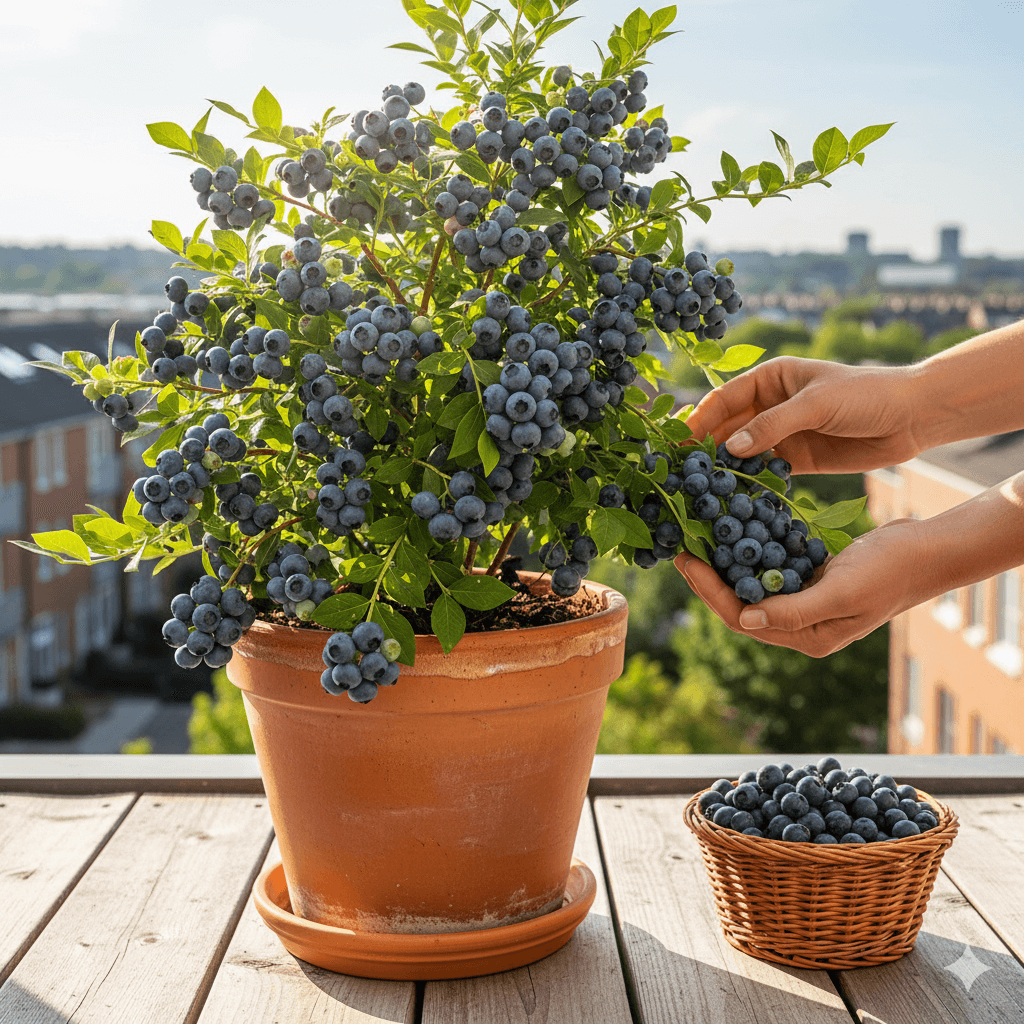
Blueberries are one of the easiest and most rewarding fruits to grow — even if you don’t have a backyard. Whether you live in a small apartment, a tropical climate, or want to grow fresh fruit on your patio, growing blueberries in pots is a game-changer.
This complete guide walks you through everything from choosing the right blueberry variety to managing soil pH, watering, fertilizing, and troubleshooting — so you can grow lush, fruitful blueberry bushes right in your home.
🌿 Why Grow Blueberries in Pots?
Growing blueberries in containers is not only practical but also strategic. Container gardening offers incredible flexibility — you can grow blueberries almost anywhere, even in small urban settings.
Gardeners in New York City and London have proven that a few pots can yield pounds of blueberries every summer. Growing in pots also helps you control soil pH, drainage, and exposure to sunlight — key factors that blueberries need.
Plus, pots prevent root spread, which can make blueberry bushes more productive in the long run.
Benefits of Container Gardening
- Space-saving: Ideal for city apartments, balconies, or rooftop gardens. For example, Maria from Miami grows 5 blueberry plants on her 100 sq ft terrace and harvests over 6-8 lbs per season.
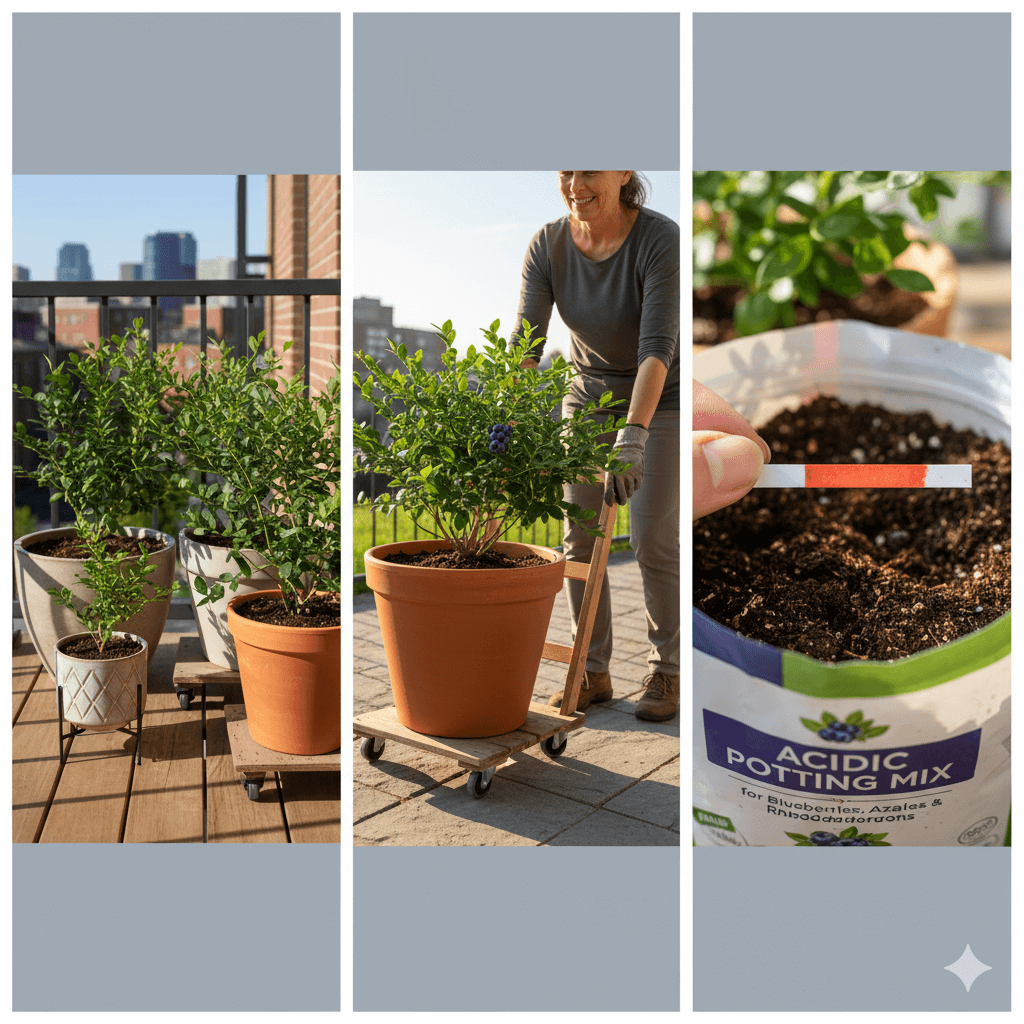
- Soil control: You can easily maintain acidic soil (pH 4.5–5.5), essential for blueberries. A gardener in London, UK, uses a peat-based container mix to overcome naturally alkaline garden soil.
- Mobility: Move pots to chase sunlight or protect them from frost. In Toronto, Canada, gardeners shift their pots indoors during winter nights.
- Reduced weeds and pests: Fewer weeds compete for nutrients, and container positioning can deter pests.
💡 Pro tip: Container-grown blueberries often fruit faster than ground-planted ones because their soil warms earlier in spring.
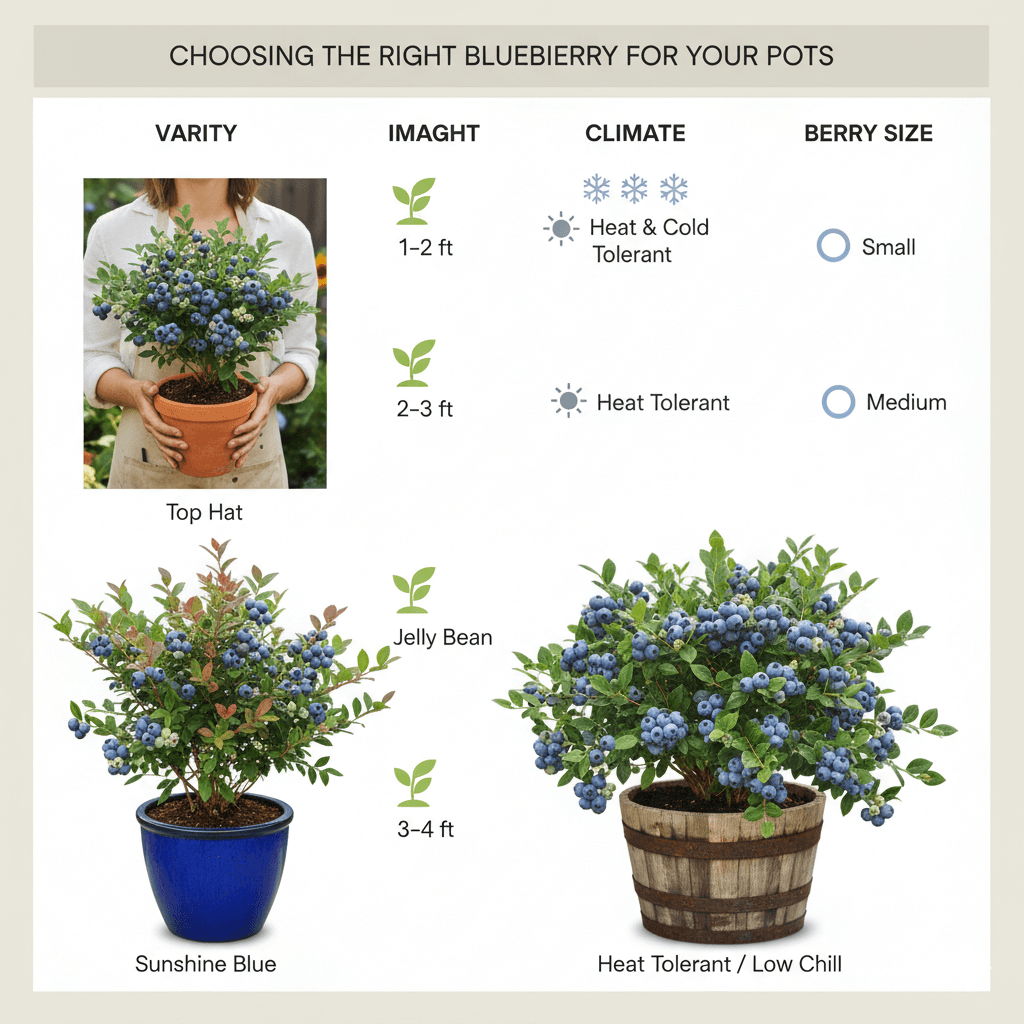
Selecting the right variety can determine your success. Dwarf or compact cultivars work best in containers.
Not all blueberries thrive in pots — choosing the right variety can make or break your harvest. Dwarf and half-high types are best.
For example, ‘Top Hat’ and ‘Jelly Bean’ are perfect for small containers, while ‘Sunshine Blue’ thrives in warmer climates like California and Florida.
Gardeners in the UK often prefer ‘Bluecrop’ for its adaptability to cooler summers. If you live in a tropical area like an Asian country, look for heat-tolerant varieties developed for southern climates.
Top Container-Friendly Varieties
| Variety | Type | Height | Real-World Example |
|---|---|---|---|
| ‘Top Hat’ | Dwarf | 1.5–2 ft | Susan in California grows it in a 16-inch pot on her balcony, harvesting 3–4 lbs per season. |
| ‘Sunshine Blue’ | Southern Highbush | 3–4 ft | Florida gardeners love it for heat tolerance and semi-evergreen leaves. |
| ‘Jelly Bean’ | Dwarf | 1–2 ft | Perfect for decorative pots; yields medium-sized, sweet berries. |
| ‘Patriot’ | Northern Highbush | 3–4 ft | Cold-hardy; thrives in Toronto rooftop gardens. |
| ‘Northsky’ | Half-High | 1–2 ft | Used in Canadian urban container setups; survives harsh winters with minimal care. |
🪴 Choosing the Right Pot
Blueberries have shallow, fibrous roots that thrive in wide, well-draining containers. Your pot choice is crucial for healthy roots.
Blueberries prefer deep containers — at least 18 inches wide and tall. Avoid metal pots (they heat up too fast) and choose ceramic, wood, or food-safe plastic.
In rainy climates, gardeners use fabric grow bags to improve drainage. If aesthetics matter, glazed pots look great on patios and protect roots from overheating.
- Size: 16–20 inches wide and deep.
- Upgrade: 24-inch pots after 2–3 years for mature plants.
- Real example: Raj from Dhaka, Bangladesh, uses fabric grow bags during the monsoon to prevent waterlogging and root rot.
Pot Materials
- Plastic or resin: Lightweight and affordable; used widely in city gardens.
- Ceramic/clay: Looks stylish but dries faster; ideal for rooftop patios.
- Fabric grow bags: Excellent for aeration; Maria in Miami swears by them for heat tolerance.
🌱 Soil Mix and pH Requirements
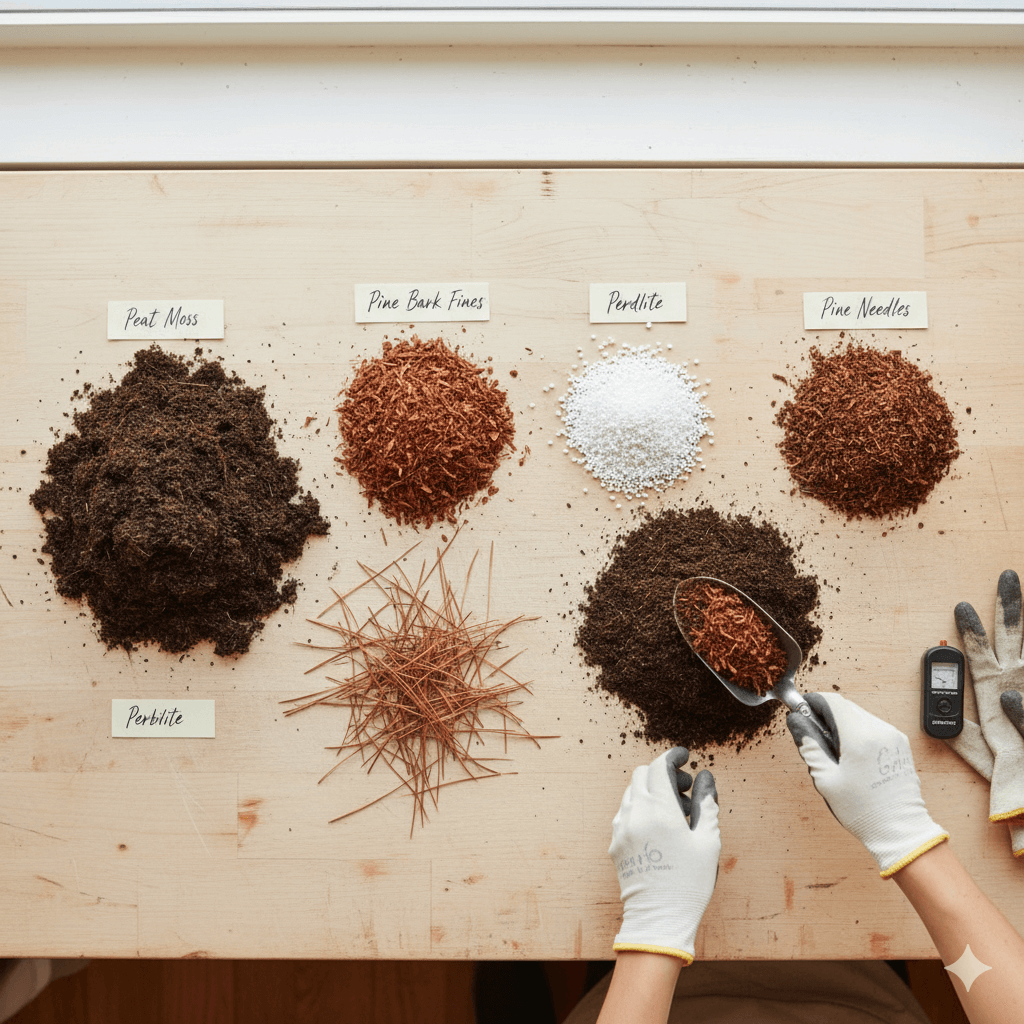
Blueberries are acid-loving plants, thriving in soil with a pH between 4.5 and 5.5. In alkaline regions like Florida, gardeners often mix peat moss, pine bark, and perlite for acidity and aeration. Avoid regular garden soil; it’s too dense and alkaline.
UK gardeners sometimes use ericaceous compost, while others rely on DIY blends with sulfur powder to maintain the pH. Always test your soil with a simple pH kit – before planting, blueberries are sensitive to even small changes.
DIY Acidic Soil Mix
- 40% peat moss or coco peat
- 30% pine bark fines
- 20% perlite
- 10% compost pine needles
💡 Real-world tweak: UK gardeners often replace peat with coir to reduce environmental impact while maintaining acidity. Florida gardeners add sulfur pellets to naturally alkaline soil.
Watering Blueberries in Pots
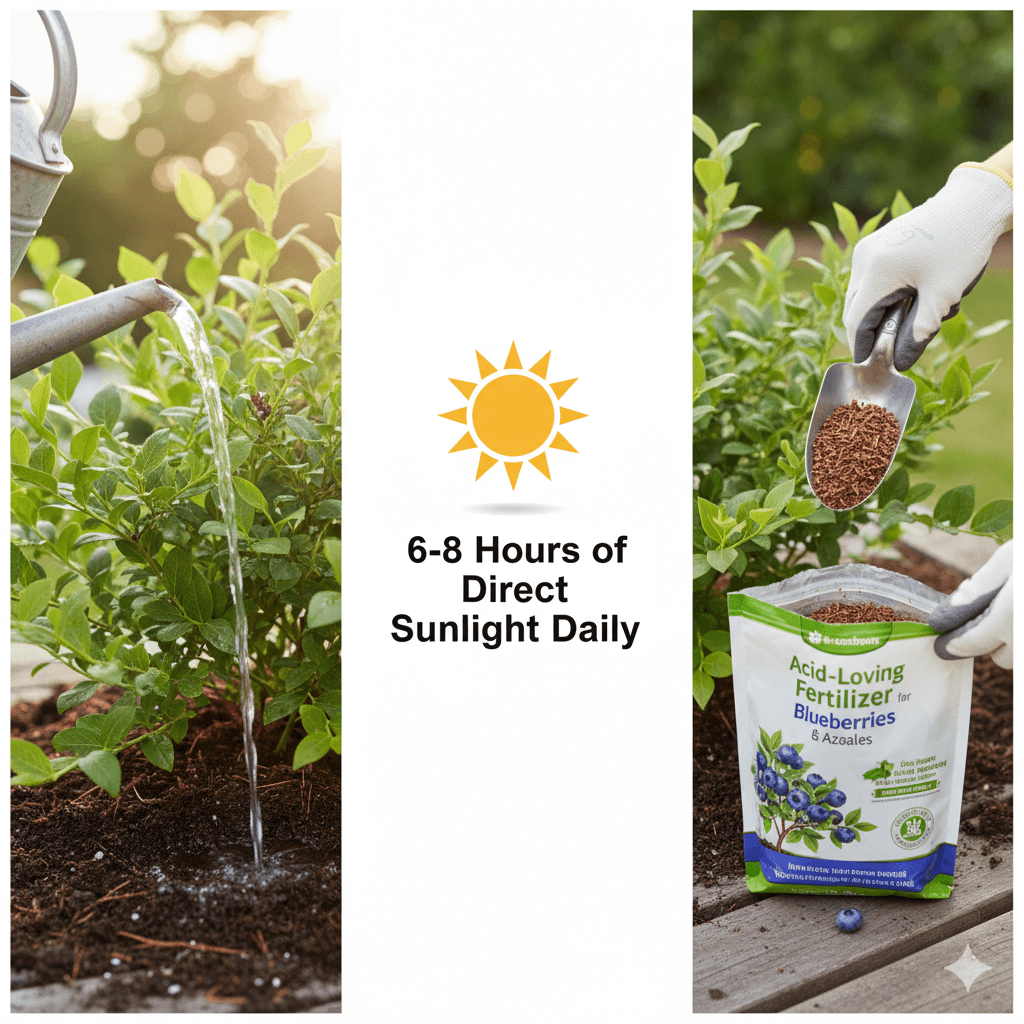
Container soil dries faster than garden soil, so watering is critical. Consistent moisture is key blueberries have shallow roots that dry out quickly.
Gardeners in hot areas like Arizona use drip irrigation systems to deliver steady moisture without waterlogging.
In cooler regions, water when the top inch of soil feels dry. Always use pots with drainage holes. Mulch with pine needles or bark chips to retain moisture and keep the soil acidic.
Watering Guidelines
- Water deeply 2–3 times per week in warm weather.
- Check the top 2 inches before watering to avoid overwatering.
- Reduce watering during winter.
Example: Ana in southern Spain uses drip irrigation on 6 pots, resulting in consistently plump berries without root rot.
🌤️ Light and Temperature Needs
Blueberries love sunlight, at least 6 to 8 hours daily. In colder areas like Canada, place pots against a south-facing wall for warmth.
In tropical climates, some gardeners use light shade cloth to protect plants from scorching midday heat. If winter drops below freezing, move pots to a garage or wrap them in insulating material to prevent root damage.
Climate Tips
- Cold regions: Move pots indoors or near walls to protect from frost. Toronto gardeners often wrap containers with burlap for insulation.
- Hot/tropical regions: Provide afternoon shade. In Bangkok, Thailand, balcony gardeners rotate pots to avoid leaf scorching.
💡 Tip: Blueberries also enjoy cool nights to enhance the sugar content in the fruit.
🌸 Fertilizing Potted Blueberries
Blueberries love acidic fertilizers but hate high nitrogen. Blueberries need acidic fertilizers* (like those for azaleas or rhododendrons) to thrive. Apply in early spring and again after harvest.
Avoid high-nitrogen fertilizers — they promote leaf growth over fruiting. A gardener in Texas improved yields by pruning back 25% of the old wood every winter. Pruning helps air circulation and increases berry size.
Fertilizer Tips
- Use azalea or rhododendron fertilizer.
- Feed every 4–6 weeks during spring and summer.
- Avoid overfeeding — too much nitrogen reduces fruiting.
Real example: John in California split-feeds his 4 balcony blueberries with a mix of slow-release and liquid fertilizer and saw a 15% increase in berry size.
🌼 Pollination and Fruit Production
Most blueberries are self-pollinating, but cross-pollination improves yield.
Example: A balcony garden in Miami with two varieties (‘Sunshine Blue’ + ‘Jelly Bean’) produced double the harvest compared to a single-variety setup.
💡 Tip: Bees are your allies — avoid spraying pesticides during bloom.
✂️ Pruning and Maintenance
Pruning boosts airflow, reduces disease, and improves fruit size.
Steps
- Remove dead/damaged branches in early spring.
- Thin crowded stems to let light in.
- Cut old stems post-harvest to encourage new growth.
Example: Michael in California prunes twice a year and reports larger, sweeter berries from container-grown plants.
Overwintering and Climate Adaptation
If you live in a cold climate (zones 4–6), overwinter your blueberry pots by moving them indoors or clustering them against a wall. Canadian gardeners often bury pots in mulch for insulation.
In tropical climates, focus on heat protection — adding reflective mulch or positioning pots where they get morning sun and afternoon shade.
Protect containers from root freeze:
- Move to an unheated garage or against a south-facing wall.
- Mulch with pine needles or straw.
- Water sparingly to prevent drying.
Example: Northern gardeners in Canada use insulated containers and overwintered plants produce larger fruit in the spring.
.
🪴 Repotting and Root Care
Blueberries outgrow pots every 2–3 years.
Signs of Repotting
- Water runs straight through.
- Roots circle the bottom.
- Reduced fruiting.
Steps
- Remove gently.
- Loosen roots.
- Replant in a larger pot with fresh acidic soil.
- Water thoroughly and mulch.
Example: Ana in Spain repotted her blueberry every 2 years and doubled her fruit yield in the third year.
🐛 Common Problems and Fixes
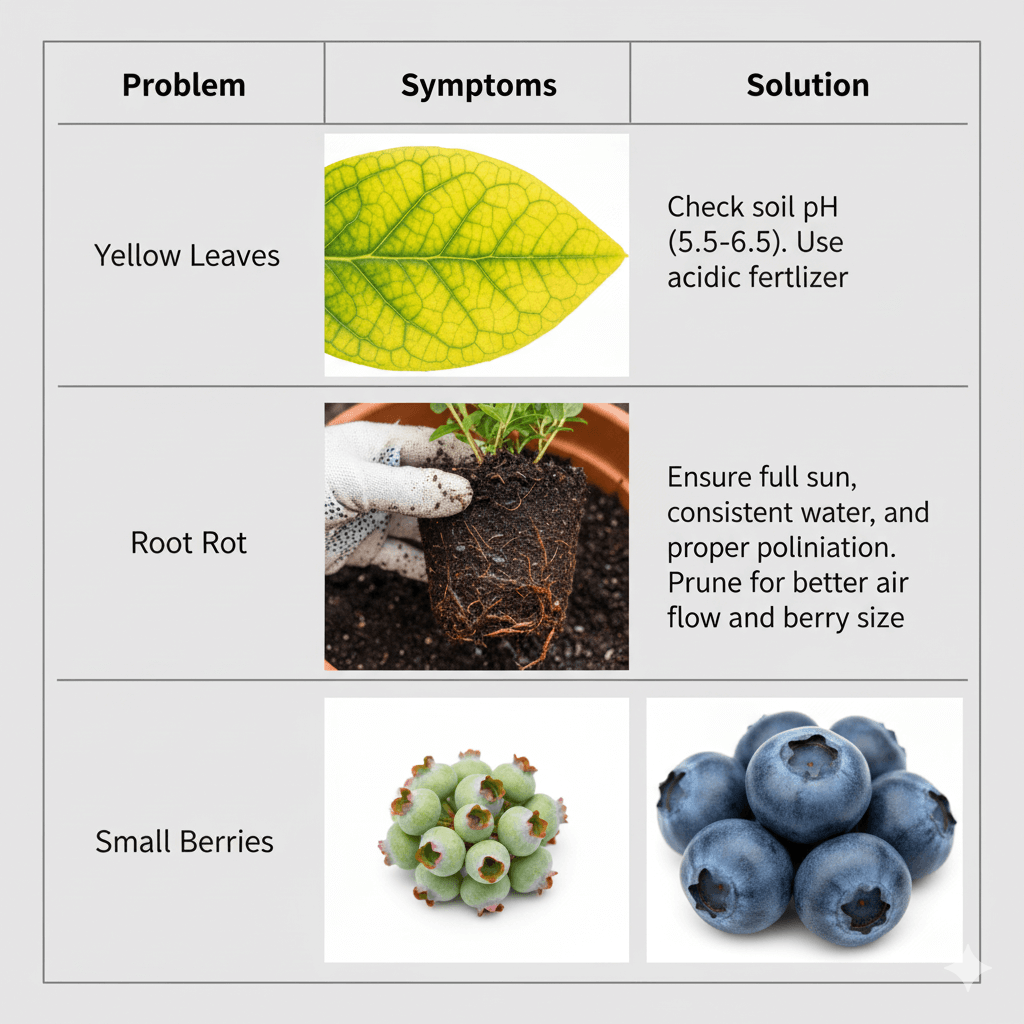
Even with good care, container blueberries can face issues like yellowing leaves, poor fruit set, or pests. Yellow leaves usually indicate high soil pH — test and correct with sulfur.
Lack of fruit can result from improper pruning or nutrient imbalance.
A gardener in Florida noticed improved yields after adding chelated iron to correct chlorosis. Pests like aphids or spider mites can be controlled with organic neem oil.
| Problem | Symptoms | Real-World Fix |
| Yellow leaves | Alkaline soil | UK gardener adds sulfur pellets |
| No fruit | Poor sunlight | Spain gardener adjusted the drip schedule |
| Wilting | Over/under-watering | The Spanish gardener adjusted the drip schedule |
| Small berries | Old stems | Dhaka gardener pruned old branches |
| Root rot | Soggy soil | Fabric pots and repotting solved issue |
🌦️ Growing Blueberries in Different Climates
Tropical/Subtropical (Bangladesh, Florida): Southern highbush varieties; afternoon shade; mulch for soil cooling.
Cold regions (Canada, Northern US): Northern Highbush or Half-High; insulated containers; winter protection.
Dry/Arid: Self-watering pots; perlite for moisture retention.
Example: A Toronto balcony gardener used winter wraps and half-high varieties to harvest berries in April.
🪞 Design Ideas for Blueberry Containers
Potted blueberries aren’t just productive — they can look stunning. Combine them with herbs or flowering plants for a decorative patio setup.
Many urban gardeners in Europe arrange different varieties in color-themed ceramic pots for visual appeal. Adding gravel mulch enhances presentation and helps with moisture retention.
- Pair blueberries with herbs like thyme or mint.
- Use colorful glazed pots for patios.
- Stagger different varieties for aesthetic appeal and continuous harvest.
Example: Maria in Miami arranged 5 varieties in color-coded containers for a year-round balcony display.
🧪 Bonus: DIY Soil pH Test
- Take 2 tablespoons of soil, add ½ cup of vinegar.
- Fizzing = alkaline → add sulfur or peat moss.
Example: John in California saved a struggling plant using this DIY test.
Harvesting and Long-Term Care
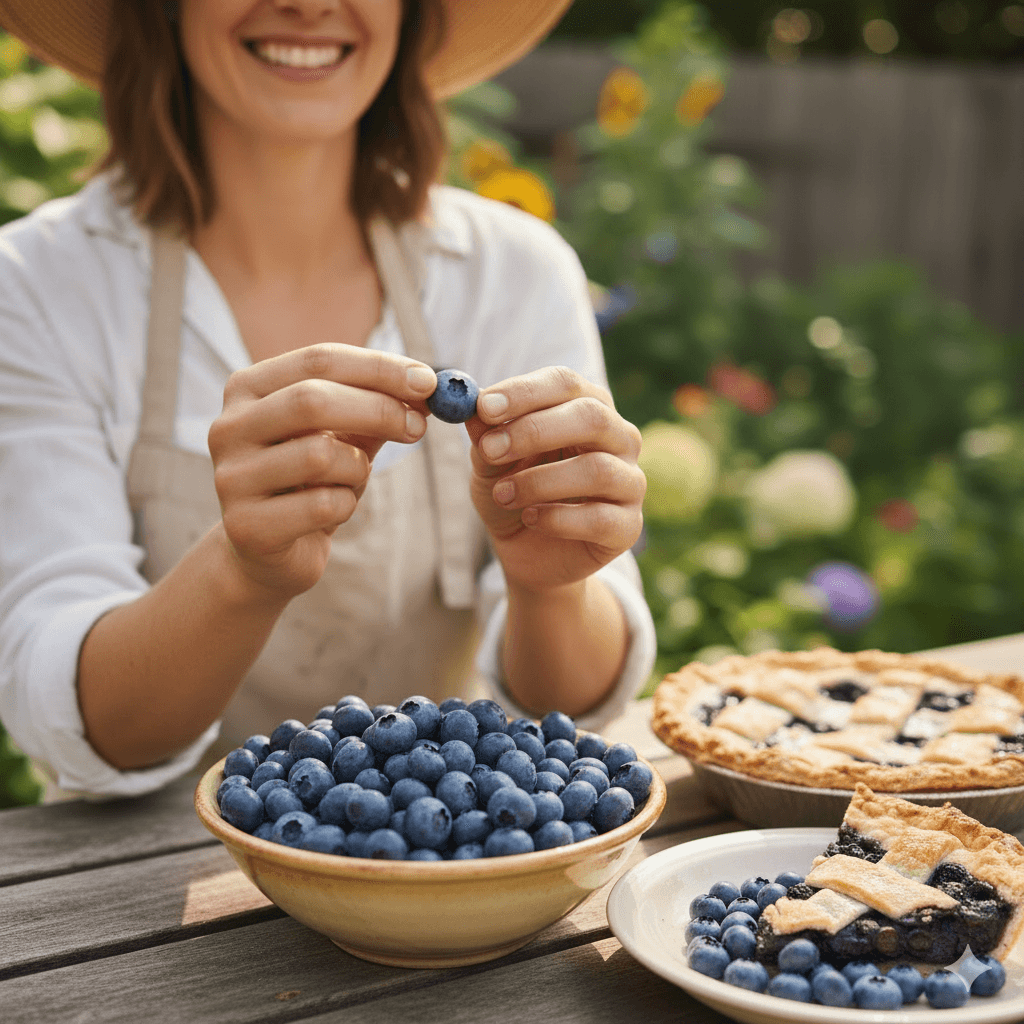
Expect fruit after the second year. Harvest when berries turn deep blue and detach easily. Blueberries in pots can live 8–10 years with proper repotting every 3–4 years.
Refresh the soil mix during repotting and prune out dead wood annually to maintain vigor. A gardener in Melbourne extended his plant’s lifespan to 12 years with consistent pruning and annual feeding.
🌻 FAQs – Growing Blueberries in Pots
Can you grow blueberries in pots year-round?
Yes, if your local climate stays mild or if you protect containers from frost in winter.
What size pot do blueberries need?
Start with a 16–20-inch pot and upgrade every few years to 24 inches or larger.
How long do potted blueberries last?
With proper care, they can live and fruit for 10+ years in containers.
Can I grow blueberries indoors?
Yes, but ensure strong grow lights and cool nights to mimic outdoor conditions.
What’s the best soil pH for blueberries?
Between 4.5 and 5.5, use peat moss or sulfur to maintain acidity
🌿 Final Thoughts: Your Patio Can Be a Blueberry Haven
Growing blueberries in pots isn’t just for expert gardeners, it’s for anyone who loves fresh, homegrown fruit and the joy of nurturing life in a container.
With the right variety, acidic soil, and consistent care, your patio or balcony can yield baskets of sweet, antioxidant-rich berries every season.
Start with one pot, and you might just find yourself growing an entire mini blueberry orchard, no backyard required.