Growing strawberries in pots is one of the easiest and most rewarding ways to enjoy fresh, sweet berries straight from your balcony, patio, or backyard.
But your success depends on one thing more than anything else — the potting mix. Strawberries are picky about soil.
If the mix is too heavy, too compact, too alkaline, or too nutrient-poor, you’ll get small berries, weak plants, and constant problems with root rot.
This guide gives you the exact potting mixes that consistently produce bigger, sweeter strawberries, plus a step-by-step buying guide, a side-by-side comparison table, and detailed reviews of each recommended product.
Whether you’re a beginner growing strawberries for the first time or an advanced gardener wanting a premium harvest, this article has everything you need.
Quick Answer — What’s the Best Potting Mix for Strawberries?
The best potting mix for strawberries is a light, fluffy, well-draining blend containing:
- Peat moss or peat-free alternatives (coco coir)
- Perlite or pumice for aeration
- Compost or humus for nutrients
- A slightly acidic pH of 5.5–6.5
- Some organic fertilizer mixed in
Top Pick (USA): FoxFarm Happy Frog Potting Soil
Top Pick (UK): Westland Peat-Free Strawberry & Fruit Mix
Best Organic: Coast of Maine Bar Harbor Blend
Best Budget: Miracle-Gro Performance Organics Container Mix
Best for Containers & Grow Bags: FoxFarm Ocean Forest
Product Comparison for Strawberry Potting Mix
| Product | Type | Best For | pH | Key Ingredients | Pros | Cons |
| FoxFarm Happy Frog | Organic | Beginners, containers | ~6.3 | Peat, perlite, humus, beneficial microbes | Great drainage, nutrient rich | Premium price |
| FoxFarm Ocean Forest | Organic | Fast growth, heavy fruiting | ~6.3 | Seaweed, fish emulsion, compost | Strong early growth | May be too rich for small pots |
| Espoma Organic Potting Mix | Organic | General use, indoor/outdoor pots | 6.0–6.5 | Peat, perlite, humus, Myco-tone | Reliable, consistent | Needs added fertilizer |
| Miracle-Gro Performance Organics | Organic-ish | Budget growers | 6.3–6.8 | Compost, plant food | Affordable, good yield | Needs extra aeration |
| Coast of Maine Bar Harbor | Organic | Premium berries, taste quality | 5.5–6.5 | Compost, lobster shells, peat | Excellent moisture balance | Harder to find outside USA |
| Westland Peat-Free Strawberry Mix (UK) | Peat-free | UK gardeners | Slightly acidic | Bark fines, compost, perlite | Designed for berries | Only available in UK |
Best Potting Mix for Strawberries
1. FoxFarm Happy Frog Potting Soil (USA) — Best Overall

FoxFarm Happy Frog is one of the most reliable and effective mixes for growing strawberries in pots, hanging baskets, and grow bags.
This blend is naturally slightly acidic, which strawberries absolutely love, and it contains beneficial microbes that help roots absorb nutrients more efficiently.
The texture is light and springy, meaning water drains quickly but the soil still holds enough moisture to keep berries hydrated.
Gardeners consistently see larger berries, faster growth, and healthier foliage using this mix. Because it’s rich in nutrients and microbes, you’ll need less fertilizer compared to basic potting mixes. It’s the perfect “set-and-forget” blend for beginners and pros.
Advantages
- Contains a blend of aged forest humus, bark fines, and beneficial microbes.
- Mycorrhizae significantly boost nutrient absorption and berry sweetness.
- Softer, “cooler” nutrient profile makes it safer for beginners.
- Excellent moisture balance — not too wet, not too dry.
- Easy to use in containers, grow bags, and hanging baskets.
Disadvantages
- Slightly lower initial nutrient levels than Ocean Forest.
- May require earlier fertilizing for heavy-fruiting strawberries.
- The texture may break down faster in humid climates.
- Some bags contain small twigs (common in bark-based mixes).
- pH can drift slightly neutral over time, requiring acidifying fertilizer.
Pros
✔ Very beginner-friendly
✔ Contains beneficial microbes
✔ Great moisture retention for strawberries
Cons
✘ Needs earlier fertilizing
✘ Slightly variable texture from bag to bag
2. FoxFarm Ocean Forest Potting Soil (USA) — Best for Fast Growth
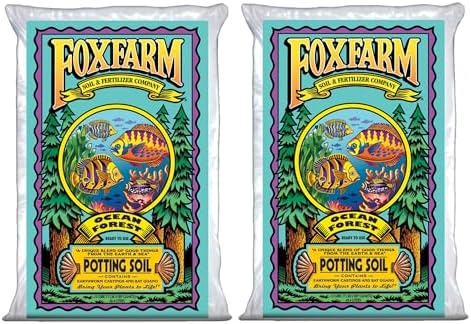
Ocean Forest is one of the richest potting soils available, designed to give plants a strong start from day one.
It contains a powerful mix of fish emulsion, crab meal, earthworm castings, and composted forest humus — all of which contribute to vigorous root development and rapid berry formation.
The texture is soft and airy, making it ideal for strawberries that prefer loose, well-draining soil. Because it’s heavily fortified, plants often grow larger and fruit earlier compared to lighter mixes.
It’s especially suitable for use in grow bags and large patio containers, where plants can spread out. For small pots, it may be slightly too nutrient-dense, but it works wonders for big-volume containers.
Advantages
- Contains rich organic ingredients like worm castings, crab meal, bat guano, and forest humus.
- Extremely fluffy and airy, promoting powerful root development.
- Naturally balanced pH (6.2–6.5), perfect for strawberries.
- Provides excellent drainage, preventing root rot even in wet climates.
- Encourages vigorous plant growth and high berry production.
Disadvantages
- Can dry out quickly in very hot climates unless containers are larger or mulched.
- Premium pricing compared to standard potting mixes.
- May require additional feeding during peak fruiting stages.
- Can be “too strong” for seedlings unless diluted.
- Not available in all regions or smaller retailers.
Pros
✔ Best-in-class drainage
✔ Excellent for organic strawberry growing
✔ Produces large berries and heavy yields
Cons
✘ Higher cost
✘ Slightly fast-drying for heat-intense climates
3. Espoma Organic Potting Mix (USA) — Most Balanced Mix for Everyday Use
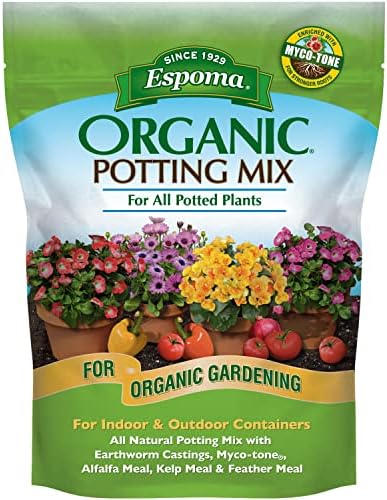
Espoma Organic Potting Mix is a beautifully balanced blend that works well in almost any pot size, making it one of the easiest choices for strawberry growers.
The mix includes peat moss, perlite, and composted humus, which creates a soft, fluffy texture suitable for both indoor and outdoor plants.
Its built-in Myco-tone (mycorrhizae) boosts root health and helps strawberries absorb nutrients even when the weather is not ideal.
The pH naturally sits in the strawberry-friendly range of 6.0–6.5, giving consistent and predictable results.
While not as nutrient-rich as FoxFarm mixes, it’s clean, reliable, and great for beginners who want a fuss-free growing experience. A small boost of fertilizer mid-season makes it perform extremely well.
Advantages
- Designed for acid-loving plants, making it ideal for strawberry pH needs.
- Contains Bio-tone beneficial microbes for root enhancement.
- Slow-release organic nutrients create consistent feeding.
- Excellent moisture retention without compromising drainage.
- Strong organic credibility — no synthetics or chemicals.
Disadvantages
- Nutrients release slowly, which may require supplemental feeding early on.
- Slightly heavier texture compared to the FoxFarm mixes.
- More expensive than typical garden-center potting soil.
- Not as airy — adding perlite may be necessary in humid climates.
- May compact slightly over time in small pots.
Pros
✔ 100% organic formula
✔ Bio-tone microbes improve berry sweetness
✔ Ideal for gardeners wanting chemical-free strawberries
Cons
✘ Slightly heavy for small pots
✘ Needs perlite added for humid or rainy regions
4. Miracle-Gro Performance Organics Container Mix — Best Budget-Friendly Choice
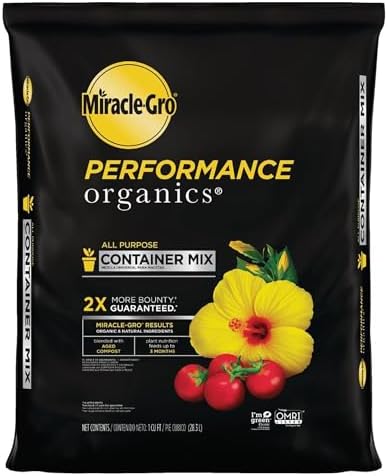
This mix is designed for gardeners who want good results but don’t want to spend premium prices. Miracle-Gro Performance Organics is compost-rich, lightweight, and designed to feed strawberries for up to 6 weeks, helping beginners avoid common nutrient mistakes.
The moisture-holding ability is excellent, making it ideal for hanging baskets and pots that dry out quickly.
However, the mix can benefit from adding extra perlite or bark fines for better drainage, especially in humid climates.
The growth results are solid for the price, and plants produce a steady supply of berries throughout the season.
It’s the most accessible, budget-friendly potting mix that still performs well with strawberries.
Advantages
- Good balance between affordability and performance.
- Contains compost and organic-based nutrients suited for fruiting plants.
- Lightweight and easy for beginners to handle.
- Available nationwide at big retailers like Walmart, Home Depot, Lowe’s.
- Works especially well in hot climates due to strong moisture retention.
Disadvantages
- Not 100% organic — it is “organic-based.”
- Nutrients release quickly, so fruiting-stage feeding is still necessary.
- Can hold too much moisture if used in ceramic pots without extra drainage.
- Texture breaks down faster than high-end mixes.
- pH may drift slightly over time with heavy watering.
Pros
✔ Inexpensive
✔ Good for beginners
✔ Widely available
Cons
✘ Not fully organic
✘ Holds moisture more than premium mixes
5. Coast of Maine “Bar Harbor Blend” Organic Potting Soil — Best for Flavor & Premium Berries
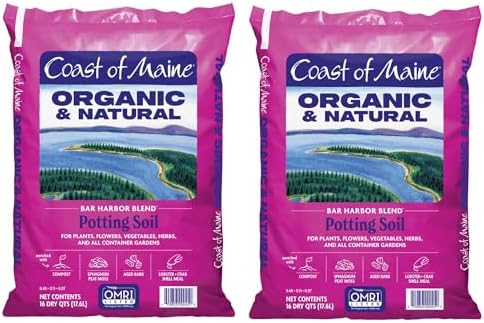
Bar Harbor Blend is a luxury organic mix made with compost, aged bark, peat moss, worm castings, and even crushed lobster shells — giving strawberries access to excellent minerals, micronutrients, and organic matter.
This mix produces some of the sweetest, most flavorful berries because of its balanced nutrient profile and slow release of natural minerals.
It holds moisture very well without getting soggy, making it ideal for containers in warm climates.
The texture is rich and earthy but still well-draining thanks to bark fines and perlite. Many organic gardeners swear by this mix for producing noticeably larger, juicier strawberries.
If you want gourmet-quality fruit, this is the mix for you.
Advantages
- Made with fish compost, lobster compost, peat, and seaweed — incredibly nutrient rich.
- Produces strawberries with excellent flavor and deep color.
- Outstanding moisture-holding ability pairs well with grow bags and raised containers.
- Superior long-term soil health thanks to high-quality organic matter.
- Perfect for gardeners who want more flavor and lush growth than basic mixes provide.
Disadvantages
- One of the most expensive options on the market.
- Heavy compared to lighter mixes like Happy Frog or Ocean Forest.
- Nutrient richness may attract fungus gnats indoors (use outdoor or treat with neem).
- Extra aeration (perlite or pine bark fines) may be needed in wet climates.
- Availability limited outside the East Coast, USA.
Pros
✔ Premium organic ingredients
✔ Best for flavor enhancement
✔ Long-term soil fertility improves yearly yields
Cons
✘ Expensive
✘ Needs extra aeration in wet climates
6. Westland Peat-Free Strawberry & Fruit Mix (UK) — Best for UK Gardeners
Designed specifically for strawberries, this peat-free UK blend is one of the best choices for gardeners in cooler climates.
The mix includes bark fines, composted wood fiber, and added nutrients that give strawberries a gentle but steady feeding throughout the season.
Its structure is airy enough to prevent soggy roots, which is important in the UK’s wetter weather.
The acidity is balanced for berry crops, and the lightweight texture works well in patio pots and hanging planters.
Many UK gardeners find that this mix improves berry size compared to standard peat-free composts, which can sometimes be too woody.
If you’re in the UK, this is the most consistent, berry-specific option on the market.
Advantages
- Designed for acid-loving plants, maintaining pH between 4.5–6.0.
- Peat-free, environmentally friendly, and approved for sustainable gardening.
- Holds moisture extremely well — perfect for warm or windy gardens.
- Contains wood fiber and coir to balance drainage.
- Ideal for strawberries in hanging baskets, grow bags, and UK summer weather.
Disadvantages
- May require added perlite or grit for container drainage.
- Nutrients may not last through an entire fruiting season — top-dressing is needed.
- More expensive than basic composts.
- Breaks down faster than peat-based mixes.
- Not available outside the UK.
Pros
✔ Best peat-free UK option
✔ Excellent moisture control
✔ Perfect pH for strawberries
Cons
✘ Needs perlite for optimal drainage
✘ Requires mid-season nutrient boosting
Homemade Strawberry Potting Mix Recipe (Budget-Friendly & Effective)

This homemade mix is perfect for gardeners who want full control of the ingredients or need a large volume of soil for raised beds and big containers.
Ingredients:
- 60% peat moss or coco coir
- 20%-25% compost (high-quality, fine-textured)
- 20% perlite or pumice
- Optional: 10% pine bark fines for extra drainage
- Optional: A handful of worm castings
This blend creates the perfect balance of drainage, structure, and light acidity. It’s best for grow bags, raised planters, and even hanging pots. Add organic berry fertilizer every 4–6 weeks for best results.
What Type of Soil Do Strawberries Prefer? (Deep Breakdown for Perfect Results)
Strawberries are shallow-rooted, moisture-loving plants — but they hate wet feet. This means their ideal potting mix must strike a perfect balance between moisture retention, drainage, and acidity.
Commercial mixes that work well for blueberries don’t always work for strawberries because strawberries need slightly different structure, nutrient delivery, and air space.
Below is an in-depth look at what strawberries want and why it matters scientifically + practically.
🌱 1. Strawberry Soil pH: Slightly Acidic (5.5–6.5)
Strawberries thrive in a slightly acidic environment, where essential nutrients like iron, magnesium, and phosphorus are more available.
🔬 Why acidity matters scientifically:
- Iron absorption increases at lower pH → prevents yellow leaves and weak growth.
- Phosphorus becomes more available → crucial for flowering and fruiting.
- Calcium moves more efficiently → prevents misshapen or soft berries.
- Beneficial microbes (especially mycorrhizae) activate more effectively.
✔ Ideal pH Range:
5.5–6.5 (slightly acidic)
⚠ What happens if pH is too high (>7.0):
- Leaves turn pale or yellow
- Berries become small and tart
- Slow growth
- Weak runners and fewer blossoms
⚠ What happens if pH is too low (<5.0):
- Root burn
- Stunted growth
- Poor fruit formation
👍 Practical Tip:
Most of the recommended potting mixes already fall naturally in the 5.5–6.5 zone, meaning you won’t need additional pH adjusting unless your water is very alkaline.
🌱 2. The Ideal Texture: Light, Fluffy & Fast-Draining
Strawberries have fine, shallow, sensitive roots. They need soil that:
- Drains quickly
- Holds moisture without getting soggy
- Offers oxygen flow
- Stays loose all season (doesn’t compact)
This is why garden soil and heavy compost do not work well for strawberries in pots.
🔬 Why drainage matters scientifically:
- Roots need oxygen for respiration; soggy soil suffocates them.
- Without air, anaerobic bacteria form → root rot.
- Potting mixes with perlite, bark, and peat/coir maintain air pockets.
✔ Best textures for strawberries:
- Peat moss or coco coir (moisture retention)
- Perlite, pumice, or vermiculite (drainage + aeration)
- Fine compost or humus (nutrient density)
- A little bark fines (keeps structure open)
⚠ Avoid:
- Clay soil
- Topsoil
- Cheap wood-heavy peat-free mixes
- Garden compost alone
- Heavily fertilized mixes (too “hot”)
These retain too much water or compact quickly.
🌱 3. What Ingredients Actually Matter? (Deep Ingredient Guide)
Here is a breakdown of the most important potting mix ingredients and how they affect strawberry growth.
1. Peat Moss (or Peat-Free Alternatives)
- Provides moisture retention
- Keeps soil slightly acidic
- Lightweight and resists compaction
- Helps cool the root zone
Best used as:
40–50% of the mix (or replace with coco coir)
2. Coco Coir (Peat-Free Alternative)
- Sustainable
- Holds moisture well
- Slightly neutral pH (needs acidity from other ingredients)
- Increases soil fluffiness
Best used as:
30–40% of the mix
3. Perlite or Pumice
- Creates air pockets
- Prevents compaction
- Helps water drain fast
- Essential for containers and hanging baskets
Best used as:
15–30% of the mix
4. Fine Compost or Humus
- Adds organic nutrients
- Improves berry flavor
- Supports beneficial microbes
- Helps moisture retention
⚠ Avoid compost that is chunky or woody.
Best used as:
20–40% of the mix
5. Bark Fines (Pine Bark)
- Improves structure
- Slightly acidifies soil
- Prevents compaction
- Supports long-term root health
Best used as:
10–20% of the mix
6. Worm Castings (Optional but Powerful)
- Extremely nutrient dense
- Increases berry size
- Supports disease resistance
- Adds beneficial microorganisms
Use sparingly:
5–10% of the mix
7. Mycorrhizae (Fungi Blend)
Many premium mixes (Espoma, Happy Frog) already include beneficial fungi. They improve:
- Nutrient uptake
- Root branching
- Fruit yield
They make a noticeable difference in strawberries.
🌱 4. Moisture-Holding Capacity: What strawberries need
Strawberries like moist but not soggy soil.
Think:
“Wet like a wrung-out sponge, not dripping.”
Good moisture-retaining ingredients:
✔ Coco coir
✔ Peat moss
✔ Compost
✔ Worm castings
Good drainage ingredients:
✔ Perlite
✔ Pumice
✔ Pine bark fines
✔ Rice hulls
Why this balance matters:
Strawberries wilt quickly in dry soil and rot quickly in wet soil. The best mixes hold moisture around roots while allowing excess to drain instantly.
🌱 5. The Importance of Organic Matter (Flavor + Yield)
Strawberries are heavy feeders when fruiting. Organic matter improves:
- Berry sweetness
- Berry size
- Plant longevity
- Disease resistance
Best organic ingredients for strawberries:
- Lobster compost (Coast of Maine)
- Seaweed compost (FoxFarm Ocean Forest)
- Mushroom compost (use <25%)
- Well-rotted compost
- Worm castings
Richer organic mixes often produce noticeably better tasting berries.
🌱 6. Container Type Determines Your Best Mix
Different pots change how fast soil dries. Your potting mix should adapt.
Grow Bags
✔ Need more moisture-retention
✔ Add extra coco coir
Plastic Pots
✔ Hold water longer
✔ Add extra perlite for drainage
Terracotta Pots
✔ Dry very fast
✔ Add extra compost and peat/coir
Hanging Baskets
✔ Dry extremely fast
✔ Use peat/coir-rich mixes
✔ Add water-retaining crystals (optional)
Large Patio Planters
✔ Any premium mix works well
✔ Ocean Forest performs best in large pots
🌱 7. Common Problems Caused by Wrong Potting Mix

❌ Problem: Waterlogged soil → root rot
Cause: Too much compost, garden soil, or cheap peat-free mix
Fix: Add perlite (20–30%)
❌ Problem: Small berries + pale leaves
Cause: Alkaline mix (pH too high)
Fix: Add peat moss or pine bark fines
❌ Problem: Soil dries too fast
Cause: Too much perlite, bark, or wood fiber
Fix: Add coco coir or compost
❌ Problem: Slow growth
Cause: Low nutrient organic matter
Fix: Add worm castings or berry fertilizer
🌱 8. The Ideal Strawberry Potting Mix Formula (DIY)
Here is the perfect DIY mix if you prefer making your own:
DIY Strawberry Potting Mix (Premium Formula)
- 40% peat moss or coco coir
- 25% compost (fine-textured)
- 20% perlite or pumice
- 10% pine bark fines
- 5% worm castings
This mix:
✔ stays loose all season
✔ encourages big, sweet berries
✔ drains perfectly
✔ supports strong root development
🍓 Buying Guide: How to Choose the Best Potting Mix for Strawberries
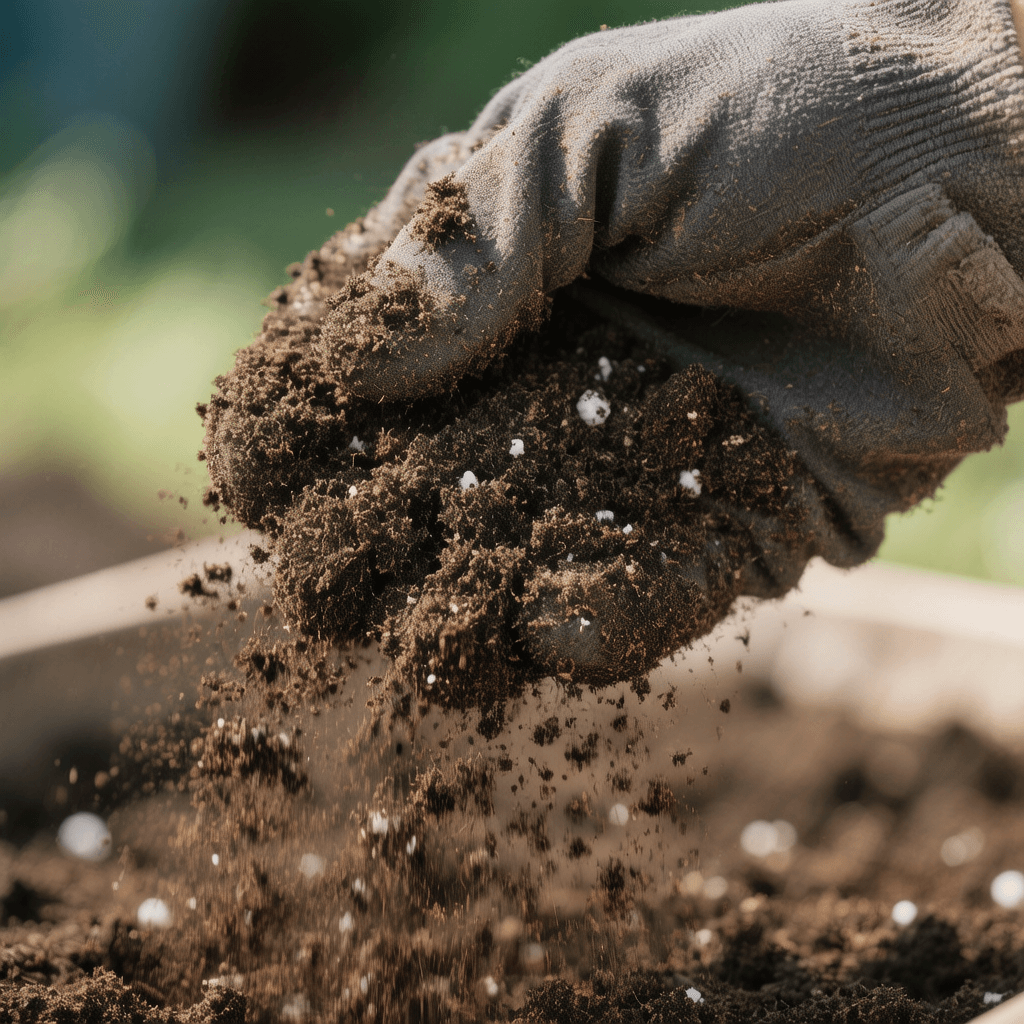
Strawberries look simple to grow, but their roots are surprisingly picky. They want fast drainage, steady moisture, soft soil structure, and a nutrient profile that produces big fruit rather than leafy growth.
A generic potting soil may work, but the right strawberry-focused mix works 10× better.
This buying guide breaks down everything you need to consider so you can confidently choose the right mix — whether you’re planting June-bearing, Everbearers, Day-Neutral varieties, or compact alpine strawberries.
1. Drainage: The #1 Most Important Factor
Why drainage matters
Strawberry roots hate sitting in water. Poor drainage leads to:
- Root rot
- Fungal diseases
- Slow growth
- Pale, nutrient-starved leaves
- Small or misshapen berries
A proper strawberry potting mix must drain quickly while still holding a thin layer of moisture around the roots.
Look for mixes containing:
- Perlite (white volcanic rocks that create airflow)
- Pumice (even better drainage than perlite)
- Composted bark (improves structure)
- Coarse peat moss or coir fiber
Avoid:
- Heavy garden soil
- Topsoil blends
- Fine peat moss (holds too much water)
- Clay-based soils
Rule of thumb:
👉 If the soil feels heavy in your hand, your strawberries won’t like it.
2. Moisture Retention: Balanced — Not Soggy, Not Dry
Strawberries are shallow-rooted, so they dry out faster than deep-rooted vegetables.
The soil should:
- Hold moisture
- But never remain wet for more than a few hours
Look for these ingredients:
- Coconut coir → 10× better water balance than peat
- Compost → gentle, steady moisture release
- Wood fiber → found in UK peat-free mixes like Westland
If you live in:
- Hot climates → Choose mixes with coir (Miracle-Gro Performance Organics, Westland).
- Cool climates → Choose lighter, airier mixes (FoxFarm Ocean Forest, Happy Frog).
3. Ingredients: What Should Be in a Good Strawberry Mix?
A premium strawberry mix usually includes five core elements:
1. Aeration Materials
These keep the soil fluffy and prevent compaction:
✔ Perlite
✔ Pumice
✔ Bark fines
✔ Coarse coconut coir fibers
2. Organic Matter
Promotes moisture retention and improves berry sweetness:
✔ Compost
✔ Aged forest humus
✔ Lobster compost (Coast of Maine specialty)
3. Nutrient Sources
Strawberries are heavy feeders during the fruiting stage, so the soil should contain:
✔ Worm castings
✔ Fish-based fertilizers
✔ Seaweed or kelp meal
✔ Organic slow-release fertilizer
4. pH Buffers
Strawberries thrive in pH 5.5–6.5, so look for mixes that include:
✔ Peat moss (naturally acidic)
✔ Coir (near-neutral, stabilizes pH)
✔ Pine bark fines
5. Microbial Life (the secret weapon)
Some potting mixes include beneficial fungi and bacteria:
✔ Mycorrhizae (in FoxFarm Happy Frog)
✔ Bio-Tone microbes (in Espoma Organic Mix)
These microbes dramatically improve:
- Root growth
- Water absorption
- Disease resistance
- Total berry yield
4. Organic vs. Non-Organic: Which Should You Choose?
Organic Potting Mixes
Examples: Espoma, Coast of Maine, Happy Frog
Benefits:
- No chemicals
- Better soil health long-term
- Sweeter berry flavor
- Ideal for edible gardens
Drawbacks:
- Pricier
- Nutrients release slowly
- You may need supplemental feeding
Non-Organic or Semi-Organic Mixes
Examples: Miracle-Gro Performance Organics (hybrid), Black Gold (non-organic)
Benefits:
- Faster initial growth
- Very beginner-friendly
- Inexpensive
- Readily available everywhere
Drawbacks:
- Not fully chemical-free
- Nutrients wash out faster
Recommendation:
👉 Grow organic if you want long-term flavor and soil quality.
👉 Choose semi-organic if you’re a beginner or want a budget-friendly option.
5. Climate Considerations: Choose the Right Mix for YOUR Weather
Strawberries behave differently depending on climate.
The potting mix you choose should match your growing conditions.
If you live in HOT climates:
Choose mixes with:
✔ Coconut coir
✔ Moisture-retention compost
✔ Controlled-release fertilizers
Examples:
- Miracle-Gro Performance Organics
- Westland Strawberry Compost (UK)
If you live in COOL climates:
Choose mixes with:
✔ High aeration
✔ Warm, fluffy structure
Examples:
- FoxFarm Happy Frog
- FoxFarm Ocean Forest
If you live in very RAINY climates:
Choose mixes with:
✔ Fast drainage
✔ Extra perlite
Examples:
- Ocean Forest
- Black Gold
If you live in DRY climates:
Choose mixes with:
✔ Coir
✔ Compost
✔ Moisture retention
Examples:
- Miracle-Gro Performance Organics
- Westland (UK)
6. Pot Size & Container Type: Soil Must Match the Pot
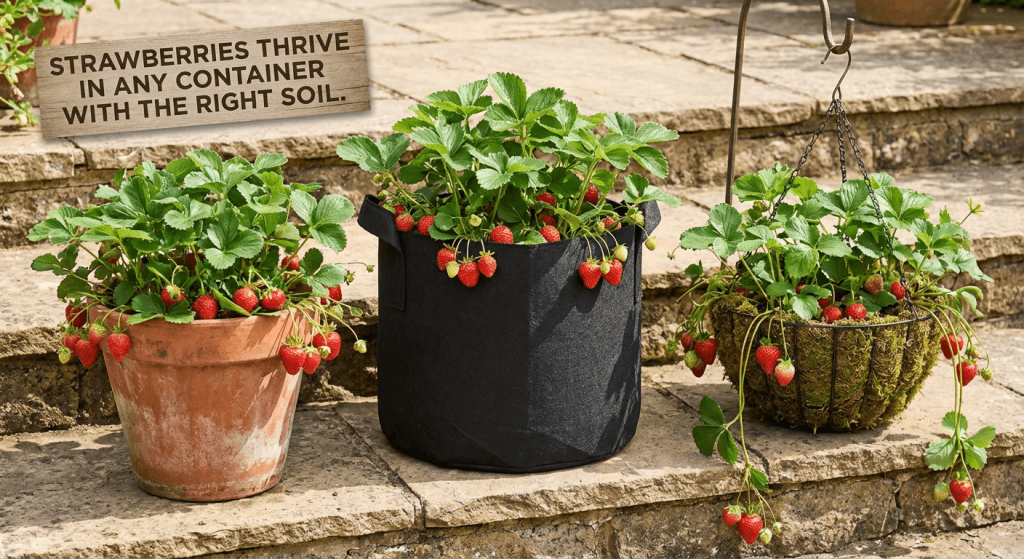
The type of pot you use impacts how your potting mix behaves.
Clay or Terra-Cotta Pots
- Dry out fastest
- Need moisture-retaining mixes
Best mix: Miracle-Gro Performance Organics
Plastic or Fabric Pots
- Retain moisture better
- Need light, airy mixes
Best mix: Ocean Forest, Happy Frog, Coast of Maine
Hanging Baskets
- Extremely fast drying
- Best with moisture-holding soil
Best mix: Espoma or Miracle-Gro Performance Organics
Grow Bags
- Best for airflow
- Need a balanced mix with compost + perlite
Best mix: Ocean Forest or Westland (for UK)
7. Nutrient Levels: What You Should Look For
Strawberries need three nutrient phases:
Phase 1: Root Establishment (N-rich soil)
Good nitrogen helps early foliage growth — don’t worry, it won’t stop fruiting later.
Phase 2: Flowering (Balanced NPK)
A balanced potting mix helps promote blossoms.
Phase 3: Fruiting (Low N, high P & K)
Potassium increases berry size, flavor, and sweetness.
Good ingredients for strawberries:
✔ Worm castings
✔ Bone meal
✔ Kelp meal
✔ Fish emulsion
✔ Organic compost
8. Sustainability: Peat vs. Peat-Free Mixes
Peat-based mixes (USA)
Pros:
- Light, fluffy, well-draining
- Ideal for strawberries
Cons: - Not sustainable long-term
Peat-free mixes (UK)
Examples: Westland Ericaceous, Westland Fruit Compost
Pros:
- Environmentally friendly
- Excellent water retention
Cons: - Often require extra perlite
Recommendation:
👉 In the USA, high-quality peat mixes are still acceptable.
👉 In the UK, peat-free is now the standard — choose Westland or Sylvagrow.
9. Price vs. Quality — Does It Matter?
Strawberries are heavy producers, and cheap soil produces:
- Smaller berries
- More diseases
- Shorter plant life
- Sour fruit
Paying a bit more for better soil is worth it.
Best budget choice:
✔ Black Gold
Best value:
✔ Espoma
Best premium:
✔ FoxFarm Ocean Forest
✔ Coast of Maine Bar Harbor Blend
10. Red Flags to Avoid When Buying Potting Mix
If a product has ANY of these signs, avoid it:
🚫 Heavy or muddy texture
🚫 Strong chemical smell
🚫 Large sticks, trash, or clumps
🚫 Very fine peat moss (holds too much water)
🚫 No ingredients listed
🚫 “Garden soil” or “topsoil” (not for containers)
🚫 “Raised bed mix” (too dense)
Real rule:
If the soil doesn’t spring back when squeezed, it’s too dense for strawberries.
11. How to Improve Any Potting Mix (If You Already Bought One)
You can instantly upgrade a mediocre soil with:
✔ 20–30% perlite
Fixes drainage.
✔ 10% compost
Boosts berry flavor and nutrients.
✔ 10% coconut coir
Adds moisture balance.
✔ A handful of worm castings
Improves root strength and sweetness.
This turns almost any potting mix into a strawberry-optimized blend.
12. Best Overall Recommendations (Buyer Shortlist)
Best Overall (USA): FoxFarm Ocean Forest
✔ Fast growth
✔ Incredible berry size
✔ Great drainage
Best Organic (USA): Coast of Maine Bar Harbor Blend
✔ Superior sweetness and flavor
✔ Very rich organic matter
Best Beginner-Friendly: FoxFarm Happy Frog
✔ Hard to fail
✔ Promotes disease-free roots
Best Budget Option: Black Gold All-Purpose
✔ Reliable
✔ Good starter soil
Best UK Peat-Free Mix: Westland Strawberry & Fruit Compost
✔ Moisture control
✔ Perfect for hanging baskets and wet climates
FAQ: Best Potting Mix for Strawberries (Expert Answers)
What is the best potting soil mix for strawberries in containers?
The best potting soil for strawberries is a light, well-draining, slightly acidic mix (pH 5.5–6.5). Choose a blend containing peat moss or coco coir, perlite, compost, and slow-release fertilizer. Avoid heavy garden soil, which compacts and suffocates the roots.
Can I use regular garden soil for strawberries in pots?
No—garden soil is too dense and can cause root rot. It also harbors pests, fungi, and weed seeds. Always use a sterile container potting mix designed for drainage and aeration.
Do strawberries need acidic soil?
Yes. Strawberries thrive in slightly acidic conditions. A pH range of 5.5 to 6.5 is ideal. If your mix is too alkaline, add a small amount of peat moss, sulfur, or an acid-loving plant fertilizer.
Should I add fertilizer to the potting mix?
Yes, strawberries are heavy feeders. Use:
Slow-release fertilizer at planting
Liquid feed every 2–4 weeks during flowering and fruiting
Choose berry food or fertilizers formulated for acid-loving plants
Do strawberries grow well in pots?
Absolutely. Strawberries are among the best fruits for container gardening. They thrive in 10–12″ deep pots with good drainage and proper soil.
Conclusion: The Best Potting Mix for Strawberries
Growing strawberries in pots is one of the most rewarding gardening projects you can take on—whether you’re working with a balcony, a patio corner, or a full backyard.
But as you’ve seen throughout this guide, the secret to plump, sweet, disease-free berries comes down to one thing: the right potting mix.
Strawberries are shallow-rooted, sensitive to pH, and extremely responsive to soil quality.
When you give them a light, fluffy, well-aerated mix with the right acidity and nutrient balance, you instantly reduce the risk of root rot, salt buildup, and stunted growth.
More importantly, you set the plant up for heavy, continuous fruiting.
Don’t Forget: Container Size & Feeding Matter Too
Even the best potting mix won’t perform if:
- Your pot is too small
- Drainage holes are missing
- You underwater or overwater
- You don’t feed regularly
Strawberries thrive when they have:
✔ 10–12″ deep pots
✔ Consistent moisture
✔ Slow-release fertilizer
✔ Monthly liquid feeding during fruiting
👉 Best Overall Setup for Beginners
- 70% high-quality organic potting mix
- 20% compost
- 10% perlite
- Add berry fertilizer every 4–6 weeks
This blend gives you the perfect combination of drainage, fertility, and pH stability.