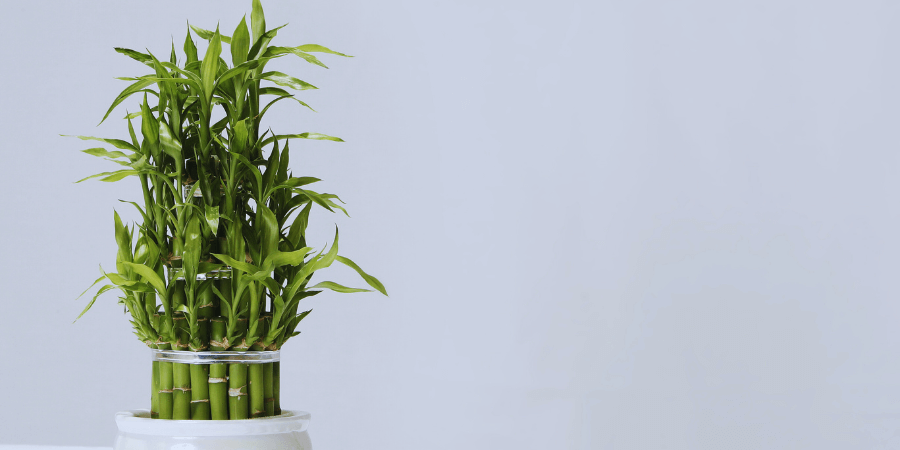
Water bamboo regularly, keeping the soil moist but not soggy. Please place it in indirect sunlight for optimal growth.
Bamboo plants are famous for their elegant appearance and easy maintenance. They thrive well in both indoor and outdoor environments. Focus on proper watering and light conditions to ensure your bamboo plant remains healthy. Regularly misting the leaves can help maintain humidity levels.
Using a well-draining soil mix is essential to prevent root rot. Fertilize your bamboo plant every two to three months with a balanced liquid fertilizer. Pruning any yellow or dead leaves will promote new growth. Avoid placing the plant in direct sunlight, as it can scorch the leaves. With the proper care, your bamboo plant can be a long-lasting, beautiful addition to your home or garden.
Choosing The Right Bamboo

Choosing the right bamboo is crucial for the health and growth of your plant. Different bamboo types have distinct care needs and growth patterns. Understanding the variety you have will help you provide the best care. Let’s explore the types of bamboo and whether they are suited for indoor or outdoor environments.
Types Of Bamboo
Bamboo comes in various types, each with unique characteristics. Knowing the kind of bamboo you have will help you care for it better. Here are some common types:
- Moso Bamboo (Phyllostachys edulis): This type is known for its rapid growth and can reach up to 70 feet tall. It’s often used for building and crafts.
- Golden Bamboo (Phyllostachys aurea): This bamboo type has golden-yellow stems and is famous for its ornamental value. It can grow up to 35 feet tall.
- Umbrella Bamboo (Fargesia murielae): This clumping bamboo is ideal for gardens. It doesn’t spread aggressively and grows up to 10 feet tall.
- Black Bamboo (Phyllostachys nigra): Known for its striking black stems, this bamboo can grow up to 25 feet tall. It is often used in landscaping.
Bamboo Type
| Bamboo Type | Height | Characteristics |
| Moso Bamboo | Up to 70 feet | Rapid growth, used for building |
| Golden Bamboo | Up to 35 feet | Golden-yellow stems, ornamental |
| Umbrella Bamboo | Up to 10 feet | Clumping, garden-friendly |
| Black Bamboo | Up to 25 feet | Striking black stems, landscaping |
Indoor Vs Outdoor
Deciding whether to grow your bamboo indoors or outdoors is essential. Each environment has its care requirements. Here’s a guide to help you decide:
Indoor Bamboo:
- Choose a smaller, clumping bamboo variety, like Fargesia.
- Please place it in a bright, indirect light area.
- Keep the soil moist but not waterlogged.
- Use a well-draining pot to prevent root rot.
- Maintain a temperature between 60-80°F.
Outdoor Bamboo:
- Opt for running bamboo types, like Phyllostachys, for larger spaces.
- Plant in full sun to partial shade.
- Ensure the soil is rich and well-draining.
- Water regularly, especially during dry spells.
- Consider using barriers to control the spread of running bamboo.
Key Differences:
| Aspect | Indoor | Outdoor |
| Light | Bright, indirect | Full sun to partial shade |
| Water | Moist, not waterlogged | Regular, more during dry spells |
| Temperature | 60-80°F | Varies, depending on climate |
| Growth Control | Clumping types preferred | Use barriers for running types |
Specialized Care for Indoor Bamboo Plants
Caring for a bamboo plant can be a rewarding experience, especially when you take the time to understand its unique needs. While bamboo plants are generally low maintenance, they require specific care to thrive indoors. By following some specialized care tips, you can ensure your indoor bamboo plant remains healthy and vibrant.
Proper Lighting For Indoor Bamboo Plants
Indoor bamboo plants thrive in bright, indirect light. Place your plant near a window where it can receive filtered sunlight. Avoid direct sunlight as it can scorch the leaves. If natural light is limited, consider using a grow light as a supplement.
Watering Schedule For Indoor Bamboo
Consistent watering is essential for indoor bamboo. Keep the soil moist but not waterlogged. Water your bamboo plant once a week. During hotter months, increase the frequency to twice a week. Ensure the pot has drainage holes to prevent root rot.
Humidity And Temperature Requirements
Indoor bamboo plants prefer a humid environment. Use a humidity tray or a room humidifier to maintain moisture levels. Ideal temperatures range between 60-80°F (15-27°C). Avoid placing the plant near drafts or air conditioning vents.
Fertilizing Indoor Bamboo
Fertilize your indoor bamboo plant every month during the growing season. Use a balanced, water-soluble fertilizer. In winter, reduce fertilizing to once every two months. Over-fertilizing can harm the plant, so follow the recommended dosage.
Regular pruning helps indoor bamboo maintain its shape. Trim any yellow or dead leaves to encourage new growth. Wipe the leaves with a damp cloth to remove dust. This allows the plant to photosynthesize more effectively.
Repotting Indoor Bamboo
Report your bamboo plant every two to three years. Choose a pot that is one size larger than the current one. Use well-draining soil to prevent water retention. Repotting helps refresh the soil and provides more room for root growth.
Common Pests And Solutions
Indoor bamboo plants can attract pests like spider mites and aphids. Use a mild insecticidal soap to treat infestations. Inspect your plant regularly to catch any pest problems early. Keeping the plant clean reduces the risk of pests.
Features And Benefits Of Bamboo
Bamboo plants are not only beautiful but also incredibly versatile. They add an exotic touch to any garden or indoor space. Understanding their features and benefits can help you better appreciate and care for them.
Features Of Bamboo Plants
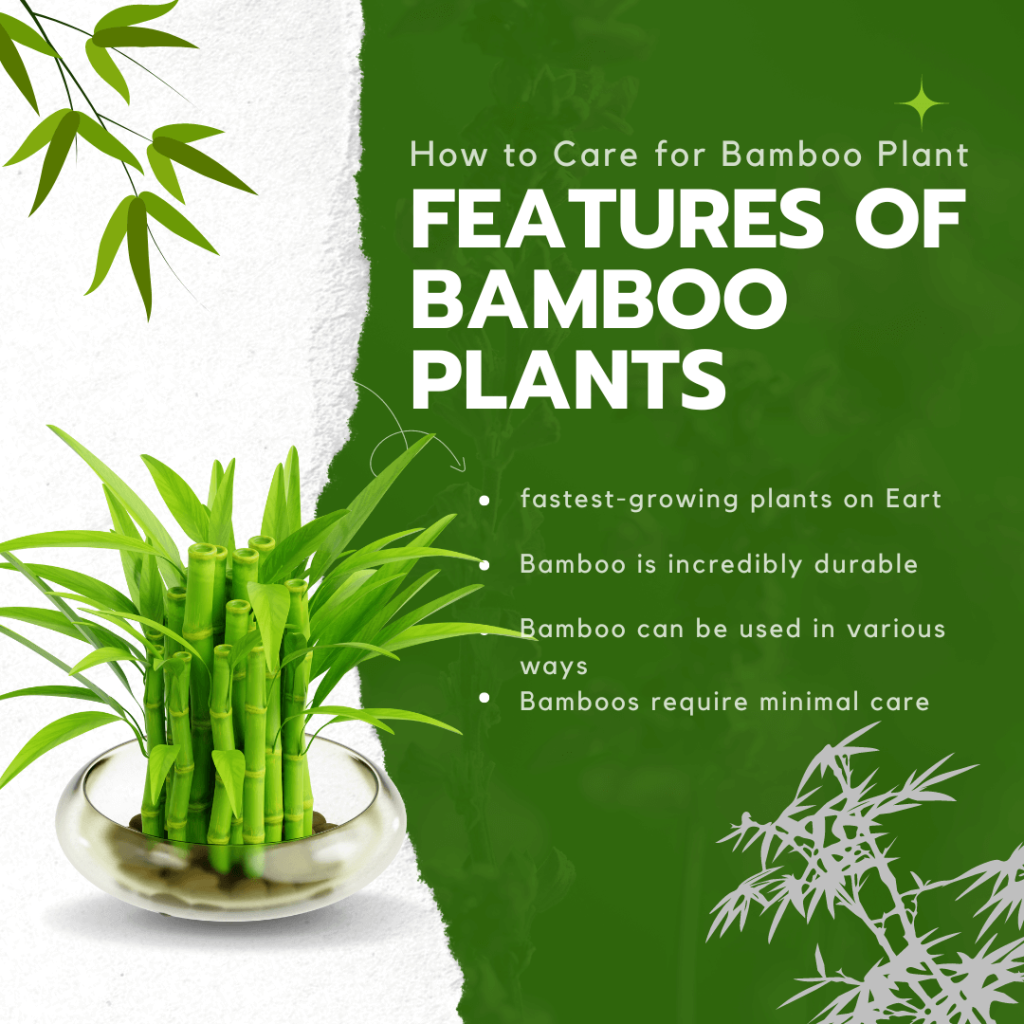
Bamboo plants have unique characteristics that make them stand out. Here are some key features:
- Fast Growth: Bamboos are among the fastest-growing plants on Earth. Some species can grow up to three feet in a single day.
- Durability: Bamboo is incredibly durable. They can withstand harsh weather conditions and still thrive.
- Versatility: Bamboo can be used in various ways, from construction materials to decorative items.
- Low Maintenance: Bamboos require minimal care. They are resilient and can grow in multiple soil types.
Benefits Of Bamboo Plants
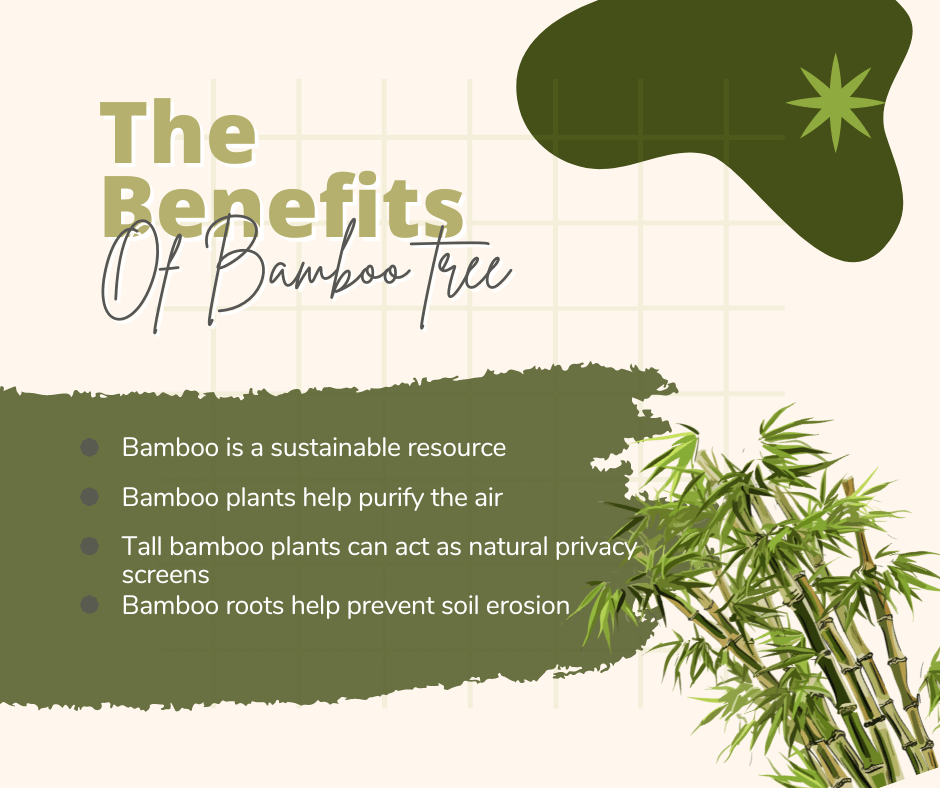
Bamboo plants offer numerous benefits for both the environment and your home. Here are some benefits:
- Eco-Friendly: Bamboo is a sustainable resource. It proliferates and can be harvested without causing deforestation.
- Air Purification: Bamboo plants help purify the air. They absorb carbon dioxide and release oxygen.
- Privacy Screens: Tall bamboo plants can act as natural privacy screens. They provide seclusion without the need for artificial barriers.
- Soil Erosion Prevention: Bamboo roots help prevent soil erosion. They hold the soil together, especially on slopes.
Common Types Of Bamboo Plants
There are various types of bamboo plants. Here are a few common ones:
| Bamboo Type | Height | Special Features |
| Golden Bamboo | 20-35 feet | Yellow-golden stems, dense foliage |
| Fargesia | 8-16 feet | Clumping variety, cold-hardy |
| Black Bamboo | 15-25 feet | Dark stems, ornamental |
Bamboo plants are an excellent addition to any space. Their unique features and numerous benefits make them popular for gardeners and home decorators. By understanding their features and benefits, you can ensure they thrive in your environment.
Ideal Growing Conditions
Caring for a bamboo plant properly ensures it thrives and adds a touch of greenery to your space. To achieve this, understanding the ideal growing conditions is essential. This section will discuss the light requirements and temperature preferences to keep your bamboo plant healthy and vibrant.
Light Requirements
Bamboo plants prefer indirect light and can suffer from too much direct sunlight. Here are some tips to ensure your bamboo gets the right amount of light:
- Place your bamboo plant in a spot that receives filtered sunlight. A spot near a window with sheer curtains is ideal.
- Avoid placing the bamboo plant in direct sunlight, as it can scorch the leaves and stunt growth.
- If natural light is limited, consider using artificial grow lights. These can provide the necessary light spectrum that bamboo needs.
Here’s a simple table to help you determine the best light conditions for your bamboo plant:
| Light Condition | Suitability |
| Direct Sunlight | Not Suitable |
| Filtered Sunlight | Ideal |
| Artificial Light | Acceptable |
Ensuring proper light conditions helps your bamboo plant grow lush and green. Monitor the plant regularly to adjust its placement as needed.
Temperature Preferences
Bamboo plants thrive in specific temperature ranges. Here are some guidelines for maintaining the right temperature:
- Keep the bamboo plant in a room where the temperature stays between 65°F and 95°F (18°C and 35°C). This range is ideal for most bamboo varieties.
- Avoid placing the bamboo plant near drafts or vents. Sudden temperature changes can stress the plant.
- During winter, ensure the plant is not exposed to temperatures below 50°F (10°C). Consider moving it to a warmer spot if needed.
Below is a table summarizing the temperature preferences for bamboo plants:
| Temperature Range | Suitability |
| Below 50°F (10°C) | Not Suitable |
| 65°F – 95°F (18°C – 35°C) | Ideal |
| Above 95°F (35°C) | Needs Monitoring |
Maintaining the ideal temperature range ensures your bamboo plant stays healthy and grows well. Regularly check the room temperature to provide the best environment for your plant.
Watering Techniques
Bamboo plants are easy to care for and bring a touch of greenery to any space. One of the most critical aspects of bamboo plant care is watering. Proper watering techniques can make a big difference in the health and growth of your bamboo. Let’s dive into the best practices for watering your bamboo plant.
Frequency Of Watering
Knowing how often to water your bamboo is crucial. Bamboo plants prefer consistently moist soil but dislike sitting in water. Here’s a simple guide to help you:
- Indoor bamboo plants: Water every 5-7 days.
- Outdoor bamboo plants: Water every 3-5 days, depending on the weather.
Check the soil before watering. Stick your finger about 1 inch into the soil. If it feels dry, it’s time to water. Use a watering can with a narrow spout to avoid splashing water on the leaves. Pour water slowly until you see it draining from the bottom. This ensures the roots get enough moisture.
In hot weather, you may need to water your bamboo more often. In cooler months, reduce the frequency. Constantly adjust your watering schedule based on your plant’s needs.
| Season | Indoor Bamboo | Outdoor Bamboo |
| Spring/Summer | Every 5-7 days | Every 3-5 days |
| Fall/Winter | Every 7-10 days | Every 5-7 days |
Signs Of Overwatering
Overwatering can harm your bamboo plant. Look out for these signs:
- Yellowing leaves: This is a common sign of too much water.
- Mushy stems: Soft and squishy stems indicate waterlogged roots.
- Root rot: Foul-smelling roots are a sure sign of overwatering.
To avoid overwatering:
- Ensure your pot has proper drainage.
- Use a pot with drainage holes and avoid letting the plant sit in a saucer of water.
- If you notice any signs, reduce watering and dry the soil.
Repotting your bamboo in fresh soil can also help.
Preventing overwatering is vital to keeping your bamboo healthy. Always check the soil moisture before adding water. Remember, it’s better to go underwater slightly than to go overwater.
Soil Selection
Bamboo plants are elegant and versatile additions to any home or garden. Proper care is essential for them to thrive. One of the most critical factors in bamboo care is soil selection. Choosing the suitable soil will ensure your bamboo plant grows healthy and strong.
Best Soil Types
Bamboo plants prefer well-draining soil. They thrive in soils that can retain moisture but not remain waterlogged. Here are some of the best soil types for bamboo plants:
- Loamy Soil: This soil type mixes sand, silt, and clay. It has excellent drainage and nutrient content.
- Sandy Soil: Sandy soil drains quickly and prevents root rot. Bamboo can grow well in sandy soil enriched with organic matter.
- Clay Soil: Bamboo can tolerate clay soil if it is amended with sand or compost to improve drainage.
To help you choose the suitable soil, here’s a table summarizing the pros and cons of each type:
| Soil Type | Pros | Cons |
| Loamy Soil | Retains moisture, rich in nutrients | May require occasional aeration |
| Sandy Soil | The excellent drainage prevents root rot | May need frequent watering and organic enrichment |
| Clay Soil | Holds nutrients well | Poor drainage needs amendment |
Ph Balance
The pH balance of the soil is crucial for bamboo health. Bamboo plants prefer slightly acidic to neutral soil, with a pH range of 5.5 to 7.0. Here are some tips to maintain the proper pH balance:
- Test the Soil: Use a pH testing kit to check the soil’s pH level. This helps you understand its current state.
- Adjusting pH: If the soil is too acidic, add lime to raise the pH. If it’s too alkaline, use sulfur or peat moss to lower the pH.
- Regular Monitoring: Regularly check the soil’s pH to ensure it stays within the ideal range.
Maintaining the proper pH balance ensures that your bamboo plant can absorb nutrients effectively. Here’s a quick guide to pH adjustments:
| pH Level | Action | Amendment |
| Below 5.5 | Raise pH | Lime |
| Above 7.0 | Lower pH | Sulfur or Peat Moss |
Selecting the suitable soil and maintaining the correct pH balance gives your bamboo plant the best chance to thrive.
Fertilizing Bamboo
Caring for a bamboo plant requires understanding its needs; fertilizing is crucial for its growth. Bamboo plants, known for their rapid growth and lush foliage, need proper nutrients to thrive. Fertilizing bamboo helps provide these necessary nutrients, ensuring your plant remains healthy and vibrant.
When To Fertilize
Knowing when to fertilize bamboo is essential. The best times are during the growing seasons, primarily spring and early summer. These periods are when bamboo actively grows and requires more nutrients.
Follow these tips for a fertilizing schedule:
- Early Spring: Start fertilizing as new shoots emerge.
- Late Spring: Apply a second round of fertilizer for sustained growth.
- Early Summer: A third application ensures continued nourishment.
Do not fertilize during late summer or fall. The plant must prepare for dormancy, and excess nutrients can harm it. Regular intervals during the growing season ensure bamboo gets a steady supply of nutrients. Check the plant’s condition and soil type, as these factors influence the exact timing.
Types Of Fertilizers
Choosing the correct type of fertilizer for bamboo is essential. Bamboo thrives on nitrogen, which promotes leafy growth. Here are common types of fertilizers suitable for bamboo:
- Organic Fertilizers: Composted manure and fish emulsion provide a slow release of nutrients. These are eco-friendly and improve soil quality.
- Chemical Fertilizers: High-nitrogen fertilizers like 21-5-6 or 16-4-8 formulas boost growth. These offer quick results but must be used carefully to avoid over-fertilization.
- Balanced Fertilizers: Formulas like 10-10-10 offer a balanced nutrient mix. These are good for maintaining overall plant health.
Refer to the table below for a quick comparison:
| Fertilizer Type | Benefits | Usage Tips |
| Organic | Improves soil quality, eco-friendly | Use as a top dressing or mix with soil |
| Chemical | Quick results, boosts growth | Apply cautiously, follow package instructions |
| Balanced | Maintains overall health | Use during active growth periods |
Choose a fertilizer based on your bamboo’s needs and your soil conditions. Experiment with small amounts first to find what works best for your plant.
Pruning And Maintenance
Bamboo plants add beauty to your home and garden. They require proper care to thrive. Pruning and maintenance are essential parts of bamboo care. This ensures your bamboo stays healthy and looks its best. Let’s dive into when and how to prune your bamboo plant.
When To Prune
Knowing the right time to prune your bamboo is crucial. Pruning at the wrong time can harm the plant. Prune bamboo plants in late summer or early fall. This is because bamboo grows actively in spring and early summer. Pruning during the growing season can stress the plant.
Check your bamboo plant regularly. Look for dead or damaged canes. These should be removed promptly. Prune bamboo if it gets too tall. This can happen in spring or summer. Avoid pruning in winter. Bamboo is dormant during this time. Pruning then can slow its growth.
Here is a simple guide for when to prune:
| Season | Pruning Activity |
| Spring | Check for height, prune if needed |
| Summer | Monitor growth, remove dead canes |
| Fall | Major pruning, thin dense areas |
| Winter | Avoid pruning |
How To Prune
Pruning bamboo plants is simple but requires care. Use sharp, clean tools to avoid damaging the plant. Start by removing dead or damaged canes. Cut them off at ground level. Pruning helps the plant focus energy on healthy growth.
Thin out dense areas to improve air circulation. This reduces the risk of pests and disease. Select the oldest canes first. These are usually darker and thicker. Remove them to make space for new growth.
Trim the tops of the canes if the plant is too tall. Cut just above a node to encourage new shoots. Be careful not to over-prune. Removing too many canes can stress the plant.
Here are some tips for effective pruning:
- Use sharp shears or loppers.
- Wear gloves to protect your hands.
- Disinfect tools before and after pruning.
- Remove canes at ground level.
- Cut just above a node to shape the plant.
Following these steps will keep your bamboo healthy and beautiful. Happy gardening!
Pest Management
Bamboo plants are beautiful and easy to care for but can attract pests. Proper pest management is crucial to keep your bamboo plant healthy and thriving. This guide will help you identify common pests and show you natural ways to manage them.
Common Pests
Several common pests often target bamboo plants. Knowing what to look for helps in early detection and treatment.
Aphids: These tiny insects suck the sap from bamboo leaves. They cause yellowing and curling of leaves.
Spider Mites: These pests are hard to see but leave webs on the plant. They cause leaves to turn yellow and drop.
Mealybugs: These pests look like tiny cotton balls. They weaken the plant by sucking its sap.
| Pest | Symptoms |
| Aphids | Yellowing and curling of leaves |
| Spider Mites | Webs on the plant, yellowing leaves |
| Mealybugs | Cotton-like spots, weak plant |
Regularly inspect your bamboo plant for these pests. Early detection makes treatment more accessible and more effective.
Natural Remedies
Natural remedies are a safe way to manage pests on your bamboo plant. Here are a few effective methods.
Neem Oil: This natural oil repels many pests. Mix one teaspoon of neem oil with 1 litre of water. Spray the mixture on your bamboo plant.
Soap Solution: A mild soap solution can kill pests. Mix one teaspoon of liquid soap with 1 litre of water. Spray this on the affected areas.
Garlic Spray: Garlic has natural pest-repelling properties. Crush a few garlic cloves and mix with water. Let it sit for a few hours, then spray it on your bamboo plant.
- Neem Oil: 1 teaspoon neem oil + 1 liter water
- Soap Solution: 1 teaspoon liquid soap + 1 liter water
- Garlic Spray: Crushed garlic cloves + water
Apply these remedies once a week until the pests are gone. Natural remedies are safe for your plant and the environment.
Propagation Methods
Caring for a bamboo plant can be a rewarding experience. One essential aspect of bamboo care is propagation. Propagation helps to multiply your bamboo plants, ensuring a lush and vibrant garden. There are two primary methods of bamboo propagation: division and cuttings. Understanding these methods will help you successfully grow more bamboo plants.
Division
The division is a straightforward method for propagating bamboo. This method involves separating a part of the bamboo clump to create a new plant. Follow these steps to propagate bamboo through division:
- Select a Healthy Clump: Choose a mature bamboo plant with multiple stems.
- Prepare the Tools: Use a sharp spade or garden knife for clean cuts.
- Water the Plant: Water the bamboo thoroughly one day before division.
- Dig Around the Clump: Carefully dig around the clump’s base, ensuring minimal root damage.
- Separate the Clump: Gently separate a section with at least three culms (stems) and adequate roots.
- Plant the Division: Replant the separated section in a new location, keeping the soil moist.
The division is best done during the early spring or fall. This method ensures the new plant has enough time to establish roots before extreme weather conditions.
Cuttings
Cuttings are another effective bamboo propagation method. This involves taking a section of the bamboo stem and encouraging it to grow roots. Here’s how you can propagate bamboo through cuttings:
- Select a Suitable Stem: Choose a healthy, green stem at least one-year-old.
- Cut the Stem: Cut a 12-inch stem section with at least two nodes using a sharp knife.
- Prepare the Cutting: Remove the leaves from the lower node, leaving the upper leaves intact.
- Rooting Hormone: Dip the cut end into a rooting hormone to encourage root growth.
- Plant the Cutting: Plant the cutting in a pot filled with soil and sand.
- Maintain Moisture: Keep the soil consistently moist but not soggy.
- Provide Indirect Light: Place the pot in a spot with indirect sunlight.
Cuttings require patience, as roots may take several weeks to form. Regularly check the soil moisture and look for new growth as signs of successful propagation.
Frequently Asked Questions
How Often Should I Water Bamboo Plants?
Water bamboo plants once a week, ensuring the soil is moist but not waterlogged.
What Type Of Soil Is Best For Bamboo?
Bamboo thrives in well-draining, loamy soil rich in organic matter.
Does Bamboo Need Direct Sunlight?
Bamboo prefers indirect sunlight, though some varieties can tolerate partial shade.
How Do I Fertilize Bamboo Plants?
Use a balanced, slow-release fertilizer every 3-4 months to promote healthy growth.
Can Bamboo Be Grown Indoors?
Yes, bamboo can be grown indoors if it receives adequate light and humidity.
How Do I Prevent Bamboo From Spreading?
Install root barriers or grow bamboo in containers to control its spread.
What Temperature Is Ideal For Bamboo?
Bamboo thrives in temperatures between 65-80°F (18-27°C).
How Do I Prune Bamboo Plants?
Remove dead or weak stems at ground level in late winter or early spring.
Conclusion
Caring for a bamboo plant is simple and rewarding. Your bamboo will thrive with proper light, water, and occasional feeding. Regular pruning keeps it healthy and looking great. By following these steps, your bamboo plant will flourish, adding beauty and tranquillity to your space.
Enjoy your vibrant and green companion!