Are you thinking about growing onions in Florida? It can be a fun and satisfying journey! But let’s be real, Florida’s weather has its quirks.
Onions prefer cooler temperatures, but the mild winters in Florida mean you can still grow them with some care. Whether you’re an expert gardener or just starting out, knowing how to grow onions in Florida is key.
Here’s what you need to know about how to grow onions in Florida:
- Choose the right onion varieties: Not all onions are created equal. Some do better in warmer climates.
- Planting tips: Timing is everything. Make sure to plant at the right time.
- Care and maintenance: Water them correctly and watch for pests.
You can enjoy fresh, homegrown onions right from your garden. Imagine slicing into a crisp onion you grew yourself. It’s a great feeling!
So, roll up your sleeves and get ready to dig in. You’ll be glad you did!
Related: [Storage Ideas] How to Grow Green Onions Indoors: Easy Steps for Fresh Greens
Choosing the Right Onion Variety
Growing onions in Florida can be a rewarding experience. Understanding the right variety of onion to plant is crucial. Different types of onions thrive under specific conditions. The key is to choose the right variety that matches Florida’s unique climate. This ensures a bountiful harvest and healthy plants. Let’s explore the different onion varieties suitable for Florida gardening.
Short-day Onions
Short-day onions are ideal for Florida’s mild winters. These onions need less daylight to form bulbs. They are planting onion seeds in the fall for best results. They grow well during the cooler months and are ready for harvest in spring.
Here are some popular short-day onion varieties:
- Granex: This variety is sweet and mild. It’s perfect for fresh eating.
- Texas Super Sweet: Known for its large bulbs and sweet taste.
- Red Creole: Offers a spicy flavor. Ideal for cooking and salads.
Plant short-day onions in well-drained soil. Ensure the soil is rich in organic matter. Water them regularly, but avoid waterlogging. Mulch around the plants to retain moisture and control weeds.
Here is a simple table to understand the planting and harvesting time for short-day onions:
| Onion Variety | Planting Time | Harvesting Time |
| Granex | Fall | Spring |
| Texas Super Sweet | Fall | Spring |
| Red Creole | Fall | Spring |
Long-day Onions
There are better choices than long-day onions for Florida. They need more daylight hours than Florida provides. These onions grow well in northern regions with long summer days.
Here are some common long-day onion varieties:
- Walla Walla: Known for its large, sweet bulbs.
- Yellow Sweet Spanish: Produces very large, mild-flavored onions.
- Red Zeppelin: Offers a robust, spicy flavor.
While these onions can struggle in Florida, you can still try growing them in containers. Use grow lights to extend daylight hours. This method is more complex and requires more effort.
Let’s look at a table summarizing long-day onion characteristics:
| Onion Variety | Daylight Requirement | Flavor |
| Walla Walla | 14-16 hours | Sweet |
| Yellow Sweet Spanish | 14-16 hours | Mild |
| Red Zeppelin | 14-16 hours | Spicy |
Related: Growing Green Onions in a Pot: 15 Steps for Fresh Harvest
Onion Alternatives To Grow In Florida
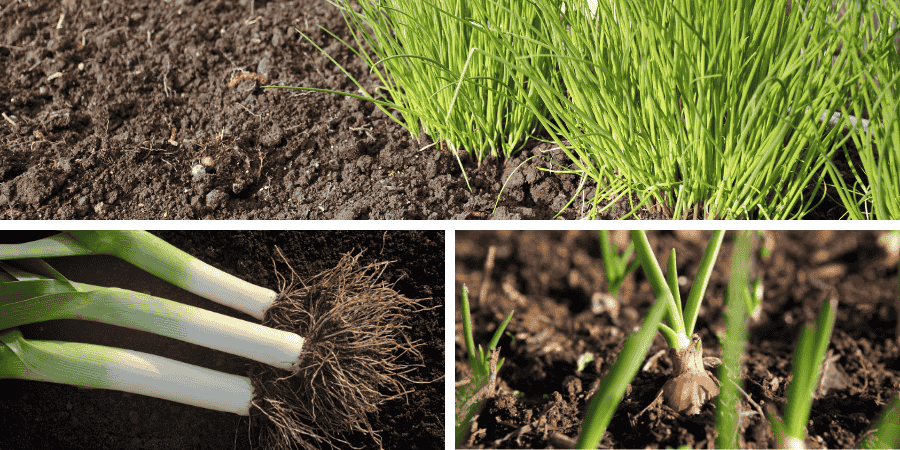
If you find onions challenging to grow, consider these alternatives. They are suitable for Florida’s climate and easy to grow.
Here are some great alternatives:
- Chives: These are hardy and grow quickly. Use them fresh or dried.
- Leeks: They require similar growing conditions to onions. They have a mild, onion-like flavor.
- Shallots: These grow well in Florida. They are milder and sweeter than regular onions.
Plant these alternatives in well-drained soil. Water them regularly and provide plenty of sunlight. They are less demanding than onions and offer a variety of culinary uses.
Check out this table for a quick comparison:
| Alternative | Flavor | Best Use |
| Chives | Mild | Garnishing, Salads |
| Leeks | Mild | Soups, Stews |
| Shallots | Sweet | Sauces, Dressings |
Ideal Planting Time
Growing onions in Florida can be both rewarding and fun. The key to a successful onion harvest is knowing the ideal planting time. Florida’s unique climate allows for two main planting seasons: spring and fall. Understanding the best time to plant will ensure your onions thrive and yield the best.
Spring Planting
Spring planting in Florida is popular due to the mild weather. The best time to plant onions in the spring is from late January to early March. Planting during this period allows the onions to mature before the intense summer heat sets in.
When planting in spring, consider these tips:
- Choose short-day or intermediate-day onion varieties. These types are well-suited to Florida’s climate.
- Prepare the soil by tilling and adding compost. Onions prefer well-drained, fertile soil.
- Space the onion sets or seedlings 4-6 inches apart. This spacing ensures they have enough room to grow.
Here is a simple table to help you remember the important details:
| Task | Details |
| Planting Time | Late January to Early March |
| Variety | Short-day or Intermediate-day |
| Spacing | 4-6 inches |
Water the onions regularly, especially during dry spells. Keep the soil moist but not waterlogged. Mulching can help retain moisture and control weeds. Fertilize the onions every few weeks with a balanced fertilizer to promote healthy growth.
Fall Planting
Fall planting is another excellent option for growing onions in Florida. The ideal time for fall planting is from mid-September to early November. This timing allows the onions to be established before the cooler winter months.
Here are some essential tips for fall planting:
- Select short-day onion varieties for fall planting. These varieties perform best in Florida.
- Prepare the soil similarly to spring planting. Till the soil and add compost for fertility.
- Plant the onion sets or seedlings 4-6 inches apart, ensuring enough space for growth.
A handy table for fall planting details:
| Task | Details |
| Planting Time | Mid-September to Early November |
| Variety | Short-day |
| Spacing | 4-6 inches |
Water the onions consistently, keeping the soil moist. Fall rains can help, but soil moisture levels must be monitored. Mulching is also beneficial in fall, helping retain moisture and reduce weed growth. Fertilize regularly with a balanced fertilizer to support healthy development.
Soil Preparation Techniques
Growing onions in Florida can be rewarding. To succeed, focus on soil preparation. Good soil helps onions grow strong and healthy. Here are some vital techniques to prepare your soil effectively.
Soil Testing
Before planting onions, test your soil. Soil testing reveals pH levels and nutrient content. This information helps you know what the soil needs for optimal growth.
Follow these steps to test your soil:
- Collect soil samples from different spots in your garden.
- Mix the samples in a clean container.
- Send the mixed sample to a local extension service or use a home testing kit.
Understanding your soil’s pH is crucial. Onions prefer a pH between 6.0 and 7.0. If your soil’s pH is too low or too high, it can hinder growth.
Soil nutrients are also important. The test results will show levels of nitrogen, phosphorus, and potassium. These nutrients are essential for healthy onion plants.
Here is a simple table to understand soil nutrient levels:
| Nutrient | Low | Optimal | High |
| Nitrogen (N) | <10 ppm | 10-20 ppm | >20 ppm |
| Phosphorus (P) | <15 ppm | 15-30 ppm | >30 ppm |
| Potassium (K) | <100 ppm | 100-200 ppm | >200 ppm |
Amending Soil
After testing the soil, it’s time to amend it. Amending soil means adding materials to improve its quality. This ensures onions have the best environment in which to grow.
If your soil pH is off, add amendments to balance it:
- To raise the pH, add lime.
- To lower the pH, add sulfur.
For nutrient deficiencies, add organic matter like compost or manure. These materials enrich the soil with needed nutrients. Here are some common amendments:
- Compost: Adds nutrients and improves soil structure.
- Manure: Provides nitrogen and other nutrients.
- Bone meal: Increases phosphorus.
- Wood ash: Raises pH and adds potassium.
Work amendments into the soil about 6-8 inches deep. This helps roots access nutrients easily.
Here’s a quick reference table for soil amendments:
| Amendment | Benefit |
| Compost | Improves soil structure, adds nutrients |
| Manure | Increases nitrogen, improves soil health |
| Bone meal | Boosts phosphorus |
| Wood ash | Raises pH, adds potassium |
Proper soil preparation sets the stage for a successful onion harvest. Follow these techniques to ensure your Florida garden thrives.
Planting Methods
Growing onions in Florida can be a rewarding experience with the right planting methods. Understanding the different techniques ensures a bountiful harvest. In this section, we’ll explore two primary planting methods: using seedlings and sets.
Seedlings
Planting onion seedlings in Florida is a popular method. It allows for a head start on the growing season. Begin by selecting the best Florida onion varieties suited for your region. Follow this onion planting guide to ensure success.
First, prepare the soil. Onions prefer well-drained, sandy loam soil. The soil requirements for onions include a pH level between 6.0 and 7.0. Ensure the soil is rich in organic matter. Add compost to improve fertility.
Next, plant the seedlings:
- Space seedlings 4-6 inches apart.
- Plant in rows 12-18 inches apart.
- Ensure the seedlings are planted 1 inch deep.
Regular watering is crucial. Follow an onion watering schedule to keep the soil moist but not waterlogged. Mulching helps retain moisture and control weeds. Check for pests frequently. Pest control for onions is vital to prevent damage from insects like thrips.
Proper onion care ensures healthy growth. Fertilize with a balanced fertilizer every 3-4 weeks. Monitor for any signs of nutrient deficiencies. As the onions grow, ensure they receive adequate sunlight, around 6-8 hours daily.
Harvesting time varies. Generally, onion harvest time is when the tops begin to yellow and fall over. Cure the onions in a dry, shaded area for a few days before storage.
Sets
Using onion sets is another effective method for vegetable gardening in Florida. Sets are small, dormant onion bulbs. They are easy to plant and manage. Here is an onion-growing tip: sets are less prone to diseases than seedlings.
Follow these steps to plant onion sets:
- Choose a sunny location with well-drained soil.
- Plant sets 1-2 inches deep.
- Space them 4 inches apart in rows 12 inches apart.
The best time to plant onions in Florida is during the cooler months, from late fall to early spring. Ensure the soil temperature is between 50°F and 85°F.
Maintain a consistent onion watering schedule. Water the sets thoroughly after planting. Keep the soil consistently moist, especially during dry spells. Mulching helps regulate soil temperature and moisture levels.
Fertilize the sets with a nitrogen-rich fertilizer. This encourages strong root development. Apply Fertilizer every 2-3 weeks. Watch for pests and diseases. Use organic or chemical treatments as needed for pest control for onions.
Monitor growth regularly. Onions are ready for harvest when the tops begin to yellow and fall over. Follow the same curing process as with seedlings. Store the harvested onions in a cool, dry place.
Both methods, seedlings, and sets, offer unique benefits for growing onions in Florida. Choose the method best suits your gardening needs and enjoy a successful harvest.
Watering Requirements
Growing onions in Florida requires understanding the area’s unique climate and soil conditions. Proper watering is one of the most critical factors for a successful onion crop. Onions need consistent moisture to grow well, but overwatering can lead to issues like rot. Let’s explore the watering requirements for growing onions in Florida.
Frequency
Onions must be watered regularly, but the frequency can vary based on the weather and soil conditions. In Florida, the climate can be quite variable, so it’s essential to monitor the soil moisture.
Here are some guidelines:
- Weekly watering: Onions generally need about 1 inch of water per week. This can come from rain or irrigation.
- Daily checks: During hot and dry periods, check the soil moisture daily. The top inch of soil should remain moist.
- Adjust for rainfall: If there’s significant rainfall, reduce irrigation accordingly. Too much water can be just as harmful as too little.
It’s also important to ensure good drainage in Florida’s humid environment. Poorly drained soil can cause water to accumulate, leading to root rot and other diseases. Raised bed gardening or mounds can help improve drainage and reduce the risk of overwatering.
Amount
The amount of water onions can vary depending on their growth stage. Young seedlings need consistent moisture, while mature plants can tolerate brief dry spells.
Consider the following:
- Seedlings: Provide enough water to keep the soil consistently moist. Young plants are more susceptible to drying out.
- Growing plants: As onions grow, they develop deeper roots and can access water further down in the soil. Water deeply to encourage root growth.
- Mature onions: Reduce watering as the onions near maturity. Too much water close to harvest can cause the bulb onion to split or rot.
It’s also helpful to use a drip irrigation system. This provides water directly to the roots and minimizes water waste. Mulching around the plants can also help retain moisture and reduce evaporation.
Here’s a simple table to summarize the watering needs:
| Growth Stage | Watering Amount |
| Seedlings | Keep soil consistently moist |
| Growing plants | Water deeply, 1 inch per week |
| Mature onions | Reduce watering, avoid overwatering |
Following these guidelines ensures that your onions receive the right amount of water at each growth stage, leading to a healthy and productive crop.
Fertilization Tips
Growing onions in Florida can be a rewarding experience. The warm climate and ample sunshine provide a good environment for onions to thrive. But, to get the best yield, proper fertilization is crucial. Here are some fertilization tips to help you grow healthy and flavorful onions.
Organic Options
Organic fertilizers are a great choice for growing onions in Florida. They provide essential nutrients and improve soil health without using chemicals. Here are some common organic options:
- Compost: Rich in nutrients and improves soil structure. Add a 2-3 inch layer before planting.
- Manure: Well-rotted manure provides nitrogen, phosphorus, and potassium. Use cow, horse, or chicken manure.
- Fish Emulsion: A liquid fertilizer high in nitrogen. Apply it once a month during the growing season.
- Bone Meal: High in phosphorus, which is essential for root development. Mix it into the soil at planting time.
Here’s a simple table to summarize the benefits of these organic options:
| Fertilizer | Benefits |
| Compost | Improves soil structure and nutrient content |
| Manure | Provides essential nutrients |
| Fish Emulsion | High in nitrogen |
| Bone Meal | High in phosphorus for root development |
Using organic fertilizers helps maintain soil health and promotes sustainable gardening practices. They are safe for the environment and your plants.
Chemical Options
Chemical fertilizers can also be effective for growing onions in Florida. They provide a quick nutrient boost and are easy to apply. Here are some common chemical options:
- 10-10-10 Fertilizer: Balanced formula providing equal parts nitrogen, phosphorus, and potassium. Apply at planting and every 4-6 weeks.
- Ammonium Nitrate: High in nitrogen. Use it to promote lush, green growth.
- Superphosphate: Provides a high amount of phosphorus. Essential for root development and flowering.
- Potassium Sulfate: Supplies potassium. Important for overall plant health and disease resistance.
Here’s a table to summarize the benefits of these chemical options:
| Fertilizer | Benefits |
| 10-10-10 FertilizerFertilizer | Balanced nutrients for overall growth |
| Ammonium Nitrate | High in nitrogen for green growth |
| Superphosphate | High in phosphorus for root development |
| Potassium Sulfate | Supplies potassium for plant health |
When using chemical fertilizers, follow the instructions on the package carefully. Over-fertilization can harm your plants and the environment. Always water the soil well after applying chemical fertilizers to help it absorb better.
Pest Management Strategies
Growing onions in Florida comes with its own set of challenges, especially when it comes to pest management. This warm and humid climate creates an ideal environment for various pests that can harm your onion crop. Understanding pest management strategies is crucial for a healthy harvest. Below, we dive into common pests and preventive measures to help you protect your onions effectively.
Common Pests
Several pests are commonly found in Florida that can affect onion growth. Here are the most prevalent ones:
- Onion Thrips: These tiny insects suck the sap from onion leaves, causing them to turn silver and curl. They thrive in hot, dry conditions and can significantly reduce yields.
- Leafminers: Larvae of certain flies burrow into the leaves, creating winding trails. This damage reduces the plant’s ability to photosynthesize, leading to stunted growth.
- Cutworms: These caterpillars feed at night and can sever young onion plants at the base. They are particularly troublesome during the early stages of growth.
- Armyworms: These pests feed on the foliage, often causing extensive damage. They can rapidly defoliate young onion plants if not controlled.
- Nematodes: These microscopic worms attack the roots, leading to poor nutrient uptake and stunted growth. They are often easier to detect once significant damage has occurred.
Here is a quick reference table for common pests and their effects:
| Pest | Effect on Onions |
| Onion Thrips | Leaf discoloration and curling |
| Leafminers | Winding trails in leaves |
| Cutworms | Severed plants at the base |
| Armyworms | Defoliation |
| Nematodes | Stunted growth |
Preventive Measures
Prevention is key to managing pests in onion crops. Here are some effective strategies:
- Crop Rotation: Rotate your onion crops with non-allium plants. This helps disrupt pest life cycles and reduces the buildup of pests in the soil.
- Sanitation: Remove plant debris and weeds from the field. Weeds can harbor pests, and debris provides hiding places for insects.
- Proper Spacing: Plant onions with adequate spacing to ensure good air circulation. This reduces humidity levels that attract pests like thrips.
- Use of Mulch: Apply mulch around your onion plants. Mulch can prevent soil-dwelling pests, like cutworms, from reaching the plants.
- Biological Controls: Introduce natural predators such as ladybugs and parasitic wasps. They help control pest populations naturally.
- Resistant Varieties: Select onion varieties that are resistant to common pests. This can significantly reduce pest-related issues.
Implementing these preventive measures can greatly reduce the risk of pest infestations. Consistent monitoring and early intervention are essential for keeping your onion crop healthy.
Disease Control
Growing onions in Florida can be very rewarding. However, controlling diseases is a crucial part of the process. Onion plants are prone to various diseases affecting their growth and yield. Proper disease control ensures healthy plants and a bountiful harvest.
Identifying Symptoms
Recognizing disease symptoms early is key to managing onion health. Here are common signs to look for:
- Yellowing Leaves: This could indicate fungal infections like downy mildew.
- Leaf Spots: Dark spots on leaves may point to bacterial or fungal infections.
- Wilting: Sudden wilting can signify root rot or other soil-borne diseases.
- Bulb Rot: Soft, discolored bulbs often suggest fungal or bacterial rot.
To better identify these symptoms, here’s a simple table:
| Symptom | Possible Disease |
| Yellowing Leaves | Downy Mildew |
| Leaf Spots | Fungal/Bacterial Infection |
| Wilting | Root Rot |
| Bulb Rot | Fungal/Bacterial Rot |
Early detection allows you to take swift action. Always inspect your onion plants regularly. Keep an eye out for any changes in their appearance or growth.
Treatment Options
Once you’ve identified a disease, treating it effectively is the next step. Here are some treatment options:
- Fungicides: Use them for fungal infections like downy mildew and leaf spots. Always follow the label instructions.
- Bacterial Sprays: These can help manage bacterial infections. Apply them as soon as you notice symptoms.
- Soil Treatment: For soil-borne diseases like root rot, improve soil drainage and avoid overwatering. Consider using soil fungicides if necessary.
- Crop Rotation: Rotate your onion crops with non-host plants. This reduces the risk of soil-borne diseases.
Using a combination of these methods often yields the best results. Here’s a quick summary table:
| Treatment | Best For |
| Fungicides | Fungal Infections |
| Bacterial Sprays | Bacterial Infections |
| Soil Treatment | Soil-borne Diseases |
| Crop Rotation | Reducing Disease Risk |
Implement these treatments as needed to ensure your onions grow healthy and strong. Regular monitoring and prompt action can save your crop from severe damage.
Harvesting Onions
Onions are a versatile and essential ingredient in many dishes. Growing onions in Florida can be rewarding with the right techniques. Harvesting onions at the right time ensures they are flavorful and store well. Let’s explore the best practices for harvesting onions in Florida.
Timing
Timing is crucial when harvesting onions in Florida. The hot and humid climate can affect the growth and maturation of onions. Here are some key points to consider:
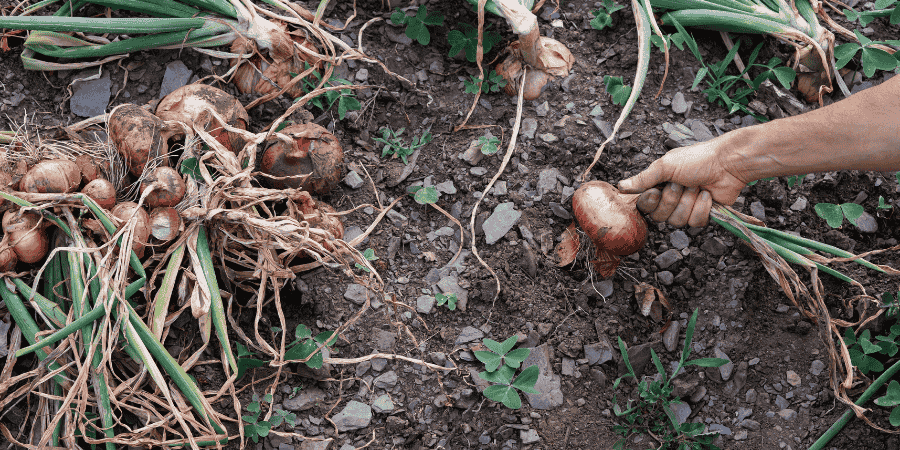
- Maturity: Onions are ready to harvest when the tops start to yellow and fall over. This usually happens about 100-120 days after planting onions.
- Season: In Florida, onions are typically planted in the fall and harvested in late spring to early summer. This helps avoid the extreme summer heat.
- Weather: Harvest onions on a dry day to prevent mold and rot. Wet conditions can lead to poor storage quality.
Here is a table summarizing the key timing aspects:
| Aspect | Details |
| Maturity | 100-120 days after planting |
| Season | Fall planting, late spring/early summer harvest |
| Weather | Harvest on dry days |
Techniques
Using the right techniques ensures a successful onion harvest. Here are some methods to follow:
- Lifting the Bulbs: Gently lift the onion bulbs with a garden fork or spade. Be careful not to damage the bulbs.
- Drying: Let the onions dry in the sun for a few days after lifting. This helps toughen the skin and improves storage life.
- Cleaning: Once dry, brush off any soil. Do not wash the onions, as this can introduce moisture and lead to rot.
- Storing: Store the onions in a cool, dry place. Proper storage can extend their shelf life to several months.
Here is a step-by-step guide:
- Check for maturity signs like yellowing and falling tops.
- Use a garden fork to lift the onions gently.
- Let the onions dry in the sun for 2-3 days.
- Brush off the soil and trim the tops.
- Store in a well-ventilated, cool, and dry place.
Proper techniques ensure your onions are flavorful and last longer. Pay attention to these methods to enjoy a bountiful harvest.
Storage Solutions
Growing onions in Florida can be rewarding. Yet, proper storage is vital to extend their freshness and usability. Understanding the best storage solutions ensures your onions remain in good condition for as long as possible.
Ideal Conditions
To store onions effectively, you need to maintain the right conditions. Onions prefer a dry, cool, and dark environment. Here are some key points to consider:
- Temperature: Aim for a storage temperature between 32°F and 40°F. This range helps prevent sprouting and rotting.
- Humidity: Low humidity is crucial. High humidity can lead to mold growth. Keep humidity levels below 65%.
- Ventilation: Good air circulation is necessary. Ensure onions are stored in well-ventilated spaces to avoid moisture buildup.
- Light: Store onions in the dark. Light exposure can cause sprouting.
Using the right storage containers can help maintain these conditions. Mesh bags, baskets, or wooden crates are ideal. Avoid plastic bags as they trap moisture.
| Storage Condition | Recommended Range |
| Temperature | 32°F – 40°F |
| Humidity | Below 65% |
| Light | Dark |
Shelf Life
The shelf life of onions varies based on the type and storage conditions. Generally, properly stored onions can last several months. Here are some guidelines:
- Yellow Onions: Typically last 2 to 3 months.
- Red Onions: Can be stored for 2 to 3 months as well.
- White Onions: Have a shorter shelf life, around 1 to 2 months.
Check onions regularly for signs of spoilage. Discard any that show mold, soft spots, or sprouting. Use the oldest onions first to minimize waste.
For extended storage, consider freezing or dehydrating onions. Freezing involves chopping onions and placing them in airtight containers. Dehydrating requires slicing onions and using a food dehydrator or oven.
Proper storage extends the usability of your onions, ensuring you have fresh, flavorful produce for months.
Common Mistakes To Avoid
Growing onions in Florida can be rewarding if you know the right techniques. However, many gardeners make common mistakes that can hinder their success. Understanding these pitfalls can help you grow healthy onions. Let’s look at some common mistakes to avoid.
Overwatering
One of the biggest mistakes when growing onions in Florida is overwatering. Onions need consistent moisture, but more water can be required. Excess water can lead to rot and fungal diseases, ruining your crop.
To avoid overwatering, follow these tips:
- Check soil moisture – Use your finger to check the soil. It should be moist but not soggy.
- Watering schedule – Water onions 1-2 times a week. Adjust based on rainfall and soil type.
- Proper drainage – Ensure your garden has good drainage. Raised beds can help.
Here’s a simple table to understand the signs of overwatering vs. underwatering:
| Signs | Overwatering | Underwatering |
| Leaves | Yellow and wilted | Dry and brittle |
| Soil | Wet and compact | Dry and crumbly |
| Bulbs | Soft and rotting | Small and hard |
Incorrect Variety
Choosing the right onion variety can lead to better growth and small bulbs. Florida’s climate is unique, so selecting the right type is crucial. Southern onions, also known as short-day onions, are best for Florida.
Here are some suitable varieties:
- Granex – Known for its sweet onion flavor and large bulbs.
- Texas Grano – Another sweet onion variety that thrives in Florida.
- Yellow Granex – A popular choice with good yield.
Why short-day onions? They need less daylight to form bulbs, making them perfect for Florida’s winter months. Plant these onions in the fall for the best results.
Remember these tips:
- Check the onion seed packet for the right day-length requirement.
- Plant at the right time – late fall to early winter.
- Provide proper care – water, fertilize, and mulch.
Choosing the right variety can make a big difference in your onion harvest. Ensure you pick the best types for Florida’s growing conditions.
Seasonal Challenges
Growing onions in Florida presents unique challenges due to the state’s distinct climate. Understanding these challenges is crucial for successful cultivation. This section will discuss two significant seasonal challenges: managing heat and dealing with humidity.
Heat Management
Florida’s heat can be intense and prolonged, making it hard for onions to thrive. Here are some tips to manage the heat:
- Timing: Plant onions in late fall or early winter to avoid the peak summer heat.
- Mulching: Use organic mulch to keep the soil cool and retain moisture.
- Irrigation: Water onions early in the morning or late in the evening to reduce evaporation.
Using shade cloths can also help protect onions from direct sunlight. These clothes reduce the temperature by blocking some of the sun’s rays. Here is a simple table showing the benefits of using shade cloth:
| Shade Cloth Percentage | Temperature Reduction |
| 30% | 3-4 degrees Celsius |
| 50% | 5-6 degrees Celsius |
| 70% | 7-8 degrees Celsius |
Choosing the right onion variety is also essential. Opt for heat-tolerant types such as ‘Texas Grano’ or ‘Granex.’ These varieties can handle higher temperatures better. Regularly check the soil temperature using a soil thermometer. If it exceeds 85°F, consider additional cooling measures.
Humidity Issues
High humidity in Florida can lead to fungal diseases and rot. Proper management can mitigate these issues:
- Spacing: Plant onions with enough space to ensure good air circulation.
- Watering: Avoid overhead watering to reduce the risk of fungal infections.
- Soil Drainage: Ensure the soil has good drainage to prevent waterlogging.
Using raised beds can improve drainage and reduce humidity-related problems. Raised beds allow excess water to drain away more quickly. Here is a quick guide on building a simple raised bed:
- Choose a location with good sunlight.
- Build a frame using untreated wood.
- Fill the bed with well-draining soil.
Applying fungicides can also help control fungal diseases. Use copper-based fungicides as they are effective and safe for vegetables. Regularly inspect onions for signs of disease, such as yellowing leaves or mold. Promptly remove any affected plants to prevent the spread of disease.
By managing heat and humidity, growing onions in Florida can be rewarding. With careful planning and attention, you can enjoy a bountiful harvest.
Local Resources And Support
Growing onions in Florida can be a rewarding experience. The state’s climate is suitable for various onion varieties, making it possible to have a bountiful harvest. To ensure success, tapping into local resources and support is crucial. These resources provide valuable information, guidance, and a sense of community. Let’s explore some of the key resources available to Florida onion growers.
Extension Services
Extension services are a valuable resource for anyone looking to grow onions in Florida. Universities and government agencies offer these services to support local agriculture. They provide expert advice, educational programs, and research-based information to help you succeed in your gardening endeavors.
Some of the key benefits of using extension services include:
- Access to expert horticulturists and agronomists
- Workshops and training sessions on onion cultivation
- Soil testing and analysis services
- Information on pest and disease management
- Guides on the best onion varieties for Florida
You can visit the University of Florida’s Institute of Food and Agricultural Sciences (UF/IFAS) website to find extension services in your area. They have extension offices in every county across the state. Here is a sample of the resources they offer:
| Resource | Description |
| Soil Testing | Provides detailed analysis of soil composition and recommendations for improvement. |
| Workshops | Hands-on training sessions covering various aspects of onion growing. |
| Pest Management | Guidance on identifying and controlling common pests affecting onions. |
These services can help you gain valuable insights and improve your chances of a successful onion harvest.
Gardening Clubs
Gardening clubs offer another layer of support for onion growers in Florida. These clubs unite gardening enthusiasts of all levels, providing a platform to share knowledge, experiences, and resources.
Joining a gardening club offers several benefits:
- Networking opportunities with fellow gardeners
- Access to gardening events and plant swaps
- Monthly meetings with guest speakers and expert presentations
- Group projects and community gardening initiatives
- Mentorship from experienced gardeners
You can check local community centers, libraries, or online directories to find a gardening club near you. Here is an example of what a typical gardening club schedule might look like:
| Event | Description |
| Monthly Meeting | Guest speakers discuss topics such as onion cultivation and pest control. |
| Plant Swap | Members exchange plants and onion seeds, including various onion varieties. |
| Community Garden Day | Group work on a local community garden, sharing tips and techniques. |
Gardening clubs foster a sense of community and provide a supportive environment where you can learn and grow as a gardener. By engaging with these clubs, you can enhance your onion-growing skills and enjoy the camaraderie of fellow enthusiasts.
Frequently Asked Questions
When Is The Best Time To Plant Onions In Florida?
Plant onions in Florida between mid-September and early December for best results.
What Type Of Onions Grow Well In Florida?
Short-day onions grow best in Florida due to the state’s daylight patterns.
How Do I Prepare Soil For Growing Onions?
Ensure well-drained soil with a pH of 6. 0-6. 8. Add compost to enrich it.
How Often Should I Water My Onion Plants?
Water onions once or twice a week. Keep soil consistently moist but not soggy.
Can Onions Grow In Containers In Florida?
Yes, onions can grow in containers. Ensure pots are at least 12 inches deep.
How Can I Protect Onions From Pests?
Use organic pesticides or neem oil. Check plants regularly for signs of pests.
When Are Onions Ready To Be Harvested In Florida?
Harvest onions when tops fall over and turn brown, usually 4-5 months after planting.
Conclusion
Growing onions in Florida is rewarding and fun. Start with good soil and sunlight. Water regularly, but do just what is necessary. Watch out for pests and diseases. Harvest when tops fall over. Store onions in a cool, dry place. Share your harvest with friends and family.
Enjoy the fresh taste of homegrown onions. Keep practicing and learning. Happy gardening!