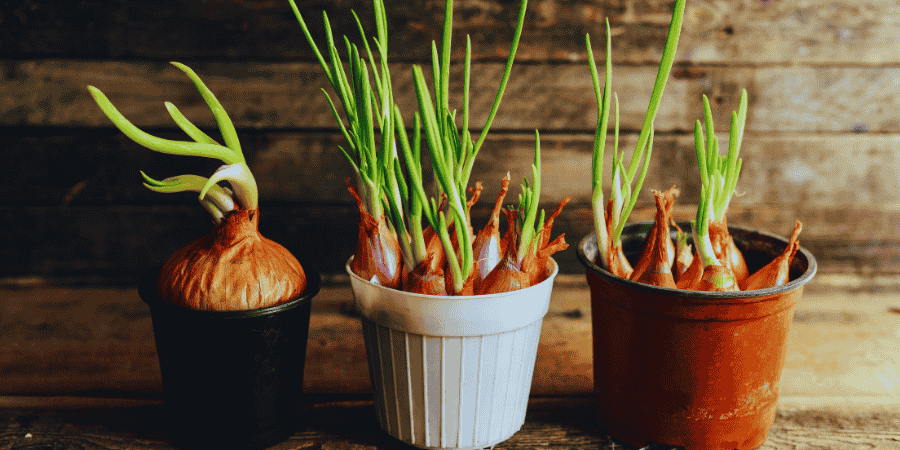
Grow green onions in a pot with well-draining soil. Keep the soil moist and place the pot in sunlight.
Growing green onions in a pot is a simple and rewarding gardening project. These versatile vegetables can be grown indoors or outdoors, making them perfect for small spaces. Green onions require minimal care and can be harvested multiple times, providing a continuous supply.
Select a pot with drainage holes and use rich, well-draining soil for best results. Ensure the pot receives plenty of sunlight, ideally six hours daily. Water regularly to keep the soil moist, but avoid overwatering. You can enjoy fresh green onions from your home garden bed with these easy steps.
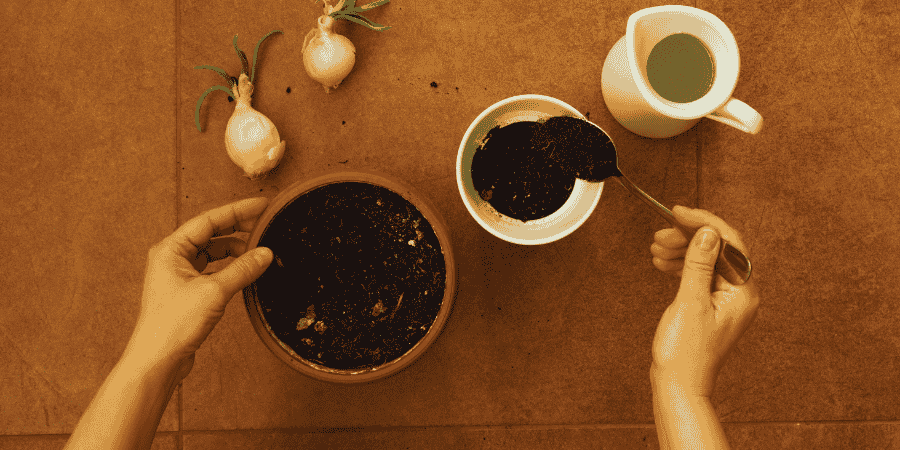
Choosing The Right Pot
Green onions are easy to grow at home, even in small spaces. Growing Onions is a great option. Choosing the right pot is crucial for healthy growth. Let’s explore the key factors to consider.
Size Matters
Choosing the right size pot is important. Green onions need enough space for their roots.
Small pots are not ideal. They can restrict root growth. This affects the plant’s health.
A pot with a depth of at least 6 inches is best. This gives roots enough room to grow.
| Pot Size | Benefits |
| 6-8 inches deep | Provides enough root space |
| 8-10 inches wide | Allows multiple plants |
- Choose a pot with a good drainage system.
- Ensure the pot has drainage holes at the bottom.
- Use a saucer to catch excess water.
Remember, the right-sized pot helps green onions thrive. It supports healthy roots and good growth.
Material Options
The material of the pot also matters. Different materials have different benefits.
Plastic pots are lightweight. They are easy to move. They are also affordable.
Clay pots are heavier. They provide good air circulation. They keep the garden soil cool.
Wooden pots are natural and eco-friendly. They look great in gardens.
| Material | Advantages | Disadvantages |
| Plastic | Lightweight, Affordable | Less durable, Can overheat |
| Clay | Good air circulation Keeps soil cool | Heavy, Can break easily |
| Wood | Eco-friendly, Aesthetic | Can rot, Needs treatment |
Each material has its pros and cons. Choose the one that suits your needs best.
In summary, consider both size and material when choosing a pot for green onions. A good pot ensures healthy, strong plants.
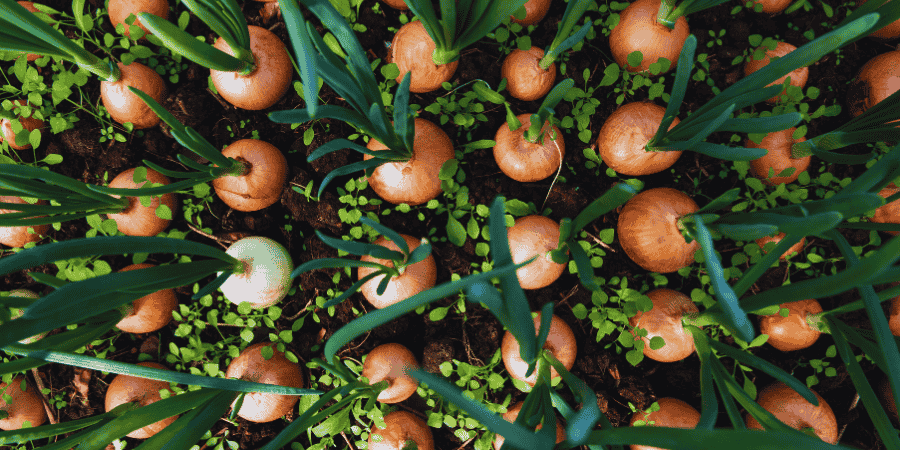
Selecting Quality Green Onions
Growing green onions in a pot is easy and rewarding. Selecting quality green onions is essential for a good harvest. Healthy green onions grow faster and taste better. Let’s explore how to choose the best green onions for your pot garden.
Store-bought Vs. Homegrown
Choosing between store-bought and homegrown green onions is important. Both have their pros and cons.
Store-bought green onions are convenient. They are ready to plant and can be found in most grocery stores. But they might carry pesticides or chemicals. These onions may also lack freshness.
- Pros:
- Easy to find
- Ready to plant
- Cons:
- Potential chemicals
- Less fresh
Homegrown green onions offer more control. You can grow them from seeds indoors or scraps. They are often healthier and more organic.
- Pros:
- Healthier
- Organic
- Cost-effective
- Cons:
- More time needed
- Requires care
Both options can yield great results. The choice depends on your preference and time.
Best Varieties To Use
There are many green onion varieties. Choosing the best one is crucial for successful growth. Here are some top varieties to consider:
| Variety | Characteristics |
| White Lisbon | Fast-growing, mild onion flavor, ideal for pots |
| Evergreen Hardy | Cold-hardy, strong flavor, long-lasting |
| Red Beard | Unique color, sweet taste, attractive appearance |
| Parade | Thick stalks, disease-resistant, easy to grow |
White Lisbon is a popular choice. It grows quickly and has a mild taste.
Evergreen Hardy is perfect for colder climates. It has a strong flavor and lasts long.
Red Beard stands out with its color. Its sweet taste makes dishes look and taste great.
Parade is known for its thick stalks. It resists diseases and is easy to grow.
Selecting the right variety ensures a bountiful and tasty harvest.
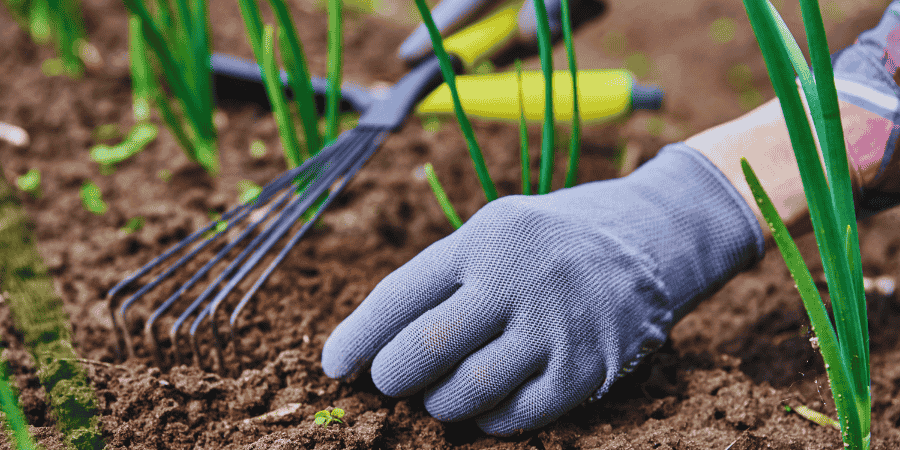
Preparing The Soil
Growing green onions indoors in pots is a delightful and rewarding experience. These versatile veggies are easy to grow and can thrive in small spaces. The first step to a successful harvest is preparing the soil. Ensuring the right soil sets the foundation for healthy growth and abundant yields.
Soil Types
Choosing the right soil type is crucial for growing onions in pots. Green onions prefer well-draining soil that is rich in organic matter. Here are some options to consider:
- Loamy Soil: This soil type mixes sand, silt, and clay. It retains moisture well and provides good drainage.
- Sandy Soil: Sandy soil drains quickly, which prevents root rot. However, it may need more frequent watering.
- Clay Soil: While clay soil can retain nutrients, it might not drain well. Mixing it with sand or compost can improve its drainage.
Using a high-quality potting mix can also be beneficial. Look for a blend designed for vegetables containing perlite or vermiculite for better aeration and drainage. A good potting mix ensures the roots get enough oxygen and prevents waterlogging.
Nutrient Requirements
Green onions thrive when they get the right nutrients. Providing a balanced nutrient mix ensures they grow strong and healthy. Here’s what you need to know:
Essential Nutrients:
- Nitrogen (N): Promotes leafy growth. Use a fertilizer with higher nitrogen content for lush green tops.
- Phosphorus (P): Supports root development. Phosphorus is essential during the early stages of growth.
- Potassium (K) enhances overall green onion plant health and disease resistance. It also helps develop strong stems.
Applying a balanced, slow-release fertilizer is ideal. A 10-10-10 fertilizer (equal parts of nitrogen, phosphorus, and potassium) works well for green onions. Additionally, incorporating organic compost into the soil can provide a steady supply of nutrients.
Here’s a simple table for quick reference:
| Nutrient | Function | Sources |
| Nitrogen (N) | Leafy growth | Compost, fish emulsion |
| Phosphorus (P) | Root development | Bone meal, rock phosphate |
| Potassium (K) | Overall health | Wood ash, kelp meal |
Ensuring the soil is rich in these nutrients will support the growth of healthy green onions. Regularly check the soil and adjust the nutrient levels for the best results.
Planting Techniques
Green onions are easy to grow in pots. They are perfect for small spaces and beginner gardeners. Understanding the right planting techniques ensures a healthy, bountiful harvest. Here’s a detailed guide on spacing and depth considerations for planting green onions in pots.
Spacing Guidelines
Proper spacing is crucial for the growth of green onions. It ensures each plant gets enough nutrients, sunlight, and air circulation. Here’s how to achieve the best spacing:
- Plant green onions 1-2 inches apart. This allows the roots to spread without competing for resources.
- Leave at least 3 inches between rows. This spacing helps with air circulation and makes water and weed your plants easier.
Here’s a table to summarize the spacing guidelines:
| Plant Spacing | Row Spacing |
| 1-2 inches | 3 inches |
Crowded plants can lead to stunted growth and poor yields. They may also be more prone to diseases. Keeping the right distance between your plants helps them grow strong and healthy.
Depth Considerations
Planting depth affects the growth and stability of green onions. Planting too deep or too shallow can cause problems. Follow these depth considerations for the best results:
- Plant green onion seeds 1/4 inch deep. This depth is ideal for seed germination and ensures they get enough moisture from the soil.
- For transplanting, plant the roots about 1 inch deep. This helps the plants establish strong roots and stand upright.
Here’s a quick reference for planting depth:
| Plant Type | Recommended Depth |
| Seeds | 1/4 inch |
| Transplants | 1 inch |
Shallow planting can expose roots and make plants unstable. Deep planting can lead to rot and poor growth. Following this depth, guidelines ensure your green onions develop strong roots and thrive in their pots.
Watering Essentials
Growing green onion plants in a pot is easy and fun. One key step is to water them properly. This section covers the watering essentials needed for healthy green onions.
Frequency
Green onions need consistent moisture. Water them regularly to keep the soil damp. If the soil dries out, the plants can suffer. Here are some tips on how often to water:
- Daily Check: Check the soil every day. If the top inch is dry, it’s time to water.
- Twice a Week: Water your green onions twice a week. More often if the weather is hot.
- Morning Watering: Water in the morning. This helps the soil dry during the day, preventing root rot.
Use a watering can with a fine spout. This helps to spread water evenly. Avoid splashing water on the leaves. Wet leaves can attract pests and diseases.
Below is a table summarizing the watering green onion schedule:
| Condition | Frequency |
| Normal Weather | Twice a week |
| Hot Weather | 3-4 times a week |
| Cool Weather | Once a week |
Signs Of Overwatering
Overwatering can harm your green onions. Watch for these signs to avoid problems:
- Yellow Leaves: Yellow or wilted green onion leaves can mean too much water.
- Soft Stems: If the stems feel soft or mushy, reduce watering.
- Foul Smell: A bad smell from the soil often means root rot.
If you notice any of these signs, take action:
- Reduce Watering: Let the soil dry out before the next watering.
- Improve Drainage: Ensure the pot has drainage holes. Excess water should escape easily.
- Check Roots: If root rot is severe, remove the plant. Trim away rotted roots and replant in fresh soil.
Overwatering is a common issue. Paying attention to these signs can keep your green onions healthy and thriving.
Light Requirements
Green onions are easy to grow in pots, making them a perfect choice for beginners. One crucial factor for their growth is light. Green onions need adequate light to thrive and grow healthy. Let’s explore the light requirements for growing green onions in pots.
Sunlight Needs
Green onions love sunlight. They need about 6-8 hours of direct sunlight each day. Placing your pot in a sunny spot is essential for their growth. A south-facing window or a sunny balcony works best.
If you don’t get enough sunlight, consider moving the pot around. This helps maximize exposure to natural light.
- Morning sunlight is gentler and preferred.
- Avoid strong afternoon sun if the weather is hot.
In colder climates, choose a bright spot indoors. Make sure the area receives plenty of light.
Here’s a quick table summarizing the sunlight needs:
| Requirement | Details |
| Hours of Sunlight | 6-8 hours daily |
| Best Location | South-facing window or sunny balcony |
| Preferred Sunlight | Morning sunlight |
Artificial Lighting Options
If natural sunlight is scarce, artificial lighting can help. Green onions can grow under LED or fluorescent lights. These lights mimic the sun’s spectrum and provide essential light.
Use grow lights designed for plants. They come in different types and are easy to set up.
- Place the light about 6 inches above the plants.
- Keep the light on for about 12-14 hours a day.
- Turn off the lights at night to mimic natural cycles.
Here’s a quick guide on choosing the right artificial light:
| Type | Details |
| LED Lights | Energy-efficient, long-lasting |
| Fluorescent Lights | Cost-effective, easy-to-find |
| Grow Lights | Specifically designed for plants |
Using artificial light ensures your green onions get the needed light, even during winter.
Temperature Preferences
Growing green onions in pots is a delightful and rewarding experience. One critical aspect of successful growth is understanding the temperature preferences of green onions. Temperature plays a crucial role in their development, health, and yield. Let’s dive into the conditions ideal for growing green onions and how to handle temperature extremes.
Ideal Conditions
Green onions thrive in moderate temperatures. The ideal temperature range for green onions is between 55°F to 75°F (13°C to 24°C). This range ensures optimal growth and development.
Here are some key points to consider:
- Daytime temperatures: Keep them between 60°F to 70°F (15°C to 21°C).
- Nighttime temperatures: Maintain a range of 55°F to 60°F (13°C to 15°C).
- Soil temperature: Ensure the soil stays around 60°F (15°C) for proper root development.
Maintaining consistent temperatures promotes healthy growth. Green onions prefer a stable environment without sudden temperature swings.
Here is a table summarizing the ideal temperature conditions:
| Condition | Temperature Range |
| Daytime | 60°F to 70°F (15°C to 21°C) |
| Nighttime | 55°F to 60°F (13°C to 15°C) |
| Soil | 60°F (15°C) |
Green onions are quite adaptable, but providing these ideal conditions will maximize their growth potential. Aim to place your pot where these temperature ranges are easily maintained.
Dealing With Extremes
Sometimes, temperatures can go beyond the ideal range. Knowing how to manage these extremes is crucial for the health of your green onions.
High temperatures can cause green onions to bolt, which means they start to flower and go to seed. This process stops leaf growth and can affect flavor. To manage high temperatures:
- Move the pot to a shaded area during the hottest part of the day.
- Use a shade cloth to reduce direct sunlight exposure.
- Ensure the soil is consistently moist but not soggy.
Low temperatures can slow down the growth of green onions and may lead to frost damage. To protect your plants from cold extremes:
- Bring the pot indoors if temperatures drop below 50°F (10°C).
- Use a cloche or cold frame to cover and insulate the plants.
- Place mulch around the base of the plants to retain soil warmth.
Here is a quick reference table for dealing with temperature extremes:
| Extreme Condition | Action |
| High temperatures | Shade the plants, keep the soil moist |
| Low temperatures | Bring indoors, use cloche, add mulch |
By taking these actions, you can protect your green onions from temperature extremes and ensure they thrive in your pot garden.
Fertilizing Tips
Green onions are easy to grow in pots. They need proper care to thrive. One key aspect of their care is fertilizing. Fertilizing ensures that green onions get essential nutrients. Here are some tips to help you fertilize green onions correctly.
Types Of Fertilizers
Choosing the right fertilizer is crucial for healthy green onions. There are several types of fertilizers you can use:
- Organic Fertilizers: These include compost, bone meal, and fish emulsion. They enrich the soil naturally.
- Inorganic Fertilizers: These are chemical-based and can provide a quick nutrient boost. Examples are 10-10-10 or 20-20-20 fertilizers.
- Liquid Fertilizers: These are easy to apply and quickly absorbed by the plants. They often come in concentrated forms.
- Slow-release Fertilizers: These release nutrients over time. They reduce the need for frequent applications.
A balanced fertilizer with equal nitrogen, phosphorus, and potassium works well for green onions. Organic options are great for a more natural approach. Inorganic options can provide immediate results. Choosing between these depends on your preference and the needs of your plants.
Application Methods
Applying fertilizer correctly is just as important as choosing the right type. Here are some methods:
- Soil Incorporation: Mix the fertilizer into the soil before planting. This ensures even nutrient distribution.
- Top Dressing: Sprinkle fertilizer on the soil surface around the plants. Water it in to help it reach the roots.
- Foliar Feeding: Spray liquid fertilizer directly onto the leaves. This allows quick absorption of nutrients.
- Watering Can Method: Dilute liquid fertilizer in water and apply it during regular watering.
For best results, fertilize green onions every two to three weeks. Avoid over-fertilizing, as it can damage the plants. Always follow the manufacturer’s instructions for the correct dosage. Proper application methods ensure your green onions receive the nutrients they need to grow strong and healthy.
Pest Management
Growing green onions in a pot is simple and rewarding. Yet, keeping your plants healthy involves managing pests effectively. Pest management is essential to ensure your green onions grow strong and thrive. Let’s explore common pests and natural remedies to keep your green onions pest-free.
Common Pests
Green onions in pots can attract various pests. Knowing these pests helps in timely identification and management. Here are some common pests:
- Aphids: Small, sap-sucking insects that gather on leaves and stems. They can cause yellowing and curling of leaves.
- Thrips: Tiny insects that feed on plant sap, leading to silvery or brown patches on leaves.
- Onion Maggots: Larvae of the onion fly that burrow into bulb onions and roots, causing wilting.
- Cutworms: Caterpillars that cut through stems at the soil level, often killing young plants.
| Pest | Symptoms | Impact |
| Aphids | Yellowing, curling leaves | Stunted growth, reduced yield |
| Thrips | Silvery, brown patches | Leaf damage, poor growth |
| Onion Maggots | Wilting plants | Bulb and root damage |
| Cutworms | Cut stems | Plant death |
Natural Remedies
Using natural remedies helps protect your green onions without harmful chemicals. Here are some effective methods:
- Neem Oil: Spray neem oil solution on affected plants. It repels pests and disrupts their lifecycle.
- Garlic Spray: Mix crushed garlic with water and spray on plants. Garlic deters many pests naturally.
- Diatomaceous Earth: Sprinkle diatomaceous earth around the base of plants. It damages pests’ exoskeletons, leading to dehydration.
- Beneficial Insects: Introduce ladybugs or lacewings. These insects feed on aphids and other small pests.
Additionally, practice crop rotation and remove any dead plant material. Healthy plants resist pests better. Companion planting with marigolds or chives can also deter pests.
Harvesting Green Onions Techniques
Growing green onions in pots is an excellent way to enjoy fresh, homegrown produce. Knowing the right harvesting techniques ensures you get the most out of your plants. By harvesting correctly, you can enjoy green onions for longer and encourage continuous growth.
When To Harvest
Green onions are ready to harvest at about 6 to 8 inches tall. This usually takes about 3 to 4 weeks after planting. To ensure you pick them at the right time, check for the following signs:
- Height: Stalks should be 6 to 8 inches tall.
- Thickness: The base should be about the size of a pencil.
- Color: The leaves should be a vibrant green color.
It’s also important to harvest before the onion bulbs start to form. For the best flavor, pick green onions early in the morning when they are most hydrated. Consistent harvesting helps the plant focus on producing new shoots.
Here is a quick reference table to help you:
| Sign | Description |
| Height | 6 to 8 inches |
| Thickness | Base the size of a pencil |
| Color | Vibrant green leaves |
How To Cut
Once your green onions are ready to harvest, cutting them correctly is important to encourage regrowth. Use clean, sharp scissors or a knife to avoid damaging the plant. Follow these steps:
- Locate the base of the stalk where it meets the soil.
- Cut the stalk: Snip about 1 inch above the soil line.
- Leave the roots intact: This allows the plant to regrow.
Ensure to cut only the outer stalks, leaving the inner ones to continue growing. This method ensures a continuous supply of green onions. Repeat the process every couple of weeks to maintain a steady harvest.
Here are a few tips for a successful harvest:
- Use clean tools: This prevents disease and infection.
- Water after cutting: Helps the plant recover quickly.
- Avoid over-harvesting: Leave enough stalks for regrowth.
Following these simple steps, you can enjoy fresh green onion from your pot all season.
Regrowing Green Onions
Green onions are easy to grow in pots, making them perfect for beginners. Regrowing green onions is a fun and simple process. You can use two main methods: the water method and the soil method. Let’s dive into how each method works.
Water Method
The water method is simple and quick. First, cut the green onions about 1-2 inches above the white roots. Place these white ends in a glass of water. Make sure the roots are submerged. The glass should be placed in a sunny spot, like a windowsill.
Change the water every few days to keep it fresh. You will see new green shoots in a few days. Here are the steps in a bullet format for easy reference:
- Cut green onions 1-2 inches above roots.
- Place the white ends in a glass of water.
- Ensure roots are submerged.
- Put the glass in a sunny spot.
- Change the water every few days.
Here is a quick table summarizing the water method:
| Step | Action |
| 1 | Cut green onions 1-2 inches above roots. |
| 2 | Place the white ends in a glass of water. |
| 3 | Ensure roots are submerged. |
| 4 | Put the glass in a sunny spot. |
| 5 | Change the water every few days. |
Soil Method
The soil method is another effective way to regrow green onions. First, cut the green onions about 1-2 inches above the white roots. Plant these white ends in a small pot filled with potting soil. Ensure the roots are covered with soil.
Water the pot lightly and place it in a sunny spot. The soil should be kept moist but not soggy. In a week, you will see new green shoots. Here are the steps in a bullet format for easy reference:
- Cut green onions 1-2 inches above roots.
- Plant the white ends in a small pot with soil.
- Ensure roots are covered with soil.
- Water the pot lightly.
- Place the pot in a sunny spot.
- Keep the soil moist, not soggy.
Here is a quick table summarizing the soil method:
| Step | Action |
| 1 | Cut green onions 1-2 inches above roots. |
| 2 | Plant the white ends in a small pot with soil. |
| 3 | Ensure roots are covered with soil. |
| 4 | Water the pot lightly. |
| 5 | Place the pot in a sunny spot. |
| 6 | Keep the soil moist, not soggy. |
Common Mistakes
Growing green onions in a pot is a simple and rewarding experience. But even the easiest plants can be tricky if you make certain mistakes. To ensure your green onions thrive, avoiding some common pitfalls is important. Here are a few mistakes you should watch out for.
Overwatering Issues
One of the biggest mistakes is overwatering. Green onions need water, but too much can harm them. Overwatering can lead to root rot, which kills the plant. To avoid this, water your green onions only when the soil feels dry.
Here are some tips to prevent overwatering:
- Use a pot with drainage holes. This lets excess water escape.
- Water the plant only when the top inch of soil is dry.
- Avoid using saucers that collect water under the pot.
Consider this watering schedule as a guide:
| Season | Watering Frequency |
| Spring | Once a week |
| Summer | Twice a week |
| Fall | Once a week |
| Winter | Once every two weeks |
Remember, less is more when it comes to watering green onions. Always check the soil before adding more water.
Poor Lighting
Poor lighting is another common mistake. Green onions need plenty of sunlight to grow. Without enough light, they become weak and spindly. Place your pot in a sunny spot for at least 6 hours daily.
Here are some tips to ensure your green onions get enough light:
- Place the pot near a south-facing window.
- Use a grow light if natural light is insufficient.
- Rotate the pot every few days to ensure even light distribution.
Consider this light exposure guide:
| Location | Hours of Light Needed |
| South-facing window | 6-8 hours |
| East/West-facing window | 4-6 hours |
| Grow light | 10-12 hours |
Proper lighting is crucial for healthy green onions. Ensure they get enough light to thrive.
Seasonal Care
Growing green onions in a pot can be a rewarding experience. These versatile veggies are easy to grow and care for, making them perfect for beginners. Knowing how to care for your green onions throughout the seasons ensures healthy growth and a bountiful harvest. This guide will walk you through the essential seasonal care tips to keep your potted green onions thriving year-round.
Spring And Summer Tips
Spring and summer provide the perfect conditions for green onions to flourish. During these warmer months, follow these tips to ensure your green onions grow strong and healthy:
- Watering: Green onions need consistent moisture. Water them at least 2-3 times a week, ensuring the soil remains damp but not waterlogged.
- Sunlight: Place your pot in a sunny location. Green onions need at least 6 hours of sunlight daily.
- Fertilizing: Use a balanced fertilizer every 4-6 weeks. This will provide the necessary nutrients for robust growth.
- Pest Control: Check for pests such as aphids and spider mites. Remove them manually or use organic insecticidal soap.
- Pruning: Regularly trim the tops to encourage new growth. This also prevents the onions from becoming too leggy.
Here’s a simple table summarizing the key care points for spring and summer:
| Care Task | Frequency |
| Watering | 2-3 times a week |
| Sunlight | 6+ hours daily |
| Fertilizing | Every 4-6 weeks |
| Pest Control | As needed |
| Pruning | Regularly |
Fall And Winter Care
Fall and winter require different care strategies to keep your green onions healthy. As the temperature drops, take these steps to ensure your plants remain vibrant:
- Watering: Reduce watering frequency to once a week. Monitor the soil moisture to prevent overwatering.
- Sunlight: Move the pot to a spot with maximum sunlight. Winter sunlight is weaker, so every bit helps.
- Temperature: Green onions can tolerate light frost. Bring the pot indoors or use a frost cover if temperatures drop below freezing.
- Fertilizing: Fertilize once a month with a half-strength solution. This supports the plant without encouraging too much growth.
- Pest Control: Pests are less active in winter but are still checked for signs and acted accordingly.
Here’s a table for quick reference on fall and winter care:
| Care Task | Frequency |
| Watering | Once a week |
| Sunlight | Maximum possible |
| Temperature | Monitor and protect from frost |
| Fertilizing | Monthly (half-strength) |
| Pest Control | As needed |
Using Green Onions
Green onions, also known as scallions, are easy to grow in pots and can add a fresh flavor to many dishes. This section will explore the various ways to use green onions once you have grown them successfully.
Culinary Uses
Green onions are versatile and can enhance the taste of many dishes. Their mild flavor makes them suitable for both raw and cooked recipes. Here are some popular culinary uses:
- Salads: Chop green onions and add them to your salads for a fresh, zesty flavor.
- Soups: Use green onions as a garnish for miso or chicken noodle soup.
- Stir-fries: Add sliced green onions for a pop of color and flavor.
- Omelets: Mix chopped green onions into your omelets for an extra layer of taste.
- Dips: Blend green onions into dips like guacamole or sour cream for a tangy twist.
Green onions can also be used as a garnish for various dishes. Sprinkle them on top of baked potatoes, tacos, or grilled meats. They add a touch of color and flavor to any meal. You can also use both the green and white parts. The white part has a stronger flavor, while the green is milder and more delicate.
Nutritional Benefits
Green onions are not only delicious but also packed with nutrients. They offer several health benefits, making them a great addition to your diet. Here are some key nutritional benefits:
| Nutrient | Benefit |
| Vitamin K | Supports blood clotting and bone health |
| Vitamin C | Boosts the immune system and aids in collagen production |
| Fiber | Promotes healthy digestion and helps in weight management |
| Folate | Important for cell division and DNA synthesis |
Green onions also contain antioxidants, which help to protect the body from harmful free radicals. These antioxidants can reduce inflammation and lower the risk of chronic diseases. The low-calorie content makes them a healthy choice for those trying to manage their weight. Plus, they are easy to incorporate into various meals.
Adding green onions to your diet can improve your overall health and well-being. Their combination of vitamins, minerals, and antioxidants provides various benefits that contribute to a balanced diet.
Troubleshooting Growth Issues
Growing green onions in a pot is a fantastic way to enjoy fresh produce at home. But sometimes, you might face a few growth issues. These issues can be frustrating but are often easy to fix. Here, we’ll discuss common problems like yellowing leaves and stunted growth. Let’s dive into how to troubleshoot these issues effectively.
Yellowing Leaves
Yellowing leaves on green onions can be a sign of several issues. Below are some common causes and solutions:
- Overwatering: Too much water can lead to root rot. Ensure the pot has good drainage. Water only when the top inch of soil feels dry.
- Underwatering: Lack of water can also cause yellow leaves. Keep the soil consistently moist but not soggy.
- Nutrient Deficiency: Green onions need nutrients to thrive. Use a balanced fertilizer every two weeks. Look for one with equal parts nitrogen, phosphorus, and potassium.
| Issue | Cause | Solution |
| Yellowing Leaves | Overwatering | Improve drainage, water less frequently |
| Yellowing Leaves | Underwatering | Water more consistently |
| Yellowing Leaves | Nutrient Deficiency | Use balanced fertilizer |
Stunted Growth
Stunted growth in green onions can be troubling. Here are some reasons and fixes:
- Poor Soil Quality: Green onions need rich, well-draining soil. Use a high-quality potting mix. Add compost for extra nutrients.
- Insufficient Light: Green onions need at least 6 hours of sunlight daily. Place the pot in a sunny spot or use grow lights.
- Improper Spacing: Crowded plants compete for nutrients. Space them at least 1 inch apart. This gives each plant room to grow.
| Issue | Cause | Solution |
| Stunted Growth | Poor Soil Quality | Use rich, well-draining soil; add compost |
| Stunted Growth | Insufficient Light | Ensure 6 hours of sunlight or use grow lights |
| Stunted Growth | Improper Spacing | Space plants 1 inch apart |
Frequently Asked Questions
Can You Grow Green Onions In Pots?
Yes, green onions grow well in pots. Ensure good drainage and adequate sunlight for best results.
What Size Pot Is Needed For Green Onions?
A pot at least 6 inches deep and wide is ideal for growing green onions.
How Often Should I Water Green Onions?
Water green onions every few days. Keep the soil consistently moist but not soggy.
What Soil Is Best For Green Onions?
Use well-draining, loamy soil rich in organic matter for optimal green onion growth.
Can Green Onions Grow Indoors?
Yes, green onions can grow indoors. Please place them in a sunny spot or use grow lights.
How Long Do Green Onions Take To Grow?
Green onions typically take 20-30 days to reach maturity from planting.
Conclusion
Growing green onions in a pot is simple and rewarding. With proper care, you’ll enjoy fresh, homegrown onions. Just remember to water regularly and provide adequate sunlight. Follow these steps, and your kitchen will always have a fresh supply. Start your green onion journey today and enjoy the benefits of home gardening.