Gardening in Florida can be a breeze. The state’s warm climate is ideal for growing many vegetables year-round.
If you’re new to gardening or just looking for easy options, this guide is for you. Florida’s unique weather offers a long growing season. This makes it possible to enjoy fresh vegetables almost all year. Some vegetables will thrive here whether you have a large garden or a small patio.
From leafy greens to root crops, the choices are varied and plentiful. Growing your own vegetables in Florida can be rewarding and fun. Plus, it’s a great way to ensure you have fresh, healthy produce. Ready to discover the easiest vegetables to grow in Florida? Let’s dive in and explore your options.
Understanding Florida’s Climate Zones
Florida is a gardener’s paradise with warm temperatures and plenty of sunshine. But to grow vegetables successfully, you need to understand Florida’s climate zones. Florida has three main climate zones: North, Central, and South. Each zone has different growing seasons and temperature ranges. Knowing your zone helps you choose the right vegetables to grow and the best time to plant them.
How To Start A Vegetable Garden In Florida
Related: How to Grow Onions in Florida: Expert Tips for a Bountiful Harvest
Starting a vegetable garden in Florida is fun and rewarding. Follow these steps to get started:
1. Choose the Right Location:
- Pick a spot that gets at least six hours of sunlight a day.
- Ensure the soil is well-drained to prevent waterlogging.
2. Test and Prepare the Soil:
- Test the soil pH; vegetables grow best in slightly acidic to neutral soil (pH 6.0-7.0).
- Add compost or organic matter to improve soil fertility and texture.
3. Choose the Right Vegetables:
Some vegetables are easier to grow in Florida’s climate. Here are a few:
| Vegetable | Best Planting Season |
| Tomatoes | Spring and Fall |
| Peppers | Spring and Fall |
| Beans | Spring, Fall |
| Squash | Fall and Winter |
| Lettuce | Fall, Winter |
4. Planting and Watering:
- Plant seeds or seedlings according to the recommended depth and spacing on the seed packet.
- Water the garden regularly, keeping the soil consistently moist but not soggy.
5. Pest and Disease Control:
- Keep an eye out for common pests like aphids and caterpillars.
- Use natural pest control methods, such as neem oil or insecticidal soap.
Starting a vegetable garden in Florida can be a delightful experience. By understanding the climate zones and following these steps, you can grow various vegetables successfully.
Climate Benefits
Florida’s warm climate provides an excellent environment for growing vegetables. The state’s unique weather conditions offer many benefits. This makes it easier for both novice and experienced gardeners. Let’s explore the climate benefits of growing vegetables in Florida.
Humidity Factors
Florida’s high humidity levels can be a significant advantage. Humidity helps keep the soil moist. This is crucial for young plants. It also reduces the need for frequent watering. Here are some of the benefits:
- Consistent Moisture: The air retains water, preventing the soil from drying quickly.
- Healthy Growth: Many vegetables thrive in humid conditions, producing more nutritious plants.
- Pest Control: Humidity can help deter certain pests which dislike moist environments.
Vegetables like tomatoes, peppers, and cucumbers love humidity. They grow faster and produce more fruit. It’s also easier to manage their growth. Here’s a table of vegetables that benefit from Florida’s humidity:
| Vegetable | Humidity Benefit |
| Tomatoes | Retains soil moisture, reduces cracking |
| Peppers | Promotes healthy foliage and fruit |
| Cucumbers | Prevents drying out, supports continuous growth |
Temperature Ranges
Florida’s temperatures are ideal for vegetable growth. The state experiences warm weather almost year-round. This allows for multiple growing seasons. Here are some advantages of Florida’s temperature ranges:
- Extended Growing Season: You can plant different vegetables throughout the year.
- Frost-Free Environment: Minimal risk of frost damage to plants.
- Rapid Growth: Warm temperatures speed up the growth cycle of many vegetables.
Vegetables like beans, okra, and squash thrive in Florida’s temperatures. They grow quickly and produce abundant yields. Here’s a table showing the optimal temperature ranges for these vegetables:
| Vegetable | Optimal Temperature Range (°F) |
| Beans | 70-85 |
| Okra | 75-95 |
| Squash | 70-90 |
These temperature ranges help ensure vigorous growth. They also allow for continuous harvesting. This makes gardening in Florida a rewarding experience.
Related: [with Care Idea] How to Grow Cherry Tomatoes in Florida: Seeds, Soil, and Fertilizers
7 Easiest Vegetables To Grow In Florida
Florida’s warm climate makes it an ideal place for growing various vegetables. Whether you live in Central, North, or South Florida, you can enjoy fresh produce from your garden. Let’s explore the seven easiest vegetables to grow in Florida. They are easy to cultivate and thrive in Florida’s unique climate.
Best Vegetables To Grow In Central Florida
Central Florida offers a favorable climate for many vegetables. Here are some of the best options:
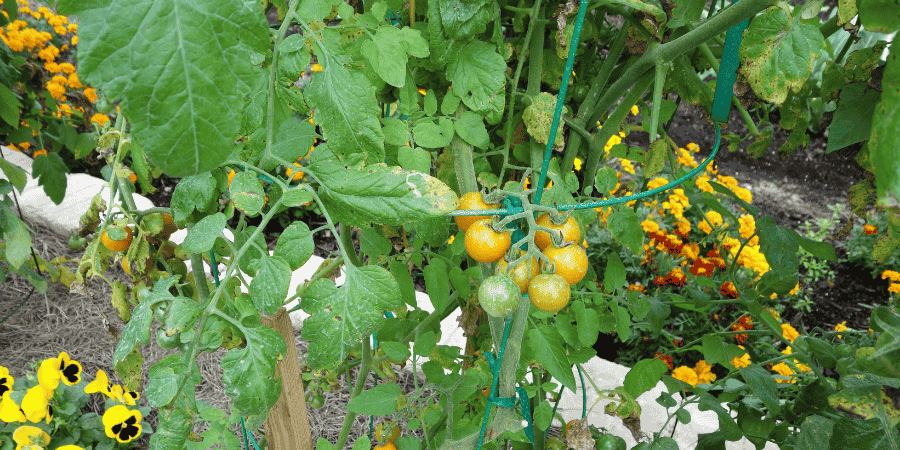
- Tomatoes: These are a favorite for many gardeners. They thrive in warm weather and can be grown almost year-round.
- Peppers: Bell peppers, jalapenos, and other varieties grow well in Central Florida’s warm climate.
- Eggplants: Another heat-loving plant, eggplants do well in Central Florida’s sun.
- Beans: Both bush and pole beans are great choices. They grow quickly and produce abundantly.
Here’s a table summarizing the planting seasons for these vegetables:
| Vegetable | Planting Season |
| Tomatoes | Spring and Fall |
| Peppers | Spring and Fall |
| Eggplants | Spring |
| Beans | Spring and Fall |
Easiest Vegetables To Grow In North Florida
North Florida has a slightly cooler climate than other parts of the state. This makes it suitable for growing a different set of vegetables. Here are the easiest ones to grow:
- Carrots: These root vegetables thrive in the cooler months of North Florida.
- Broccoli: A cool-weather vegetable, broccoli grows well in North Florida’s winter and spring.
- Lettuce: Ideal for the cooler seasons, lettuce can be harvested multiple times.
- Beets: Another root vegetable, beets grow well in the cooler months and are quite hardy.
Here’s a table with the best planting times for these vegetables:
| Vegetable | Planting Season |
| Carrots | Fall and Winter |
| Broccoli | Winter and Spring |
| Lettuce | Fall and Winter |
| Beets | Fall and Winter |
Easiest Vegetables To Grow In South Florida
South Florida’s tropical climate allows for growing vegetables year-round. Here are some of the easiest vegetables to grow in this region:
- Okra: This heat-loving vegetable thrives in South Florida’s warm climate.
- Sweet Potatoes: They grow well in the long, hot growing season of South Florida.
- Cucumbers: These can be planted almost any time of the year and grow quickly.
- Squash: Both summer and winter squash varieties do well in South Florida.
Here’s a table showing the planting seasons for these vegetables:
| Vegetable | Planting Season |
| Okra | Spring and Summer |
| Sweet Potatoes | Spring |
| Cucumbers | Year-Round |
| Squash | Spring and Fall |
Florida Vegetable Gardening Month-by-Month
Florida’s warm climate offers a unique opportunity for year-round vegetable gardening. With the right knowledge, you can enjoy fresh produce every season. This month-by-month guide will help you identify the easiest vegetables to grow in Florida throughout the year.
Easiest Vegetables To Grow In Florida In Fall
Fall in Florida is an excellent time to start your vegetable garden. The cooler temperatures and reduced humidity make it ideal for many crops.
Here are some of the easiest vegetables to grow in Florida during fall:
- Lettuce: Plant lettuce seeds in September. They thrive in cooler temperatures.
- Spinach: Sow spinach seeds in October. Spinach grows quickly and is packed with nutrients.
- Radishes: Radishes mature in just a few weeks. Plant them in early fall for a quick harvest.
- Broccoli: Start broccoli seeds indoors in late August. Transplant them into your garden by mid-October.
These vegetables not only grow well in the fall but also provide a variety of flavors and nutrients. Here’s a quick table to help you with planting times:
| Vegetable | Planting Time |
| Lettuce | September |
| Spinach | October |
| Radishes | Early Fall |
| Broccoli | Late August (indoors), Mid-October (outdoors) |
Easiest Vegetables To Grow In Florida In Springs
Springtime in Florida is perfect for planting a wide range of vegetables. The moderate temperatures and increased daylight help plants grow vigorously.
Consider these vegetables for your spring garden:
- Tomatoes: Start seeds indoors in January and transplant them outside in March. Tomatoes love the spring warmth.
- Cucumbers: Plant cucumber seeds directly in the garden in March. They grow quickly and are great for salads.
- Peppers: Sow pepper seeds indoors in January. Transplant them into your garden in March.
- Squash: Plant squash seeds directly in the garden in late March. They need plenty of space to spread out.
These vegetables will thrive in the spring climate and provide a fresh harvest. Here’s a table for your reference:
| Vegetable | Planting Time |
| Tomatoes | January (indoors), March (outdoors) |
| Cucumbers | March |
| Peppers | January (indoors), March (outdoors) |
| Squash | Late March |
Easiest Vegetables To Grow In Florida In Summer
Summers in Florida are hot and humid. Choose vegetables that can tolerate these conditions.
Here are some of the easiest vegetables to grow in Florida during summer:
- Okra: Plant okra seeds directly in the garden in May. Okra thrives in hot weather.
- Sweet Potatoes: Start sweet potato slips in April and plant them in May. They love the heat.
- Eggplant: Sow eggplant seeds indoors in February. Transplant them into your garden in April.
- Hot Peppers: Plant hot pepper seeds directly in the garden in May. They can handle the summer heat.
These vegetables are well-suited for the summer climate and will provide a bountiful harvest. Refer to this table for planting times:
| Vegetable | Planting Time |
| Okra | May |
| Sweet Potatoes | April (slips), May (planting) |
| Eggplant | February (indoors), April (outdoors) |
| Hot Peppers | May |
How To Grow Vegetable Garden In Florida
Florida’s warm climate is perfect for growing a variety of vegetables. Whether you’re a beginner or an experienced gardener, Florida’s sunny weather makes cultivating a thriving vegetable garden easier. Let’s explore how to grow a vegetable garden in Florida, focusing on some of the easiest vegetables you can start with.
How To Prepare Your Garden
Start by selecting a sunny spot in your yard. Most vegetables need at least six hours of sunlight each day. Make sure the soil is well-draining and rich in organic matter. You can improve soil quality by adding compost or organic fertilizers.
Choosing The Right Vegetables
Choose vegetables that thrive in Florida’s climate. Some of the easiest vegetables to grow include:
- Tomatoes: They love the heat and grow well in most Florida soils.
- Peppers: Both sweet and hot peppers do well in the warm climate.
- Beans: They are easy to grow and can be planted multiple times yearly.
- Squash: Summer and winter squash varieties both flourish in Florida.
- Cucumbers: They grow quickly and produce abundant yields.
Planting Your Vegetables
Plant your vegetables at the right time of year. In Florida, the growing season is almost year-round. Use the table below to know the best planting times:
| Vegetable | Planting Season |
| Tomatoes | Spring and Fall |
| Peppers | Spring and Fall |
| Beans | Spring, Summer, and Fall |
| Squash | Spring and Summer |
| Cucumbers | Spring and Summer |
Watering And Care
Water your garden regularly, especially during dry spells. Ensure to water early or late in the evening to prevent evaporation. Mulching around the plants helps retain moisture and keeps weeds at bay.
Pest Control
Watch for common pests like aphids, whiteflies, and caterpillars. Use natural pest control methods such as neem oil or insecticidal soap. Encouraging beneficial insects like ladybugs can also help keep pests under control.
Harvesting Your Vegetables
Harvest your vegetables when they are ripe and ready. Regular harvesting encourages more production. Enjoy the fresh taste of homegrown vegetables right from your garden.
Soil Types
Florida’s warm climate makes it an ideal place to grow vegetables year-round. Understanding the soil types in your garden is key to successful gardening. Different vegetables thrive in various soil types, and knowing what you have can help you choose the right plants. Here, we’ll explore sandy and loamy soil, two common types in Florida.
Sandy Soil
Sandy soil is common in Florida. It drains well and warms up quickly in the spring. This type of soil is light and easy to work with. However, it doesn’t hold nutrients well.
Vegetables that grow well in sandy soil include:
- Carrots
- Radishes
- Potatoes
- Peppers
- Tomatoes
Loamy Soil
Loamy soil is a mix of sand, silt, and clay. It’s often considered the best soil for gardening. It holds moisture well but also drains properly.
Vegetables that grow well in loamy soil include:
- Lettuce
- Spinach
- Broccoli
- Beans
- Cucumbers
Pest Management
Growing vegetables in Florida is a rewarding experience. The warm climate and long growing season make it ideal for many crops. Yet, managing pests is crucial for a healthy garden. Effective pest management ensures your vegetables thrive without damage. Let’s explore some common pests and natural remedies to keep your garden flourishing.
Common Pests
Florida gardens face a variety of pests that can harm your vegetables. Knowing these pests helps in tackling them effectively:
- Aphids: Small, green insects that cluster on leaves and stems. They suck sap, causing leaves to curl and turn yellow.
- Whiteflies: Tiny, white insects that fly when disturbed. They feed on plant sap and cause leaf drop.
- Tomato Hornworms: Large green caterpillars that can defoliate tomato plants quickly.
- Cutworms: Caterpillars that cut young plants at the base, causing them to fall over.
- Spider Mites: Tiny arachnids that cause yellowing and stippling on leaves.
Identifying these pests early can prevent significant damage. Regularly inspect your garden to spot these invaders. Use a combination of methods to manage them effectively.
Natural Remedies
Using natural remedies is a safe and eco-friendly way to manage pests. Here are some effective solutions:
- Neem Oil: A natural pesticide that disrupts insect growth and reproduction. Mix two tablespoons of neem oil with 1 gallon of water and spray on affected plants.
- Insecticidal Soap: Effective against soft-bodied insects like aphids and whiteflies. Mix one tablespoon of liquid soap with 1 quart of water and spray directly on pests.
- Diatomaceous Earth: A fine powder that damages insect exoskeletons. Sprinkle around the base of plants to deter crawling pests.
- Companion Planting: Planting marigolds, basil, or garlic can repel many pests naturally.
- Handpicking: Physically removing larger pests like tomato hornworms can prevent extensive damage. Dispose of them in soapy water.
Using these natural remedies helps maintain a healthy garden ecosystem. Avoid harsh chemicals that can harm beneficial insects and pollinators. Consistent application and monitoring are key to success.
Watering Techniques
Florida’s warm climate makes it an ideal place to grow various vegetables. However, to ensure a healthy harvest, proper watering techniques are essential. This section will explore two popular methods: drip irrigation and rainwater collection.
Drip Irrigation
Drip irrigation is an efficient way to water your garden. It delivers water directly to the roots, minimizing waste.
Here are some benefits:
- Water Efficiency: Reduces water wastage by delivering water directly to the plant roots.
- Prevents Disease: Keeps leaves dry, reducing the risk of fungal infections.
- Time-Saving: Automates the watering process, saving you time and effort.
Setting up a drip irrigation system in your Florida garden:
- Plan Your Layout: Determine where to place the drip lines around your plants.
- Install Main Line: Lay out the main water supply line.
- Connect Drip Lines: Attach the drip lines to the main line.
- Install Emitters: Place emitters near the plant roots.
- Test the System: Turn on the water and check for leaks or blockages.
Drip irrigation can be customized to fit any garden size. Using a timer, you can control watering schedules and ensure consistent moisture levels.
Rainwater Collection
Rainwater collection is an eco-friendly way to water your garden. It harnesses natural rainfall, saving you money and conserving water.
Benefits of rainwater collection:
- Cost-Effective: Reduces your water bill by using free rainwater.
- Sustainable: Conserves municipal water resources.
- Natural Nutrients: Rainwater contains nutrients that benefit plant growth.
Steps to set up a rainwater collection system:
- Choose a Collection Container: Use a barrel or tank to collect rainwater.
- Install Gutters: Set up gutters on your roof to direct rainwater into the container.
- Add a Filter: Install a filter to remove debris from the collected water.
- Connect to Garden: Attach a hose or drip line to the container to water your plants.
- Monitor Levels: Regularly check water levels and ensure the system functions properly.
Rainwater collection is especially useful during dry spells. It provides a reliable water source for your garden, ensuring your vegetables stay hydrated.
Fertilizing
Growing vegetables in Florida can be a rewarding experience. The warm climate and abundant sunshine provide perfect conditions for many types of vegetables. To ensure healthy growth, it’s important to pay attention to fertilizing. Proper fertilization can help your plants thrive and produce a bountiful harvest.
Choosing The Right Fertilizer
Selecting the right fertilizer is essential for your vegetable garden. Look for a balanced fertilizer that contains nitrogen (N), phosphorus (P), and potassium (K). These nutrients are crucial for plant growth. This information is found on the fertilizer packaging, usually listed as N-P-K ratios.
For example, a 10-10-10 fertilizer contains 10% nitrogen, 10% phosphorus, and 10% potassium. Organic options, like compost or manure, are also great and can improve soil health.
When To Fertilize
Timing your fertilization correctly can make a big difference. Generally, it’s best to fertilize your vegetables before planting and periodically throughout the growing season. For most vegetables, fertilizing every 4 to 6 weeks is a good rule of thumb.
Be sure to follow the instructions on the fertilizer packaging to avoid over-fertilizing, which can harm your plants.
How To Apply Fertilizer
Applying fertilizer correctly ensures your plants get the nutrients they need. There are a few methods you can use:
- Broadcasting: Spread the fertilizer evenly over the soil surface before planting.
- Side-dressing: Apply fertilizer alongside the plant rows during the growing season.
- Foliar feeding: Spray a diluted fertilizer solution directly onto the leaves.
Whichever method you choose, water the plants after applying fertilizer to help the nutrients reach the roots.
Common Fertilization Mistakes
Avoid some common mistakes to keep your garden healthy:
- Over-fertilizing: Too much fertilizer can burn the plants and damage the soil.
- Under-fertilizing: More nutrients can lead to better plant growth.
- Using the wrong type of fertilizer: Each vegetable may have specific nutrient needs. Research your plants to choose the best fertilizer.
By following these guidelines, you can ensure your Florida vegetable garden thrives. Happy gardening!
Harvesting Tips
Florida’s warm climate is perfect for growing various vegetables. Knowing the best harvesting tips ensures you get the most out of your garden. Timing and storage are key to enjoying fresh, homegrown produce. Let’s dive into the details.
Timing
Harvesting vegetables at the right time is crucial. Each vegetable has its optimal harvest period. Picking too early or too late can affect flavor and texture. Here are some tips:
- Tomatoes: Harvest when they turn red or their mature color. They should be firm yet slightly soft to the touch.
- Bell Peppers: Pick when they reach full size and color. Green peppers are unripe but still edible.
- Beans: Harvest when pods are firm and snap easily. Avoid letting beans swell inside the pods.
- Squash: Pick summer squash when small and tender. Winter squash should be harvested when the skin is hard.
- Carrots: Harvest when they reach the desired size. Larger carrots can be woody and less sweet.
It’s also important to consider the time of day. Early morning is best. The vegetables are crisp and filled with moisture. Avoid harvesting during the hottest part of the day. The sun can wilt and damage your produce.
Storage Methods
Proper storage keeps vegetables fresh longer. Different vegetables require different storage methods. Here’s a quick guide:
| Vegetable | Storage Method | Temperature |
| Tomatoes | Room temperature | 60-70°F |
| Bell Peppers | Refrigerate | 45-50°F |
| Beans | Refrigerate | 40-45°F |
| Squash | Cool, dry place | 50-55°F |
| Carrots | Refrigerate | 32-40°F |
Store tomatoes at room temperature, away from direct sunlight. Refrigeration can affect their flavor. Bell peppers should be kept in the crisper drawer of your fridge. Beans also do well in the refrigerator. Please place them in a plastic bag to retain moisture.
Squash needs a cool, dry place. A pantry or cellar works well. Carrots should be stored in the fridge. Please keep them in a plastic bag to prevent wilting.
Remember to check vegetables regularly. Remove any that show signs of spoilage. This prevents the spread of decay to other produce.
Community Resources
Growing vegetables in Florida can be a rewarding experience due to the state’s warm climate. To succeed, tapping into community resources is vital. These resources provide valuable support, knowledge, and a sense of community. Explore key community resources to help you grow vegetables easily in Florida.
Local Gardening Clubs
Joining local gardening clubs can be a game-changer for Florida vegetable gardeners. These clubs offer a wealth of knowledge and support from experienced gardeners. Here are some benefits of becoming a member:
- Access to expert advice on growing specific vegetables in Florida’s climate.
- Opportunities to share seeds and plants with other members.
- Workshops and events focused on gardening techniques and tips.
- We are networking with fellow gardeners for moral support and motivation.
Local gardening clubs often hold regular meetings where members can discuss their gardening experiences, challenges, and successes. These meetings are a great place to ask questions and get personalized advice. Additionally, clubs may organize garden tours, allowing you to see successful gardens and learn from them.
Below is a table listing some popular gardening clubs in Florida:
| Club Name | Location | Contact Information |
| Florida Garden Club | Florida | ffgc@ffgcmail.com |
| Miami Gardeners | Florida | contact@miamigardeners.org |
| Tampa Bay Garden Society | Tampa | TampaGardenClub@gmail.com |
Extension Services
Extension services are another invaluable resource for Florida vegetable gardeners. Universities and local governments provide these services to support agricultural education and practices. Here are some benefits of utilizing extension services:
- Access to research-based information on vegetable gardening.
- Soil testing services to determine the best soil amendments for your garden.
- Guidance on pest and disease management specific to Florida.
- Educational programs and workshops on various gardening topics.
Extension services often have horticulture agents who can provide personalized advice and troubleshoot gardening problems. They may offer free publications and online resources, including planting calendars, vegetable growing guides, and pest identification tools.
Below is a table listing some extension services available in Florida:
| Service Name | Location | Contact Information |
| UF/IFAS Extension | Statewide | info@ifas.ufl.edu |
| Miami-Dade County Extension | Miami | miami.extension@ifas.ufl.edu |
| Hillsborough County Extension | Tampa | hillsborough.extension@ifas.ufl.edu |
By leveraging these community resources, you can enhance your gardening skills and increase your chances of growing healthy, bountiful vegetables in Florida.
Frequently Asked Questions
What Vegetables Grow Best In Florida?
Florida’s warm climate is ideal for growing tomatoes, peppers, lettuce, and beans. These vegetables thrive in Florida’s unique conditions.
When Should I Plant Vegetables In Florida?
Plant vegetables in Florida from February to April and August to October. This timing ensures optimal growth and yield.
Can I Grow Vegetables Year-round In Florida?
Yes, you can grow vegetables year-round in Florida. Choose heat-tolerant varieties for summer and frost-sensitive types for winter.
What Soil Is Best For Florida Vegetables?
Sandy soil with organic matter is best for Florida vegetables. It provides good drainage and essential nutrients.
Conclusion
Growing vegetables in Florida can be easy and rewarding. Start with veggies like tomatoes, peppers, and beans. They thrive in the warm climate. Use good soil and water them well. You can enjoy fresh produce from your garden. Gardening also brings joy and satisfaction.
Try these easy vegetables and see great results. Happy gardening!