If you want your Celeste fig tree to thrive and produce sweet, abundant fruit, the right soil, fertilizer, and care make all the difference.
Many gardeners struggle with poor yields simply because the soil pH is off, the fertilizer is applied at the wrong time, or the plant isn’t pruned correctly.
This complete Celeste fig soil enhancement, fertilizer, and care guide explains everything step by step.
You’ll learn the ideal soil type and pH, how to choose the best fertilizer, watering schedules by season, pruning methods, and how to protect your tree from pests, diseases, and extreme weather.
By the end, you’ll know exactly how to create the perfect environment for your Celeste fig tree to grow strong, healthy, and productive.
Table of Contents
Background and Origins
The Celeste fig, also known as the “Malta” or “Cyprus” fig, is believed to have originated in the Mediterranean region. Historical records trace its cultivation back to the 18th century.
This hardy variety was later introduced to the United States, where it quickly gained popularity for its adaptability to a wide range of growing conditions.
Celeste figs are native to USDA hardiness zones 6 through 10, allowing them to thrive in many temperate climate zones across North America.
Their natural habitat is typically characterized by well-draining soil, ample sunlight, and moderate temperatures, making them a perfect fit for home gardens and small-scale orchards.
Characteristics of Celeste Fig Trees
Celeste fig trees are known for their medium stature and distinctive bronze-coloured fruit.
When left unpruned, these trees can reach heights of 15-20 feet and widths of 15-20 feet, making them suitable for smaller landscapes.
Their leaves are large, lobed, and deep green, contributing to the tree’s overall ornamental appeal.
However, the fundamental standout feature of Celeste figs is their exceptional flavour.
These “sugar figs” are renowned for their delightful, syrupy taste, often described as having hints of honey or caramel.
The fruit itself is medium-sized, typically ranging from 2 to 3 inches in diameter, with a thin, bronze-hued skin that transitions to a luscious, jammy interior when fully ripe.
To provide a more detailed overview of the Celeste fig’s characteristics, here is a table:
| Characteristic | Description |
| Maximum Height | 15-20 feet |
| Maximum Width | 15-20 feet |
| Leaf Appearance | Large, lobed, deep green |
| Fruit Size | 2-3 inches in diameter |
| Fruit Skin Color | Bronze |
| Fruit Flesh Color | Jammy, luscious interior |
| Fruit Flavor | Exceptionally sweet, with hints of honey or caramel |
| Cropping Habit | Two crops per season (early “breba” and late summer main crop) |
Celeste fig trees are known for their prolific fruit production, often bearing two crops per season – an early “breba” crop in late spring, followed by a larger main crop in late summer or early fall.
This extended harvesting period allows for a prolonged enjoyment of the sweet, juicy figs.
Best Time to Plant Celeste Fig Trees
The optimal time to plant Celeste fig trees will vary depending on your regional climate, but generally, early spring or fall are the best seasons for establishing new trees.
During these transitional periods, the soil temperature is ideal for root growth, and the trees can acclimate to their new environment without the added stress of extreme heat or cold.
When selecting a planting site, Celeste fig trees require a minimum of 6-8 hours of direct sunlight per day.
They thrive in well-draining, loamy soil with a pH range of 6.0-6.5. Avoid areas with standing water or heavy clay soils, as Celeste figs are susceptible to root rot.
Additionally, the trees should be at least 15-20 feet away from buildings, structures, and other large plants to allow for proper air circulation and root expansion.
To help visualize the ideal planting conditions, here is a table summarizing the essential requirements:
| Planting Requirement | Ideal Conditions |
| USDA Hardiness Growing Zone | 6-10 |
| Sunlight Exposure | 6-8 hours of direct sun per day |
| Soil Type | Well-draining, loamy |
| Soil pH | 6.0-6.5 |
| Spacing | 15-20 feet from structures and other plants |
Planting Your Celeste Fig Tree
Thoroughly preparing the soil is essential before planting your Celeste fig tree.
To improve nutrient content and drainage, begin by amending the planting area with organic matter, such as compost or well-rotted manure.
Incorporate the amendments to a depth of 8-10 inches, ensuring the soil is loose and aerated.
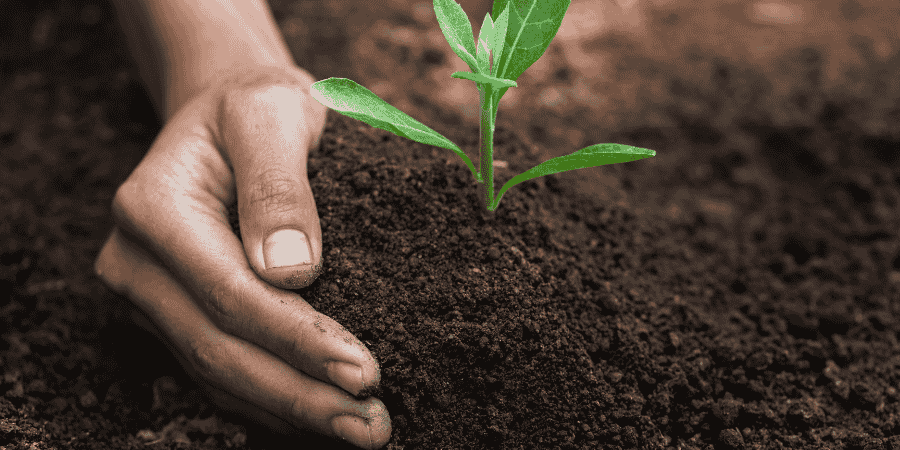
When digging the planting hole, make it two to three times the width of the root ball and only as deep as the root system.
This will encourage lateral root growth and prevent the tree from sinking too deeply into the soil.
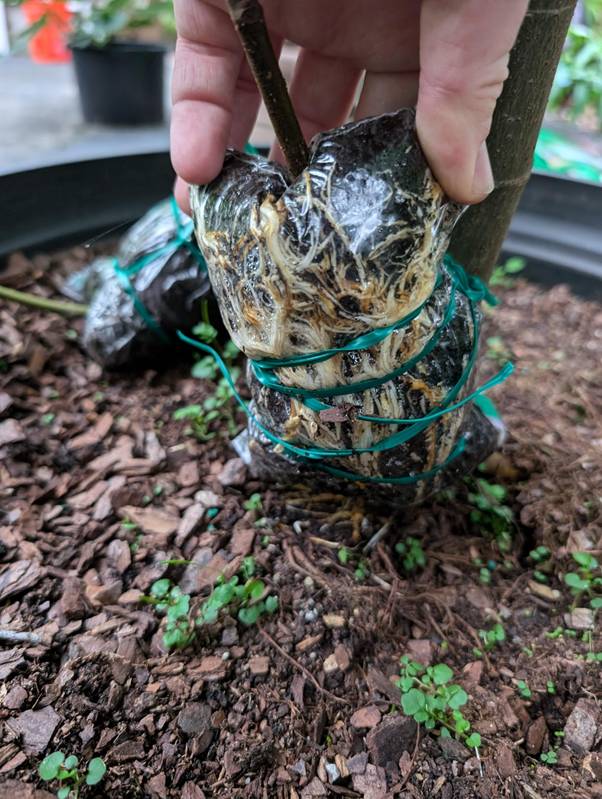
Carefully remove the tree from its container so as not to damage the root system, and place it in the prepared hole.
The top of the root ball should be level with the surrounding soil.
Backfill the hole with the amended soil, gently firming it around the tree’s base to eliminate air pockets.
After planting, water the tree thoroughly, applying enough water to saturate the soil.
Apply a 2-4 inch layer of organic mulch around the tree’s base, leaving a few inches of space between the mulch and the trunk to prevent rot.
This mulch layer will help retain soil moisture and suppress weed growth.
Celeste Fig Soil Needs
The Celeste fig tree thrives with the right soil and care. Understanding Celeste fig soil needs ensures healthy growth and sweet fruit.
Eddie M. Boulton, a soil expert, will guide you through explanations of soil types, pH, drainage, and zone-specific tips. Proper soil conditions help roots absorb nutrients and water well.
Poor soil can stunt growth and reduce yield. Below, find essential details to support your Celeste fig tree’s soil and fertilizer needs for optimal health.
Our Quick Care Table (Soil, Fertilizer, Sun, Water At A Glance)
The Celeste fig requires a balanced environment to grow well. Eddie’s quick personal overview of its basic care needs related to soil, fertilizer, sun exposure, and watering:
| Care Aspect | Requirement | Notes |
| Soil | Loamy, well-draining | Rich in organic matter |
| Fertilizer | Balanced NPK (10-10-10) | Apply 2-3 times per growing season |
| Sun | Full sun (6-8 hours) | Promotes fruit ripening |
| Water | Moderate, keep soil moist | Allow top inch to dry before watering |
This table helps track the core needs for a healthy Celeste fig. Follow these simple guidelines for good soil and care habits.
Ideal Soil Type
Celeste figs grow best in loamy soil. Loam offers a good mix of sand, silt, and clay. The mix holds moisture without becoming soggy. It also allows air to reach the roots easily. Soils rich in organic matter boost growth and fruit quality.
Avoid heavy clay or pure sandy soils. Clay holds too much water and can drown roots. Sandy soil drains too quickly, leading to dryness. Both extremes stress the tree and reduce fruit production.
Adding compost or aged manure improves soil texture and fertility. Organic material supports beneficial microbes. These microbes help plants take up nutrients better.
- Loamy soil retains moisture and drains well
- Organic matter increases nutrients and soil life
- Avoid heavy clay and very sandy soils
- Amend poor soil with compost or peat moss.
Test soil texture by feeling it: loam feels soft and crumbly. This texture helps roots spread and absorb water efficiently.
Soil Ph Levels
The pH level of the soil affects nutrient availability for Celeste fig trees. The ideal pH range is 6.0 to 7.5, which is slightly acidic to neutral. This range allows the tree to absorb essential nutrients easily.
Soil pH outside this range can cause nutrient lockout. For example, alkaline soils (pH above 7) limit iron and manganese uptake. Acidic soils (below 6) may increase aluminum toxicity, harming roots.
Testing soil pH is simple with a home kit or through local extension services. Adjust pH if needed:
- To raise the pH (make soil less acidic), add lime (calcium carbonate).
- To lower the pH (make the soil more acidic), add sulfur or peat moss.
Keep monitoring pH yearly, especially if you notice nutrient deficiencies. Balanced pH supports strong growth and fruit development.
Soil Drainage Tips
Good drainage is vital for Celeste fig roots. Waterlogged soil causes root rot and kills the tree. Celeste figs prefer soil that holds moisture but drains excess water quickly.
To improve drainage:
- Plant in raised beds or mounds.
- Mix sand or perlite into heavy soil.
- Use organic matter to improve soil structure.
- Avoid compacting the soil around roots.
Check drainage by digging a hole and filling it with water. If water drains within 1-2 hours, drainage is good. If it stays longer, the soil needs amending.
Mulching helps retain moisture and regulate soil temperature, but keep mulch away from the trunk to avoid rot.
Usda Zone-specific Advice
Celeste figs grow in USDA zones 7 through 10. Soil and care needs change slightly by zone:
- Zone 7: Protect roots with mulch in winter. Use raised beds to prevent cold, wet soil damage.
- Zone 8: Soil may dry out faster. Increase organic matter and water regularly during dry spells.
- Zone 9-10: Soil warms quickly. Maintain moisture and avoid overwatering. Fertilize moderately for steady growth.
Adjust soil care based on local climate and rainfall. Cooler zones require well-insulated soil. Warm zones focus on good drainage and moisture retention.
Local soil tests and extension advice can help tailor care perfectly for your zone.
Fertilizer for Celeste Fig Soil Enhancement
Choosing the right fertilizer for your Celeste fig tree is essential for healthy growth and abundant fruit. Fertilizer choices impact soil quality, nutrient availability, and overall plant vigor.
Understanding the types of fertilizers, the best times to apply them, and proper application methods can help your fig tree thrive.
This section covers key points about fertilizer selection and use to support your Celeste fig’s needs.
Best Fertilizer Types (organic Vs Synthetic)
Fertilizers come in two main types: organic and synthetic. Each has benefits and drawbacks for Celeste’s fig care.
- Organic fertilizers are made from natural materials like compost, manure, and bone meal. They improve soil health by adding organic matter and beneficial microbes. Organic options release nutrients slowly, providing steady feeding over time.
- Synthetic fertilizers are chemically manufactured and supply nutrients in exact amounts. They work faster than organic fertilizers and are useful for correcting nutrient deficiencies quickly. However, they do not improve soil structure and may cause salt buildup if overused.
Below is a comparison table to help choose the right fertilizer type for your Celeste fig tree:
| Fertilizer Type | Pros | Cons |
| Organic | Improves soil, slow nutrient release, eco-friendly | Slower nutrient availability, may attract pests |
| Synthetic | Fast nutrient delivery, precise nutrient ratios | Can harm soil life, risk of over-fertilizing |
Tip: Use a balanced fertilizer with equal parts nitrogen (N), phosphorus (P), and potassium (K) for overall health. Common ratios are 10-10-10 or 8-8-8.
When To Fertilize (seasonal Schedule)
Timing fertilizer applications correctly is crucial for Celeste fig trees. Fertilize during the active growing season to support leaf and fruit development.
- Early Spring: Apply fertilizer as new growth starts. This encourages strong shoots and leaves.
- Late Spring to Early Summer: Feed again to boost fruit growth and ripening.
- Late Summer: Use a lighter feeding to prepare the tree for dormancy.
- Fall and Winter: Avoid fertilizing when the tree is dormant. Fertilizer use now may stress the plant.
Here is a simple fertilizing schedule:
- March – Apply first fertilizer dose.
- May – Apply second dose for fruit development.
- August – Light feeding to help tree rest.
- December – No fertilizer.
Adjust this schedule based on your local climate and fig tree growth patterns. In warmer zones, a longer growing season may allow more frequent feedings.
Fertilizer Application Methods
Applying fertilizer correctly ensures nutrients reach the fig tree roots efficiently. Different methods suit various fertilizer types and garden setups.
- Broadcasting: Spread granular fertilizer evenly around the tree’s drip line. Water well after application to help nutrients soak in.
- Soil Injection: Inject liquid fertilizer into the soil near the roots. This method delivers nutrients quickly but requires special equipment.
- Foliar Feeding: Spray diluted liquid fertilizer directly on leaves. This supplies nutrients quickly but should be done during cooler parts of the day to avoid leaf burn.
- Compost Mulching: Apply organic compost as mulch around the tree base. This slowly releases nutrients and improves soil moisture retention.
Follow these tips for the best results:
- Apply fertilizer evenly to avoid root burn.
- Water the soil after applying granular fertilizers.
- Use foliar feeding only as a supplement, not the main feeding method.
- Wear gloves and follow product instructions carefully.
Watering For Celeste Fig Soil Enhancement
Proper watering is crucial for the health of your Celeste Fig plant. This guide helps you understand how often to water, recognize overwatering signs, and adjust watering based on seasons.
Good watering practices keep your plant strong and thriving.
Watering Frequency
Celeste Fig prefers consistently moist soil, but not soggy. Watering too often or too little can harm the plant. On average, water your plant once a week. Check the top 2 inches of soil before watering. If it feels dry, it’s time to water.
- Use room temperature water for best results.
- Water thoroughly until it drains from the pot’s bottom.
- Avoid letting the plant sit in standing water.
| Plant Age | Watering Frequency |
| Seedlings | 2-3 times per week |
| Young plants | Once a week |
| Mature plants | Every 7-10 days |
Use a moisture meter or finger test to avoid guesswork. Remember, the soil must dry slightly between watering sessions.
Signs Of Overwatering
Overwatering is a common issue with Celeste Fig. It can cause root rot and weaken the plant. Watch for these signs:
- Yellowing leaves that drop easily
- Soft or mushy stems and roots
- Foul smell from the soil
- Wilting despite wet soil
- Slow or no growth
Overwatered soil stays wet for a long time. The roots lack oxygen and start to die. This leads to poor plant health.
To fix overwatering:
- Stop watering immediately.
- Let the soil dry out completely.
- Remove any dead roots when repotting.
- Use well-draining soil to prevent future issues.
Adjusting Water in Seasons
Water needs change with the seasons. Celeste Fig grows faster in warm months and slows down in cold months. Adjust watering to match this cycle.
| Season | Watering Tips |
| Spring & Summer | Water more often, about once a week or when soil is dry 1-2 inches deep. |
| Fall | Reduce watering to every 10 days as growth slows. |
| Winter | Water sparingly, every 2 weeks or less, depending on indoor humidity. |
Indoor plants may need less water during winter due to lower light and cooler temperatures. Always check soil moisture before watering. Adjust watering frequency to avoid stress and keep your Celeste Fig healthy year-round.
Credit: exploreblessings.com
Seasonal Care Calendar
The Seasonal Care Calendar for the Celeste Fig helps you keep this beautiful plant healthy all year. Each season brings different needs for soil, fertilizer, and watering.
Following a simple plan lets the Celeste Fig grow strong and produce tasty fruit. This guide breaks down the key tasks for spring, summer, fall, and winter. Use it to care for your plant step by step throughout the year.
Spring Tasks
Spring is the time for new growth. As temperatures rise, the Celeste Fig wakes from dormancy and starts to develop leaves and fruit buds. Prepare the soil by adding fresh organic matter for better nutrition and drainage.
- Check the soil: Loosen the top layer and mix in compost or well-rotted manure.
- Fertilize: Apply a balanced fertilizer with equal parts nitrogen, phosphorus, and potassium (N-P-K 10-10-10).
- Water: Increase watering frequency as new growth begins, keeping the soil moist but not soggy.
- Prune: Remove dead or weak branches to encourage healthy growth.
Spring sets the foundation for a strong growing season. A simple checklist:
| Task | Action | Timing |
| Soil Preparation | Add compost, loosen soil | Early Spring |
| Fertilizing | Apply balanced fertilizer | Mid Spring |
| Watering | Keep soil moist | Throughout Spring |
| Pruning | Trim dead branches | Late Spring |
Summer Tasks
Summer brings heat and more sunlight. Celeste Fig needs careful watering and protection from too much sun. The fruit ripens during this time, so good care improves quality.
- Watering: Increase watering to prevent drying. Early morning is best.
- Mulching: Add mulch around the base to keep soil cool and moist.
- Fertilization: Use a fertilizer higher in potassium (N-P-K 5-10-10) to support fruit development.
- Pest Control: Check for insects or disease. Remove any affected leaves.
Summer care helps maintain strong growth and healthy fruit:
- Water deeply, but avoid waterlogging.
- Keep the mulch layer 2-3 inches thick.
- Feed with potassium-rich fertilizer every 4-6 weeks.
- Inspect regularly for pests.
Fall Tasks
Fall signals the end of the growing season. Celeste Fig prepares for dormancy. This is the time to reduce feeding and water. Harvest ripe fruit before cold weather arrives.
- Harvest: Pick all ripe figs carefully.
- Watering: Reduce watering as temperatures cool.
- Fertilizing: Stop fertilizing to allow the plant to rest.
- Pruning: Light pruning to remove weak or damaged branches.
Table for fall care overview:
| Task | Action | Timing |
| Harvest | Pick ripe fruit | Early to Mid Fall |
| Watering | Reduce watering | Mid to Late Fall |
| Fertilizing | Stop feeding | Late Fall |
| Pruning | Light trimming | Late Fall |
Winter Tasks
Winter is dormancy time for the Celeste Fig. Growth stops, and the plant rests. Protect it from frost and avoid watering unless soil is very dry.
- Protection: Use frost cloth or move potted plants indoors.
- Watering: Water sparingly, only when the soil dries out completely.
- Inspect: Check for signs of pests or damage.
Winter care focuses on protection and minimal disturbance:
- Cover plants during freezing nights.
- Water once or twice a month if needed.
- Do not fertilize or prune during dormancy.
Sunlight and Temperature
The Complete Citrus Fig Soil, Fertilizer, and Care Guide covers all key factors for healthy growth. Sunlight and temperature play vital roles in the plant’s development and fruit production.
Understanding the right amount of sun exposure and ideal temperature range helps keep the Celeste Fig thriving.
This section explains how sunlight and temperature affect your fig tree and shares tips to protect it from harsh weather conditions.
Optimal Sun Exposure
Celeste Fig trees need plenty of sunlight to grow strong and produce sweet fruit. They thrive best in areas that receive full sun for 6 to 8 hours daily. Insufficient light leads to weak branches and fewer figs.
- Place your fig tree in a south-facing spot for maximum sun.
- Ensure that no large trees or buildings block sunlight during the day.
- In hotter climates, some afternoon shade can prevent leaf scorch.
Here is a simple guide to sun exposure:
| Sunlight Level | Effect on Celeste Fig |
| Full Sun (6-8 hours) | Best fruit production and healthy growth |
| Partial Sun (4-6 hours) | Moderate growth, fewer fruits |
| Shade (Less than 4 hours) | Weak growth, poor fruiting |
Tip: Rotate potted Celeste Figs occasionally to ensure even sunlight on all sides.
Temperature Tolerance
Celeste Fig trees tolerate a range of temperatures but prefer warm climates. The ideal temperature for growth is between 65°F and 85°F (18°C to 29°C). Temperatures outside this range can stress the plant and reduce fruit quality.
Key temperature facts:
- Young trees are sensitive to cold and frost damage below 20°F (-6°C).
- Prolonged heat above 95°F (35°C) can cause leaf and fruit drop.
- Nighttime temperatures around 50°F (10°C) support fruit ripening.
Temperature tolerance overview:
| Temperature Range | Plant Response |
| 65°F – 85°F (18°C – 29°C) | Optimal growth and fruiting |
| 50°F – 65°F (10°C – 18°C) | Slower growth, fruit ripening |
| Below 20°F (-6°C) | Risk of frost damage |
| Above 95°F (35°C) | Heat stress, leaf and fruit drop |
Protecting From Extreme Weather
Extreme weather affects Celeste Fig’s health. Protect the tree from frost, strong winds, and intense heat to avoid damage.
Frost protection tips:
- Cover young trees with frost cloths or blankets at night.
- Mulch around the base to keep roots warm.
- Move potted plants indoors or to a sheltered spot during cold snaps.
Heat and wind protection tips:
- Provide afternoon shade with a shade cloth or nearby taller plants.
- Use windbreaks like fences or hedges to reduce wind stress.
- Water deeply in the morning to prevent dehydration during hot days.
Seasonal care checklist:
- Winter: Apply mulch, cover plants, and reduce watering.
- Spring: Increase watering, check for pests, and prune dead branches.
- Summer: Provide shade from the afternoon sun if needed, and water regularly.
- Fall: Prepare for cooler weather, reduce fertilization.
Pruning and Maintenance
The Complete Celeste Fig soil, fertilizer, and care guide covers all the essential steps to keep this fig variety healthy and productive.
Pruning and maintenance play a crucial role in shaping the tree, encouraging fruit growth, and preventing diseases.
Proper pruning helps the Celeste Fig develop a strong structure and improves air circulation. Routine care tasks support the overall health and longevity of the tree.
This section explains the best pruning techniques, the ideal timing for pruning, and important care practices to maintain your Celeste Fig.
Pruning Techniques
Pruning the Celeste Fig involves cutting certain branches to promote growth and fruit production. Start by removing any dead or damaged wood. This prevents pests and diseases from spreading.
- Thinning: Remove crowded branches to allow sunlight and air inside the tree canopy.
- Heading: Cut back the tips of branches to encourage branching and more fruiting sites.
- Cleaning: Clear away suckers growing from the base or roots to focus energy on the main tree.
Use sharp, clean tools to make clean cuts. Cut just above a bud or branch junction to help the tree heal faster. Avoid heavy pruning in one session; spread it over a few years for best results.
| Technique | Purpose | How to Perform |
| Thinning | Improve airflow and sunlight | Cut small branches growing inward |
| Heading | Encourage more fruiting branches | Trim branch tips above a bud |
| Cleaning | Remove weak or unwanted growth | Cut suckers and dead wood close to base |
Best Time to Prune
Pruning your Celeste Fig Tree at the right time can help it grow healthy and strong. Knowing the best time to prune ensures your tree stays productive and looks excellent.
Dormant Season
The dormant season is the best time to prune your Celeste Fig Tree. This is when the tree is not actively growing. It usually occurs in late winter or early spring.
Pruning during this time helps the tree heal faster. There are fewer pests and diseases to worry about.
During the dormant season, you can:
- Remove dead or diseased branches
- Shape the tree for better growth
- Thin out crowded areas
Use clean, sharp tools for the best results. Make sure to cut just above a bud or branch.
Post-harvest Period
The post-harvest period is another good time to prune. This is right after you have harvested the figs.
Pruning after harvest helps prepare the tree for the next growing season. It also allows you to clean up any damage from harvesting.
During the post-harvest period, you can:
- Remove any broken branches
- Trim back new growth
- Clear away any leftover fruit
Remember always to use proper pruning techniques. Avoid cutting too close to the trunk or leaving stubs.
Tools Needed
To prune your Celeste Fig Tree effectively, you need the right tools. Proper tools ensure clean cuts and healthy growth. Let’s explore the essential tools for this task.
Pruning Shears
Pruning shears are a must-have for any gardener. They help make precise cuts on smaller branches. Choose sharp and clean shears. This prevents damage and disease.
Comfortable handles are a plus. They reduce hand fatigue. Look for a pair that fits well in your hand.
Loppers
Loppers are ideal for thicker branches. They provide more leverage than shears. Use loppers for branches up to two inches thick.
Choose loppers with long handles. This gives you better reach and power. Sharp blades are essential. They ensure clean cuts and healthy growth.
Saws
Saws are necessary for the thickest branches. Pruning saws are designed for live wood. They make cleaner cuts than regular saws.
Select a saw with a comfortable grip. This helps with control and safety. A folding saw is also a good option. It is easy to store and carry.
Pruning Techniques
Pruning a Celeste Fig Tree helps it stay healthy and productive. Using the proper techniques ensures your tree grows well and bears fruit.
Let’s explore two key strategies: Thinning Cuts and Heading Cuts.
Thinning Cuts
Thinning cuts involve removing entire branches or shoots. This technique improves air circulation and light penetration. Thinning cuts help reduce disease risk by keeping the tree open and airy. To perform a thinning cut:
- Select branches that are crossing, crowded, or growing inward.
- Use clean, sharp pruning shears.
- Cut the branch back to its point of origin or a main limb.
Remember, thinning cuts should be made close to the branch collar. This helps the tree heal faster and better.
Heading Cuts
Heading cuts shorten branches and encourage new growth. This technique shapes the tree and promotes fruiting. To perform a heading cut:
- Choose branches that are too long or misshapen.
- Use clean, sharp pruning shears.
- Cut the branch just above a bud or node.
Heading cuts encourage the tree to produce more branches. This results in a fuller, more balanced tree. Always make heading cuts at a slight angle. This prevents water from sitting on the cut surface and reduces rot risk.
By using thinning cuts and heading cuts, you can maintain a healthy and productive Celeste Fig Tree.
Shaping The Tree
Shaping a Celeste Fig Tree is essential for healthy growth and fruit production. Proper pruning techniques can enhance air circulation, sunlight exposure, and tree structure.
The Central Leader and Open Center Method are standard methods for shaping fig trees. Each technique offers unique benefits and can be chosen based on your preference and tree health.
Central Leader Method
The Central Leader Method focuses on creating a strong, upright structure. Begin by selecting a single, sturdy trunk as the central leader.
Prune away any competing branches or shoots that may divert energy from the central leader. This method encourages vertical growth and a balanced tree structure.
As the tree grows, continue to prune side branches. This helps maintain a clear central trunk. Remove any weak or crossing branches to promote better air circulation. This method is ideal for those who want a tall, narrow tree.
Open Center Method
The Open Center Method, or the vase method, creates a tree with an open, spreading canopy. Select three to five main branches to form the tree’s structure.
Prune the central leader to encourage the growth of these main branches.
Ensure the selected branches are evenly spaced around the trunk. This promotes a balanced and open structure.
Regularly prune the inner branches to maintain an open centre, allowing sunlight to reach all tree parts. This method is perfect for those who prefer a shorter, more expansive tree.
Addressing Common Issues
Pruning Celeste fig trees helps maintain healthy growth and improves fruit production. Trim dead branches and shape the tree in late winter.
Regular pruning encourages strong branches and better air circulation.
Pruning a Celeste fig tree helps it stay healthy and productive. Sometimes, you may face common issues while pruning. Here are some tips to handle them.
Dealing With Suckers
Suckers are small shoots that grow from the tree’s base. They take energy from the main tree. Remove them to help your tree grow better.
Cut suckers at ground level. Use sharp pruners for a clean cut. Check for suckers regularly and remove them early.
Removing Dead Wood
Dead wood can harm your tree. It blocks sunlight and air. It may also attract pests. Identify dead wood by its brittle texture.
It will snap easily. Remove dead branches with clean cuts. Trim close to the main branch or trunk. This keeps the tree looking neat. Always use sanitized tools. This prevents the spreading of diseases. “`
Aftercare Tips
Pruning your Celeste fig tree is just the beginning. Proper aftercare ensures the tree stays healthy and productive. Here are some essential aftercare tips to follow.
Prune Celeste Fig trees at the correct time to avoid stress and maximize fruit yield. The best time is during the late winter or early spring before new growth starts. This timing helps the tree heal quickly and produce strong shoots.
- Avoid pruning during the hot summer months to reduce water stress.
- Light pruning can be done after harvest to shape the tree.
- Never prune during heavy fruiting to avoid reducing the crop.
Seasonal Pruning Guide
Here is a simple pruning calendar for Celeste Fig trees:
| Season | Pruning Activity | Reason |
| Late Winter / Early Spring | Major pruning | Stimulate new growth |
| Summer (Post-Harvest) | Light shaping | Maintain tree size and form |
| Fall / Winter | Minimal or no pruning | Allow tree to rest |
The Celeste fig tree, known for its sweet fruit, needs proper care. Pruning is key to a healthy, productive tree. This guide covers seasonal pruning tips. Learn what tasks to perform in spring, summer, fall, and winter.
Spring And Summer Tasks
In spring, remove any dead or damaged branches. This helps the tree focus on healthy growth. Look for branches that cross or rub against each other. Cut these to avoid wounds. Pruning also improves air circulation.
During summer, trim back new growth. This helps shape the tree and keeps it from getting too tall. Thin out crowded areas. This allows sunlight to reach all parts of the tree. Better light means better fruit production.
Fall And Winter Tasks
Fall is a time for light pruning. Remove any weak or diseased branches. This helps the tree prepare for winter. Do not prune too much. The tree needs its leaves to store energy.
In winter, prune for structure. This is easier when the tree has no leaves. Focus on shaping the tree. Remove any suckers or water sprouts. These are fast-growing shoots that take energy from the tree.
Use clean, sharp tools for all pruning tasks. This prevents disease and makes clean cuts. Always cut at a slight angle. This allows water to run off and prevents rot.
Follow this schedule closely for healthy Celeste Figs and a good harvest.
Routine Care Tasks
Maintaining a Celeste Fig tree requires regular care beyond pruning. Routine tasks keep the tree healthy and strong throughout the year.
- Watering: Provide deep watering once or twice a week during dry spells.
- Fertilization: Apply a balanced fertilizer in early spring and mid-summer.
- Mulching: Use organic mulch around the base to retain moisture and reduce weeds.
- Pest control: Check for common pests like aphids and scale insects regularly.
- Clean debris: Remove fallen leaves and fruit to prevent disease.
Keep an eye on the tree’s overall health. Yellowing leaves or slow growth may signal nutrient deficiencies or pest problems. Adjust care routines accordingly.
Here’s a weekly care checklist:
- Inspect leaves and branches for pests or damage.
- Water deeply if soil is dry 2 inches below surface.
- Clear weeds and add mulch if needed.
- Apply fertilizer during growing season.
- Prune small branches to maintain shape.
Pest and Disease Control
Pest and disease control is essential for growing healthy Celeste fig plants. These trees can attract various insects and face fungal or bacterial infections.
Early detection and proper care reduce damage and keep your fig tree thriving. Understanding common pests, preventing diseases, and using natural remedies helps maintain a strong, fruitful plant.
Common Pests
Celeste fig trees often attract pests that feed on leaves, fruits, and stems. These pests can cause leaf damage, fruit drop, and slow growth. Identifying pests early helps protect the tree effectively.
- Aphids: Small, soft-bodied insects that cluster on new leaves and shoots. They suck sap and cause leaves to curl or yellow.
- Spider Mites: Tiny, spider-like pests that create fine webs under leaves. They cause leaf speckling and can lead to leaf drop.
- Scale Insects: Hard or soft-shelled insects that attach to stems and leaves. They produce sticky honeydew, encouraging mold growth.
- Fig Beetles: Large beetles that feed on ripe fruit, causing holes and rot.
| Pest | Signs | Damage |
| Aphids | Curled leaves, sticky residue | Weakens plant, stunts growth |
| Spider Mites | Webbing, speckled leaves | Leaf drop, reduced photosynthesis |
| Scale Insects | Brown bumps on stems, honeydew | Weakened stems, mold growth |
| Fig Beetles | Holes in fruit | Fruit rot, crop loss |
Disease Prevention
Preventing diseases in Celeste fig trees keeps plants healthy and productive. Disease attacks often occur due to poor air circulation, overwatering, or dirty tools. Following good care practices stops infections before they start.
- Proper Watering:Water deeply but allow soil to dry between watering. Avoid water on leaves to reduce fungal risk.
- Good Airflow:Space plants well. Prune overcrowded branches to improve air circulation.
- Clean Tools:Sanitize pruning tools before use to prevent spreading pathogens.
- Remove Debris:Clear fallen leaves and fruit to stop pests and diseases breeding in debris.
Common diseases include fig rust, leaf spot, and root rot. Watch for yellow spots, black lesions, or wilting leaves. Early removal of infected parts limits disease spread.
Natural Remedies
Natural remedies control pests and diseases without harmful chemicals. These methods keep your Celeste fig tree safe for birds, pets, and the environment.
- Neem Oil: A natural insecticide that disrupts pest growth and reproduction. Spray on leaves every 7-14 days.
- Insecticidal Soap: Kills soft-bodied insects like aphids and mites. Use diluted soap solution to avoid leaf damage.
- Garlic Spray: Blend garlic with water to create a pest-repellent spray. Apply weekly to deter insects.
- Beneficial Insects: Introduce ladybugs or lacewings that eat harmful pests naturally.
For fungal problems, use a baking soda spray:
1 teaspoon baking soda 1 quart water Few drops of mild liquid soap Mix and spray on affected leaves weekly.
These natural treatments support plant health and reduce chemical use. Regular monitoring and quick action make the difference.
Propagation Methods
The Celeste fig is a beloved fruit tree known for its sweet figs and easy growth. Propagation is a key step to expand your fig collection or replace older plants.
There are several effective methods to propagate Celeste fig trees. Each method suits different gardeners and conditions.
Understanding these methods helps you choose the best way to grow new plants successfully. This guide covers three main propagation techniques: cuttings, layering, and seed propagation. Follow the steps carefully for healthy, thriving fig trees.
Cuttings
Cuttings are the most common and reliable method to propagate Celeste fig trees. This method uses a piece of a healthy branch to grow a new tree. It is simple and fast compared to other methods. Here is how to do it:
- Choose a healthy branch: Select a one-year-old stem about 6-12 inches long.
- Cut properly: Make a clean cut below a node using sharp pruners.
- Remove leaves: Strip leaves from the lower half of the cutting to reduce moisture loss.
- Optional rooting hormone: Dip the cut end in rooting hormone to encourage root growth.
- Plant the cutting: Insert the cutting into moist potting soil or sand, keeping it upright.
- Maintain moisture: Keep the soil damp and place the pot in indirect sunlight.
Rooting usually takes 3-6 weeks. Cuttings with leaves tend to root faster. Avoid direct hot sun to prevent drying. Once roots develop, transplant the new fig plant into a larger pot or garden.
| Step | Details |
| Cut length | 6-12 inches |
| Best time | Late winter to early spring |
| Rooting time | 3-6 weeks |
| Light | Indirect sunlight |
Layering
Layering allows a new fig plant to grow while still attached to the parent tree. This method is low-risk and has a high success rate. It uses a branch that touches the soil to form roots. The steps are:
- Choose a flexible branch: Find a low branch that can bend to the ground.
- Prepare the branch: Remove leaves where the branch will touch the soil.
- Wound the branch: Make a small cut or scrape on the underside of the branch to help root formation.
- Secure the branch: Bury the wounded section 2-3 inches deep in soil and anchor it with a rock or pin.
- Water regularly: Keep the soil moist around the buried area.
Roots will develop in 2-4 months. After rooting, cut the new plant from the parent and transplant it. Layering is gentle on the plant and does not require special tools or hormones.
| Step | Timeframe |
| Root development | 2-4 months |
| Soil depth | 2-3 inches |
| Watering | Keep moist |
Seed Propagation
Seed propagation is less common for Celeste figs but still possible. Seeds come from ripe figs and can grow into new trees with genetic variation. This method takes longer and requires patience. Follow these steps:
- Extract seeds: Remove seeds from ripe figs and rinse them clean.
- Dry seeds: Let seeds dry for a day or two on paper towels.
- Scarify seeds: Lightly nick or sand the seed coat to help water absorption.
- Soak seeds: Soak seeds in warm water for 24 hours before planting.
- Planting seeds: Sow seeds in seed-starting mix about ¼ inch deep.
- Maintain warmth and moisture: Keep the soil moist and the temperature around 70-75°F (21-24°C).
Germination can take 2-8 weeks. Seedlings need gentle care and gradual exposure to sunlight. Seed-grown trees may take years to bear fruit but offer genetic diversity.
| Seed Propagation Step | Details |
| Seed depth | ¼ inch |
| Soaking time | 24 hours |
| Germination time | 2-8 weeks |
| Ideal temperature | 70-75°F (21-24°C) |
Growing Celeste Figs in Containers
Celeste fig trees can also thrive in container cultivation, making them an excellent choice for gardeners with limited space or those who wish to move their trees to a protected location during the winter.
When growing Celeste figs in pots, select a container at least 24 inches wide and 24 inches deep, with ample drainage holes.
Use a well-draining potting mix amended with compost or other organic matter to provide the necessary nutrients.
Maintain consistent moisture levels, adjusting the watering frequency to prevent the soil from becoming waterlogged or excessively dry.
Fertilize container-grown Celeste figs with a balanced, slow-release formula every spring.
Periodically prune the roots and repot the tree into a larger container as it grows to prevent root-bound issues.
Additionally, ensure the tree receives proper winter protection by moving the container to a sheltered location or wrapping the pot in insulation.
Frequently Asked Questions
What Is The Best Soil For Celeste Fig Trees?
Celeste fig trees thrive in well-draining, loamy soil rich in organic matter. A slightly acidic to neutral pH (6. 0-7. 0) is ideal. Avoid heavy clay or waterlogged soil, as it can cause root rot and poor growth.
How Often Should I Fertilize Celeste Fig Trees?
Fertilize Celeste fig trees every 4-6 weeks during the growing season. Use a balanced fertilizer with equal nitrogen, phosphorus, and potassium. Reduce feeding in fall and winter when the tree is dormant.
What Is The Proper Watering Schedule For Celeste Fig?
Water Celeste fig trees deeply once a week during dry periods. Ensure the soil remains moist but not soggy. Overwatering can lead to root rot, so allow the top inch of soil to dry before watering again.
How Do I Prune Celeste Fig Trees For Better Growth?
Prune Celeste figs in late winter or early spring before new growth starts. Remove dead or weak branches and thin crowded areas to improve air circulation. Pruning encourages healthy fruit production and maintains tree shape.
Conclusion
Growing a Celeste fig tree successfully starts with understanding its soil, fertilizer, and seasonal care needs.
Choose loamy, well-draining soil with the right pH, feed your tree with a balanced fertilizer at the proper times, and adjust watering based on the season to prevent stress.
Add regular pruning, pest control, and a little protection in winter, and your Celeste fig will reward you with years of rich harvests.
This Celeste fig soil, fertilizer, and care guide is designed to take away the guesswork. With just a few simple adjustments, your tree can go from struggling to thriving—producing the sweet, flavorful figs that make Celeste one of the most beloved varieties.
Follow these tips consistently, and your fig tree will become a centerpiece of your garden for years to come.