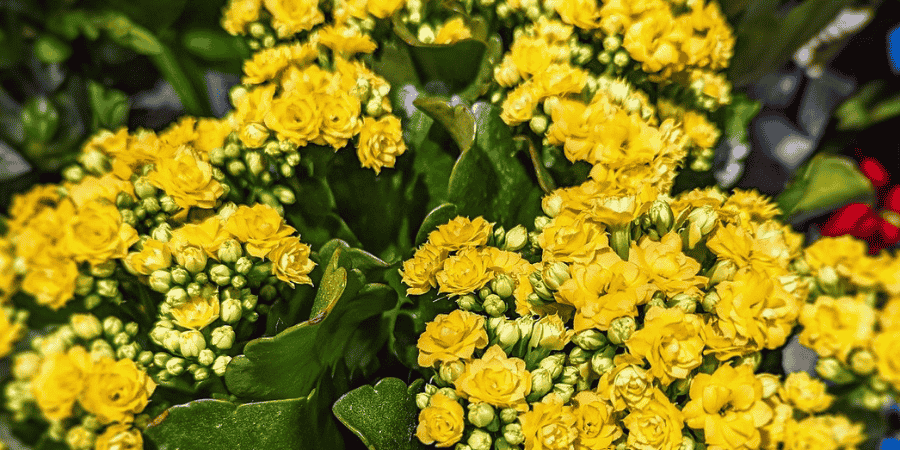
The Yellow Kalanchoe plant is a vibrant addition to any home. Its bright yellow blooms can lift the mood of any space.
But there’s more to this plant than just its beauty. This hardy succulent is easy to care for, making it perfect for beginners. It thrives with minimal attention, yet its blooms are long-lasting and striking. Whether you place it on a windowsill or in a garden, it adds a pop of colour.
The Yellow Kalanchoe also has air-purifying qualities, improving indoor air quality. With its cheerful appearance and low-maintenance nature, this plant is a delightful choice for anyone. Let’s explore what makes the Yellow Kalanchoe such a beloved plant for many.
Introduction To Yellow Kalanchoe Plant
The Yellow Kalanchoe Plant, known for its bright yellow flowers, is popular among indoor enthusiasts. This flowering houseplant is beautiful and easy to care for, making it an excellent option for novice and experienced gardeners. With its vibrant colour and unique appearance, the Yellow Kalanchoe Plant brings a touch of sunshine to any space.
Types Of Kalanchoe Plant
Kalanchoe is a genus of succulent plants that belongs to the Crassulaceae family. There are over 200 species of Kalanchoe, each with its unique characteristics. The Yellow Kalanchoe Plant is one of the many popular varieties. Here are some common types of Kalanchoe:
- Kalanchoe Blossfeldiana: This variety is often used as a decorative indoor plant because of its bright and vibrant flowers.
- Kalanchoe Tomentosa: Also known as the Panda Plant, it has fuzzy, grey-green leaves with brown edges.
- Kalanchoe Thyrsiflora: Commonly referred to as the Flapjack Plant, it has large, flat leaves that turn red at the edges when exposed to sunlight.
- Kalanchoe Pinnata: Known for its unique leaf structure, this plant is called the Air Plant.
Each type of Kalanchoe has its specific care requirements, but they all share some common traits. These succulent varieties are generally drought-resistant plants, making them ideal for those who might forget to water their plants regularly. They thrive in well-draining soil and prefer bright, indirect sunlight. Some Kalanchoe plants, like the Yellow Kalanchoe, can also tolerate low light conditions.
How To Care Yellow Kalanchoe Plant
Caring for a Yellow Kalanchoe Plant is relatively simple, thanks to its hardy nature. Here are some essential plant care tips:
- Light: These plants thrive in bright, indirect light. Place them near a window where they can receive plenty of sunlight. They can also tolerate low light conditions, but their growth may slow.
- Water: Water the plant thoroughly when the top inch of the soil feels dry. Be careful not to overwater, as this can lead to root rot. Due to their succulent nature, they store water in their leaves and can withstand periods of drought.
- Soil: Use well-draining soil to prevent water from sitting at the roots. A cactus or succulent mix is ideal for these plants.
- Temperature: Keep the plant in a room between 60°F and 75°F. Avoid placing it in drafty areas or near heating vents.
- Fertilizer: Feed the plant with a balanced, water-soluble fertilizer every 4-6 weeks during the growing season (spring and summer).
- Pruning: Remove dead or faded flowers to encourage new blooms. Trim back leggy growth to maintain the plant’s shape.
- Pest Control: Check for pests like aphids and mealybugs. Treat the plant with insecticidal soap or neem oil if you find any.
For successful Kalanchoe propagation, take a leaf or stem cuttings and allow them to dry for a few days before planting in well-draining soil. With proper succulent care, your Yellow Kalanchoe Plant will thrive and bring joy with its bright yellow flowers.
Characteristics Of Yellow Kalanchoe Plant
The Yellow Kalanchoe Plant is a popular succulent known for its bright yellow flowers and easy care. This beautiful and hardy plant is a favourite among gardeners. Understanding its characteristics can help you care for it better. Let’s explore its features in detail.
Leaf Structure
One of the Yellow Kalanchoe Plant’s most striking features is its thick, fleshy, and glossy leaves. These leaves are typically deep green, contrasting beautifully with the vibrant yellow flowers.
Here are some key characteristics of the leaves:
- Shape: The leaves are oval or round, with slightly serrated edges.
- Arrangement: They grow in pairs opposite each other along the stem.
- Size: Each leaf can grow up to 3-4 inches long.
- Texture: The surface is smooth and shiny, making the plant look healthy and vibrant.
In addition to their aesthetic appeal, the leaves serve an essential function. They store water, allowing the plant to survive in dry conditions. This makes the Yellow Kalanchoe Plant an excellent choice for low-maintenance gardens.
Flowering Patterns
The Yellow Kalanchoe Plant is known for its stunning flowering patterns. The bright yellow blooms are a highlight, adding a splash of colour to any garden.
Here are some details about its flowering patterns:
- Bloom Time: The plant typically blooms in late winter to early spring.
- Flower Size: Each flower is small, about 1/2 inch in diameter.
- Flower Clusters: The flowers grow in clusters, creating a dense bouquet effect.
- Longevity: The blooms can last for several weeks, providing long-lasting beauty.
The flowers emerge from the tips of the branches, creating a stunning visual display. They are star-shaped and have a waxy texture, which helps them retain moisture.
Overall, the flowering patterns of the Yellow Kalanchoe Plant are a delight to behold. They add colour, texture, and visual interest to any garden or indoor space.
How to Grow for Yellow Kalanchoe Plant
The Yellow Kalanchoe Plant is a beautiful, low-maintenance succulent that brings colour to any home or garden. To help it thrive, it’s important to understand the ideal growing conditions, which include proper lighting and temperature. Giving your Yellow Kalanchoe the right environment ensures it grows healthy and vibrant.
Light Requirements
The Yellow Kalanchoe Plant loves bright light. It needs at least six hours of indirect sunlight each Day. Place your plant near a south or west-facing window. This position allows it to get the light it needs without direct sunburn.
- Direct Sunlight: Too much direct sunlight can harm the leaves.
- Indirect Light: Best for overall growth and health.
- Artificial Light: Can be used if natural light is not available.
Light levels drop during winter. In such cases, grow lights can supplement natural light. LED grow lights are a good option because they are energy-efficient and provide the correct light spectrum.
| Light Type | Effect on Plant |
| Direct Sunlight | Can cause leaf burn |
| Indirect Light | Promotes healthy growth |
| Artificial Light | Useful in low light conditions |
Rotate the plant every few days to ensure all sides receive equal light exposure. This practice prevents the plant from leaning towards the light source. Proper light is key to keeping your Yellow Kalanchoe lush and blooming.
Temperature Preferences
The Yellow Kalanchoe Plant prefers moderate temperatures. It thrives best in temperatures between 60°F and 85°F (15°C to 29°C). Avoid placing the plant in areas with extreme temperature fluctuations.
- Optimal Temperature: 60°F to 85°F (15°C to 29°C)
- Minimum Temperature: Not below 50°F (10°C)
- Maximum Temperature: Not above 90°F (32°C)
Extreme temperatures can stress the plant, leading to poor growth and reduced flowering. If you live in a colder climate, keep the plant indoors during winter. Please place it in a warm room away from drafts or cold windows.
| Temperature Range | Effect on Plant |
| Below 50°F (10°C) | Can cause damage to leaves |
| 60°F to 85°F (15°C to 29°C) | Ideal for growth and flowering |
| Above 90°F (32°C) | It can cause wilting and stress |
Monitor indoor temperatures, especially during seasonal changes. Use a room thermometer to keep track. Keeping a stable temperature ensures your Yellow Kalanchoe remains healthy and vibrant throughout the year.
Soil And Potting Needs
The Yellow Kalanchoe Plant is a delightful addition to any home. Its bright, cheerful blooms can light up any room. Please pay attention to its soil and potting needs to keep this plant healthy and thriving. Proper soil and pot selection are crucial for the optimal growth of the Yellow Kalanchoe Plant.
Best Soil Mix
Choosing the right soil mix for your Yellow Kalanchoe Plant is essential. This plant prefers well-draining soil. Standing water can lead to root rot, which can kill the plant. A good soil mix will provide the necessary nutrients while ensuring proper drainage.
Here are some critical components for the best soil mix:
- Perlite: Adds aeration and improves drainage.
- Sand: Enhances drainage and prevents soil compaction.
- Peat Moss: Retains moisture without becoming waterlogged.
- Compost: Provides essential nutrients for the plant.
Mixing these components in the right proportions is essential. A good formula for a well-draining soil mix is:
| Component | Proportion |
| Perlite | 1 part |
| Sand | 1 part |
| Peat Moss | 1 part |
| Compost | 1 part |
This mix ensures that the soil remains light and drains well. Always check the soil before watering. The top inch should be dry before adding water.
Pot Selection
The pot you choose for your Yellow Kalanchoe Plant matters. It affects the plant’s health and growth. A good pot will have drainage holes at the bottom. These holes prevent water from sitting at the roots and causing rot.
Consider these tips when selecting a pot:
- Material: Clay pots are excellent as they allow for better airflow. Plastic pots are lighter but may retain more moisture.
- Size: Choose a pot slightly larger than the plant’s root ball. This will give the roots space to grow without overwhelming the plant with too much soil.
- Shape: A wider pot provides better stability for the plant. This is important as the Yellow Kalanchoe Plant can become top-heavy.
If you’re using a decorative pot without drainage holes, first place the plant in a plastic pot with holes. Then, place the plastic pot inside the decorative pot. This way, you can easily remove the plant from the water and drain excess water.
Remember, the proper pot can significantly affect the health of your Yellow Kalanchoe Plant. Check for root-bound conditions regularly and report when necessary to ensure continued growth and health.
Watering Guidelines
The Yellow Kalanchoe Plant is a delightful addition to any home or garden. Its bright yellow flowers and succulent leaves make it popular with plant enthusiasts. Proper watering is essential to keep this plant healthy and thriving. Understanding the correct watering guidelines will help ensure your Yellow Kalanchoe remains vibrant and beautiful.
Frequency Of Watering
Yellow Kalanchoe plants are succulents, which means they store water in their leaves. They do not need frequent watering, but overwatering can lead to root rot and other issues. Generally, water your Yellow Kalanchoe every two to three weeks.
Here are some tips to determine the right frequency:
- Check the soil moisture. Use your finger to feel the top inch of the soil. If it is dry, it is time to water.
- Adjust the watering frequency based on the season. In summer, you may need to water more often, and in winter, less frequently.
- Consider the plant’s environment. The plant might need more water if it is in a dry, warm location.
Here is a simple table to guide you:
| Season | Watering Frequency |
| Spring | Every 2 weeks |
| Summer | Every 1-2 weeks |
| Fall | Every 2-3 weeks |
| Winter | Every 3-4 weeks |
Signs Of Overwatering
Overwatering is one of the most common problems for Yellow Kalanchoe plants. It can lead to root rot and other health issues. Here are some signs to watch for:
- Yellowing leaves: It could indicate too much water if they turn yellow.
- Soft, mushy leaves: Overwatered leaves may feel soft and mushy.
- Root rot: If you suspect overwatering, check the roots. Healthy roots are white and firm, while overwatered roots are brown and mushy.
If you notice any of these signs, take action:
- Reduce watering frequency.
- Ensure the pot has drainage holes to prevent water accumulation.
- Repot the plant in fresh, well-draining soil if necessary.
Understanding these signs and adjusting your watering habits can keep your Yellow Kalanchoe healthy and vibrant.
Fertilizing Techniques
With its vibrant yellow flowers, the Yellow Kalanchoe plant is a delightful addition to any indoor or outdoor garden. Proper fertilizing techniques are essential to keeping these plants healthy and blooming. Knowing the suitable types of fertilizers and the best times to apply them can make a big difference in the growth and beauty of your Yellow Kalanchoe.
Types Of Fertilizers
Choosing the correct type of fertilizer is crucial for the health of your Yellow Kalanchoe plant. There are various options, each with its benefits:
- Organic Fertilizers: These are made from natural materials like compost, manure, and bone meal. They release nutrients slowly, improving soil health over time.
- Liquid Fertilizers: These are easy to apply and provide a quick nutrient boost. They are ideal for immediate plant needs.
- Granular Fertilizers: These are sprinkled on the soil and release nutrients gradually. They are suitable for long-term feeding.
- Slow-Release Fertilizers: These are coated to release nutrients over several months. They reduce the need for frequent applications.
To help you decide, here is a table summarizing the main types of fertilizers:
| Type | Benefits | Usage |
| Organic | Improves soil health, eco-friendly | Use during planting and for soil enrichment |
| Liquid | Quick nutrient boost, easy to apply | Use for immediate nutrient needs |
| Granular | Long-term feeding, easy to store | Sprinkle on soil, mix in the top layer |
| Slow-Release | Reduces application frequency, consistent feeding | Apply every few months |
Application Timing
Knowing when to fertilize your Yellow Kalanchoe is as important as choosing the right type of fertilizer. Here are some guidelines to follow:
- Spring: This is the best time to start fertilizing. The plant is out of dormancy and needs nutrients to support new growth. Apply a balanced liquid or granular fertilizer at the start of the season.
- Summer: Continue fertilizing every 4-6 weeks. Use a liquid fertilizer for quick absorption, especially during the blooming period.
- Fall: Reduce the frequency of fertilizing as the plant prepares for dormancy. A slow-release fertilizer can be applied to provide nutrients throughout the winter months.
- Winter: Minimize or stop fertilizing. The plant’s growth slows down, and it requires fewer nutrients.
Here is a simple schedule to follow:
| Season | Frequency | Type of Fertilizer |
| Spring | Once at the start | Balanced liquid or granular |
| Summer | Every 4-6 weeks | Liquid |
| Fall | Once | Slow-release |
| Winter | Minimize or stop | None or very little |
By following these fertilizing techniques, your Yellow Kalanchoe plant will thrive and bring vibrant colour to your space.
Pest And Disease Management
The Yellow Kalanchoe Plant is a vibrant and hardy succulent known for its beautiful yellow flowers and thick, green leaves. Despite its resilience, the plant is not immune to pests and diseases. Proper pest and disease management is crucial for keeping your Yellow Kalanchoe healthy and thriving. This guide will help you understand common pests and effective preventive measures.
Common Pests
Even though Yellow Kalanchoe is a tough plant, it can be affected by several common pests. Knowing what to look for can help you act quickly and save your plant.
Here are some common pests that target Yellow Kalanchoe:
- Mealybugs: These small, white, cotton-like insects can be found on the undersides of leaves. They suck sap from the plant, causing yellowing and wilting.
- Aphids: Tiny, soft-bodied insects that come in various colours. They also suck sap and can cause stunted growth and leaf distortion.
- Spider Mites are tiny, red or yellow, spider-like pests that create fine webs on the plant and cause speckled yellowing of the leaves.
- Scale Insects: Small, brown, or black bumps on the stems and leaves. They suck sap and can lead to leaf drop and reduced vigour.
Identifying these pests early is essential for effective management. Regularly inspect your Yellow Kalanchoe for signs of infestation. If necessary, use a magnifying glass to spot these tiny invaders.
Preventive Measures
Preventing pests is more accessible than dealing with an infestation. Here are some simple yet effective measures to keep your Yellow Kalanchoe pest-free:
- Regular Inspection: Check your plant weekly for signs of pests. Look under leaves and along stems.
- Proper Watering: Overwatering can weaken plants and make them more susceptible to pests. Water your Kalanchoe only when the soil is dry.
- Clean Environment: Keep the area around your plant clean. Remove fallen leaves and debris that can harbour pests.
- Healthy Soil: Use well-draining soil. This helps prevent root rot and other issues that attract pests.
- Neem Oil: Spray a diluted neem oil solution on your plant. It acts as a natural pesticide and repels many common pests.
- Isolation: If you bring a new plant home, keep it separate for a few weeks. This ensures it is pest-free before placing it near your Yellow Kalanchoe.
Following these preventive measures can minimize the risk of pests affecting your Yellow Kalanchoe. A healthy plant is less likely to suffer from infestations and will reward you with beautiful blooms and lush foliage.
Propagation Methods
The Yellow Kalanchoe Plant is a vibrant, low-maintenance succulent that brings colour to any space. Known for its bright yellow blooms and fleshy leaves, it’s popular among plant enthusiasts. One of the joys of growing this plant is its ease of propagation. There are several effective methods to propagate the Yellow Kalanchoe, ensuring you can enjoy more of these delightful plants. Let’s explore the different propagation methods.
Leaf Cuttings
Propagating Yellow Kalanchoe through leaf cuttings is a simple and effective method. Here’s how you can do it:
- Select a healthy leaf from the parent plant. Make sure it is free of disease or damage.
- Carefully cut the leaf close to the stem using a clean, sharp knife or scissors.
- Allow the leaf to dry for a few days. This helps to form a callus over the cut area, preventing rot.
- Prepare a small pot with well-draining soil. A mix of cactus soil and perlite works well.
- Place the leaf cuttings on the soil surface. Do not bury them.
- Water lightly, ensuring the soil is moist but not soggy.
- Place the pot in a bright, indirect light location. Avoid direct sunlight as it can scorch the leaves.
Within a few weeks, you should see tiny roots forming at the base of the leaf. This indicates successful propagation. Once the new plantlets are established, you can transfer them to individual pots.
Offsets And Division
Offsets and division are another effective way to propagate Yellow Kalanchoe. This method involves separating the small plantlets, or offsets, that grow around the base of the parent plant. Follow these steps:
- Gently remove the parent plant from its pot. This allows you to see the offsets.
- Carefully separate the offsets from the main plant. Ensure each offset has its roots.
- Prepare individual pots with well-draining soil for each offset.
- Plant the offsets in their new pots, ensuring the roots are covered with soil.
- Water the offsets lightly, keeping the soil moist but not waterlogged.
- Place the pots in a bright, indirect light location, similar to the parent plant’s environment.
Offsets are often more robust and quicker to establish than leaf cuttings. This method is ideal if your Yellow Kalanchoe has produced several offsets. They will grow into full-sized plants faster, giving you more beautiful blooms.
Pruning And Maintenance
The Yellow Kalanchoe Plant is a vibrant addition to a garden or indoor space. Proper pruning and maintenance are essential to keeping it thriving. This not only helps maintain its shape but also encourages healthy growth and blooming. Let’s explore the best practices for pruning and maintaining your Yellow Kalanchoe Plant.
When To Prune
Pruning your Yellow Kalanchoe Plant at the right time is crucial for its health. The best time to prune is right after the blooming season, in late spring or early summer. During this period, the plant is in its active growth phase, making it ideal for pruning.
Follow these steps for effective pruning:
- Start by removing any dead or faded flowers. This helps the plant redirect its energy towards new growth.
- Trim any leggy or overgrown stems. This will promote a bushier growth habit.
- Cut back any damaged or diseased leaves to prevent the spread of infections.
Here’s a simple table to guide you:
| Task | Best Time | Reason |
| Remove faded flowers | Late spring | Encourage new blooms |
| Trim overgrown stems | Early summer | Promote bushier growth |
| Cut damaged leaves | Anytime | Prevent disease spread |
Tools Required
Having the right tools makes pruning easier and more effective. Here are the essential tools you need for pruning your Yellow Kalanchoe Plant:
- Pruning Shears: A good pair of pruning shears is a must. They allow you to make clean cuts without damaging the plant.
- Gloves: Wear gloves to protect your hands from sharp edges or thorns.
- Disinfectant: Clean your tools before and after use with a disinfectant. This helps prevent the spread of diseases.
Below is a table summarizing the tools and their uses:
| Tool | Purpose |
| Pruning Shears | Make clean cuts |
| Gloves | Protect hands |
| Disinfectant | Clean tools |
Remember, clean tools are essential for preventing infections. Always sterilize your shears before each use. This simple step can make a big difference in your plant’s health.
Uses And Benefits
The Yellow Kalanchoe Plant is not only a delightful addition to any home garden, but it also offers various uses and benefits. With its bright yellow flowers, this succulent plant can bring joy and vibrancy to any space. It is cherished for both its aesthetic appeal and its medicinal properties.
Aesthetic Appeal
The Yellow Kalanchoe Plant stands out with its beautiful yellow blooms and fleshy green leaves. This plant can elevate the look of any garden or indoor space. Here are some reasons why it is highly valued for its aesthetic appeal:
- Vibrant Colors: The bright yellow flowers create a striking contrast against the green leaves.
- Compact Size: This plant is perfect for small spaces like windowsills, desks, and gardens.
- Low Maintenance: It requires minimal care, making it ideal for busy individuals or those new to gardening.
Let’s take a look at how the Yellow Kalanchoe Plant can enhance various spaces:
| Space | Benefit |
| Living Room | It adds a touch of colour and freshness. |
| Office | Brightens up the workspace and boosts mood. |
| Garden | Creates a vibrant focal point. |
Medicinal Properties
Besides its visual appeal, the Yellow Kalanchoe Plant is known for its medicinal properties. It has been used in traditional medicine for various purposes:
- Wound Healing: The leaves can be crushed to extract juice that helps in healing wounds and cuts.
- Anti-inflammatory: It is believed to reduce inflammation and swelling.
- Antibacterial: The plant’s extracts are known to fight bacterial infections.
Here’s a summary of its medicinal benefits:
| Property | Benefit |
| Wound Healing | Speeds up recovery of cuts and abrasions. |
| Anti-inflammatory | Reduces pain and swelling. |
| Antibacterial | Prevents infections from bacteria. |
These benefits make the Yellow Kalanchoe Plant a valuable addition to any home for decoration and its health-promoting properties.
Common Mistakes
The Yellow Kalanchoe Plant is a delightful addition to any home. Its vibrant yellow blooms can brighten any room. But, caring for this plant can be tricky. Many plant enthusiasts make common mistakes that can harm the plant. Understanding these errors can help you keep your Yellow Kalanchoe healthy and thriving.
Overwatering Issues
Overwatering is a frequent mistake with the Yellow Kalanchoe Plant. This plant stores water in its leaves, and too much water can lead to root rot and other problems.
Here are some signs of overwatering:
- Yellowing leaves
- Mushy stems
- Foul smell from the soil
To avoid overwatering, follow these tips:
- Water the plant only when the top 2 inches of soil are dry.
- Ensure the pot has drainage holes.
- Use well-draining soil.
A schedule can help manage watering:
| Season | Watering Frequency |
| Spring | Once a week |
| Summer | Once every 5 days |
| Fall | Once a week |
| Winter | Once every 10-14 days |
By following these guidelines, you can avoid overwatering. This helps the Yellow Kalanchoe to thrive.
Lighting Errors
Lighting is crucial for the Yellow Kalanchoe Plant. Too much or too little light can affect its growth.
Common lighting mistakes include:
- Placing the plant in direct sunlight
- Keeping the plant in a dark room
- Inconsistent light exposure
To provide proper lighting:
- Place the plant in bright, indirect light.
- Avoid direct afternoon sunlight.
- Rotate the plant weekly for even growth.
An excellent light schedule might look like this:
| Time of Day | Light Exposure |
| Morning (6 AM – 10 AM) | Indirect sunlight |
| Afternoon (10 AM – 4 PM) | Shade or filtered light |
| Evening (4 PM – 8 PM) | Indirect sunlight |
Proper lighting ensures healthy growth and vibrant blooms. Avoid these common mistakes to keep your Yellow Kalanchoe Plant happy.
Seasonal Care Tips
The Yellow Kalanchoe Plant is a vibrant and easy-to-care-for succulent. Its bright yellow flowers can bring a touch of sunshine to any indoor space. To keep your Kalanchoe healthy year-round, adapting its care routine according to the season is essential. Here are some seasonal care tips to ensure your plant thrives, whether winter or summer.
Winter Care
During winter, your Yellow Kalanchoe Plant needs extra attention to stay healthy. Follow these tips to keep your plant happy in the colder season:
- Light: Place your Kalanchoe in a spot with plenty of indirect sunlight. Winter days are shorter, so it gets at least 6 hours of light daily.
- Watering: Water sparingly during winter. Allow the soil to dry out completely between waterings. Overwatering can lead to root rot.
- Temperature: Keep your plant in a room with a temperature between 60-75°F (15 and 24°C). Avoid placing it near drafts or heating vents.
- Humidity: Kalanchoe plants prefer low humidity. To prevent mould and mildew, ensure good air circulation around the plant.
Here’s a quick reference table for winter care:
| Aspect | Recommendation |
| Light | 6 hours of indirect sunlight |
| Watering | Sparingly, dry soil between waterings |
| Temperature | 60-75°F (15-24°C) |
| Humidity | Low |
Summer Adjustments
In summer, the care routine for your Yellow Kalanchoe Plant changes. The warmer weather means your plant will need different treatments:
- Light: Ensure your Kalanchoe receives bright, indirect sunlight. Direct sunlight can scorch the leaves. Place it near a window with filtered light.
- Watering: Increase watering frequency during summer. Water the plant thoroughly, but allow the top inch of soil to dry out between waterings.
- Temperature: Ideal temperatures range from 65-85°F (18-29°C). Avoid exposing the plant to extreme heat.
- Fertilization: Feed your Kalanchoe with a balanced, water-soluble fertilizer every 4-6 weeks. This promotes healthy growth and vibrant blooms.
Here’s a quick reference table for summer care:
| Aspect | Recommendation |
| Light | Bright, indirect sunlight |
| Watering | Increase frequency, allow the top inch of soil to dry |
| Temperature | 65-85°F (18-29°C) |
| Fertilization | Every 4-6 weeks |
You May Also Like: 18 Best Herbs With White Flowers: Enhance Your Garden’s Elegance
Frequently Asked Questions
How Often Should I Water My Yellow Kalanchoe Plant?
Water your yellow Kalanchoe every two weeks. Allow the soil to dry out between waterings.
Does Yellow Kalanchoe Need Direct Sunlight?
Yellow Kalanchoe thrives in bright, indirect sunlight. Avoid direct sunlight as it can burn the leaves.
Can I Grow Yellow Kalanchoe Indoors?
Yes, yellow Kalanchoe can grow indoors. Place it near a bright window for best results.
Why Are My Yellow Kalanchoe Leaves Turning Yellow?
Yellow leaves can mean overwatering or too much sunlight. Check the watering schedule and light conditions.
What Type Of Soil Is Best For Yellow Kalanchoe?
Use well-draining soil for yellow Kalanchoe. A cactus or succulent mix works well to prevent root rot.
Conclusion
The yellow Kalanchoe plant brings colour and life to any space. It’s easy to care for, making it perfect for busy people. This plant blooms beautifully and needs minimal attention. Its cheerful yellow flowers brighten your home effortlessly. Consider adding a yellow Kalanchoe to your collection.
It will enhance your decor and lift your spirits. Enjoy the simple joy this lovely plant offers daily.