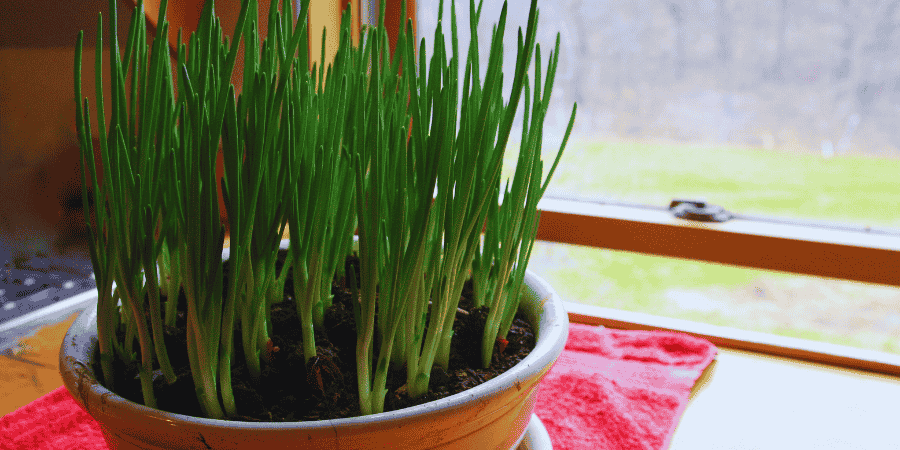
Want to know How to Grow Green Onions Indoors? Place the bulbs in a container with water or soil to grow green onions indoors. Ensure they receive indirect sunlight daily.
Growing green onions indoors is simple and rewarding. These versatile herbs require minimal space and care. Select fresh green or spring onion bulbs from your local grocery store. Snip off the green tops, leaving the white bulbs with roots intact.
Choose a container with good drainage and fill it with water or soil. Position the container near a sunny window, ensuring the onions receive indirect sunlight. Water them regularly, keeping the soil or water moist but not soggy. Within a week, you’ll notice new green shoots sprouting. Harvest as needed by snipping the green tops, allowing the bulbs to grow onions, and providing a fresh supply.
Choosing Green Onion Varieties
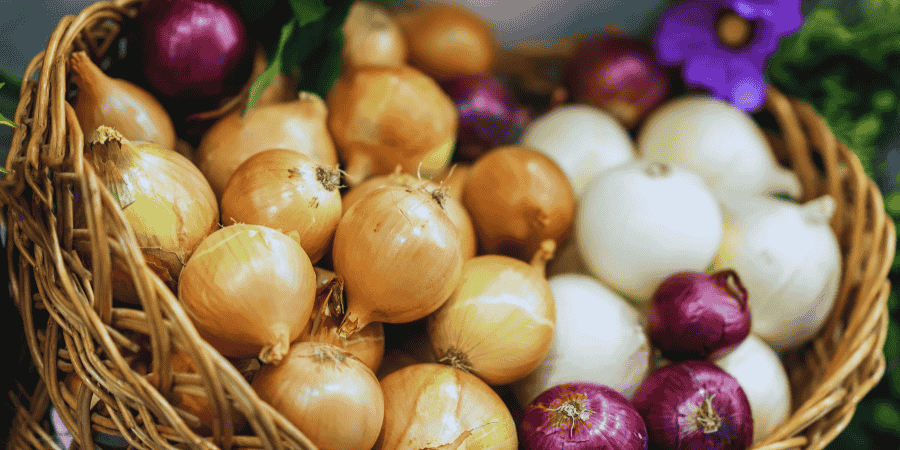
Growing green onions indoors is a fantastic way to have fresh ingredients at your fingertips. One key to success is choosing the right green onion varieties. Different types offer unique flavors and growth characteristics. Selecting the best variety for your indoor garden ensures a bountiful and delicious harvest.
Popular Varieties
There are several popular varieties of green onions to consider. Each has its unique characteristics and benefits:
- White Lisbon: This variety is fast-growing and known for its mild flavor. It’s perfect for salads and garnishes.
- Evergreen Hardy: A reliable, cold-tolerant variety. It offers a strong flavor and can be harvested throughout the year.
- Red Baron: This variety features striking red bulbs and a slightly spicy taste. It adds a colorful touch to dishes.
For those interested in a quick comparison, here’s a table summarizing these varieties:
| Variety | Growth Speed | Flavor | Special Features |
| White Lisbon | Fast | Mild | Great for salads |
| Evergreen Hardy | Medium | Strong | Cold-tolerant |
| Red Baron | Medium | Slightly spicy | Colorful bulbs |
Flavor Profiles
Each green onion (spring onions) variety has a distinct flavor profile, making them suitable for different culinary uses:
- White Lisbon: This variety has a mild, sweet flavor. It’s ideal for raw applications, such as salads and sandwiches.
- Evergreen Hardy: Known for its robust and spicy flavor. It’s excellent for cooking, adding depth to soups and stir-fries.
- Red Baron: Offers a unique, slightly spicy taste. It’s great for both raw and cooked dishes, adding a hint of spice and color.
Understanding these flavor profiles helps you decide which variety to grow based on your cooking preferences. For instance, use White Lisbon for fresh, crisp salads or Evergreen Hardy for flavorful soups. The Red Baron provides a spicy kick, perfect for diverse culinary applications.
Select the variety that best matches your taste and cooking needs. Enjoy fresh, home-grown green onions all year round!
Essential Supplies Needed
Growing green onions indoors is a fun and rewarding experience. To start this journey, you need some essential supplies. These supplies will ensure your green onions grow healthy and strong. Explore the containers and soil types for this indoor gardening project.
Containers
Choosing the right container is key for growing green onions indoors. The container must have proper drainage to prevent waterlogging. Here are some options:
- Plastic Pots: Lightweight and affordable, they come in various sizes. Ensure they have holes at the bottom.
- Clay Pots: These provide good air circulation for roots. They are heavier and more stable.
- Recycled Containers: You can use old jars or bottles. Just make sure to add drainage holes.
Each container type has its benefits. Choose one that fits your space and aesthetic. For beginners, plastic pots are a great start.
To help you decide, here’s a table comparing different container types:
| Container Type | Advantages | Disadvantages |
| Plastic Pots | Lightweight, Affordable | Less Durable |
| Clay Pots | Good Air Circulation | Heavy, Can Break |
| Recycled Containers | Eco-friendly, Customizable | May Need Extra Work |
Make sure your chosen container is at least 6 inches deep. This depth allows roots to grow well.
Soil Types
The right soil is crucial for green onions. They thrive in well-draining, nutrient-rich soil. Here are some soil types to consider:
- Potting Mix: This is a great option. It’s light, airy, and drains well.
- Compost-Enriched Soil: Adds nutrients and helps retain moisture.
- Sandy Soil: Ensures good drainage but may need extra fertilization.
For the best results, use a mix of potting soil and compost. This combination provides nutrients and good drainage. Avoid using garden soil. It can be too heavy and may contain pests.
Here’s a simple recipe for a good soil mix:
- 2 parts potting mix
- 1 part compost
- 1 part perlite or sand
Mix these ingredients well before filling your containers. This mix will ensure your green onions get the nutrients they need.
Remember, green onions prefer slightly acidic to neutral soil. A pH level between 6.0 and 7.0 is ideal.
Planting Green Onions Techniques
Growing green onions indoors is a rewarding experience. It’s simple and perfect for beginners. Mastering the right planting techniques ensures healthy and vibrant green onions. Here, we explore the essential methods to get you started.
Seedlings Vs. Bulbs
When growing green onions indoors, you can choose between seedlings and bulbs. Each method has its advantages:
- Seedlings: These are young plants that you start from seeds. Seedlings take longer to grow but are cost-effective. You can start with green onion seeds in small pots or seed trays. Keep the soil moist and provide adequate growth light.
- Bulbs: Bulbs are mature onion sets. They grow faster and are easier to plant. You simply plant the bulbs in the soil, ensuring the tips are just above the surface. Water them regularly for optimal growth.
Here is a comparison table to help you decide:
| Factor | Seedlings | Bulbs |
| Growth Time | 6-8 weeks | 2-4 weeks |
| Cost | Low | Moderate |
| Ease of Planting | Moderate | Easy |
Both methods are effective. Choose seedlings if you enjoy the process of nurturing plants from onion seeds. Opt for bulbs if you prefer quicker results.
Spacing Guidelines
Proper spacing is crucial for healthy green onions. Crowded plants compete for nutrients and light, leading to poor growth. Follow these guidelines for optimal spacing:
- Seedlings: Space seedlings about 1 inch apart. This allows each plant room to grow without competing for resources.
- Bulbs: Plant bulbs 1-2 inches apart. This spacing ensures each bulb onion has enough space to develop fully.
For a larger indoor garden, use a grid system. Here’s an example layout:
| Row | Spacing |
| Row 1 | 1 inch apart |
| Row 2 | 1 inch apart |
| Row 3 | 1 inch apart |
Ensure each row is spaced 4-6 inches apart. This arrangement provides ample room for air circulation and growth.
Spacing is key for healthy plants. Proper spacing helps prevent diseases and ensures each plant gets enough nutrients and light.
Optimal Light Conditions
Growing green onions indoors is a rewarding and easy way to ensure a fresh supply of this versatile vegetable. One of the most critical factors for success is providing optimal light conditions. Light is essential for photosynthesis, which helps your green onions grow strong and healthy. Let’s explore the best ways to provide natural and grow lights to your indoor green onion garden.
Natural Light
Natural light is the best source of light for growing green onions indoors. Place your green onions near a sunny window where they can get at least 6-8 hours of sunlight each day. South-facing windows are ideal because they receive the most sunlight throughout the day.
Here are some tips to maximize natural light:
- Rotate your plants every few days to ensure all sides receive equal light.
- Clean your windows regularly to remove dust and dirt that can block sunlight.
- Use sheer curtains to diffuse harsh sunlight and prevent leaf burn.
Sometimes, natural light may not be enough, especially during winter months when days are shorter. In such cases, you can supplement with grow lights to ensure your green onions get the needed light.
Grow Lights
Grow lights are a great option for indoor gardening, especially if natural light is insufficient. They provide a consistent light source, ensuring your green onions grow well regardless of the season. LED grow lights are energy-efficient and produce the right spectrum of light for plant growth.
Here are some tips for using grow lights:
- Position the grow lights about 6-12 inches above the plants.
- Set a timer to provide 12-16 hours of light each day.
- Adjust the height of the lights as your green onions grow to maintain the proper distance.
Using grow lights can be a game-changer, especially in low-light conditions. By following these tips, you can ensure your green onions thrive indoors, providing you with a fresh supply year-round.
Watering Practices
Growing green onions indoors can be a rewarding experience. Proper watering practices are crucial for the health and growth of your green onions. Too much or too little water can affect their growth. Let’s explore how to water your green onions correctly.
Frequency
Watering your green onions should be done carefully. Overwatering or underwatering can harm them. Aim to water your green onions every 3-4 days. The exact frequency depends on factors like the size of your container and indoor humidity levels.
Here are some key points to remember:
- Check Soil Moisture: Before watering, check the soil moisture. Stick your finger about 1 inch into the soil. If it feels dry, it’s time to water.
- Use a Watering Can: Use a watering can with a narrow spout. This helps to control the amount of water you pour.
- Water Evenly: Ensure the water reaches all parts of the container. This helps the roots to absorb water uniformly.
For a more precise schedule, refer to this table:
| Condition | Watering Frequency |
| High Humidity | Every 4-5 days |
| Low Humidity | Every 2-3 days |
| Small Pots | Every 2 days |
| Large Pots | Every 4 days |
Signs Of Overwatering
Overwatering is a common mistake when growing green onions indoors. Watch for these signs to ensure you are not overwatering:
- Yellow Leaves: If the green onion leaves turn yellow, it might be a sign of too much water.
- Wilting: Even though it seems odd, overwatered plants can wilt. This happens because the roots drown.
- Root Rot: Check the roots if you suspect overwatering. Healthy roots are white. Black or brown roots are a sign of root rot.
- Fungal Growth: Mold or mildew on the soil surface indicates excessive moisture.
To prevent overwatering, follow these tips:
- Use Well-Draining Soil: Ensure your soil mix drains well. Add perlite or sand if needed.
- Proper Drainage: Ensure your pots have drainage holes. This prevents water from pooling at the bottom.
- Avoid Watering Schedule: Instead of a strict schedule, water is based on soil moisture levels.
Monitoring and adjusting your watering practices can lead to healthy, lush green onions. Keep an eye on these signs and adjust your watering as needed.
Temperature Preferences
Growing green onions indoors is a rewarding and easy way to have fresh ingredients at your fingertips. Understanding the temperature preferences for green onions is crucial for successful indoor gardening. These plants thrive in specific conditions, and maintaining the right temperature ensures they grow healthy and fast.
Ideal Range
Green onions prefer a consistent temperature range. Keeping the temperature within the ideal range helps the plants grow strong and healthy. The best temperature range for green onions indoors is between 65°F and 75°F (18°C – 24°C).
Here are some key points to consider:
- Daytime Temperature: Aim for 70°F to 75°F (21°C – 24°C).
- Nighttime Temperature: Around 65°F (18°C), keep it slightly cooler.
- Consistency: Avoid sudden temperature changes.
- Location: Place them in a spot where the temperature stays stable.
Maintaining this temperature range helps green onions grow faster. They will have a better flavor and stronger stalks. Also, avoid placing them near heating vents or drafty windows. Both can cause stress to the plants.
| Time | Temperature |
| Day | 70°F – 75°F (21°C – 24°C) |
| Night | 65°F (18°C) |
Seasonal Adjustments
Green onions grow well year-round if you adjust the temperature according to the seasons. During winter, homes are usually warmer, which can affect plant growth. In summer, indoor temperatures can rise, causing stress to your green onions.
Here are some tips for seasonal adjustments:
- Winter: Ensure the temperature stays above 65°F. Use grow lights if the natural light is low.
- Summer: Keep the indoor space cool. Use fans or air conditioning if necessary.
- Monitoring: Use a thermometer to check the temperature regularly.
- Humidity: Maintain moderate humidity. Too much or too little can harm the plants.
Adjusting for seasonal changes ensures your green onions stay healthy. A small fan can help circulate air and keep the temperature steady in summer. During winter, placing the plants near a sunny window helps them get enough light and warmth.
By making these seasonal adjustments, you can enjoy fresh green onions year-round. Monitoring and maintaining the right conditions is key to successful indoor gardening.
Fertilizing Green Onions
Growing green onions indoors is a rewarding and simple way to enjoy fresh, home-grown produce. One critical step in ensuring your green onions thrive is fertilizing them properly. Fertilizing green onions provides essential nutrients, helping them grow strong and healthy. This section will guide you through the types of fertilizers you can use and the best methods to apply them.
Types Of Fertilizers
Using the right fertilizer is key to growing lush green onions. Here are some common types of fertilizers suitable for green onions:
- Organic Fertilizers: These are made from natural materials. They improve soil structure and provide long-lasting nutrients.
- Compost: A rich source of organic matter. It helps retain moisture and adds essential nutrients to the soil.
- Fish Emulsion: A liquid fertilizer that is high in nitrogen. It’s great for promoting leafy growth.
- Balanced 10-10-10 Fertilizer: This contains equal nitrogen, phosphorus, and potassium. It supports overall plant health.
To help you decide which fertilizer to use, here’s a quick comparison table:
| Fertilizer Type | Benefits |
| Organic Fertilizers | Improve soil structure, long-lasting nutrients |
| Compost | Retains moisture, adds nutrients |
| Fish Emulsion | High in nitrogen, it promotes leafy growth |
| Balanced 10-10-10 | Supports overall plant health |
Application Methods
Applying fertilizer correctly ensures your green onions get the nutrients they need. Here are some effective methods:
- Direct Application: Sprinkle granular fertilizer around the base of each plant. Water the soil to help the fertilizer dissolve and reach the roots.
- Liquid Fertilizer: Mix liquid fertilizer with water according to the instructions. Apply this mixture to the soil around your green onions using a watering can.
- Foliar Feeding: Spray a diluted liquid fertilizer directly onto the leaves. This method provides a quick nutrient boost.
For best results, follow these tips:
- Use fertilizer every two to three weeks during the growing season.
- Always water the soil before applying fertilizer to prevent root burn.
- Choose an organic option if you prefer natural gardening methods.
By selecting the right fertilizer and using proper application methods, your indoor green onions will grow robust and flavorful, ready for your culinary creations.
Pest Management Strategies
Growing green onions indoors is a rewarding and convenient way to have fresh produce year-round. Yet, managing pests can be a challenge. Effective pest management strategies are crucial for maintaining the health and productivity of your green onions. Let’s explore common pests and organic solutions to keep them at bay.
Common Pests
Several pests can target your indoor green onion plants. Aphids are small, green insects that suck sap from the leaves. They can cause leaves to curl and stunt plant growth. Spider mites are tiny, red pests that weave webs on plants. They feed on the plant’s sap and can cause yellowing and wilting. Fungus gnats are small, black flies that lay eggs in the soil. Their larvae feed on roots, which can damage young plants.
Here are some common pests you might encounter:
- Aphids: Small green insects that suck sap from leaves.
- Spider Mites: Tiny red pests that create webs and cause yellowing.
- Fungus Gnats: Small black flies whose larvae feed on roots.
Understanding these pests is crucial. Regular onion inspections can help you spot issues early. Early detection is key to managing infestations effectively.
Organic Solutions
Using organic solutions is a safe and effective way to manage pests. Neem oil is a natural pesticide against aphids and spider mites. Mix a few drops with water and spray it on the plants. Soap sprays can also deter pests. Mix a few drops of dish soap with water and spray it on the affected areas.
Here are some organic solutions to consider:
- Neem Oil: Mix with water and spray to combat aphids and mites.
- Soap Sprays: Dish soap mixed with water can deter many pests.
- Sticky Traps: Place yellow sticky traps near plants to catch fungus gnats.
In addition, beneficial insects can help control pest populations. Ladybugs and predatory mites are natural enemies of aphids and spider mites. Introducing them to your indoor garden can help maintain a balance.
Maintaining good hygiene is also essential. Remove dead leaves and debris, as they can harbor pests. Ensure proper air circulation to prevent fungal growth.
| Pest | Organic Solution |
| Aphids | Neem Oil, Soap Spray |
| Spider Mites | Neem Oil, Beneficial Insects |
| Fungus Gnats | Sticky Traps, Good Hygiene |
By using these organic solutions, you can effectively manage pests and ensure your green onions thrive indoors.
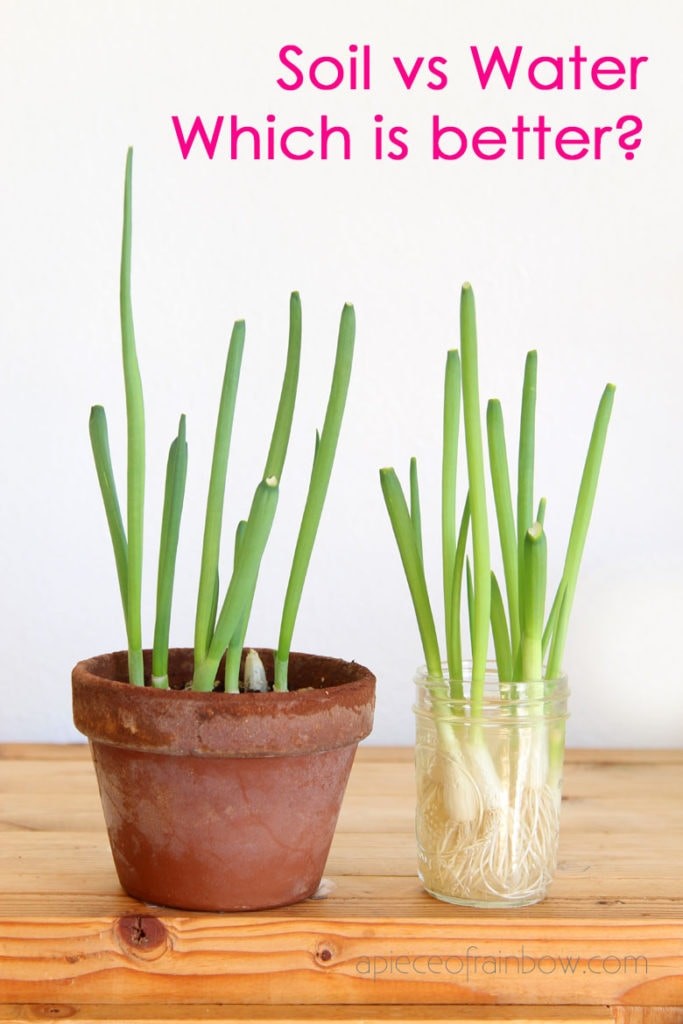
Credit: www.apieceofrainbow.com
Harvesting Green Onions Techniques
Growing green onions indoors is a fun and rewarding hobby. Harvesting these fresh herbs at the right time is key to enjoying their full flavor. This section will discuss the best harvesting techniques for green onions, ensuring you get the most out of your indoor garden.
Timing
Knowing the right time to harvest green onions is crucial. The perfect time to pick green onions is when they are young and tender. Typically, green onions are ready to harvest about 3 to 4 weeks after planting onion.
- Look for green onions that are around 6 to 8 inches tall.
- The stalks should be firm and bright green.
- The white bulb should be about half an inch in diameter.
It’s best to harvest green onions in the morning. The cool temperature helps preserve their crisp texture. Avoid harvesting during the hottest part of the day. This could make the onions wilt quickly.
Consider this table for a quick reference on the timing:
| Period | Height | Bulb Size |
| 3-4 weeks | 6-8 inches | 0.5 inches |
Methods
There are different methods to harvest green onions. Choose the one that suits your needs and preferences. One common way is to use scissors or a sharp knife to cut the green onions. This method is simple and effective.
- Grab the green onion near the base.
- Use scissors or a knife to cut the stalks about 1 inch above the soil.
- Leave the roots in the soil to regrow green onions.
Another method involves pulling the entire green onion plant from the soil. This is useful if you need the whole plant, including the white bulb.
- Hold the base of the green onion firmly.
- Gently pull the plant out of the soil.
- Shake off any excess soil.
Both methods are effective. Choose the one that works best for your kitchen needs. Regular harvesting encourages continuous growth. Enjoy fresh green onions all year round!
Storage Tips For Freshness
Growing green onions indoors is simple and rewarding. We are keeping them fresh after harvesting is crucial. Let’s explore some effective storage tips for maintaining their freshness.
Short-term Storage
For short-term storage, the goal is to keep green onions fresh for up to a week. Here are some handy tips:
- Use a damp paper towel: Wrap the green onions in a wet paper towel. Place them inside a plastic bag. This keeps them moist without causing rot.
- Store in the crisper drawer: Place the wrapped green onions in the crisper drawer of your refrigerator. This drawer maintains optimal humidity levels.
- Keep the roots intact: Do not trim the roots if you plan to use the onions within a week. The roots help keep the onions fresh.
Here’s a quick summary:
| Method | Steps | Duration |
| Damp Paper Towel | Wrap onions in a damp towel, place them in a plastic bag | Up to 1 week |
| Crisper Drawer | Store onions in the crisper drawer of the fridge | Up to 1 week |
Follow these tips to keep your green onions fresh and crisp for up to a week.
Long-term Options
For long-term storage, consider freezing or regrowing your green onions. Here’s how:
- Freezing:
- Chop the onions: Cut the green onions into small pieces.
- Flash freeze: Spread the pieces on a baking sheet and freeze for 1-2 hours.
- Store in a freezer bag: Transfer the frozen pieces to a freezer bag. Label the bag with the date.
- Regrowing:
- Use a glass of water: Place the white roots in a glass of water. Leave the glass on a sunny windowsill.
- Change the water: Change the water every few days to prevent mold.
- Harvest as needed: Snip off the green tops for use in cooking. They will regrow continuously.
Here’s a comparison of long-term storage methods:
| Method | Steps | Duration |
| Freezing | Chop, flash freeze, store in a freezer bag | Several months |
| Regrowing | Place roots in water, change water regularly | Indefinite |
These methods ensure you have fresh green onions available for a long time. Choose the one that fits your needs best.
Propagating Green Onions
Growing green onions indoors is a fun and easy way to ensure a fresh supply of this versatile vegetable. One of the most exciting parts of this process is propagating green onions. There are two main methods: using kitchen scraps or starting from seeds. Both methods have their advantages and can be done with minimal effort.
From Kitchen Scraps
Using kitchen scraps to grow green onions is simple and quick. This method is perfect if you want to recycle and reduce waste. Here’s a step-by-step guide:
- Save the white bulb ends with roots from your green onions.
- Place the bulbs in a glass with about an inch of water. Ensure the roots are submerged.
- Put the glass in a sunny spot, like a windowsill.
- Change the water every few days to keep it fresh.
- In about a week, you’ll see new green shoots. When they are about 6 inches tall, they are ready to harvest.
This method is not only easy but also quick. Within a week, you can start snipping off the green tops for cooking. Here’s a handy table to summarize the steps:
| Step | Description |
| 1 | Save the white bulb ends with roots. |
| 2 | Place bulbs in a glass with water. |
| 3 | Put the glass in a sunny spot. |
| 4 | Change the water every few days. |
| 5 | Harvest when shoots are 6 inches tall. |
From Seeds
Growing green onions from seeds takes longer, but it’s rewarding. Here’s how to do it:
- Fill a pot with potting soil, leaving an inch of space at the top.
- Sprinkle the seeds evenly over the soil.
- Cover the seeds with a thin layer of soil.
- Water gently to keep the soil moist but not soggy.
- Place the pot in a sunny spot or under the grow lights.
- Keep the soil moist and watch for seedlings in 7-10 days.
This method allows you to grow a larger quantity at once. Plus, you enjoy watching your green onions grow from tiny seeds to full plants. Here are some tips to ensure success:
- Use a well-draining potting mix.
- Do not let the soil dry out completely.
- Ensure the pot has good drainage to avoid waterlogging.
Growing from seeds might take a few weeks before you can harvest. But the wait is worth it for a bountiful supply of fresh green onions.
Common Mistakes To Avoid
Growing green onions indoors is a rewarding and easy way to enjoy fresh herbs year-round. Yet, it’s common to make mistakes that can hinder growth. Knowing these common mistakes to avoid can make your green onion garden flourish.
Overcrowding
One frequent mistake is overcrowding the green onions. Crowded plants compete for nutrients, water, and light. This can lead to stunted growth and poor yields. Here’s how to avoid overcrowding:
- Use a spacious container: Choose a pot at least 6 inches deep and wide enough to accommodate multiple plants.
- Proper spacing: Plant green onions about 2 inches apart. This allows each plant to have enough space to grow.
Overcrowded green onions can also increase the risk of diseases and pests. Here’s a table showing the negative effects of overcrowding:
| Issue | Effect |
| Competition for nutrients | Stunted growth |
| Poor air circulation | Increased risk of disease |
| Insufficient light | Weak plants |
Always ensure each plant has enough room to grow. This will promote healthy development and better yields.
Neglecting Light
Another common mistake is neglecting light. Green onions need adequate light to thrive. Without enough light, they become weak and leggy. Here are some tips to ensure your green onions get enough light:
- Choose a sunny spot: Place your green onions near a window that receives at least 6 hours of sunlight daily.
- Use grow lights: If natural light is insufficient, use grow lights as a supplement. LED grow lights are energy-efficient and effective.
- Rotate the container: Turn the pot regularly to ensure all sides of the plant receive equal light.
Insufficient light can lead to several problems:
- Weak, spindly growth: The plants stretch towards the light, becoming thin and weak.
- Poor color: Green onions may appear pale and lack the vibrant green color.
- Slow growth: The plants may grow slowly or not at all.
Providing adequate light is crucial for the health and productivity of your green onions. Ensure they get the light they need to grow strong and healthy.
Using Green Onions In Cooking
Growing green onions indoors is a fun and rewarding activity. These vibrant greens add fresh flavors to your dishes all year round. Using green onions in cooking can elevate the taste of your meals and add a pop of color. Let’s dive into how these versatile veggies can enhance your culinary creations.
Flavor Enhancements
Green onions, also known as scallions, offer a mild yet distinct flavor that can enhance various dishes. They bring a fresh, crisp taste that pairs well with raw and cooked foods. Here are some ways to use green onions to boost flavor:
- Raw Toppings: Chop green onions finely and sprinkle them over salads, soups, and tacos. They add a bright, zesty note.
- Sautéed: Cook green onions with garlic and olive oil for a savory base in stir-fries and pasta dishes.
- Grilled: Green onions bring out their natural sweetness, perfect for side dishes and garnishes.
Green onions also provide a nutritional boost. They are rich in vitamins A, C, and K and contain antioxidants that support overall health. Below is a table showcasing the nutritional benefits:
| Nutrient | Benefit |
| Vitamin A | Supports vision and immune function |
| Vitamin C | Promotes skin health and boosts immunity |
| Vitamin K | Essential for blood clotting and bone health |
Recipe Ideas
Green onions are incredibly versatile and can be used in various recipes. Here are some delightful ideas to get you started:
- Green Onion Pancakes: Mix chopped green onions into pancake batter for a savory twist. Serve with soy sauce for dipping.
- Egg Scramble: Add chopped green onions to scrambled eggs for a fresh and flavorful breakfast.
- Potato Salad: Stir green onions into potato salad for a crunchy, zesty addition.
Here’s a simple recipe for a delicious green onion dip:
- Chop 1 cup of green onions finely.
- Mix with 1 cup of sour cream and 1/2 cup of mayonnaise.
- Add a pinch of salt, pepper, and garlic powder.
- Stir well and refrigerate for 1 hour before serving.
This dip pairs perfectly with chips, veggies, or crackers. The green onions add a delightful crunch and freshness that everyone will love.
Benefits Of Growing Indoors
Growing green onions indoors offers many benefits for gardening enthusiasts. Indoor gardening ensures control over the environment, leading to healthier plants. Discover the numerous advantages of cultivating green onions within your home.
Convenience
Growing green onions indoors provides unmatched convenience. You don’t need a large garden or backyard. A sunny windowsill or a small indoor space is sufficient. This makes it ideal for apartment dwellers and those with limited outdoor space.
Indoor gardening is low-maintenance. You can easily monitor and care for your plants. Watering and trimming become simple tasks when your plants are within arm’s reach. There’s no need for heavy garden tools or protective gear.
- Easy access to fresh herbs
- Minimal space required
- Simple maintenance
Indoor green onion growth also eliminates weather concerns. There’s no worry about harsh weather, pests, or soil quality. Your plants thrive in a controlled environment. This means fewer problems and more consistent growth.
| Outdoor Gardening | Indoor Gardening |
| Weather-dependent | Controlled environment |
| Requires garden tools | Minimal tools needed |
| Space constraints | Fits small spaces |
Indoor gardening also enhances your living space. Green onions add a touch of greenery and freshness. They also purify the air and create a pleasant atmosphere.
Year-round Supply
Indoor gardening ensures a year-round supply of green onions. Unlike outdoor gardening, you are not limited by seasons. This means you have fresh green onions available at all times.
Indoor environments protect plants from extreme temperatures. Your green onions grow consistently throughout the year. This continuous growth means you can harvest green onions whenever needed.
- Plant green onion bulbs
- Place them in a sunny spot
- Water regularly
- Trim and harvest as needed
Year-round supply also means cost savings—no need to buy green onions from the store. You can grow as much as you need at home. This is both economical and convenient.
Indoor gardening allows you to experiment with different varieties. You can grow different types of green onions and even other herbs. This adds variety to your meals and enhances your culinary skills.
A year-round supply of green onions ensures consistent quality. You control the growth conditions, leading to healthier and tastier plants. This results in better flavor and nutrition in your meals.
Community And Resources
Growing green onions indoors is a rewarding and fun activity. Whether you’re a beginner or an experienced gardener, having a supportive community and useful resources can make the process easier and more enjoyable. Below are some ways to connect with others and find valuable information to help you grow healthy green onion seeds indoors.
Online Forums
Online forums are fantastic places to find tips, share experiences, and ask about growing green onions indoors. Many gardening enthusiasts are eager to help newcomers and share their knowledge.
Some popular online forums include:
- Reddit – r/gardening: This subreddit is filled with gardening enthusiasts who share tips and photos. You can ask questions and get quick responses.
- GardenWeb Forums: This site has many sub-forums, including one specifically for indoor gardening. It’s a great place to find detailed advice.
- Houzz Garden Forum: Houzz offers a community of gardeners who discuss various topics, including growing green onions indoors.
Participating in these forums has many benefits:
- Access to a vast pool of knowledge
- Quick answers to specific questions
- Inspiration from other gardeners’ success stories
Below is a table of some useful online forums:
| Forum | Website |
| Reddit – r/gardening | Visit Reddit |
| GardenWeb Forums | Visit GardenWeb |
| Houzz Garden Forum | Visit Houzz |
Local Workshops
Local workshops offer hands-on experience and personalized guidance. They are an excellent way to learn about growing green onions indoors from experts and fellow gardeners in your community.
To find local workshops, consider the following:
- Community Centers: Many community centers host gardening workshops. Check their schedules for upcoming events.
- Local Nurseries: Nurseries often have workshops on various gardening topics. Visit your local nursery and ask about their workshop schedule.
- Botanical Gardens: Botanical gardens frequently offer educational programs and workshops. They provide a beautiful setting to learn about plants.
Benefits of attending local workshops include:
- Hands-on learning experiences
- Opportunities to ask questions and get immediate feedback
- Connecting with local gardening enthusiasts
Check out the table below for some places that might offer workshops:
| Place | Contact |
| Community Center | Visit your local community center |
| Local Nursery | Ask at your nearest nursery |
| Botanical Garden | Check the botanical garden’s website |
Frequently Asked Questions
How Do I Start Growing Green Onions Indoors?
Begin with green onion bulbs or store-bought green onions. Place them in water or soil to start growing.
What Kind Of Light Do Green Onions Need?
Green onions require plenty of indirect sunlight. Place them near a sunny window or use grow lights.
How Often Should I Water Green Onions?
Water green onions when the top inch of soil feels dry. Avoid overwatering to prevent root rot.
Can Green Onions Regrow After Cutting?
Yes, green onions can regrow after cutting. Leave the white base intact and replant in water or soil.
What Type Of Soil Is Best For Green Onions?
Use well-draining potting soil. Enrich it with organic matter for better growth and nutrient absorption.
How Long Do Green Onions Take To Grow?
Green onions typically take 3-4 weeks to mature. You can start harvesting once they reach 6 inches tall.
Conclusion
knowing How to Grow green onions indoors is simple and rewarding. With the right steps, you’ll enjoy fresh, home-grown produce. Remember to provide ample light, water, and proper care. These tips ensure your green onions thrive year-round. Start your indoor gardening journey today and enjoy the benefits of fresh, flavorful green onions at home.