So, you’ve got a fig tree in a pot? Awesome! But before you start dreaming of fresh figs, let’s chat about something super important: the best soil for fig trees in pots.
Here’s the scoop:
- Fig trees love well-draining soil.
- They need soil that’s rich in organic matter.
- This helps the roots breathe and drink up water.
Think of it like this: they won’t be happy if your tree’s roots are in a mud puddle. And a sad tree? Well, that’s no good for anyone!
Using poor soil can slow down growth. It might even send your fig tree to the great garden in the sky. Yikes!
This post will investigate the best soil options for your potted fig trees. Make sure your tree gets the VIP treatment it deserves. Trust me, your future figs will be grateful!
What a Soil Mixture Does
Fig trees are perfect for pots. They are easy to grow and produce tasty fruit. Choosing the right soil mixture is key. It helps the fig tree thrive. The soil mixture affects water retention, drainage, and nutrient availability.
A good soil mixture supports fig tree growth. It does several things. First, it provides nutrients. Second, it ensures proper drainage. Third, it retains moisture. Let’s explore these functions in detail.
Nutrient Supply
The soil mixture offers essential nutrients. These include nitrogen, phosphorus, and potassium. Fig trees need these nutrients for healthy growth. A balanced mix of organic and inorganic materials is best.
Proper Drainage
Fig trees dislike soggy roots. Good soil ensures proper drainage. This prevents root rot. Use a mix with sand or perlite. These materials improve drainage. They keep the roots healthy and happy.
Moisture Retention
Fig trees need consistent moisture. The soil should retain water without being waterlogged. Add compost or peat moss to the mix. These materials help retain moisture. They keep the soil damp, not wet.
Soil pH Level
Soil pH affects nutrient absorption. Fig trees prefer slightly acidic to neutral soil. Aim for a pH between 6.0 and 7.0. Test the soil regularly. Adjust the pH as needed. Use lime to raise pH. Use sulfur to lower the pH.
Soil Texture
The texture of the soil mixture matters. Fig trees like well-aerated soil. It should be loose and crumbly. This allows roots to spread easily. Avoid heavy clay soils. They are too dense and retain too much water.
Component Table
| Component | Function |
| Compost | Provides nutrients |
| Sand | Improves drainage |
| Perlite | Enhances aeration |
| Peat Moss | Retains moisture |
Related: How to Care for a Fig Plant: A Self-Tested Guide for Home Gardeners [With Pro Tips]
Choosing the right soil is crucial for growing healthy fig trees in pots. Good soil ensures proper drainage and nutrient availability.
Fig trees thrive in well-draining soil with the right nutrients. The best soil mix helps your tree grow strong and produce delicious fruit. A good mix typically includes components like peat, perlite, and compost. These materials provide the right balance of moisture retention and drainage.
Avoid heavy, clay-based soils, which can retain too much water and lead to root rot. Consider adding organic matter to improve soil fertility. Regular monitoring of soil moisture and quality will ensure your fig tree remains healthy. This guide will help you select the best soil for your potted fig tree, ensuring optimal growth and fruit production.
1. Fiddle Leaf Fig House Plant Soil Premium All Purpose Blend
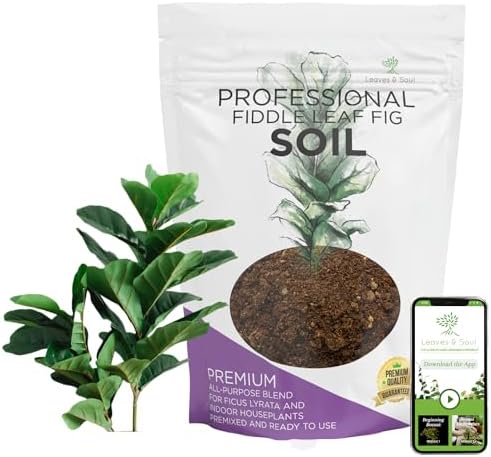
- Brand: Leaves and Soul
- Manufacturer: Leaves and Soul
- Dimensions: Height: 11.0 Inches Width: 3.0 Inches Length: 6.0 Inches Weight: 3.0 Pounds `
Discover the perfect soil blend for your Fiddle Leaf Fig house plant. This premium mix includes peat, sawdust, coarse sand, and pine bark. Made in the USA, it provides excellent drainage and nutrients. The large 2.2-quart bag is ready to use, ensuring your indoor houseplants thrive. It is ideal for healthy, vibrant growth.
Advantages
- Enhances plant health with a balanced blend of nutrients.
- Promotes strong root growth for indoor houseplants.
- Easy to use, no mixing required.
- It is made from natural materials like peat and pine bark.
- We are proudly made in the USA with quality ingredients.
Our Recommendations
This soil blend is perfect for my Fiddle Leaf Fig. Easy to use right out of the bag. My plant looks healthier and happier. The mix includes peat, sawdust, coarse sand, and pine bark. Made in the USA, it feels good to support local products. The large 2.2-quart bag goes a long way. It’s ideal for other indoor houseplants, too. It is highly recommended for plant lovers.
2. Fiddle Leaf Fig Soil by Perfect Plants 8QTS, Premium Professional Blend for All Fiddle Leaf Figs
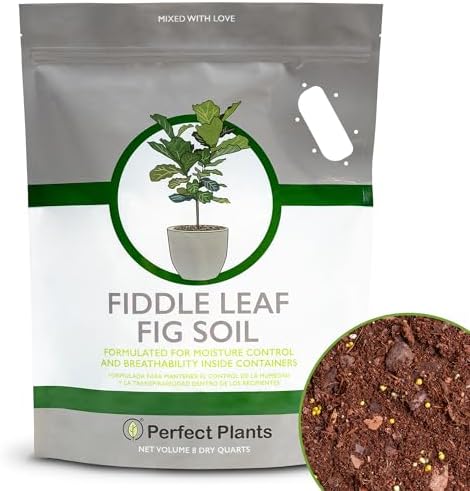
- Brand: PERFECT PLANTS
- Manufacturer: PERFECT PLANTS
- Dimensions: Height: 3.0 inches Width: 15.0 inches Length: 13.0 inches Weight: 2.0 Pounds `
Fiddle Leaf Fig Soil by Perfect Plants offers a premium blend for all your fiddle leaf figs. This professional mix ensures excellent drainage and root health. Your plants will thrive with this nutrient-rich soil. It is ideal for both beginners and experienced gardeners. Keep your fiddle leaf figs happy and lush with this top-quality soil. Enjoy the beauty of vibrant, healthy plants every day.
Advantages
- Perfect Plants’ soil ensures optimal aeration for healthy Fiddle Leaf Figs.
- The special blend promotes excellent drainage and prevents root rot issues.
- Nutrient-rich formula boosts growth and vibrant foliage.
- Easy to use, ideal for both beginners and experts.
- Eco-friendly mix supports sustainable gardening practices.
Our Recommendations
The Fiddle Leaf Fig Soil by Perfect Plants is a top-quality blend. My figs thrived with this soil mix. It provides excellent drainage, preventing root rot. The texture is perfect for aeration. My plants look healthier and greener. Easy to use and worth every penny. They are highly recommended for all fiddle leaf fig owners.
3. Fiddle Leaf Fig Potting Soil Mix by Fiddle Leaf Fig Plant Resource
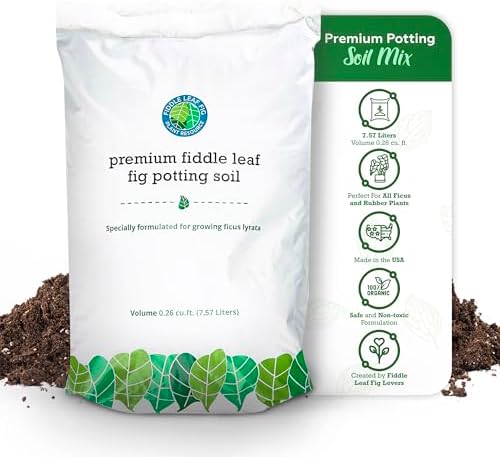
- Brand: Fiddle Leaf Fig Plant Food
- Manufacturer: Houseplant Resource Center
Discover the perfect soil mix for your Fiddle Leaf Fig with this premium organic potting mix. Specially formulated for enhanced drainage, it promotes fast growth and healthy roots. The large bag ensures you have plenty to nourish your beloved plant. Ideal for both novice and experienced gardeners, this soil mix makes plant care easy and effective. Give your Fiddle Leaf Fig the best foundation for thriving growth.
Advantages
- Promotes fast growth with enhanced drainage for vibrant fiddle leaf figs.
- Keeps roots healthy with premium organic ingredients.
- Reduces water-logging and prevents root rot.
- Provides essential nutrients for strong plant development.
- The large bag offers convenience for multiple repottings.
Our Recommendations
This soil mix made my fiddle leaf fig thrive. The enhanced drainage is fantastic. My plant’s roots are healthy and strong. It’s easy to use and perfect for quick growth. No more overwatering issues. The large bag lasts long, too. I highly recommend it to any fiddle leaf fig owner. Organic ingredients give peace of mind. My plant looks happier than ever.
4. DUSPRO Recycled Fiddle Leaf Fig Potting Soil Mix
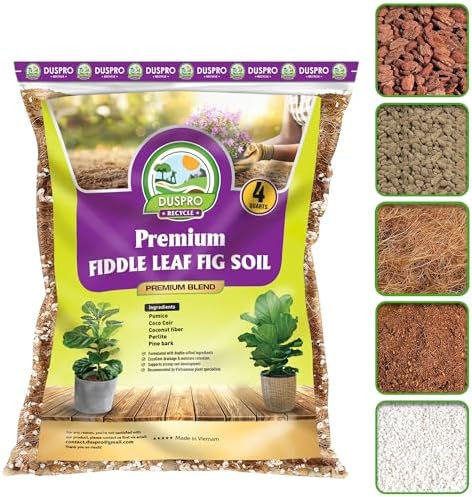
- Brand: Duspro
- Manufacturer: Duspro
- Color: Natural
- Dimensions: Height: 1.97 inches, Width: 9.47 inches, Length: 13.39 inches
DUSPRO Recycle Fiddle Leaf Fig Potting Soil Mix promotes healthy roots and fast growth. Enhanced drainage ensures your plants thrive. Perfect for indoor gardens, this 4QT mix is eco-friendly and sustainable. Ideal for fiddle leaf figs, it supports vibrant, lush foliage. Give your plants the best with DUSPRO’s quality soil blend.
Advantages
- Enhanced drainage for healthier plant roots.
- Promotes fast growth of Fiddle Leaf Fig plants.
- They are made from recycled materials—an eco-friendly choice.
- Suitable for indoor and outdoor use.
- Easy to use for all skill levels.
Our Recommendations
The DUSPRO Recycled Fiddle Leaf Fig Potting Soil Mix has transformed my plant care routine. Perfect drainage ensures my figs thrive. Healthy roots became visible within weeks. The soil mix is easy to use and lightweight. My fig tree looks greener and more vibrant. Even watering feels more effective with this mix. This product truly enhances plant growth. I highly recommend it for indoor gardeners.
5. Fiddle Leaf Fig Tree Plant Food for Ficus Lyrata (and Ficus Audrey)
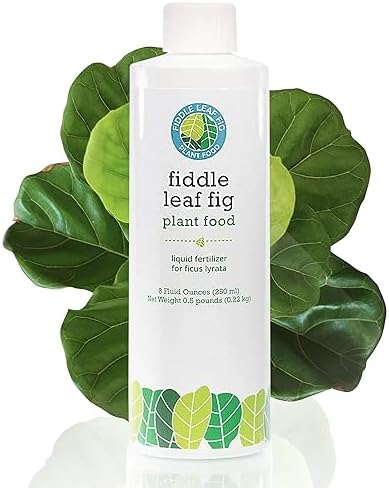
- Brand: Fiddle Leaf Fig Plant Food
- Manufacturer: Houseplant Resource Center
- Color: White
- Dimensions: Height: 2.0 Inches Width: 2.0 Inches Length: 6.75 Inches Weight: 0.4850169764 pounds `
Fiddle Leaf Fig Tree Plant Food boosts your Ficus Lyrata’s health. Enriched with calcium, it strengthens roots and stems. The urea-free formula ensures safe, steady growth. Its 3-1-2 NPK ratio enhances robust leaves. Each 8-ounce bottle offers easy application and impressive results. Keep your plants vibrant and thriving effortlessly.
Advantages
- Boosts plant health with enriched calcium content.
- Encourages strong roots, stems, and leaves.
- It is ideal for Fiddle Leaf Fig and Ficus Audrey plants.
- NPK ratio of 3-1-2 supports balanced growth.
- The urea-free formula ensures gentle nourishment.
Our Recommendations
Fiddle Leaf Fig Tree Plant Food is fantastic. My focus plants look healthier than ever. The enriched calcium formula works wonders. Leaves are greener, and stems are stronger. The urea-free mix is gentle. No more burnt roots or yellowing leaves. Easy to use. Just mix with water and feed your plants. The 3-1-2 NPK ratio is perfect. Promotes robust growth and vibrant foliage. I highly recommend it to any Ficus owner. Great value for an 8-ounce bottle. Noticeable improvement in just a few weeks. My plants thrive on this food.
6. Gardenera Fiddle Leaf Fig House Plant Soil Premium All Purpose Blend
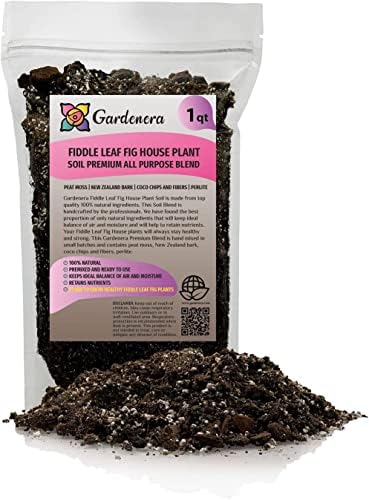
- Brand: Gardener
- Manufacturer: Gardener
- Color: Fiddle Leaf Fig Soil Mix
- Dimensions: Height: 8.0 inches Width: 2.0 inches Length: 6.0 inches
Gardenia Fiddle Leaf Fig House Plant Soil Blend ensures your plants thrive with its premium mix. Each 1-quart bag contains peat moss, New Zealand bark, coco chips, fibers, and perlite. This blend provides excellent drainage and aeration, promoting healthy root growth. It is ideal for fiddle leaf figs and creates the perfect environment for vibrant, lush foliage. Enjoy the beauty of well-nourished plants with this all-purpose soil blend.
Advantages
- Boosts plant growth with the nutrient-rich blend. Healthy plants, happy home.
- Ensures excellent drainage, preventing root rot issues. Healthier roots.
- New Zealand bark provides natural aeration. Improves soil structure.
- Coco chips and fibers retain moisture well. Less frequent watering.
- Lightweight and easy to handle. Convenient for indoor gardening.
Our Recommendations
Gardenia Fiddle Leaf Fig House Plant Soil is a fantastic product. My plants have never looked healthier. This soil blend is a perfect mix. Peat moss, New Zealand bark, coco chips, and perlite create an ideal environment. Easy to use and mess-free. The one-quart bag is just the right size for my needs. I highly recommend it for plant lovers—noticeable improvement in plant growth. Leaves are greener and more vibrant. It is truly a premium blend for house plants.
7. Citrus Tree Potting Soil Mix (8 Quarts), Special Blend for Indoor
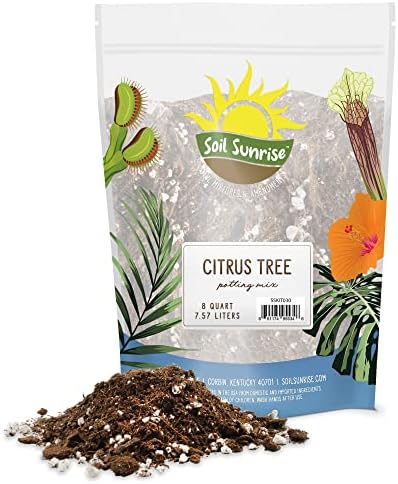
- Brand: Soil Sunrise
- Manufacturer: Soil Sunrise
- Color: Brown
- Dimensions: Height: 14.0 inches Width: 4.0 inches Length: 12.0 inches Weight: 3.46 Pounds `
Experience lush growth with our Citrus Tree Potting Soil Mix. You are specially blended for indoor oranges, lemons, and limes. This 8-quart mix provides essential nutrients for healthy roots. Keep your citrus trees thriving and vibrant. Perfect for any indoor gardener aiming for fruitful harvests. Nurture your plants with ease and enjoy fresh, homegrown citrus fruits.
Advantages
- It is ideal for indoor citrus plants like oranges, lemons, and limes.
- It provides perfect drainage, preventing root rot and overwatering issues.
- It is enriched with essential nutrients for healthy fruit growth.
- Promotes strong root systems for vigorous plant development.
- Suitable for various citrus varieties, ensuring versatility.
Our Recommendations
Citrus Tree Potting Soil Mix is fantastic. My indoor lemon tree has never looked healthier. The special blend works wonders. Easy to use and promotes strong growth. Perfect for oranges, lemons, and limes. This mix retains moisture well. No need for frequent watering. It helps in maintaining the right soil pH. My plants thrive in this soil. I highly recommend it for indoor citrus trees. It’s worth every penny. The quality is outstanding—great product for any citrus lover.
8. Olive Tree Potting Soil Mix (8 Quarts) for Planting, Repotting, and Growing Olive Bushes/Plants
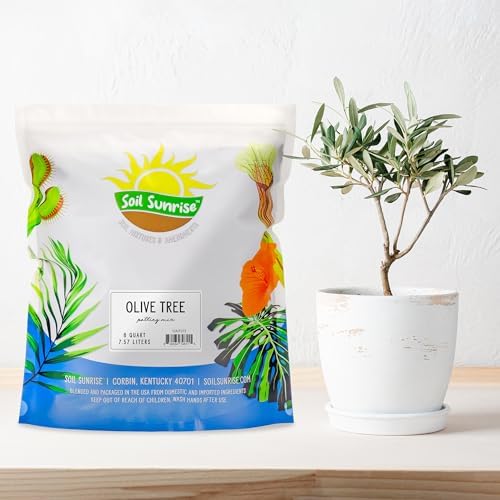
- Brand: Soil Sunrise
- Manufacturer: Soil Sunrise
- Color: Brown
- Dimensions: Height: 4.0 inches, Width: 12.0 inches, Length: 14.0 inches Weight: 3.8 pounds `
Experience the perfect blend with Olive Tree Potting Soil Mix. It is ideal for planting, repotting, and growing healthy olive bushes. This 8-quart mix ensures optimal drainage and root health. Rich in nutrients, it supports robust growth and vibrant foliage. Suitable for indoor and outdoor olive plants. Give your olive trees the best foundation for thriving.
Advantages
- Boosts plant growth with essential nutrients and minerals.
- Ensure proper drainage to prevent root rot in olive plants.
- Promotes strong root development for healthier plants.
- Retains moisture efficiently, reducing the need for frequent watering.
- Organic composition is safe for the environment and your plants.
Our Recommendations
The Olive Tree Potting Soil Mix works wonders for my olive plants. Each plant thrives in this nutrient-rich soil. Repotting was a breeze with this mix. The soil is soft and easy to work with. My olive bushes look healthier than ever. Growth is fast, and leaves are lush and green. Soil drainage is excellent—no more worries about overwatering. I highly recommend this potting mix for any olive plant lover. Great value for the quality you get.
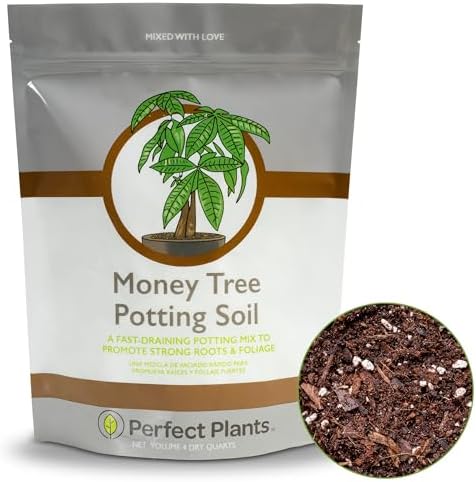
9. Perfect Plants Money Tree Potting Soil 4qt
- Brand: PERFECT PLANTS
- Manufacturer: Perfect Plants
- Color: Money Tree Potting Soil
- Dimensions: Height: 14.0 inches Width: 3.0 inches Length: 11.0 inches
Transform your indoor space with Perfect Plants Money Tree Potting Soil. This organic coco-coir-based mix supports fast growth. Ideal for indoor trees, it nurtures roots effectively. Experience lush green foliage quickly and effortlessly. Your indoor forest awaits with this premium plant mix.
Advantages
- Organic coco coir base ensures healthy root growth.
- It is ideal for indoor trees, creating a lush indoor forest.
- Quick growth formula boosts plant development.
- Enhances water retention, reducing the need for frequent watering.
- Eco-friendly blend supports sustainable gardening.
Our Recommendations
Perfect Plants Money Tree Potting Soil is amazing. My indoor trees love it. Growth has been quick and healthy. The organic coco coir base keeps the soil moist but not soggy. Easy to use and mess-free. The quality of this soil mix is impressive. Plants appear greener and happier. Great for anyone wanting a simple solution for indoor tree care. They are highly recommended!
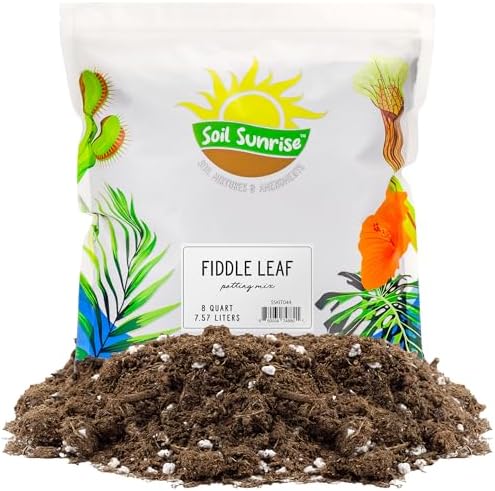
10. Premium Fiddle Leaf Fig Tree Soil (8 Quarts)
- Brand: Soil Sunrise
- Manufacturer: Soil Sunrise
- Color: Brown
- Dimensions: Height: 14.0 Inches Width: 4.0 Inches Length: 12.0 Inches Weight: 3.8 Pounds `
Discover the ideal soil mix for your fiddle leaf fig plants. This Premium Fiddle Leaf Fig Tree Soil (8 Quarts) promotes vibrant growth. Crafted with nutrient-rich ingredients, it supports healthy indoor, outdoor, and potted plants. Expertly formulated, this potting mix ensures your fiddle figs thrive. Give your plants the best with this specialized soil.
Advantages
- Boosts plant health with nutrient-rich ingredients.
- Encourages vibrant growth for indoor and outdoor plants.
- They are designed specifically for Fiddle Leaf Fig Trees.
- Enhances root development and moisture retention.
- Expert formula tailored for potted Fiddle Fig Plants.
Our Recommendations
Premium Fiddle Leaf Fig Tree Soil is fantastic! My fiddle leaf fig now looks healthier and more vibrant than ever. The nutrient-rich potting mix works wonders. My fig plant has grown stronger roots and lush leaves quickly. Perfect for indoor and outdoor plants. The expert formula ensures my fig tree thrives in any environment. Easy to use and mess-free. This soil blend makes planting and repotting a breeze. I highly recommend it to anyone with fiddle fig plants. This soil mix truly supports healthy growth.
Choosing the right soil mixture for fig trees in pots is crucial. It supports growth and ensures a healthy tree. Remember to provide nutrients, ensure proper drainage, and retain moisture.
Related: How to Care for a Potted Fig Tree in Delaware: Expert Tips
How To Choose A Soil For Fig Trees
Growing fig trees in pots can be a delightful addition to any garden or balcony. Choosing the right soil is crucial for the health and productivity of your fig trees. This guide will help you select the best soil for your fig trees in pots.
Essential Ingredients
The soil must contain essential ingredients for fig trees that promote growth and support the tree’s roots. These ingredients include:
- Loamy Soil: Loamy soil is a balanced sand, silt, and clay mixture. It offers good drainage and retains moisture well.
- Organic Matter: Organic matter like compost or aged manure improves soil structure and provides nutrients.
- Perlite or Vermiculite: These additives improve soil aeration and drainage, preventing root rot.
- Pine Bark Fines: Pine bark fines can enhance soil aeration and water retention.
Creating a good soil mix involves combining these ingredients in the right proportions. A recommended mix for fig trees in pots is:
| Ingredient | Proportion |
| Loamy Soil | 40% |
| Organic Matter | 30% |
| Perlite or Vermiculite | 20% |
| Pine Bark Fines | 10% |
This mix ensures the soil is well-draining nutrient-rich, and supports root health. Adjust the proportions based on your local climate and the specific needs of your fig tree.
Nutrient Balance
Maintaining the right nutrient balance is essential for the growth of fig trees. The primary nutrients required are nitrogen (N), phosphorus (P), and potassium (K). Here’s how to ensure a balanced nutrient profile:
- Nitrogen (N): Promotes leaf and stem growth. Use a balanced fertilizer or organic sources like compost.
- Phosphorus (P): Essential for root development and fruit production. Bone meal or rock phosphate can be good sources.
- Potassium (K): Helps with overall plant health and disease resistance. Potash or wood ash are good sources.
Consider using a balanced fertilizer with an NPK ratio of 5-5-5 or 10-10-10. Apply the fertilizer every 4-6 weeks during the growing season.
In addition to the primary nutrients, fig trees also need secondary nutrients and trace elements:
- Calcium (Ca): Prevents blossom end rot and improves fruit quality.
- Magnesium (Mg): Important for photosynthesis. Epsom salts can be a good source.
- Iron (Fe), Zinc (Zn), Manganese (Mn): Trace elements crucial for overall plant health.
Regularly test your soil to ensure it has the right nutrient levels. Adjust the soil composition based on test results, adding organic matter or specific fertilizers as needed. Healthy soil leads to healthy fig trees and a bountiful harvest.
Drainage Requirements
Fig trees thrive in pots if you provide the right soil conditions. One key factor to consider is drainage. Proper drainage ensures the roots do not get waterlogged, which can lead to root rot and other issues. Understanding the drainage requirements for fig trees in pots can help them grow healthy and strong.
Importance Of Drainage
Drainage is crucial for fig trees in pots. Without good drainage, water can accumulate at the bottom of the pot. This can cause the roots to suffocate and rot. Healthy roots need both water and air to function properly. Good drainage helps maintain this balance.
Here are some reasons why drainage is important:
- Prevents Root Rot: Excess water leads to root rot, a common issue in potted plants.
- Ensures Oxygen Availability: Roots need oxygen to absorb nutrients. Waterlogged soil restricts oxygen flow.
- Maintains Soil Structure: Good drainage keeps soil from becoming compacted. Compacted soil can harm root growth.
To illustrate the impact of drainage, consider this table:
| Drainage Quality | Root Health | Plant Growth |
| Good | Healthy | Strong and Vigorous |
| Poor | Rotten | Stunted and Weak |
Ensuring proper drainage is vital for the health and growth of your fig trees.
Methods to Improve Drainage
There are several ways to improve drainage in potted fig trees:
- Choose the Right Pot: Select a pot with drainage holes at the bottom. This allows excess water to escape.
- Use Well-Draining Soil: Mix potting soil with sand, perlite, or bark chips. These materials improve soil drainage.
- Add a Layer of Gravel: Place a gravel layer at the pot’s bottom. This helps water flow out more easily.
- Avoid Overwatering: Water the fig tree only when the top inch of soil feels dry. Overwatering can lead to poor drainage.
Below is a simple soil mix recipe for fig trees:
| Ingredient | Proportion |
| Potting Soil | 50% |
| Sand | 20% |
| Perlite | 20% |
| Bark Chips | 10% |
By following these methods, you can ensure your fig tree has the right conditions to thrive. Good drainage will promote healthy roots and vigorous growth.
Ph Level Preferences
Fig trees thrive in pots when they have the right soil. One key factor is the soil’s pH level. Understanding the pH level preferences of fig trees can greatly affect their growth and fruit production. Let’s dive into the optimal pH range and how to test your soil’s pH.
Optimal pH Range
Fig trees prefer soil with a pH level between 6.0 and 6.5. This slightly acidic range allows the roots to absorb nutrients effectively. Here are some benefits of maintaining the optimal pH level for fig trees:
- Enhanced nutrient uptake: Proper pH levels ensure essential nutrients like nitrogen, phosphorus, and potassium are available.
- Healthy root growth: Roots develop better in a well-balanced pH environment.
- Improved fruit production: Trees produce more and better-quality fruits.
It’s crucial to monitor and adjust the pH levels as needed. Soil that is too acidic or alkaline can hinder the tree’s health and growth. Here’s a table summarizing the effects of different pH levels:
| pH Level | Effect on Fig Trees |
| < 5.5 | Too acidic; nutrient deficiency |
| 6.0 – 6.5 | Optimal: healthy growth and fruiting |
| > 7.0 | Too alkaline; nutrient lockout |
Testing Soil pH
Regularly testing your soil’s pH is essential. There are several methods to test soil pH:
- Using a pH meter: This is a simple and accurate tool. Insert the probe into the soil and read the pH level on the display.
- pH testing kits: These kits include a color chart and testing solution. Mix the soil with water, add the solution, and compare the color change to the chart.
- Professional lab testing: Send a soil sample to a laboratory for a detailed analysis. This method provides the most accurate results.
Here are some tips for accurate pH testing:
- Test soil from different pot areas for a comprehensive reading.
- Clean your tools to avoid contamination.
- Perform tests during different seasons for consistent monitoring.
Maintaining the right pH level ensures your fig trees stay healthy and productive. Regular monitoring and adjustments are key to achieving the best growth conditions.
Potting Mix Options
Fig trees are a delightful addition to any garden, even with limited space. Growing them in pots allows for flexibility and portability. Selecting the right potting mix is crucial to ensure your fig trees thrive. Let’s explore some potting mix options that can provide the best environment for your potted fig trees.
Commercial Mixes
Commercial potting mixes are convenient and specially formulated for various plants. They are often available at garden centers and online. These mixes are pre-made and ready to use, saving time and effort. Here are some common types of commercial mixes suitable for fig trees:
- All-Purpose Potting Mix: This mix is versatile and widely available. It usually contains peat moss, perlite, and compost. It provides good drainage and aeration for fig trees.
- Citrus and Fruit Tree Mix: Designed for fruit-bearing plants, this mix often includes added nutrients. It supports healthy root development and fruit production.
- Organic Potting Mix: Made from natural materials, this mix is free from synthetic chemicals. It is ideal for those who prefer organic gardening practices.
When choosing the best commercial mix for your fig tree, consider the following:
| Type | Key Ingredients | Benefits |
| All-Purpose | Peat moss, perlite, compost | Good drainage and aeration |
| Citrus and Fruit Tree | Peat moss, perlite, added nutrients | Supports fruit production |
| Organic | Natural compost, coco coir | Eco-friendly and chemical-free |
DIY Potting Mix
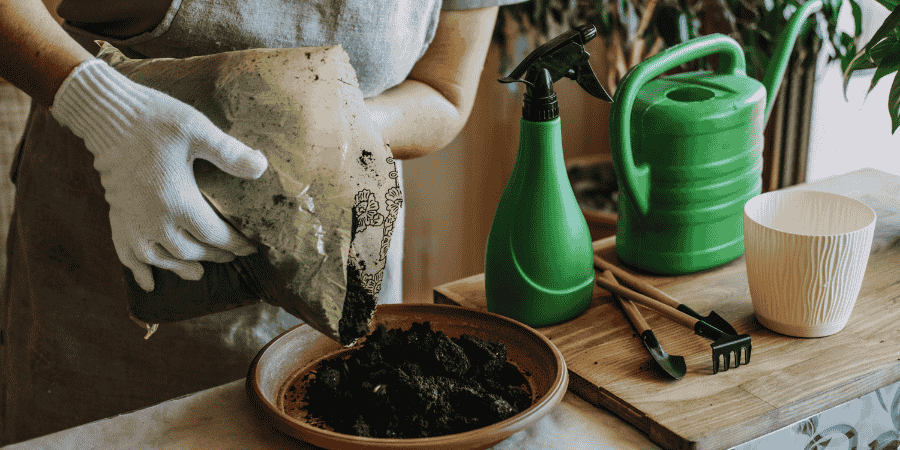
Creating your potting mix allows for customization to meet the specific needs of your fig tree. A DIY mix can be more cost-effective and tailored to the soil conditions that fig trees prefer. Here’s a simple recipe for a DIY potting mix:
- Base: Use 50% high-quality garden soil or topsoil. This provides structure and nutrients.
- Aeration: Add 20% perlite or coarse sand. This helps with drainage and prevents root rot.
- Nutrient Boost: Mix in 20% compost or well-rotted manure. This adds essential nutrients and organic matter.
- Moisture Retention: Include 10% peat moss or coco coir. This retains moisture without waterlogging the roots.
Here’s a quick table to summarize the DIY potting mix components:
| Component | Percentage | Function |
| Garden Soil | 50% | Provides structure and nutrients |
| Perlite/Coarse Sand | 20% | Improves drainage |
| Compost/Manure | 20% | Boosts nutrients |
| Peat Moss/Coco Coir | 10% | Retains moisture |
Mix all the ingredients thoroughly before using. Adjust the mix based on your local climate and the specific needs of your fig tree. DIY potting mixes offer flexibility and control over the growing environment of your fig trees.
Water Retention Techniques
Fig trees in pots can thrive when given the right care, and one key aspect is water retention techniques. Proper water retention ensures that the soil remains moist without becoming waterlogged. This balance is crucial for fig trees, which need consistent moisture to produce healthy fruit. Let’s explore the best materials for retention and ways to avoid overwatering your potted fig tree.
Materials for Retention
Using the right materials in your soil mix can significantly improve water retention. Here are some effective options:
- Coco Coir: This natural fiber from coconut husks retains water well while providing good drainage.
- Perlite: These small, white particles help aerate the soil and retain moisture.
- Peat Moss: This organic material holds water and nutrients, making it ideal for fig trees.
- Vermiculite: Like perlite, vermiculite improves water retention and aeration.
Combining these materials in your potting mix can create an optimal environment for your fig tree. Consider this sample mix for the best results:
| Material | Proportion |
| Coco Coir | 40% |
| Perlite | 20% |
| Peat Moss | 20% |
| Vermiculite | 20% |
These materials not only retain water but also ensure proper aeration. This balance is essential for healthy root development and overall tree growth.
Avoiding Overwatering
While water retention is important, overwatering can harm your fig tree. Here are some tips to avoid this problem:
- Check Soil Moisture: Before watering, check the soil moisture by sticking your finger about 2 inches into the soil. If it feels dry, it’s time to water.
- Use Well-Draining Pots: Ensure your pot has drainage holes. This prevents excess water from accumulating at the bottom.
- Watering Schedule: Establish a regular watering schedule. Fig trees usually need water once a week, but this can vary based on climate and season.
- Avoid Standing Water: Never let your pot sit in a saucer of water. This can lead to root rot.
Consider these additional tips to ensure proper watering further:
- Mulching: Add a layer of mulch on top of the soil to help retain moisture.
- Self-Watering Pots: These pots can help regulate the amount of water your fig tree receives.
- Monitor Weather: Adjust your watering based on weather conditions. Less water is needed during rainy periods.
By following these techniques, you can keep your fig tree healthy and productive, avoiding the pitfalls of overwatering.
Fertilization Strategies
Fig trees in pots need the right soil and proper fertilization to thrive. Fertilization strategies ensure your fig tree gets the nutrients it needs. This section will cover the types of fertilizers you can use and how often to apply them.
Types of Fertilizers
Choosing the right fertilizer for your fig tree is important. Different fertilizers provide various nutrients that help your fig tree grow healthy and strong. Here are some common types of fertilizers:
- Organic Fertilizers: These include compost, manure, and other natural materials. They release nutrients slowly, which is beneficial for long-term growth.
- Inorganic Fertilizers: These are chemical-based fertilizers. They provide nutrients quickly but can be harsh on the soil if used sparingly.
- Liquid Fertilizers: These are easy to apply and quickly absorbed by the plant. They are ideal for potted fig trees that need a quick nutrient boost.
- Granular Fertilizers: These are slow-release fertilizers that provide a steady supply of nutrients over time. They are convenient for less frequent applications.
Here is a table to summarize the types of fertilizers:
| Type of Fertilizer | Advantages | Disadvantages |
| Organic | Slow release improves soil health | It may be slow to show results |
| Inorganic | Quick results, easy to measure | It can harm soil if overused |
| Liquid | Fast-acting, easy to apply | Needs frequent application |
| Granular | Slow-release, long-lasting | It can be hard to mix evenly |
Application Frequency
The frequency of fertilizer application is vital for the health of your fig tree. Too much fertilizer can damage the plant, while too little can lead to poor growth. Here are some guidelines for application frequency:
- Spring: Apply a balanced fertilizer when new growth starts. This helps the tree get a good start for the growing season.
- Summer: Feed the tree every 4-6 weeks with a nitrogen-rich fertilizer. This supports the vigorous growth phase.
- Fall: Reduce fertilization as the tree prepares for dormancy. Use a low-nitrogen fertilizer to help the tree harden off.
- Winter: Avoid fertilizing during the dormant period. The tree needs to rest.
Here is a sample schedule for fertilizing fig trees in pots:
| Season | Type of Fertilizer | Frequency |
| Spring | Balanced Fertilizer | Once at the start of new growth |
| Summer | Nitrogen-Rich Fertilizer | Every 4-6 weeks |
| Fall | Low-Nitrogen Fertilizer | Reduce frequency |
| Winter | No Fertilizer | None |
These fertilization strategies will help ensure your fig tree grows healthy and produces delicious fruit.
Common Soil Problems
Fig trees are great for container gardening. They thrive in pots with the right soil. But even the best soil can have problems. Common issues like pests, diseases, and soil compaction can affect your fig tree’s health. Let’s explore these problems and how to handle them.
Pests and Diseases
Pests and diseases can harm fig trees in pots. Some common pests include:
- Aphids: Tiny insects that suck sap from leaves. They cause leaves to curl and turn yellow.
- Scale Insects: Small, oval pests that stick to stems and leaves. They produce a sticky substance called honeydew.
- Spider Mites: Tiny pests that create webbing on leaves. They cause leaves to turn yellow and drop.
To control pests:
- Inspect your fig tree regularly.
- Use insecticidal soap or neem oil.
- Introduce beneficial insects like ladybugs.
Diseases can also affect fig trees. Some common diseases include:
- Root Rot: Caused by overwatering. Roots become black and mushy.
- Leaf Blight: Fungal disease that causes brown spots on leaves.
- Rust: Fungal disease that creates orange spots on leaves.
To prevent diseases:
- Ensure proper drainage in pots.
- Water at the base, not on leaves.
- Remove and destroy infected leaves.
Soil Compaction Issues
Soil compaction is another common problem. It occurs when soil particles are pressed together, reducing space for air and water. Compacted soil can affect fig tree roots and lead to poor growth. Signs of soil compaction include:
- Water pooling on the surface.
- Slow drainage.
- Stunted growth.
To fix soil compaction:
- Check the soil regularly for compaction signs.
- Aerate the soil by gently poking holes with a stick.
- Mix in organic matter like compost or peat moss.
Preventing soil compaction involves:
- Using light, well-draining soil mixes.
- Avoiding overwatering.
- Repotting your fig tree every 2-3 years.
Use a soil mix with perlite or vermiculite for better aeration. This helps keep the soil loose and prevents compaction.
Seasonal Adjustments
When growing fig trees in pots, using the best soil is key. Fig trees need specific care during different seasons. Making seasonal adjustments ensures the health and productivity of your fig tree. Let’s explore the best practices for winter preparation and summer care.
Winter Preparation
Winter can be tough for potted fig trees. Proper preparation helps them survive the cold months. Here are some important steps:
- Move Indoors: Place your fig tree in a garage or basement to protect it from frost.
- Reduce Watering: Water less frequently, only when the top 2 inches of soil are dry.
- Insulate the Pot: Wrap the pot with burlap or bubble wrap to keep the roots warm.
Check the table below for more details on winter care:
| Task | Description |
| Move Indoors | Place the pot in a frost-free area. |
| Reduce Watering | Waterless to prevent root rot. |
| Insulate the Pot | Wrap to protect from freezing temperatures. |
Summer Care
Summertime is when fig trees thrive. Proper care ensures they grow well and produce fruit. Follow these tips:
- Water Regularly: Water deeply once or twice a week.
- Fertilize: Use a balanced fertilizer every 4 weeks.
- Prune: Remove dead or excess branches to improve air circulation.
Check the table below for more details on summer care:
| Task | Description |
| Water Regularly | Ensure the soil stays moist but not soggy. |
| Fertilize | Use a balanced fertilizer to promote growth. |
| Prune | Trim to maintain shape and health. |
Your fig tree in a pot will flourish all year round with proper seasonal adjustments.
Buying Guide on Best Soil for Fig Trees in Pots
Fig trees thrive in pots with the right soil. Let’s explore the best options:
1. Drainage
good drainage prevents root rot. Choose a soil with perlite or sand.
Well-draining soil keeps roots healthy and happy.
2. Nutrient
-rich soil boosts fig tree growth. Look for compost or organic matter.
Nutrient-rich soil means stronger, more fruitful trees.
3. Ph level
neutral pH is ideal. Aim for soil with a pH between 6.0 and 6.5.
balanced pH supports optimal nutrient absorption.
4. Soil texture
is light, and the loamy soil works best. Avoid heavy, clay-based soil.
Loamy soil ensures good air circulation and root growth.
5. Moisture retention
soil should retain moisture without becoming waterlogged. Choose one with coconut coir or peat.
Proper moisture retention keeps fig trees hydrated but not soggy.
6. Organic matter
organic matter enriches the soil. Look for soil mixed with compost or aged manure.
Organic matter improves soil structure and fertility.
7. Recommended brands
Miracle-Gro Potting Mix: Great for its nutrient content and moisture retention.
Foxfarm Ocean Forest is rich in organic matter and is well-draining.
Espoma organic potting mix has a balanced pH and contains beneficial microbes.
8. Price and availability
consider budget-friendly options. Many quality soils are available online.
Check local garden centers for availability.
9. User reviews
read reviews for real-world feedback. Learn from other fig tree enthusiasts.
High ratings often indicate reliable soil quality.
10. Bag size
choose the right size for your needs. Bigger bags for multiple pots.
Smaller bags for single-pot projects.
Frequently Asked Questions
What Type Of Soil Is Best For Fig Trees In Pots?
Fig trees need well-draining soil. A mix of potting soil, sand, and compost works well.
Can I Use Garden Soil for Potted Fig Trees?
Garden soil is too heavy. It doesn’t drain well. Use a light, well-draining potting mix instead.
How Often Should I Repot Fig Trees?
Report fig trees every 2-3 years. This prevents root binding and refreshes the soil nutrients.
Should I Add Fertilizer To Soil For Potted Fig Trees?
Yes, add fertilizer during the growing season. Use a balanced, slow-release fertilizer for best results.
What Type Of Soil Is Best For Fig Trees?
Fig trees thrive in well-draining soil. A mix of potting soil, compost, and perlite works best. Ensure the soil retains moisture but stays damp.
Can Fig Trees Grow In Pots?
Yes, fig trees can grow well in pots. Choose a large container with drainage holes. Use high-quality soil and ensure adequate sunlight.
How Often Should I Water Fig Trees In Pots?
Water fig trees when the top inch of soil feels dry. Avoid overwatering, as this can lead to root rot. Adjust the watering frequency based on weather conditions.
Do Fig Trees Need Fertilizer in Pots?
Yes, fig trees benefit from regular fertilization. Use a balanced, slow-release fertilizer every 4-6 weeks during the growing season. This supports healthy growth and fruit production.
Conclusion
Choosing the best soil for fig trees in pots is essential. Good soil ensures healthy growth and abundant fruit. A mix of organic matter, sand, and perlite can work wonders. This blend provides nutrients, drainage, and stability. Remember, soil quality directly affects your tree’s health.
Watering is also crucial. Well-draining soil prevents root rot. Regularly check moisture levels to keep the soil just right. Figs need space to thrive, so avoid compacted soils. Consider using compost. It enriches the soil and promotes strong roots. Mulching can help retain moisture and keep weeds away.
Experiment with different soil mixes. Each fig tree might have unique needs. Monitor your tree’s growth and adjust as necessary. The right soil mix is a key factor. Pay attention to drainage, nutrients, and moisture levels. With proper care, your fig tree will flourish in its pot.