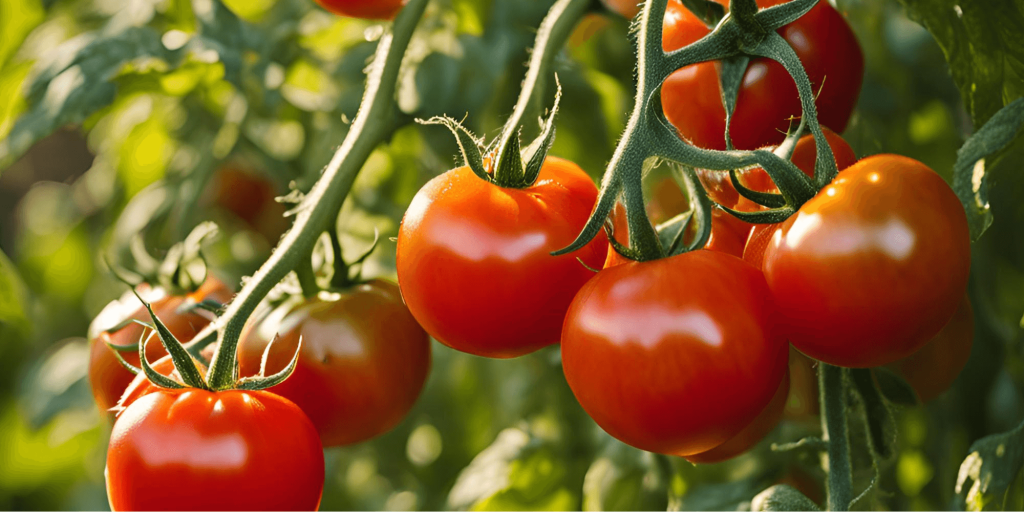
The best way to grow tomatoes is to plant them in well-drained soil and provide consistent watering. Ensure they receive at least six hours of sunlight daily.
Tomatoes are a favorite for many gardeners due to their versatility and rich flavor. Growing healthy howe garden tomatoes starts with selecting a suitable variety and preparing nutrient-rich soil. Space plants properly to allow for air circulation, which helps prevent diseases. Regularly water the plants, keeping the soil consistently moist but not soggy.
Mulching can help retain moisture and suppress weeds. Staking or caging the plants supports growth and keeps fruit off the ground. Monitor for pests and diseases, treating them promptly with organic or chemical solutions. With proper care, you can enjoy a bountiful harvest of juicy, delicious tomatoes.
Choosing The Right Tomato Variety
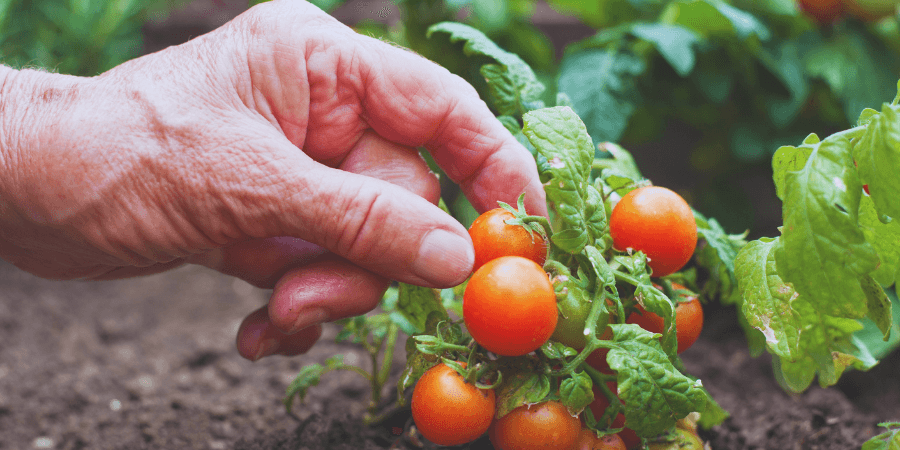
Growing tomatoes can be rewarding. The key is choosing a suitable tomato variety. Different types suit different needs and climates. Here, we’ll explore critical factors to help you decide.
Heirloom Vs. Hybrid
Tomatoes come in two main types: heirloom and hybrid.
| Heirloom | Hybrid |
| Passed down through generations | Cross-bred for specific traits |
| Rich flavor | Higher yield |
| More variety | More disease-resistant |
Heirloom tomatoes are known for their unique taste and colors. Hybrid tomatoes often produce more fruit and resist diseases better. Choose based on your preferences and needs.
Determinate Vs. Indeterminate
Another factor is whether the plant is a determinate tomato or an indeterminate tomato.
- Determinate: Grow to a fixed size
- Indeterminate: Keep growing all season
Determinate tomatoes are compact. They produce a large crop all at once. These are great for small spaces. Indeterminate tomatoes need more space. They keep producing until frost.
Choose determinate for canning or small gardens. Choose indeterminate for a steady supply of fresh tomatoes.
Preparing The Soil
Growing delicious tomatoes starts with preparing the soil. Healthy soil ensures tomatoes get the nutrients they need. This section covers testing and amending soil to create the best growing environment.
Soil Testing
Before planting, test your soil. A soil test reveals pH and nutrient levels. You can buy a soil test kit or send a sample to a lab.
Steps for Soil Testing:
- Collect soil samples from different areas of your garden.
- Mix the samples in a clean container.
- Follow the instructions on your soil test kit.
Aim for a pH between 6.0 and 7.0. This range is ideal for tomatoes. Adjust your soil based on the test results.
Amending With Compost
Amending your soil with compost improves its structure and fertility. Compost adds organic matter, which helps soil retain moisture.
Benefits of Compost:
- Improves soil structure.
- Increases nutrient content.
- Enhances water retention.
Spread a 2-3 inch layer of compost over your garden. Work it into the top 6-8 inches of soil. This creates a nutrient-rich environment for your tomatoes.
Compost Application Tips:
| Step | Action |
| 1 | Spread compost evenly over the soil. |
| 2 | Use a garden fork or tiller to mix it in. |
| 3 | Water the soil to help the compost settle. |
Compost improves soil and boosts plant health. Your tomatoes will thrive in nutrient-rich soil.
Planting Techniques
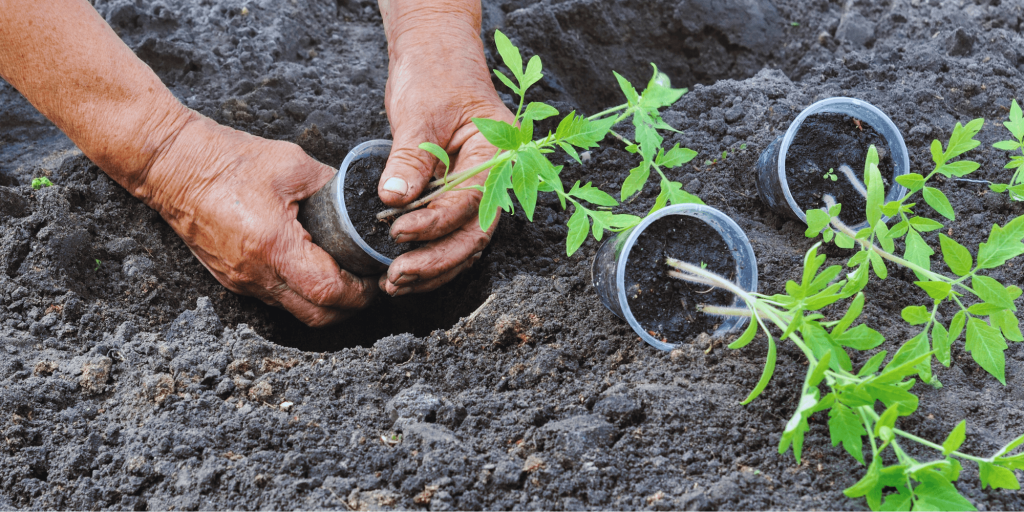
Growing tomatoes successfully requires using the proper planting techniques. This involves preparing the seeds, soil, and climate. Below are some essential steps to help you plant your tomatoes effectively.
Seed Starting Indoors
Starting tomato seeds indoors gives them a head start. This is especially helpful in colder climates.
- Choose Quality Seeds: Opt for high-quality seeds from trusted suppliers.
- Use Seed Trays: Fill seed trays with a seed-starting mix.
- Plant Seeds: Plant seeds 1/4 inch deep in the soil.
- Water Gently: Water the seeds gently to avoid disturbing them.
- Provide Light: Place trays under grow lights or in a sunny window.
Ensure the soil remains moist but not soggy. Seeds should germinate in 5-10 days. Once seedlings have two sets of leaves, they are ready for transplanting.
Transplanting Outdoors
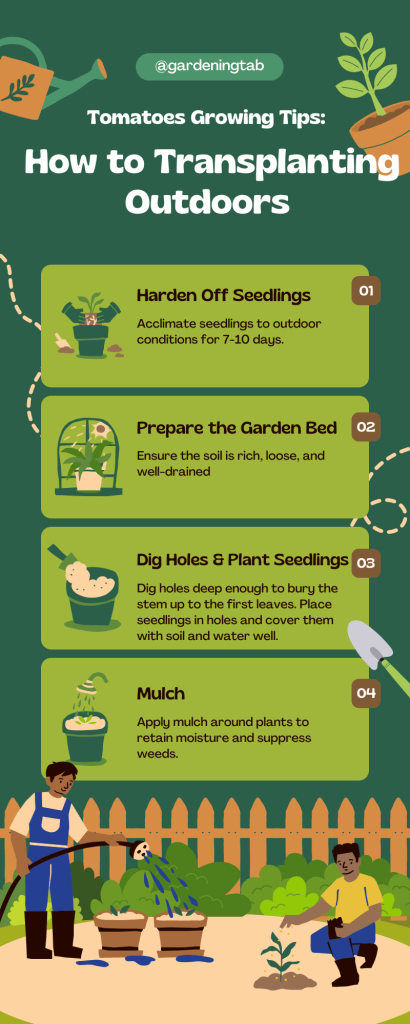
Transplanting tomato seedlings outdoors requires careful planning. Timing and preparation are crucial for success.
| Step | Details |
| Harden Off Seedlings | Acclimate seedlings to outdoor conditions for 7-10 days. |
| Prepare the Garden Bed | Ensure the soil is rich, loose, and well-drained. |
| Dig Holes | Dig holes deep enough to bury the stem up to the first leaves. |
| Plant Seedlings | Place seedlings in holes and cover them with soil and water well. |
| Mulch | Apply mulch around plants to retain moisture and suppress weeds. |
Space plants 18-24 inches apart. This ensures they have enough room to grow. Water regularly and provide support as needed.
Optimal Watering Practices
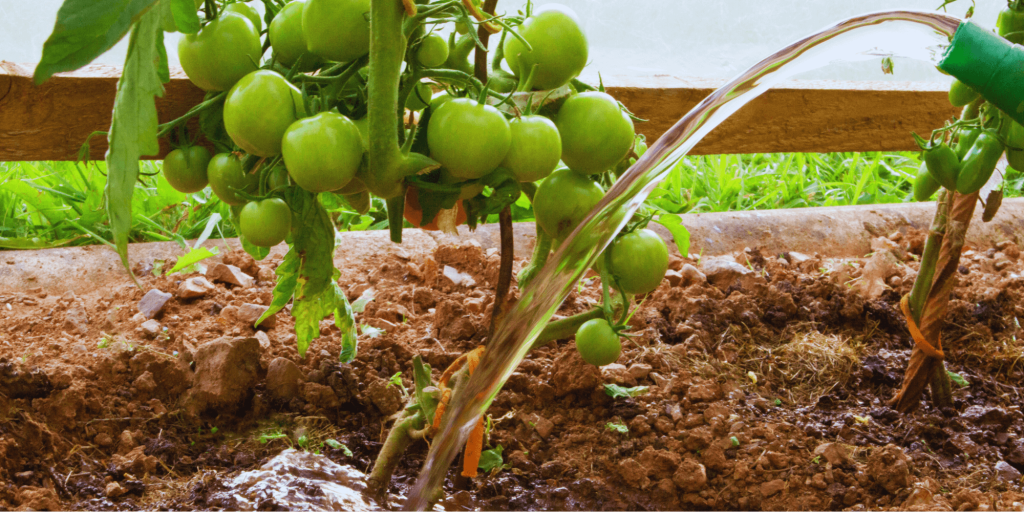
Proper watering is crucial for growing healthy tomatoes. Knowing the best watering practices can significantly boost your yield. This section will delve into optimal watering practices for your tomato plants.
Deep Watering
Tomato plants need deep watering to thrive. Shallow watering causes weak roots. Aim to soak the soil to a depth of 6-8 inches. This encourages the roots to grow deeper and more robust.
Deep watering helps plants access nutrients. It also reduces the risk of diseases. Use a soaker hose or drip irrigation for best results.
Watering Schedules
Setting a proper watering schedule is essential. Water your tomatoes early in the morning. This allows leaves to dry, reducing the risk of disease.
Consistency is key. Water your plants at the same time each day. During hot weather, you may need to water twice a day. Keep the soil consistently moist but not soggy.
| Weather Condition | Watering Frequency |
| Hot Weather | Twice a Day |
| Mild Weather | Once a Day |
| Rainy Days | As Needed |
Here are some critical tips for watering:
- Use mulch to retain soil moisture.
- Avoid watering the leaves directly.
- Check soil moisture regularly.
Implementing these optimal watering practices will help your tomato plants thrive. Happy gardening!
Fertilization Strategies
Growing tomatoes requires the correct fertilization strategies. Proper fertilization ensures healthy plants and abundant fruit. This section covers effective fertilization methods.
Organic Fertilizers
Organic fertilizers are an excellent choice for tomato plants. They improve soil health and provide essential nutrients. Here are some popular organic options:
- Compost: Rich in nutrients and improves soil structure.
- Manure: Adds nitrogen and other vital minerals.
- Bone Meal: High in phosphorus, promotes root growth.
- Fish Emulsion: Boosts nitrogen, aiding leafy growth.
| Fertilizer | Main Nutrient | Benefit |
| Compost | Multiple | Improves overall soil health |
| Manure | Nitrogen | Encourages vigorous growth |
| Bone Meal | Phosphorus | Strengthens roots |
| Fish Emulsion | Nitrogen | Enhances foliage |
Nutrient Timing
Timing is critical to adequate fertilization. Tomatoes need different nutrients at different growth stages. Follow this schedule for the best results:
- Before Planting: Mix compost into the soil.
- At Planting: Add bone meal to the planting hole.
- Early Growth: Use fish emulsion every two weeks.
- Flowering Stage: Apply a balanced organic fertilizer.
- Fruit Development: Use manure to boost fruit size.
Proper fertilization ensures healthy tomato plants and bountiful harvests. Use these strategies for the best results.
Pruning And Training
Pruning and training are essential for growing healthy and productive tomato plants. Proper pruning helps direct energy to fruit production. Training supports the plant structure and prevents disease. Let’s explore two key aspects: Removing Suckers and Using Tomato Cages.
Removing Suckers
Suckers are small shoots that grow between the main stem and branches. They divert energy from fruit production. Removing them promotes more vigorous plants and more giant tomatoes.
- Identify suckers early when they are small.
- Pinch them off with your fingers, or use clean scissors.
- Remove suckers regularly throughout the growing season.
Check the plant weekly to manage sucker growth. Removing suckers improves air circulation. This helps prevent fungal diseases.
Using Tomato Cages
Tomato cages support plants and keep them upright. They prevent branches from breaking under the weight of the fruit.
Here are steps to use tomato cages effectively:
- Choose a sturdy cage that is at least 5 feet tall.
- Place the cage over the plant when it is young.
- Secure the cage into the soil for stability.
- Guide the plant through the cage as it grows.
Using cages keeps the fruit off the ground. This reduces the risk of pests and diseases.
| Aspect | Benefit |
| Removing Suckers | Promotes larger fruit and healthier plants |
| Using Tomato Cages | Supports plant structure and reduces disease risk |
Pest And Disease Control
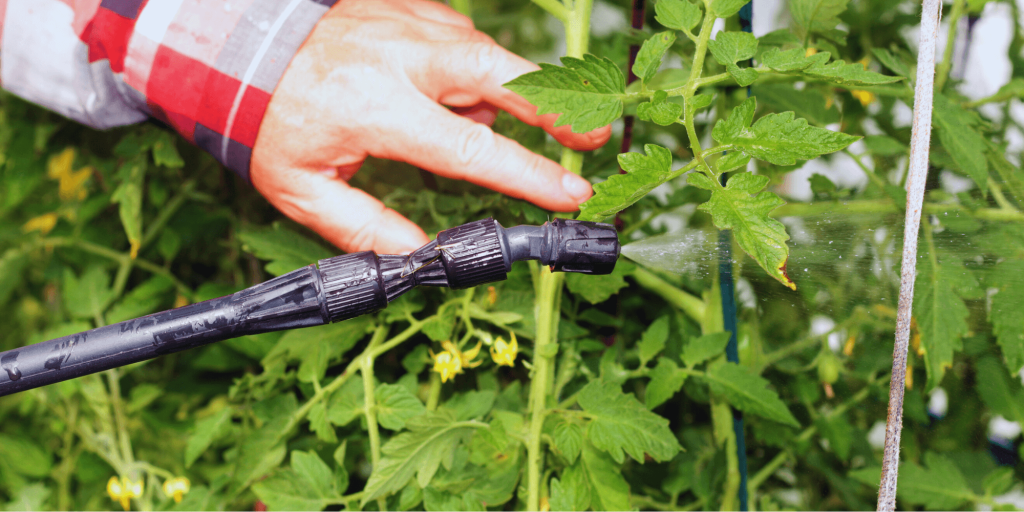
Tomatoes are a favorite crop for many gardeners. But keeping them free from pests and diseases can be challenging. Good pest and disease control ensures your tomatoes grow strong and healthy. This section will help you identify common pests and use natural remedies.
Identifying Common Pests
Tomatoes attract various pests. Recognizing them early helps in effective control. Here are some common pests:
| Common Pests | Signs of Infestation |
| Aphids | Sticky residue curled leaves |
| Tomato Hornworms | Large holes in leaves, droppings |
| Whiteflies | Yellowing leaves, tiny white insects |
| Spider Mites | Webbing on plants, yellow spots |
Natural Remedies
Using natural remedies can keep your tomatoes healthy. Here are some effective methods:
- Neem Oil: Spray neem oil to deter pests. It is safe for plants.
- Insecticidal Soap: Use soap to remove aphids and whiteflies. It breaks down their outer shell.
- Diatomaceous Earth: Sprinkle around plants. It harms pests without affecting plants.
- Companion Planting: Plant basil and marigolds near tomatoes. They repel many pests.
- Remove Affected Leaves: Cut off and discard infected leaves.
- Attract Beneficial Insects: Ladybugs and lacewings eat harmful pests.
- Maintain Healthy Soil: Use compost to enrich soil. Healthy plants resist diseases better.
Managing Environmental Factors
Growing tomatoes successfully involves managing various environmental factors. These factors include temperature control and frost protection. Proper management ensures healthy and productive tomato plants.
Temperature Control
Tomatoes thrive in warm temperatures. The optimal temperature range is between 70°F and 85°F. Temperatures below 50°F can stunt growth, while those above 90°F can cause fruit drop and poor pollination.
Use a thermometer to monitor the temperature in your garden. If temperatures rise too high, consider using shade cloths or mulches to cool the soil. You can use row covers or garden cloches to retain heat in cooler climates.
| Temperature Range | Effect on Tomatoes |
| Below 50°F | Stunted growth, poor fruit set |
| 70°F – 85°F | Optimal growth and fruit production |
| Above 90°F | Fruit drop, poor pollination |
Frost Protection
Frost can be deadly to tomato plants. Early spring and late fall frosts are particularly harmful. Use the following methods to protect your tomatoes from frost:
- Cover plants with frost blankets or old sheets at night.
- Use cloches or plastic tunnels to create a mini-greenhouse effect.
- Plant tomatoes in raised beds to retain heat better.
Consider using water-filled plastic jugs around your plants. These jugs absorb heat during the day and release it at night, keeping the plants warmer.
Monitor weather forecasts to stay ahead of unexpected frost. Taking these steps can save your plants and ensure a bountiful harvest.
Harvesting Techniques
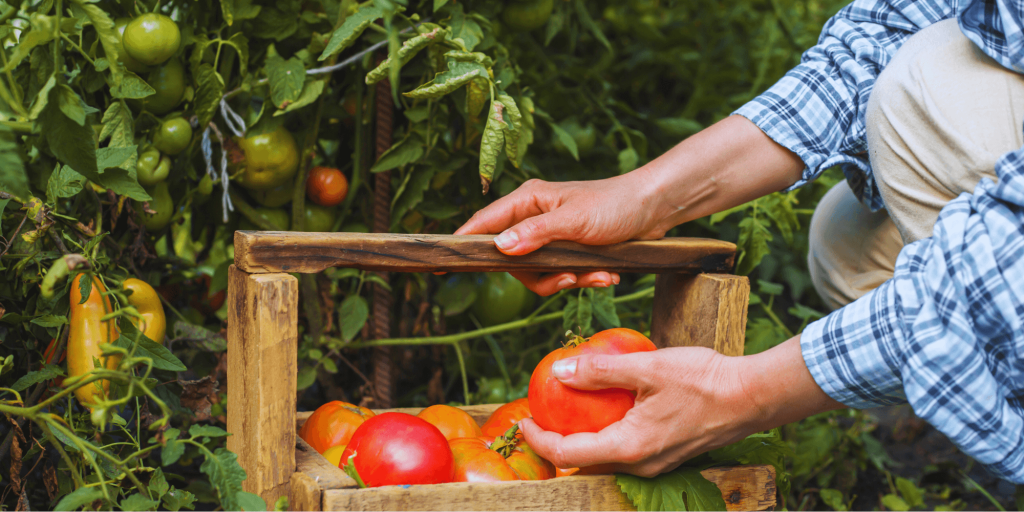
Proper harvesting ensures that your tomatoes taste their best. Using the correct techniques also helps to keep your plants healthy. Let’s explore the best practices for harvesting tomatoes.
Signs Of Ripeness
Knowing when a tomato is ripe is crucial. Here are the signs:
- Color: The tomato should have a deep, vibrant color.
- Touch: It should feel firm but slightly soft.
- Smell: A ripe tomato will have a sweet, earthy aroma.
- Size: It should be the expected size for its variety.
Proper Picking Methods
Using the proper picking methods protects both the fruit and the plant. Follow these steps:
- Grasp the tomato gently without squeezing.
- Twist the fruit until it detaches from the stem.
- For more rigid stems, use garden scissors.
| Method | Tools Needed | Benefits |
| Twisting | None | Easy and quick |
| Cutting | Garden scissors | Prevents plant damage |
Be gentle to avoid bruising the tomatoes. Store them in a cool place.
Storing And Preserving Tomatoes
Tomatoes are an excellent addition to any garden. Storing and preserving tomatoes ensures you enjoy their fresh flavor year-round. Learn the best methods to keep your tomatoes fresh and delicious.
Refrigeration Tips
Refrigerating tomatoes can be tricky. Follow these tips to store them properly:
- Ripe tomatoes should be kept at room temperature.
- Slightly overripe tomatoes can be stored in the fridge.
- Place tomatoes in a single layer to prevent bruising.
- Use a paper towel to absorb extra moisture.
Refrigerating unripe tomatoes can affect their flavor. Only refrigerate when they are overripe.
Canning And Freezing
Canning and freezing are excellent ways to preserve tomatoes. These methods help you enjoy tomatoes even out of season.
| Method | Steps |
| Canning | Wash and blanch the tomatoes. Remove the skins. Pack tomatoes into sterilized jars. Add lemon juice for acidity. Process jars in a boiling water bath. |
| Freezing | Wash and core the tomatoes. Blanch and remove skins. Cut into chunks or leave whole. Place in freezer bags. Remove air and seal tightly. |
Both methods keep tomatoes fresh and tasty. Choose the one that suits you best.
Companion Planting Benefits
Companion planting helps tomatoes grow better and stay healthy. It means increasing certain plants near tomatoes. These plants help each other in many ways. They can keep pests away, improve soil, and make tomatoes taste better. Let’s explore the benefits of companion planting for your tomatoes.
Best Companion Plants
Some plants are great friends with tomatoes. They help tomatoes grow strong and healthy.
| Plant | Benefit |
| Basil | Repels insects and enhances the flavour. |
| Marigold | Deters nematodes and other pests. |
| Garlic | Repels red spider mites and aphids. |
| Carrots | Loosens soil and boosts tomato growth. |
| Onions | Repels many pests and improves soil. |
Avoiding Bad Neighbors
Some plants need to get along better with tomatoes. They can cause problems and reduce growth.
- Potatoes: Attracts blight and competes for nutrients.
- Fennel: Inhibits tomato growth.
- Cabbage: Competes for nutrients and space.
- Corn: Attracts tomato pests like the tomato fruitworm.
- Dill: Stunts tomato growth when mature.
Choose the proper companions for your tomatoes. It ensures they grow strong and healthy. Avoid the bad neighbors to keep your garden thriving.
Common Mistakes To Avoid
Growing tomatoes can be rewarding, but many gardeners make common mistakes. These errors can hinder growth and reduce yield. Avoiding these mistakes will help you develop healthy and productive tomato plants.
Overwatering Issues
Overwatering is a frequent mistake in tomato gardening. Watering too much can cause root rot and other problems. Tomato plants need a balance of water.
Signs of overwatering include:
- Yellowing leaves
- Wilting, despite wet soil
- Cracked fruit
Follow these tips to avoid overwatering:
- Check soil moisture before watering. Use a moisture meter or finger test.
- Water deeply, but less often. Ensure water reaches the roots.
- Use mulch to retain soil moisture and reduce evaporation.
Improper Spacing
Improper spacing can lead to various issues in tomato growth. Crowded plants compete for nutrients, water, and sunlight, stunting their growth and making them more prone to diseases.
Recommended spacing tips:
| Plant Type | Spacing |
| Determinate Varieties | 18-24 inches apart |
| Indeterminate Varieties | 24-36 inches apart |
Benefits of proper spacing:
- Better air circulation reduces disease risk
- Improved access to sunlight for all plants
- Roots have more space to grow and absorb nutrients
Ensure your tomatoes are spaced correctly for optimal growth.
Frequently Asked Questions
What Is The Best Soil For Tomatoes?
Loamy soil, rich in organic matter, is ideal for growing tomatoes.
How Often Should I Water Tomatoes?
Water tomatoes deeply once a week, ensuring the soil stays moist.
What Are The Best Tomato Varieties?
Popular varieties include Roma, Cherry, and Beefsteak for their flavor and growth.
How Much Sunlight Do Tomatoes Need?
Tomatoes need at least 6-8 hours of direct sunlight daily.
When Should I Plant Tomatoes?
Plant tomatoes after the last frost in spring for best growth.
How To Prevent Tomato Plant Diseases?
Rotate crops, use disease-resistant varieties, and avoid overhead watering to reduce disease risk.
Conclusion
Growing tomatoes can be a rewarding experience with the proper techniques. Follow our tips for healthy, bountiful plants. Remember to water consistently, provide ample sunlight, and use organic fertilizers. Happy gardening, and enjoy your delicious homegrown tomatoes!