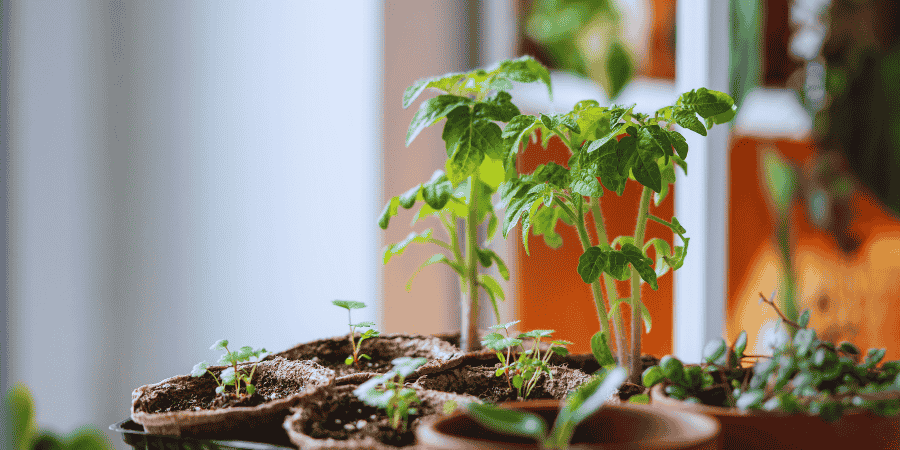
With just a few simple steps, you can know how to grow tomatoes from seed in a pot. Start by planting the seeds in a seed-starting mix and maintaining a warm, moist environment. Once the seedlings have two sets of true leaves, it’s time to transplant them into larger pots.
Tomatoes, with their endless varieties, are a joy to grow from seed. To ensure the best germination, select a quality seed-starting mix. Plant the seeds at a depth of 1/4-inch, and remember to keep the soil consistently moist. Place the pots in a warm area, ideally around 70-80°F for sprouting.
When seedlings have two sets of true leaves, move them to larger pots of freely-draining soil. Ensure they get at least 6-8 hours of direct sunlight daily. Water it frequently and feed it with a balanced fertilizer for explosive growth.
How to Grow Tomatoes From Seed In a Pot Quick Guide
Tomatoes are a great candidate for growing from seed in pots. Tomato Planting Guide has a few Steps to Growing Tomatoes In Containers The following easy recipe will allow you to make fresh tomatoes from your backyard.
Material
Having the right materials is key to successfully growing tomatoes from seeds in a pot. With these items, you can ensure your seeds grow into robust, healthy plants.
Here is a list of materials you will need:
- Tomato seeds: Choose a variety that grows well in pots.
- Pots: Use pots that are at least 12 inches deep.
- Potting mix: Use a high-quality, well-draining mix.
- Watering can: Ensure it has a gentle spray.
- Labels: To identify your plants.
Using the right materials is crucial for growing healthy tomatoes. Below is a table to summarize the essential materials. For a more visual guide, you can also check out our video tutorial on growing tomatoes from seeds in pots.
| Material | Description |
| Tomato seeds | Choose a variety suitable for pots |
| Pots | At least 12 inches deep |
| Potting mix | High-quality, well-draining |
| Watering can | Gentle spray |
| Labels | To identify plants |
Fertilizer
Fertilizing is key to growing strong tomato plants. Tomatoes are heavy feeders, meaning they need lots of nutrients to grow well.
Here are some tips for fertilizing your tomato plants:
- Start with a balanced fertilizer: Use one with equal nitrogen, phosphorus, and potassium.
- Apply fertilizer regularly: Fertilize every two weeks once the plants start growing.
- Use organic options: Compost or worm castings are great for tomatoes.
- Avoid over-fertilizing: Too much fertilizer can harm your plants.
Choosing the right fertilizer is important for healthy growth. Below is a table to help you understand the nutrients needed:
| Nutrient | Importance |
| Nitrogen | Helps leaves grow strong and green |
| Phosphorus | Supports root development and flowering |
| Potassium | Boosts overall plant health |
Following these fertilizing tips, your tomato plants will grow healthy and produce many delicious tomatoes.
Choosing The Right Seeds
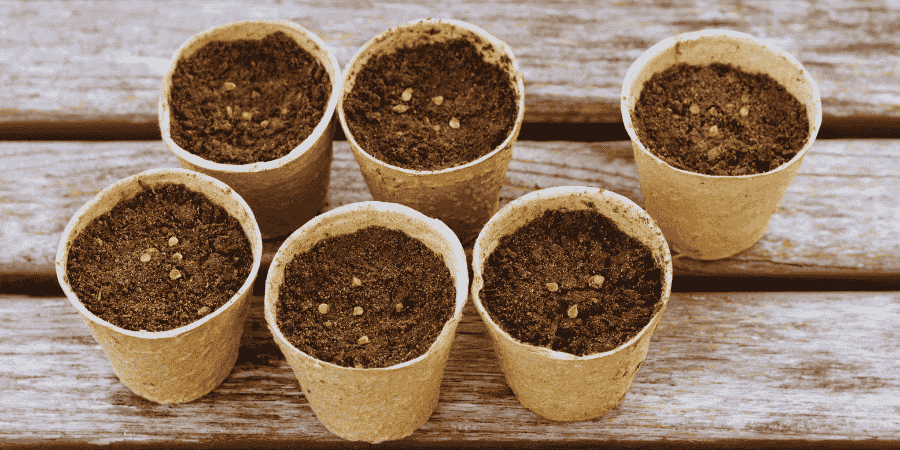
Choosing the best seeds to start your journey in growing tomatoes There are many different types of seeds that vary in flavor, size, and how they grow tomatoes. Selecting the perfect seeds is important in creating a successful harvest and, thus, a gardening experience. In this article, we will look at the most popular types of tomatoes and see what heirloom vs hybrid seeds mean.
Popular Tomato Varieties
There are many different varieties of tomato seeds, each with flavor and quality. While the list certainly isn’t exhaustive, these are some well-established options.
Cherry Tomatoes are sweet little tomatoes that go great in salads and snacking. They are fast-growing and productive.
Beefsteak Tomatoes — One of the largest cultivars, spicy in taste and a good tomato for eating fresh or sliced on sandwiches.
Roma Tomatoes: Meaty and good for cooking + sauces
Grape Tomatoes: Not as sweet or juicy (more dense);
These tomatoes can be of different shapes and colors with unique flavors, making each a novel taste experience.
These varieties, along with their basic characteristics, are listed in the following table to guide you:
| Variety | Size | Best Use |
| Cherry Tomatoes | Small | Salads, Snacking |
| Beefsteak Tomatoes | Large | Sandwiches, Fresh Eating |
| Roma Tomatoes | Medium | Cooking, Sauces |
| Grape Tomatoes | Small | Salads, Snacking |
| Heirloom Varieties | Varies | Unique Flavors, Fresh Eating |
Heirloom Vs. Hybrid
Having the perfect success in your gardening is a function of being able to choose between heirloom and hybrid seeds for planting. So, how are they different?
Heirloom Seeds: These seeds have been passed down for generations. Being open-pollinated means that the plants you are growing can be pollinated by nature, such as insects, birds, or wind. Heirloom tomatoes (so named for the fact their seeds have been passed down through generations) can be found in numerous flavors and shades. These have great taste and are very old-fashioned, which many gardeners prefer.
Pros:
- Unique and rich flavors
- Variety in colors and shapes
- Preservation of seeds for the next planting
Cons:
- Less disease resistance
- It may produce less fruit
Hybrid seeds: these are made by crossing two different varieties of tomato plants to give a new type. These hybrid seeds are produced by crossing the seed of two different plant varieties—they exclude certain traits and goals like disease resistance, higher yield, or uniformity. These are well-maintained and can be very convenient for a new Java developer.
Pros:
- Higher yield
- Better disease resistance
- Consistent size and shape
Cons:
- Cannot save seeds
- It may lack unique flavors
Which type to plant — heirloom vs. hybrid — will depend on what you value most. Heirloom If you enjoy unique flavors. So, hybrid seeds are one great option for a high-yielding crop.
How To Grow Tomatoes
Tomato plants look amazing when grown from the seed in a pot. That saves you money and gets a delicious, ripe tomato back on your plate. Follow a few easy steps to enjoy your very own homegrown tomatoes. Best way to grow tomatoes from seed in a pot?
Benefits Of Growing Tomatoes
There are so many advantages to growing your tomatoes at home. Here are some key advantages:
- Taste: Homegrown tomatoes are fresher. Ledbetter said a homegrown, more flavorful tomato would be released. Chemical-free and that too fresh.
- Affordable: Planting tomatoes from seeds is more affordable than purchasing plants or fruit.
- Running Periods: You are in control of periods. Grade their fertilizers and pesticides.
- Space: Tomatoes can be grown in containers. For example, pots make it easy to move plants around if necessary.
Health Benefits of Tomatoes
It contains multitudes of Vitamin A in tomatoes, improves vision, enriches the skin with antioxidants, and can help reduce tam lines during summer! What they offer: Vitamin C, vitamin K + potassium
One good thing about growing tomatoes inside a pot is you learn to understand the life cycle of this group in general. Both kids and adults can learn from one of several workshops on nature or gardening. This can be a therapeutic process that reduces stress—a great way to have and make memories with the family.
| Aspect | HOMEGROWN | Store-Bought |
| Freshness | Very Fresh | Less Fresh |
| Cost | Lower | Higher |
| Chemicals | Controlled Use | Unknown |
| Convenience | Grow Anywhere | Depends on Store |
| Health Benefits | High | Variable |
Given all these advantages, it is obvious that growing tomatoes in a pot from seed makes perfect sense. I have simplified the process and made it enjoyable and rewarding. Begin growing your tomatoes now and savor those lip-smacking fresh tomatoes grown at home,
Selecting Containers
To grow tomato seeds in a pot is gratifying. Choosing the correct container is one important step. The perfect container cultivates healthy plants and abundant harvests. Below, I break down which type of container is just right for growing tomatoes.
Pot Size Matters
The size of the pot you pick is crucial as smaller pots usually decrease fast growth in tomato plants. ) Tomatoes have a hefty root system that is decently widespread. Here are some guidelines:
- Tiny Varieties: At least five-gallon a pot bantam tomato selections such as cherry tomatoes.
- 10-gallon and up. Larger Varieties like Beefsteak Tomatoes
There are several advantages to using a large pot:
- Improved Root Development: Healthier roots and easier root pruning
- Moisture held more: More soil means higher water retention.
- Better Stability: Larger pots keep the plant from falling over.
Quick reference table
| Tomato Variety | Recommended Pot Size |
| Cherry Tomatoes | 5 gallons |
| Beefsteak Tomatoes | 10 gallons or more |
Drainage Importance
Drainage is another big deal for potted tomatoes. Without this, moisture can pool in the soil and cause root rot, among other problems. Good Drainage- Tips for a well-draining garden:
- Always select a pot with drain holes: The bottom of the pot may have several holes
- Place gravel or small stones in the bottom of a pot for proper drainage
- Good drainage soil: Select a container mixed with perlite or sand.
Quick drainage checklist
- Look for several drain holes.
- Apply a 1–2-inch layer of gravel.
- Soil Mix– fill it with a well-draining soil mix.
This is necessary to avoid blocking it and ruining the tomato plants. Good drainage spares roots from getting waterlogged.
Soil Preparation
So little on this earth can match the triumphant glee of growing tomatoes from seed in a pot, beaming as you realize your kindred ripening bond has become. GRASSES: Prepare your garden for planting. If you want to grow lawn grass from seed, the first and most important step is preparing the soil properly so your plants become established quickly. Healthy growth is much the same; good soil yields abundant harvest. This is the best soil mix for tomato plants, along with essential nutrient additives.
Best Soil Mix
The type of soil mix that is used when transplanting tomato plants. It will require well-draining soil that is light and rich in organic matter. Soil Mix for Growing Tomatoes In Pots:
- 40% Potting Soil- Start with high-quality potting soil. This provides excellent aeration and drainage.
- 30% Compost. Gentle, natural, and aids in soil structure formation.
- Coconut Coir or Peat Moss 20% — These materials help retain moisture without making the soil too watery.
- Additives (for drainage and compaction prevention): 10% Perlite or Vermiculite
The mix will allow your tomato plants to flourish optimally. Here is a quick snapshot of what the ideal soil mix consists of. The components to best publishing this table are discussed below.
| Component | Percentage | Benefits |
| Potting Soil | 40% | Aeration and drainage |
| Compost | 30% | Essential nutrients |
| Coconut Coir/Peat Moss | 20% | Moisture retention |
| Perlite/Vermiculite | 10% | Enhances drainage |
Nutrient Additives
Tomato plants require additional food to make it possible for them to yield quality fruits. Adding the correct nutrients to your soil mix will promote strong vegetative growth. Nutrient Complements To Look At:
- Bone Meal: High in phosphorous, bone meal is used to develop roots and bloom.
- Fish Emulsion: This organic source of nutrients offers instant nitrogen, which is crucial for leafy growth.
- Egg shells: Crushed eggshells help add calcium to the soil, hindering blossom-end rot.
- Epsom Salt: The Magnesium sulfate in Epsom salt enhances the secretion of chlorophyll; it also helps to prevent yellow leaves.
- Compost Tea: Helpful for generating balanced nutrient and microbial activity in a liquid form & nutrients from compost.
Adding these to your soil mix will yield very good results. The following table summarizes the claimed ingredients within each nutrient charge:
| Nutrient Additive | Benefits |
| Bone Meal | Strong roots, flowering |
| Fish Emulsion | Nitrogen boost |
| Eggshells | Calcium supply |
| Epsom Salt | Improves photosynthesis |
| Compost Tea | Balanced nutrients |
These nutrient additives must give tomato plants all the nutrients they need to grow healthy. Soil should be checked regularly, and nutrients should be adjusted accordingly.
Sowing Seeds
It is such a rewarding experience to plant tomatoes in the pot from seed. If you love having a constant supply of homegrown fresh tomatoes at your disposal, then it’s an excellent product. The correct way to sow seeds: Today, we have a guide that will teach you the right methods of sowing seeds and ensure your tomato plants flourish.
Timing For Sowing
The timing of sowing tomato seeds should be given particular attention. You want your plants to have the best opportunity for growth. Sow seeds indoors 6-8 weeks before the last frost date. This timing guarantees that the seedlings will be large enough to transplant when weather permits.
Keep a calendar for all of your due dates. To make it easy for you, here is a table
| Last Frost Date | Start Seeds Indoors | Transplant Outdoors |
| April 1 | February 1 – February 15 | April 15 |
| May 1 | March 1 – March 15 | May 15 |
Follow these steps for the best results:
- Check your local frost date.
- Count back 6-8 weeks to find the sowing date.
- Mark these dates on your calendar.
The daylight time and the temperature are also important in making my balcony friendly for plants. Give light 12-16 hours per day. If there is not adequate natural light, grow lights may be needed. These plants prefer temperatures ranging from 70-75°F (21-24°C) for best growth.
Planting Depth
Correct Product — Plant At Appropriate Depth Tomato seeds are tiny and should only be covered lightly. Sow seeds 1/4 inch deep. It places the seeds at a certain depth to easily grab moisture and light.
Steps for planting seeds:
- Fill Pots with Seed-Starting Mix
- Moisten the soil slightly.
- Create 1/4-inch deep depressions.
- Place seeds in the holes.
- Cover lightly with soil.
- Water carefully to set the soil.
Tips for success:
- Use a spray bottle to water. This way, it injects the least amount of damage to the seed.
- Provide your pots with marks indicating the type of tomato and when you planted them.
- Water the soil regularly; not overly mushy.
Keeping an eye on the growth of seedlings is a vital point to keep in mind. When seedlings become bigger, they will require additional light. Raise your grow lights 2-3 inches above the seedlings. This will discourage leggy growth and promote sturdy, healthy plants.
Watering Techniques
Tomatoes are VERY easy to grow from seeds and in pots. Watering: Water is essential for your tomato plants to stay healthy and grow. Watering seedlings correctly at the beginning and learning how to keep your containers moist can make a huge difference in developing strong, healthy plants.
Initial Watering
Make sure the soil is moist when you plant your tomato seeds for best results. Before placing the seeds in the hole, gently water the earth trench. The covering retains moisture, generating a wet environment that promotes seed germination. When thinking about this, here are a few things you should keep in mind:
- Water the soil gently with a spray bottle. It keeps the seeds from being disturbed.
- Do a soil moisture check daily. (Keep the soil moist, but not wet)
- Avoid overwatering. Excess water can cause fungi to grow and might rot the seeds.
After you have planted your seeds, cover the pots with cellophane or a plastic dome. This dampness holds in the moisture, which keeps the soil moist. Remove the cover as soon as seedlings appear to promote air circulation.
| Step | Action | Purpose |
| 1 | Water soil thoroughly | Create a moist environment |
| 2 | Use a spray bottle | Avoid seed disturbance |
| 3 | Cover with plastic wrap | Maintain humidity |
Maintaining Moisture
Once you water initially, the medium must stay consistently moist but not wet. Keep watering your seedlings regularly, but make sure the soil can drain on its own. Follow these tips to Keep the humidity in check —
- Check the soil moisture. Insert your finger one inch deep into the soil to verify the moisture level. Water if it feels dry.
- Water should be provided early in the day so all plants can absorb water before it gets hot and steamy.
- If the compost is dry, add water with a gentle flow from a watering can with a fine rose.
- Organic mulch, such as straw on top of the soil surface. This will keep the moisture in and reduce evaporation.
Plants that can rely on you to help ensure their ideal amount of moisture are happy and healthy root systems grow. Plants should not be allowed to dry significantly between waterings, which may cause stress. On the other hand, ensure that your pots are capable of draining, which means water will percolate to avoid gathering at their base.
By employing these watering methods, you can grow robust tomato plants that provide generous yields come harvest time.
Providing Light
Tomato Seed Potting In A Container, Nonevenable Growing Tomato From Seeds Light distribution is one of the key issues in this process. Tomato plants need plenty of light. Insufficient light, however, can result in weak and spindly tomatoes. So read on for the basics of lighting your tomato seedlings.
Natural Vs. Artificial Light
Tomato Plant Light Requirement: Tomato plants require plenty of light to grow strong and bear fruit. You have two real options: the sun and grow lights.
The goods are the most natural light source, and I am also interested in high-quality items. Placing your pots in the sun, such as a south-facing window, will give them enough light. A couple of tips to make the most out of natural light sources are as follows:
- Plants Must Have A Minimum Of 6-8 Hours Of Direct Sunlight Each Day.
- Turn them every few days so that all sides get some light.
- Do not place pots in shadowed or hidden areas.
But a good stand-in is artificial light if you do not have sunshine. If you have to grow your plants indoors (often the case for various reasons), then having other forms of more intense light and different color spectrum areas will increase plant growth so they mature on schedule, such as sun bags that mimic sunshine. When using artificial light co, consider these points:
- For top-notch outcomes, you should consider full-spectrum LED grow lights.
- Put the lights 2-3 inches over seedlings and adjust them as they grow.
- You must replicate normal daylight with 14–16 hours per day of lighting.
Natural light and artificial light each have their set of pros and cons. The best is to balance both so that your tomato plant will get the right amount of light for proper growth.
Light Duration Needs
Light Duration Requirements for Tomato Plants Identifying these needs can help determine the optimal setup for your plants. The following graph details the light duration needs for each age of cannabis plants:
| Growth Stage | Light Duration |
| Seedling Stage | 14-16 hours |
| Vegetative Stage | 12-14 hours |
| Flowering Stage | 10-12 hours |
If you are at the seedling stage, provide 14-16 hours of light to help young plants develop strong stems and leaves. To help avoid a possible “can of worms,” turn on a timer.
In the vegetative stage, 12-14 hours of light daily will do. This time is when the plants can stretch and develop large in preparation for flowering.
When they enter the flowering stage, this should be 10-12 hours of light daily. It aids in directing their energies to flower and fruit development.
By controlling the duration of light and adjusting it to account for different stages in growth, you can make sure that your tomato plants grow happy and healthy.
Transplanting Seedlings
To the left, there are beans, which I should trellis this morning, and to the right, my small tomatoes give me energy with their greenness. One starts with planting seeds, watching them grow from tiny seedlings to full-fledged plants. Then, you have to harvest these seedlings into larger pots. Doing this will give them sufficient room to grow properly.
When To Transplant
Transplanting your Tomato Seedlings at the Right Time Transplanting before plants are ready can stress them, and transferring after they have been put outdoors will stunt growth.
Signs It Is Time To Transplant
Leaves: Baby plants should have at least 2 x true leaves. These are the subsequent leaves after the initial seed type.
Seedlings: should be 3-4 inches high
Root System: Peek at the roots by gently lifting your sprout. The roots should be starting to fill the pot but not root-bound.
The seeds are planted six weeks before transplanting. Otherwise, please wait until the weather is warmer before you let them out. Refer to this table for a quick decision-making guide:
| Seedling Age | Ideal Height | Weather Conditions |
| 4-6 weeks | 3-4 inches | Warm and frost-free |
Transplanting Tips
The treatment takes place at a cost. Here are a few tips to help you get your seedlings off on the right foot:
- Select the Proper Pot: Choose a container 12 inches deep because carrot roots need growing space.
- Soil Preparation: Use a high-quality potting mix (soil preparation) And add compost to feed it.
- Irrigation: Keep the seedlings watered a few hours before transplanting. And this also makes it easier to get them out of their pots later.
- Depth of Plant: When transplanting, plant the seedlings deeper than they were in their pots. This promotes a more robust root system.
- Space: If planting more than one seedling in a pot, space them at least 18 inches apart.
Transplant With These Steps
- Add the filled pot with your prepared soil mix.
- Dig a hole in the soil large enough to accommodate a seedling root ball.
- How to transplant seeds Into Bigger pots. Step 5: Carefully remove the seedlings from their original pot.
- Put the young plant in that hole and place an inch of soil over its roots.
- Give the transplanted seedling a good drink.
Whether you are seeding your garden or transplanting seedlings to their pots, following these tips will help give your tomato plants a strong start. They will mature into robust, productive plants.
Caring For Tomato Plants
This can be an exciting method to attempt, and planting tomatoes in a pot from seed is possible. Maintaining your tomato plants (watering and fertilizing) is important so you can eventually enjoy a ripe, juicy fruit. If your plants are cared for properly, you will get healthy ones with juicy tomatoes. The basics of these essentials come from fertilization, pest management, and having a watering schedule in place.
Fertilization Schedule
Tomatoes require appropriate nutrients to thrive and produce fruit. A complicated but necessary fertilization regimen ensures that your plants remain healthy. If you transplant seedlings into a pot, an ordinary balanced fertilizer will be enough to do. Search for a 10-10-ten fertilizer (or even one with equal areas of nitrogen, phosphorus, and potassium ).
Check Out this fertilizing schedule:
- When Transplanting: Fertilize with balanced fertilizer.
- In 3 Weeks: Apply High-Phosphorus Fertilizer (Rapidly Promotes Root Growth)
- While Flowering: Feed high-potassium fertilizer to encourage fruit formation.
You also have the choice among compost (which we all know and love), fish emulsion, or other organic options. Always read the instructions for fertilizer users to apply them correctly. Too much fertilizing can harm your plants, so use the proper amount. Feed every two weeks to promote growth.
Pest Management
Tomato plants are irresistible to pests, which attack leaves and fruit. It is important to keep insects under control for the health of your plants. Aphids are a few of the most familiar garden insects, whiteflies and tomato hornworms. The best way to identify if they have a mildew problem is by checking on your plants. Check for signs of pests, such as holes in leaves or sticky residue.
Other pest management strategies:
- Harvesting=Handpicking – Elimination of obvious pests by hand picking.
- Natural Pests: Release ladybugs or beneficial insects into the garden.
- Neem Oil: Spritz a solution of diluted neem oil.
- Insecticidal Soap – for heavy infestations
Down in the pots helps, too. Clean Up Leaves and Debris Fallen leaves provide hiding places for pests. Turning your plants will help disrupt the life cycles of problems pests.
Watering Schedule
Consistent watering is crucial for healthy tomato plants. Irregular watering. has been related to things like blossom end rot. Try not to flood the soil a lot.
Following the watering schedule
- Seedlings: Water every day so the soil is kept moist.
- Saplings: Water every few days, ensuring the growing medium is moist.
- In-ground Plants: Deepwater weekly on mature plants. Do this more often in hot weather.
Choose a watering can with no spout to ensure the soil is not disturbed. Water at the soil level and keep leaves dry to reduce disease. Mulch around the plants aids in moisture retention. Do check the soil before watering. Push your finger down to the first knuckle of soil, and check if dry = water.
Harvesting Tomatoes
Tomato in pot grow from sowing seed «Telugu Telangana Pachallu It is very satisfying to see plants you have grown and are now fruiting. The last step is picking your tomatoes when they are ready to harvest, and yes, you must know WHEN it is right the pick or lose all of those juicy, sweet fruits. This post will show you the best way to harvest potted tomatoes.
Identifying Ripe Tomatoes
You need to know when yours are ripe. Find a deep, good hue aligned with the variety you put in. A ripe tomato should be still firm but a bit soft when touched. It should also smell sweet and earthy.
Picking Tomatoes
When picking tomatoes, hold them carefully and twist them to detach them from the stem. You could also use scissors or pruners to snip the stem off. Please do not disturb the plant itself. You should pick the tomatoes early in the morning as they are cool and watered.
Storing Harvested Tomatoes
After harvesting, place them in a cool, dark area. Please do not put them in the fridge, as it will dull their flavor. Fill a basket or an airy container. Enjoy your tomatoes within a couple of days to retain the best flavor.
| Step | Details |
| 1. Identify Ripe Tomatoes | Check for color, firmness, and smell. |
| 2. Pick Tomatoes | Twist off the vine or use scissors. |
| 3. Store Tomatoes | Keep in a cool, shaded place. |
Using Harvested Tomatoes
Make this more than a juicy, sweet-tasting tomato for salads, sauces, and sandwiches. They can also be canned or dried for future use. Enjoy the fruits of your labor and delicious, ripe homegrown tomatoes year-round.
Frequently Asked Questions
What Type Of Pot Is Best For Tomatoes?
Choose a pot at least 12 inches deep with good drainage.
How Often Should You Water Tomato Seeds?
Water daily to keep the soil moist but not soggy.
What Soil Is Best For Growing Tomatoes?
Use well-draining, nutrient-rich potting soil designed for vegetables.
How Much Sunlight Do Tomato Plants Need?
Tomato plants need at least 6-8 hours of direct sunlight daily.
When Should You Transplant Tomato Seedlings?
Transplant when seedlings have 2-3 sets of true leaves.
Do Tomatoes Need Fertilizer In Pots?
Yes, use a balanced fertilizer every two weeks during the growing season.
How To Prevent Pests On Tomato Plants?
Use natural repellents and check plants regularly for pests.
Conclusion
Growing tomatoes from seed in a pot is rewarding and straightforward. With proper care, your plants will thrive. Follow these tips, and you’ll soon enjoy juicy, homegrown tomatoes. Start your tomato-growing journey Today and relish the fresh, delicious results. Happy gardening!