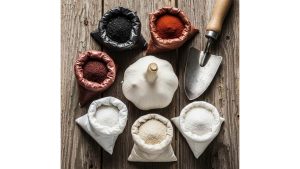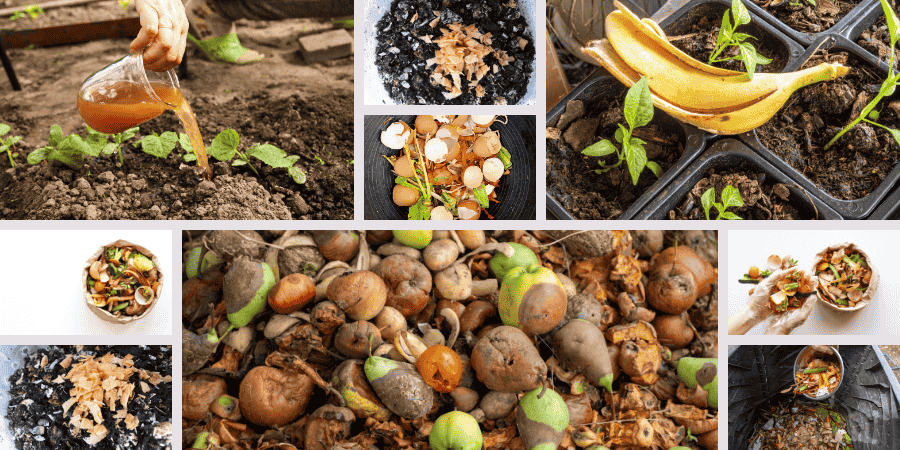
Like me, you can use kitchen scraps, compost, and natural materials to make an ultrapure homemade organic fertilizer for vegetables. It enhances soil health, boosts plant growth, and works especially in my garden.
Creating your own organic fertilizer is not just a cost-effective way to enrich your vegetable garden, it’s also a source of pride and accomplishment. Using natural ingredients such as kitchen scraps, compost, and manure, you can provide essential plant nutrients without using chemicals. This method promotes healthier crops and contributes to sustainable gardening practices.
Organic fertilizers improve soil structure, retain moisture, and encourage beneficial microorganisms, leading to robust and productive vegetable growth. You recycle organic waste and reduce your environmental footprint by making your own plant fertilizer. It’s an easy and tested way to ensure your vegetables thrive and remain chemical-free.
Benefits of Homemade Organic Fertilizer for Vegetables
Making homemade organic fertilizer for vegetables is a rewarding and eco-friendly way to nourish your garden. Organic fertilizers offer numerous benefits, including improving soil health, boosting plant growth, and reducing environmental impact. This section explores the Benefits of Organic Fertilizer and why it is the best choice for your vegetable garden.
Nutrient Rich
Organic fertilizers are packed with essential nutrients that vegetables need to grow strong and healthy. These nutrients are often released slowly, ensuring a steady supply over time. Here are some key nutrients found in organic fertilizers:
- Nitrogen (N): Promotes leafy growth.
- Phosphorus (P): Supports root development and flowering.
- Potassium (K): Enhances overall plant health and disease resistance.
- Calcium (Ca): Strengthens cell walls and aids in nutrient transport.
- Magnesium (Mg): Essential for photosynthesis.
These nutrients improve the soil structure, making it easier for roots to access water and air. Unlike chemical fertilizers, organic materials do not harm beneficial soil organisms. The table below highlights some common organic fertilizers and their nutrient content:
| Fertilizer | Nitrogen (N) | Phosphorus (P) | Potassium (K) |
| Compost | 1-3% | 0.5-1% | 1-2% |
| Manure | 0.5-1% | 0.2-0.5% | 0.5-1% |
| Bone Meal | 3-4% | 15-20% | 0% |
Environmental Impact
Using organic fertilizer greatly reduces the environmental impact compared to synthetic fertilizer. Organic materials decompose naturally and do not leave harmful residues. Here are some environmental benefits:
- Reduces Chemical Runoff: Prevents water pollution in nearby rivers and lakes.
- Enhances Biodiversity: Supports a variety of soil organisms, including earthworms and beneficial bacteria.
- Decreases Carbon Footprint: Lowers the energy consumption needed for production and transportation.
- Improves Soil Health: Enriches soil with organic matter, improving its ability to retain water and nutrients.
- In contrast, chemical fertilizers can cause soil degradation and harm wildlife. Choosing organic options helps create a sustainable gardening ecosystem. Healthy soil leads to healthy plants, reducing the need for pesticides and herbicides.
Which Vegetable Needs the Most Fertility?
Some vegetables require more fertile soil to thrive. These vegetables benefit the most from nutrient-rich organic fertilizers:
- Tomatoes: Need high levels of nitrogen, phosphorus, and potassium.
- Peppers: Thrive with a balanced supply of nutrients, especially calcium and magnesium.
- Leafy Greens (Spinach, Lettuce): Require ample nitrogen for lush, green leaves.
- Root Vegetables (Carrots, Beets): Benefit from phosphorus to develop strong roots.
- Cucumbers: Need a good supply of potassium for fruit development.
These vegetables often show signs of nutrient deficiency if not properly fertilized. For instance, yellowing leaves can indicate a lack of nitrogen, while poor fruit set may indicate insufficient phosphorus or potassium. Regularly using organic fertilizer ensures these vegetables get the nutrients they need for optimal growth.
Common Ingredients
Testing the Effectiveness of Your Fertilizer
Kitchen Scraps
Kitchen scraps are a treasure trove of nutrients for your garden. Using kitchen waste reduces household waste and provides essential nutrients for your plants. Here are some common kitchen scraps you can use:
- Eggshells – Rich in calcium, eggshells help strengthen plant cell walls. Crush them into small pieces before adding to the soil.
- Banana Peels – High in potassium, banana peels promote strong root development and overall plant health. Bury them directly in the soil near the roots.
- Coffee Grounds – Coffee grounds are a great source of nitrogen. They also improve soil structure and attract earthworms.
- Vegetable Peels – Vegetable peels contain various nutrients like potassium, phosphorus, and magnesium. Compost them or bury them in the garden.
Here’s a table summarizing the nutrients found in common kitchen scraps:
| Kitchen Scrap | Primary Nutrient |
| Eggshells | Calcium |
| Banana Peels | Potassium |
| Coffee Grounds | Nitrogen |
| Vegetable Peels | Various Nutrients |
Garden Waste
Garden waste is another excellent source of nutrients for your vegetables. Utilizing garden waste helps keep your garden clean while enhancing soil fertility. Some common garden waste items include:
- Grass Clippings – Rich in nitrogen, grass clippings decompose quickly and provide immediate nutrients to the soil. Spread them thinly to avoid matting.
- Leaf Mold – Leaf mold is made from decomposed leaves and is rich in minerals. It improves soil structure and water retention.
- Weeds – Weeds can be composted to add nutrients to the soil. Ensure they are seed-free to avoid spreading them.
- Pruned Branches – Chop pruned branches into small pieces and compost them. They provide carbon, which is necessary for a balanced compost pile.
Here’s a table summarizing the benefits of common garden waste:
| Garden Waste | Benefit |
| Grass Clippings | High Nitrogen |
| Leaf Mold | Rich in Minerals |
| Weeds | Recycled Nutrients |
| Pruned Branches | Provides Carbon |
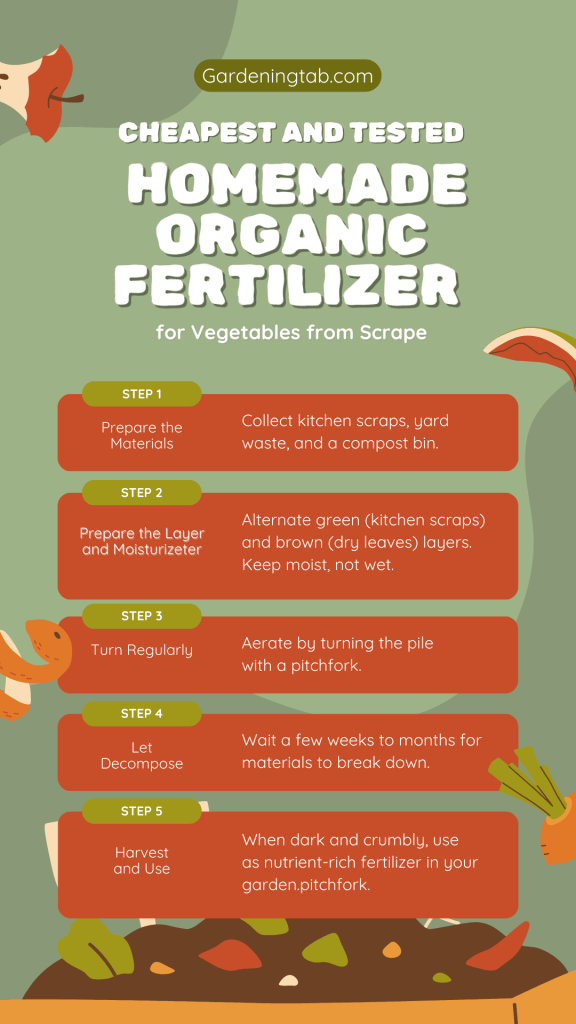
Composting Basics
Growing your vegetables with homemade organic fertilizer is rewarding, but understanding composting basics is key to making it successful. This knowledge empowers you to create rich, nutrient-filled compost, boosting your vegetable garden and making you a knowledgeable and informed gardener.
Aerobic Vs. Anaerobic
Composting can be aerobic or anaerobic. Aerobic composting uses oxygen-loving bacteria to break down organic matter. This method is faster and produces less odor. Anaerobic composting occurs without oxygen. It’s slower and can be smellier but requires less turning.
Here are some differences between aerobic and anaerobic composting:
| Feature | Aerobic Composting | Anaerobic Composting |
| Oxygen Requirement | High | Low |
| Decomposition Speed | Fast | Slow |
| Odor | Low | High |
Aerobic composting involves regularly turning the pile to add air. This keeps the bacteria active and speeds up the process. Anaerobic composting doesn’t need turning, making it easier but slower. Choose the method that fits your schedule and space.
Maintaining Balance
Maintaining a balanced compost pile is crucial. A balanced compost pile has the right mix of green and brown materials. Green materials, like kitchen scraps and grass clippings, provide nitrogen. Brown materials, like leaves and cardboard, offer carbon.
Here’s how to balance your compost:
- Green Materials: Vegetable scraps, coffee grounds, fresh grass clippings
- Brown Materials: Dead leaves, straw, paper, cardboard
A good rule of thumb is to use three parts brown to one part green. This ratio ensures the compost breaks down efficiently without becoming wet or dry.
Monitor the moisture level. Your compost should be as damp as a wrung-out sponge. If it’s too dry, add water or more green materials. If it is too wet, add more brown materials or turn it to aerate.
Turning the compost pile helps maintain balance. It adds oxygen and mixes materials. Aim to turn your pile once a week for aerobic composting. For anaerobic composting, simply let it sit and decompose over time.
Understanding these basics will create rich, homemade organic fertilizer that will make your vegetables thrive.
Related: 5 Best Growing Vegetables Indoors for Beginners: A Comprehensive Guide
12 DIY Homemade Organic Fertilizer for Vegetables Using Kitchen Scraps
Growing vegetables at home can be both rewarding and sustainable. Using a homemade organic fertilizer recipe ensures that your plants get the best nutrients while keeping your garden eco-friendly. Here are some DIY fertilizer recipes that can help boost your vegetable garden’s productivity.
Fruit Peels
Fruit peels are rich in nutrients and can be excellent fertilizers for your garden. They are high in nitrogen, phosphorus, and potassium, essential for plant growth.
- Banana peels are rich in potassium.
- Citrus peels contain nitrogen and phosphorus.
- Apple peels have a balanced essential nutrient profile.
To use fruit peels:
- Chop the peels into small pieces.
- Bury them in the soil around your plants.
- blend the peels with water to create a liquid fertilizer.
This method provides a slow release of nutrients, which helps in long-term plant health.
Coffee Grounds
Coffee grounds are a fantastic nitrogen source, ideal for leafy vegetables. They also help improve soil structure and drainage.
- Nitrogen content helps in leaf growth.
- Improves soil texture and drainage.
- Attracts earthworms, which are beneficial for the soil.
To use coffee grounds:
- Collect used coffee grounds.
- Sprinkle them around the base of your plants.
- Mix them into the soil for better results.
Using coffee grounds helps in keeping pests away and promotes healthy growth.
Rice Water
Rice water is rich in vitamins and minerals that promote plant health. It’s a simple and effective way to feed your plants.
- Contains essential nutrients like nitrogen, phosphorus, and potassium.
- Promotes healthy root growth.
- Easy to make and use.
To use rice water:
- Rinse rice in water before cooking.
- Collect the milky water.
- Water your plants with this nutrient-rich liquid.
Rice water is a great way to recycle kitchen waste into garden gold.
Potato Water
Potato water is another excellent natural fertilizer, rich in nutrients like potassium and phosphorus.
- Rich in potassium for flower and fruit development.
- Contains phosphorus for root growth.
- Easy to prepare at home.
To use potato water:
- Boil potatoes in water.
- Save the water after boiling.
- Let it cool and use it to water your plants.
This method is a great way to utilize the cooking water that would otherwise go to waste.
Eggshell Water
Eggshells are an excellent source of calcium, which helps develop cell walls in plants.
- High in calcium for strong cell walls.
- Prevents blossom end rot in tomatoes.
- Simple to prepare and use.
To use eggshell water:
- Crush eggshells into small pieces.
- Boil them in water for 5 minutes.
- Let the water cool and use it to water your plants.
Eggshell water is an easy way to provide essential calcium to your plants.
Vegetable Waste
Vegetable waste is a rich source of nutrients for your garden. It includes scraps like carrot tops, onion skins, and celery ends.
- Rich in nutrients like nitrogen, potassium, and phosphorus.
- Helps in recycling kitchen waste.
- Improves soil fertility.
To use vegetable waste:
- Collect vegetable scraps.
- Bury them in the soil around your plants.
- Alternatively, compost them and use the compost as fertilizer.
This method turns waste into valuable nutrients for your garden.
Banana Peels
Banana peel fertilizers are a powerhouse of nutrients, especially potassium, vital for plant health.
- Rich in potassium for fruit and flower development.
- Contains calcium and magnesium.
- Easy to use and apply.
To use banana peels:
- Chop the peels into small pieces.
- Bury them in the soil around your plants.
- Blend them with water to create a liquid fertilizer.
Using banana peels helps in promoting strong and healthy plants.
Fish Tank Water
Fish tank water is an excellent source of nutrients for your plants. It contains beneficial bacteria and organic matter.
- Rich in nitrogen and other nutrients.
- Contains beneficial bacteria.
- Helps improve soil fertility.
To use fish tank water:
- Collect water from your fish tank during regular cleaning.
- Use it to water your plants.
- Ensure the water is not too salty if using saltwater tanks.
This method is an excellent way to recycle water and provide plant nutrients.
Wood Ash
Wood ash is a great source of potassium and calcium. It helps balance soil pH and provides essential nutrients.
- Rich in potassium for fruit and flower development.
- Contains calcium for strong cell walls.
- Helps in balancing soil pH.
To use wood ash:
- Collect ash from burned wood.
- Sprinkle it around the base of your plants.
- Mix it into the soil for better results.
Using wood ash helps provide essential nutrients and improves soil health.
Compost Tea
Compost tea is a nutrient-rich liquid made from compost. It provides a quick boost of nutrients to your plants.
- Rich in nutrients like nitrogen, phosphorus, and potassium.
- Easy to make and apply.
- Promotes healthy plant growth.
To make compost tea:
- Fill a bucket with water.
- Add a bag of compost and let it steep for 24-48 hours.
- Strain the liquid and use it to water your plants.
Compost tea is a great way to boost your garden’s nutrients.
Liquid Seaweed
Liquid seaweed is an excellent organic fertilizer, rich in trace minerals and growth hormones.
- Contains trace minerals and growth hormones.
- Promotes root development and flowering.
- Easy to apply.
To use liquid seaweed:
- Mix liquid seaweed with water according to the instructions.
- Use it to water your plants.
- Apply it as a foliar spray for better results.
Liquid seaweed helps in boosting plant growth and overall health.
Weed Tea Fertilizer
Weed tea fertilizer is a sustainable way to recycle garden weeds into a nutrient-rich liquid.
- Rich in nutrients like nitrogen, potassium, and phosphorus.
- Helps in recycling weeds.
- Promotes healthy plant growth.
To make weed tea fertilizer:
- Collect garden weeds.
- Fill a bucket with water and add the weeds.
- Let it steep for a few weeks.
- Strain the liquid and use it to water your plants.
Weed tea fertilizer is an eco-friendly way to nourish your garden.
Application Methods
Applying homemade organic fertilizer to your vegetable garden can significantly boost plant health and yield. Proper application methods ensure your plants get the most nutrients. Here, we’ll explore various application techniques.
Top Dressing
Top dressing involves sprinkling fertilizer directly on the soil surface around plants. This method is simple and effective. It slowly releases nutrients as you water the plants.
To top dress effectively:
- Remove any weeds or debris from the soil surface.
- Sprinkle a thin layer of organic fertilizer around the base of each plant.
- Gently work the fertilizer into the top inch of soil.
Benefits of Top Dressing:
- Provides a steady nutrient supply.
- Improves soil structure over time.
- Reduces the risk of nutrient burn.
Choose materials like compost, well-rotted manure, or organic meal for top dressing. These materials slowly break down and feed your vegetables over time.
Liquid Fertilizer
Liquid fertilizer is another effective method. It delivers nutrients quickly and directly to plant roots. You can make liquid fertilizer using compost tea or fish emulsion.
Steps to Prepare Liquid Fertilizer:
- Mix compost or fish emulsion with water in a bucket.
- Let the mixture steep for 24 hours.
- Strain the mixture to remove solids.
- Pour the liquid into a watering can or spray bottle.
Apply the liquid fertilizer every 2-3 weeks during the growing season. Benefits of Liquid Fertilizer:
- Quickly corrects nutrient deficiencies.
- Easy to apply and measure.
- Boosts plant growth during key stages.
Liquid fertilizer is ideal for container gardens or young seedlings. It ensures immediate nutrient availability.
How Much to Use
Using the right amount of fertilizer is crucial. Too much can harm plants, while too little may not provide enough nutrients. Follow these guidelines for optimal results:
| Plant Type | Top Dressing Amount | Liquid Fertilizer Dilution |
| Leafy Greens | 1/4 cup per plant | 1 part fertilizer to 10 parts water |
| Root Vegetables | 1/2 cup per plant | 1 part fertilizer to 20 parts water |
| Fruiting Vegetables | 1 cup per plant | 1 part fertilizer to 15 parts water |
Adjust the quantities based on plant size and soil fertility. Signs of Over-fertilization:
- Yellowing leaves.
- Stunted growth.
- Leaf burn.
Always start with a smaller amount and increase gradually. It’s better to under-fertilize than to overdo it.
Timing for Application
Using homemade organic fertilizer can transform your vegetable garden. Knowing the right timing for application is crucial for healthy plants and bountiful harvests. The timing ensures that plants receive nutrients when they need them most. This guide covers application during the growing season and pre-planting stages.
Growing Season
During the growing season, plants actively consume nutrients to grow and produce. Applying fertilizer at this time helps them thrive. Here are some key points to consider:
- Early Growth Stage: When seedlings are small, they need a boost of nutrients to establish strong roots. A light application of fertilizer can help.
- Mid-Growth Stage: As plants grow bigger, they need more nutrients. Applying fertilizer every 3-4 weeks can support their development.
- Flowering and Fruiting Stage: Plants need extra nutrients to produce flowers and fruits. Use a fertilizer rich in potassium to encourage fruiting.
Here’s a simple table for quick reference:
| Growth Stage | Frequency | Type of Fertilizer |
| Early Growth | Once | Balanced Fertilizer |
| Mid-Growth | Every 3-4 weeks | Balanced Fertilizer |
| Flowering and Fruiting | Every 2 weeks | High Potassium Fertilizer |
Remember to water the plants after applying fertilizer. This helps nutrients reach the roots. Avoid over-fertilizing to prevent root burn.
Pre-planning
Applying fertilizer before planting is vital for soil preparation. It ensures the soil has enough nutrients for new plants. Here’s what you need to know:
- Soil Testing: Test your soil to identify nutrient deficiencies. This helps determine the type and amount of fertilizer needed.
- Compost Addition: Adding compost improves soil structure and fertility. Mix a 2-3 inch layer into the top 6-8 inches of soil.
- Green Manure: Plant cover crops like clover or alfalfa. These enrich the soil with organic matter when tilled under before planting vegetables.
Here’s a step-by-step guide for pre-planting:
- Test your soil to check nutrient levels.
- Add compost to improve soil quality.
- Incorporate green manure for additional nutrients.
- Apply a balanced organic fertilizer based on soil test results.
- Mix the fertilizer into the soil 2-3 weeks before planting.
Proper pre-planting fertilization sets the stage for a successful growing season. Ensure soil is well-prepared to support healthy plant growth.
Common Mistakes
Homemade organic vegetable fertilizer is a great way to boost your garden’s health. However, many gardeners make common mistakes that can harm their plants. Understanding these mistakes helps in growing thriving vegetables.
Over-fertilizing
Over-fertilizing is a common mistake. Applying too much fertilizer can burn plant roots. This leads to stunted growth. Here are some key points to avoid over-fertilizing:
- Start with small amounts: Always begin with less fertilizer. You can add more if needed.
- Follow guidelines: Stick to the recommended amounts on the fertilizer package.
- Observe your plants: Look for signs of over-fertilizing. Yellow leaves or wilted plants are red flags.
- Use compost: Compost releases nutrients slowly. This prevents sudden nutrient spikes.
Here’s a table showing the signs of over-fertilizing:
| Signs | Description |
| Yellow Leaves | Leaves turn yellow from excess nutrients. |
| Wilted Plants | Plants look limp and weak. |
| Burnt Roots | Roots become damaged and blackened. |
Neglecting Soil Health
Ignoring soil health is another big mistake. Soil health is crucial for healthy vegetables. Here are some tips to maintain soil health:
- Test your soil: Check nutrient levels using a soil test kit.
- Add organic matter: Organic matter like compost improves soil structure.
- Rotate crops: Different crops take different nutrients. Crop rotation keeps soil balanced.
- Avoid chemical pesticides: Chemicals kill beneficial organisms in the soil.
Keeping the soil healthy helps in growing strong, productive plants. Here’s a quick look at practices to improve soil health:
| Practice | Benefit |
| Add Compost | Improves soil structure and nutrient content. |
| Mulching | It helps retain moisture and control weeds. |
| Cover Crops | It prevents soil erosion and adds organic matter. |
Monitoring Plant Health
Homemade organic fertilizer boosts vegetable growth naturally. Monitoring plant health ensures vegetables get the right nutrients. This practice helps detect issues early and adjust care for optimal yield.
Signs Of Nutrient Deficiency
Plants show signs of nutrient deficiency in various ways. Recognizing these signs helps in timely intervention. Common signs include:
- Yellowing Leaves: Usually indicates nitrogen deficiency.
- Purple or Red Leaves: Often a sign of phosphorus deficiency.
- Brown Leaf Edges: Suggests potassium deficiency.
- Pale Leaves: Points to magnesium or iron deficiency.
Each nutrient deficiency has specific symptoms. For instance, nitrogen deficiency causes older leaves to turn yellow first, while iron deficiency affects new leaves. Magnesium deficiency results in interveinal chlorosis, where veins stay green, but areas between veins turn yellow.
| Nutrient | Deficiency Symptoms |
| Nitrogen | Yellowing of older leaves |
| Phosphorus | Purple or red leaves |
| Potassium | Brown leaf edges |
| Magnesium | Interveinal chlorosis |
| Iron | Pale new leaves |
Adjusting Fertilizer Use
Adjusting fertilizer use based on plant health is essential. Organic fertilizers provide nutrients slowly, ensuring steady growth. Follow these steps to adjust fertilizer use:
- Identify Deficiency: Use symptoms to determine the nutrient lacking.
- Select Fertilizer: Choose an organic fertilizer rich in nutrients.
- Apply Correctly: Follow recommended application rates to avoid over-fertilization.
- Monitor Progress: Observe plants for improvement or persistent symptoms.
For instance, compost is rich in nitrogen. Bone meal provides phosphorus. Wood ash supplies potassium. Applying these specific fertilizers can correct deficiencies effectively.
Regularly testing garden soil can also guide adjustments. Soil tests reveal nutrient levels and help in planning fertilizer use. Maintaining a balanced nutrient supply promotes healthy vegetable growth and better yields.
Frequently Asked Questions
What Are The Benefits Of Organic Fertilizers?
Organic fertilizers improve soil health and fertility. They provide essential nutrients for vegetables. They enhance soil structure and water retention. They are environmentally friendly and reduce chemical use.
How To Make Homemade Organic Fertilizer?
Use kitchen scraps, compost, and animal manure. Mix ingredients well and let them decompose. Apply the mixture to your vegetable garden.
Is Homemade Fertilizer Safe for Vegetables?
Yes, homemade organic fertilizers are safe. They avoid harmful chemicals. They provide natural nutrients for healthy vegetable growth.
What Ingredients Are Needed For Organic Fertilizer?
Common ingredients include kitchen scraps, compost, animal manure, and garden waste. These provide essential nutrients for your vegetables.
Conclusion
Creating homemade organic fertilizer can significantly boost your vegetable garden. It’s cost-effective, eco-friendly, and easy to make. By using natural ingredients, you ensure healthier plants and tastier produce. Start your journey towards a more sustainable garden today. Your vegetables will thrive, and so will the environment.
Happy gardening!