Pink Kalanchoe plants are a beautiful addition to any home. Their bright blooms bring a pop of color to your space.
These plants are easy to care for and thrive indoors. They do not need much water or direct sunlight. Perfect for busy people or plant beginners. Pink Kalanchoe plants also have a long blooming period. You can enjoy their vibrant flowers for months.
Their compact size makes them ideal for small apartments or offices. Plus, they are known to improve indoor air quality. This hardy plant is not just pretty but also functional. Discover more about the Pink Kalanchoe plant and how it can enhance your living space.
Introduction To Pink Kalanchoe Plant
Pink Kalanchoe, a vibrant and charming plant, brightens up any space with its lovely pink flowers. Known for its easy care and striking appearance, the Pink Kalanchoe is a popular choice for both indoor and outdoor gardening. This blog post delves into the fascinating aspects of this plant, starting with its origin and habitat, followed by its botanical characteristics.
Origin And Habitat
The Pink Kalanchoe is native to Madagascar, an island with a diverse range of flora and fauna. This plant thrives in the island’s warm, arid climate, which makes it well-suited for similar environments around the world.
Key points about its origin and habitat include:
- Native Region: Madagascar
- Climate: Warm and arid
- Preferred Conditions: Sunny locations with well-drained soil
The Pink Kalanchoe has adapted to survive in tough conditions. It stores water in its thick, fleshy leaves, making it drought-tolerant. This trait is particularly beneficial for gardeners in regions with dry climates.
Here’s a quick comparison of its habitat needs:
| Condition | Requirement |
| Light | Bright, indirect sunlight |
| Water | Moderate, let soil dry between watering |
| Soil | Well-drained, sandy soil |
| Temperature | Warm, 60-85°F (15-29°C) |
Botanical Characteristics
The Pink Kalanchoe belongs to the Crassulaceae family, known for its succulent plants. It features several distinctive botanical characteristics that make it unique and appealing.
Notable botanical characteristics include:
- Leaves: Thick, fleshy, and glossy green leaves that store water
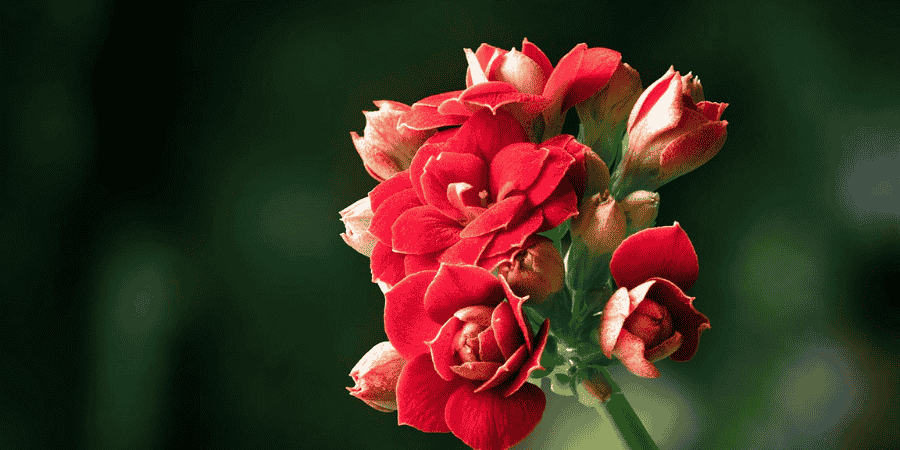
- Flowers: Clustered pink flowers that bloom in the winter and spring
- Height: Typically grows between 6 to 18 inches tall
The Pink Kalanchoe blooms in clusters, creating a stunning visual effect. Its flowers can last for several weeks, providing long-lasting beauty. The plant’s compact size makes it ideal for small spaces, such as windowsills or desktops.
Here’s a breakdown of its botanical features:
| Feature | Description |
| Family | Crassulaceae |
| Genus | Kalanchoe |
| Flower Color | Pink |
| Bloom Time | Winter to Spring |
| Leaf Type | Succulent |
With its easy-care nature and beautiful blooms, the Pink Kalanchoe is a wonderful addition to any plant collection. Whether indoors or outdoors, this plant adds a touch of elegance and charm.
Growing Conditions
The Pink Kalanchoe Plant is a beautiful and low-maintenance succulent. It adds a splash of color to any indoor or outdoor space. To keep it thriving, understanding its growing conditions is key. This includes proper light, temperature, and more. Let’s dive into the specifics to help you care for your Pink Kalanchoe Plant effectively.
Light Requirements
The Pink Kalanchoe Plant thrives in bright, indirect light. It prefers plenty of sunlight but not direct exposure, which can burn its leaves. Here are some tips to ensure it gets the right amount of light:
- Place the plant near a south or west-facing window.
- If indoors, use sheer curtains to filter the sunlight.
- Rotate the plant every few days to ensure even light distribution.
Inadequate light can cause the plant to grow leggy and weak. During winter, consider supplementing with artificial light. Use a grow light to maintain its health.
Here’s a quick reference table for light requirements:
| Light Condition | Description |
| Bright, indirect light | Best for healthy growth |
| Direct sunlight | Can cause leaf burn |
| Low light | Leads to weak, leggy growth |
Temperature Preferences
The Pink Kalanchoe Plant prefers warm temperatures. It thrives best in a range of 60-85°F (15-29°C). Sudden temperature changes can stress the plant.
Here are some key points about its temperature preferences:
- Ideal temperature range: 60-85°F (15-29°C).
- Keep away from drafts and cold windowsills.
- Protect from temperatures below 50°F (10°C).
If you live in a cooler climate, consider these tips:
- Move the plant indoors during winter.
- Use a room heater to maintain a stable temperature.
- Avoid placing the plant near air conditioners.
Temperature fluctuations can impact blooming. Consistent warmth encourages vibrant flowers. Monitor room temperature to ensure optimal growth conditions for your Pink Kalanchoe Plant.
Soil And Fertilization
The Pink Kalanchoe plant is a beautiful succulent known for its vibrant pink blooms and easy care. For this plant to thrive, understanding its soil and fertilization needs is crucial. Proper soil and regular fertilization can help your Kalanchoe grow healthy and bloom beautifully.
Best Soil Types
Choosing the right soil is essential for the Pink Kalanchoe plant. Succulents like Kalanchoe need soil that drains well to prevent root rot. Here are some options:
- Cactus or Succulent Soil Mix: This soil mix is ideal as it drains quickly and retains enough moisture.
- Sandy Soil: Adding sand to your potting mix can improve drainage.
- Perlite or Pumice: These materials can be mixed with soil to increase aeration and drainage.
To create a well-draining soil mix at home, you can use the following recipe:
| Ingredient | Ratio |
| Potting Soil | 2 parts |
| Sand | 1 part |
| Perlite or Pumice | 1 part |
Mix these ingredients thoroughly to ensure even distribution. This mix will provide the perfect balance of moisture retention and drainage.
Fertilizing Schedule
Fertilizing the Pink Kalanchoe plant helps it grow strong and produce more blooms. Here’s a simple fertilizing schedule to follow:
- Spring: Start fertilizing in early spring when the plant begins to grow actively. Use a balanced, water-soluble fertilizer diluted to half strength. Apply every two weeks.
- Summer: Continue the same fertilizing routine through the summer months. This period is crucial for blooming.
- Fall: Reduce fertilization to once a month as growth slows down.
- Winter: Do not fertilize in winter. The plant rests during this time and does not require extra nutrients.
When fertilizing, avoid getting the fertilizer on the leaves or stems. Always water the plant before applying fertilizer to prevent root burn. Using a balanced fertilizer with equal parts nitrogen, phosphorus, and potassium (e.g., 10-10-10) ensures the plant gets all the essential nutrients.
By following this schedule, your Pink Kalanchoe will stay healthy and vibrant throughout the year.
Watering Techniques
The Pink Kalanchoe plant is a stunning succulent that brightens any space with its vibrant pink flowers. It’s a low-maintenance plant, making it a favorite for both novice and experienced gardeners. One of the key aspects of caring for this plant is mastering the watering techniques. Proper watering ensures your Pink Kalanchoe thrives and blooms beautifully. Let’s delve into the best practices for watering this lovely plant.
Frequency Of Watering
Watering frequency is crucial for the health of your Pink Kalanchoe. This succulent stores water in its leaves, so it doesn’t need to be watered as often as other plants. Here are some tips to help you determine the right watering schedule:
- Check the soil: Allow the top 2 inches of soil to dry out completely before watering again.
- Seasonal adjustments: Water less frequently in winter as the plant’s growth slows down.
- Pot size: Plants in smaller pots may need more frequent watering compared to those in larger pots.
Consider using a watering schedule as a guideline:
| Season | Frequency |
| Spring and Summer | Every 1-2 weeks |
| Fall and Winter | Every 2-3 weeks |
Remember, it’s better to underwater than overwater. Succulents are drought-tolerant and can handle dry periods much better than soggy soil.
Signs Of Overwatering
Overwatering is a common issue with Pink Kalanchoe plants. Too much water can lead to root rot and other problems. Here are some signs to watch for:
- Yellowing leaves: If the leaves turn yellow and feel mushy, it’s a sign of overwatering.
- Wilting: Surprisingly, overwatered plants may wilt despite having wet soil.
- Leaf drop: Overwatered plants often shed their leaves prematurely.
To prevent overwatering, follow these tips:
- Use a well-draining soil mix specifically designed for succulents.
- Ensure the pot has drainage holes to allow excess water to escape.
- Avoid letting the plant sit in water. Empty the saucer under the pot after watering.
If you suspect overwatering, take action immediately:
- Remove the plant from its pot and inspect the roots. Cut away any that are black or mushy.
- Let the plant dry out for a few days before repotting in fresh, dry soil.
- Adjust your watering schedule to prevent future issues.
By keeping a close eye on your Pink Kalanchoe and adjusting your watering techniques as needed, you’ll ensure it remains healthy and vibrant.
Propagation Methods
The Pink Kalanchoe Plant is a charming succulent with vibrant pink blooms. It is easy to care for and makes a great addition to any home or garden. Propagating this plant allows you to grow new plants from an existing one. There are different methods to propagate a Pink Kalanchoe Plant. Each method has its own steps and advantages.
Leaf Cuttings
Propagating Pink Kalanchoe from leaf cuttings is a simple and effective method. Follow these steps to ensure success:
- Select a healthy leaf from the plant.
- Use a clean, sharp knife to cut the leaf close to the stem.
- Allow the cut leaf to dry for a few days. This helps to prevent rotting.
- Place the dried leaf on the soil surface. Do not bury it.
- Water the soil lightly. Keep it slightly moist, not wet.
- Place the pot in a warm, bright area. Avoid direct sunlight.
In a few weeks, tiny roots and new leaves will start to grow from the leaf cutting. Be patient during this process. It can take time for the new plant to develop. Once the new plant is established, you can care for it like a mature Kalanchoe.
Offsets And Division
Offsets and division is another method to propagate Pink Kalanchoe. This method involves separating small plantlets or pups from the mother plant. Here are the steps:
- Identify the offsets or pups growing around the base of the mother plant.
- Gently remove the plant from its pot. Be careful not to damage the roots.
- Separate the offsets from the main plant using your hands or a knife.
- Ensure each offset has some roots attached.
- Plant the offsets in individual pots with well-draining soil.
- Water the new plants lightly. Keep the soil moist but not soggy.
- Place the pots in a bright, warm location. Avoid direct sunlight initially.
This method is often faster than leaf cuttings. The new plants are already partially developed. They will establish more quickly in their new pots. Ensure you provide proper care to help the offsets grow into healthy, mature Kalanchoe plants.
Pest And Disease Management
The Pink Kalanchoe plant is a beautiful addition to any garden or indoor space. Its vibrant blooms and succulent leaves make it a favorite among plant enthusiasts. Like all plants, it is susceptible to pests and diseases. Proper pest and disease management ensures your Pink Kalanchoe remains healthy and thrives for years.
Common Pests
Pink Kalanchoe plants can attract a variety of pests. Some of the most common ones include:
- Aphids: These tiny insects can be green, black, or brown. They suck the sap from the plant, causing leaves to curl and turn yellow.
- Mealybugs: These pests appear as white, cotton-like masses on the plant. They also feed on the plant’s sap, leading to stunted growth.
- Spider Mites: These are tiny, red or brown pests that create fine webs on the plant. They cause leaves to look speckled and discolored.
- Scale Insects: These pests look like small, brown bumps on the stems and leaves. They also feed on sap, weakening the plant.
Identifying these pests early is crucial. Regular inspections help you spot problems before they become severe. Use a magnifying glass to check for tiny pests. Look under leaves and around stems, where pests often hide. If you spot any signs, take action immediately to prevent further damage.
Preventative Measures
Preventing pests and diseases is easier than treating an infestation. Here are some effective measures:
- Keep the Environment Clean: Remove dead leaves and debris from around the plant. Clean areas discourage pests from settling in.
- Regular Inspections: Check your plant weekly for any signs of pests or disease. Early detection helps in quick management.
- Proper Watering: Overwatering can lead to root rot and attract pests. Water your Pink Kalanchoe only when the soil is dry.
- Use Neem Oil: Neem oil is a natural pesticide. Spray it on the plant to keep pests at bay.
- Isolate New Plants: Keep new plants separate for a few weeks. This ensures they are pest-free before introducing them to your other plants.
Maintaining a healthy plant environment is key. Ensure your Pink Kalanchoe gets enough sunlight and is in well-draining soil. Avoid over-fertilizing, as it can make the plant more attractive to pests.
Using these preventative measures will help your Pink Kalanchoe plant stay vibrant and pest-free. Regular care and attention are essential for a healthy and flourishing plant.
Pruning And Maintenance
The Pink Kalanchoe Plant is a charming addition to any garden or indoor space. To keep it looking its best, regular pruning and maintenance are essential. Proper care ensures it remains healthy, vibrant, and blooming beautifully. Let’s dive into the details of pruning and maintaining this lovely plant.
When To Prune
Pruning your Pink Kalanchoe Plant is crucial for its health and appearance. The best time to prune is during the growing season, which typically spans from spring to late summer. Pruning during this period encourages new growth and helps the plant maintain its shape.
Here are some key points to consider:
- Early Spring: Begin pruning as soon as new growth appears. Remove any dead or damaged leaves.
- Mid-Summer: Another good time for pruning. Trim back any leggy or overgrown stems to promote bushier growth.
- Post-Bloom: After the plant finishes flowering, remove spent blooms. This will encourage the plant to produce more flowers in the next cycle.
Avoid pruning during the winter months. The plant is typically dormant during this time, and pruning could stress it. Always use clean, sharp tools to make precise cuts and prevent the spread of disease.
Tools Needed
Having the right tools makes pruning and maintaining your Pink Kalanchoe Plant easier and more effective. Here is a list of essential tools:
- Pruning Shears: Use these for cutting thicker stems and branches. Ensure they are sharp and clean.
- Scissors: A good pair of sharp scissors works well for trimming smaller leaves and flowers.
- Gloves: Protect your hands from any potential irritation or injury while handling the plant.
- Disinfectant: Use this to clean your tools before and after pruning. It prevents the spread of disease.
For a quick reference, here’s a handy table of the tools and their uses:
| Tool | Purpose |
| Pruning Shears | Cutting thicker stems and branches |
| Scissors | Trimming smaller leaves and flowers |
| Gloves | Protecting hands from irritation and injury |
| Disinfectant | Cleaning tools to prevent disease spread |
Using the right tools helps ensure clean cuts and a healthy plant. Always clean your tools before and after use to keep your Pink Kalanchoe Plant thriving.
Blooming Cycle
The Pink Kalanchoe Plant is a beautiful succulent known for its vibrant pink flowers. Understanding its blooming cycle can help you enjoy its beauty year-round. Let’s explore how to nurture this plant through its flowering season and how to encourage more blooms.
Flowering Season
The Pink Kalanchoe typically blooms during the winter months, offering a bright splash of color when most other plants are dormant. This plant’s flowering season usually starts in late fall and can extend into early spring. Here are some key points about its flowering season:
- Timing: Blooms appear from November to March.
- Duration: Each bloom can last several weeks.
- Light Requirements: Prefers indirect sunlight, which mimics winter daylight.
- Temperature: Thrives in temperatures between 60°F to 75°F (15°C to 24°C).
During this period, the plant’s energy focuses on producing flowers. To ensure a successful flowering season, monitor the light and temperature conditions. Keep the plant in a bright location but avoid direct sunlight, as it can scorch the leaves. Maintaining the right temperature range will also encourage healthy blooms. Providing the right conditions will allow you to enjoy the stunning pink flowers throughout the winter months.
Encouraging Blooms
To encourage more blooms from your Pink Kalanchoe, follow these simple steps:
- Proper Lighting: Place the plant in a location with bright, indirect sunlight. This helps mimic its natural environment.
- Watering: Water the plant sparingly. Let the soil dry out between waterings to prevent root rot.
- Fertilizing: Use a balanced, water-soluble fertilizer once a month during the growing season. This provides the nutrients needed for blooming.
- Pruning: Remove spent flowers and dead leaves. This encourages new growth and more blooms.
- Temperature and Humidity: Maintain a temperature range of 60°F to 75°F (15°C to 24°C) and moderate humidity levels.
In addition, consider the light cycle. The Pink Kalanchoe requires shorter daylight hours to trigger blooming. Aim for about 14 hours of darkness each day for six weeks before the expected blooming period. You can achieve this by covering the plant with a box or moving it to a dark room each evening.
By following these steps, you can enjoy a vibrant, blooming Pink Kalanchoe throughout the year. Proper care and attention will reward you with a stunning display of pink flowers.
Uses And Benefits
The Pink Kalanchoe plant is not only beautiful but also has several uses and benefits. This succulent plant is known for its vibrant pink flowers and lush green leaves. It can add a touch of elegance to any space, whether indoors or outdoors. Let’s explore its ornamental value and medicinal properties.
Ornamental Value
The Pink Kalanchoe plant is highly valued for its decorative appeal. Its bright pink blooms can last for several weeks, providing a long-lasting splash of color. Here are some key points about its ornamental value:
- Indoor Decoration: The Pink Kalanchoe is perfect for brightening up living rooms, kitchens, and offices.
- Outdoor Gardens: It thrives in gardens, adding color and texture to flower beds and borders.
- Low Maintenance: This plant requires minimal care, making it ideal for busy individuals or those new to gardening.
Below is a table highlighting the key features of the Pink Kalanchoe as an ornamental plant:
| Feature | Description |
| Flower Color | Bright Pink |
| Bloom Duration | Several Weeks |
| Light Requirements | Indirect Sunlight |
| Watering Needs | Low |
With its stunning appearance and ease of care, the Pink Kalanchoe is a favorite among plant enthusiasts.
Medicinal Properties
The Pink Kalanchoe plant is also known for its medicinal properties. It has been used in traditional medicine for various purposes. Here are some benefits:
- Anti-inflammatory: The plant’s leaves can reduce inflammation and swelling.
- Wound Healing: Applied topically, it helps in the healing of cuts and burns.
- Antibacterial: The plant has properties that can fight bacterial infections.
Traditional healers often use the Pink Kalanchoe for its healing properties. Here is a table summarizing its medicinal uses:
| Medicinal Use | Application |
| Anti-inflammatory | Crushed leaves applied to the skin |
| Wound Healing | Leaf extract on cuts and burns |
| Antibacterial | Topical use of leaf juice |
While modern medicine has advanced, the Pink Kalanchoe remains a valuable plant for its natural healing properties.
Toxicity And Safety
The Pink Kalanchoe plant is a popular houseplant known for its vibrant pink flowers and easy maintenance. While it adds beauty to your home, it is crucial to understand its toxicity and safety. Knowing the effects on pets and humans ensures a safe environment for everyone.
Effects On Pets
The Pink Kalanchoe plant can be toxic to pets, including cats and dogs. Consuming any part of the plant can cause several adverse effects. It’s essential to keep this plant out of reach of your furry friends.
- Vomiting: Pets may vomit after ingesting the plant.
- Diarrhea: Loose stools are a common symptom.
- Lethargy: Pets might become unusually tired or weak.
- Drooling: Excessive drooling can occur.
In severe cases, pets may experience heart arrhythmias or seizures. It’s best to seek veterinary care immediately if your pet shows any of these symptoms. The table below summarizes the potential effects on pets:
| Symptom | Description |
| Vomiting | Frequent, uncontrollable vomiting |
| Diarrhea | Loose, watery stools |
| Lethargy | Unusual tiredness or weakness |
| Drooling | Excessive saliva production |
Keeping the Pink Kalanchoe plant out of pets’ reach is the best preventive measure. Educate family members about the potential risks and symptoms to ensure quick action if needed.
Human Safety
For humans, the Pink Kalanchoe plant generally poses less risk but can still cause mild irritation. Handling the plant without proper care can result in minor skin reactions.
- Skin Irritation: Contact with the sap may cause redness or itching.
- Allergic Reactions: Individuals with plant allergies might experience sneezing or a runny nose.
Ingesting the plant is not recommended. It can lead to stomach upset, though serious effects are rare. Always wash your hands after handling the plant to avoid transferring sap to your face or eyes. Here are some safety tips for handling the Pink Kalanchoe:
- Wear gloves while pruning or repotting.
- Avoid touching your face during and after handling.
- Wash hands thoroughly after contact.
Keeping the plant away from young children is also advisable. Educate them about not touching or ingesting any part of the plant. The table below outlines the potential effects on humans:
| Symptom | Description |
| Skin Irritation | Redness, itching, or rash |
| Allergic Reactions | Sneezing, runny nose, or itchy eyes |
| Stomach Upset | Nausea, vomiting, or diarrhea |
By taking these precautions, you can enjoy the beauty of the Pink Kalanchoe plant while ensuring the safety of your household.
Frequently Asked Questions
What Is A Pink Kalanchoe Plant?
A Pink Kalanchoe Plant is a succulent with vibrant pink flowers. It’s popular in gardens and homes.
How Do I Care For A Pink Kalanchoe Plant?
Place it in bright light. Water sparingly. Allow soil to dry between waterings. Avoid cold drafts.
Can Pink Kalanchoe Plants Grow Indoors?
Yes, they thrive indoors with bright, indirect sunlight. Keep them away from drafts and cold temperatures.
How Often Should I Water A Pink Kalanchoe Plant?
Water when the soil is dry. Usually, this means once every 1-2 weeks. Don’t overwater.
Are Pink Kalanchoe Plants Toxic To Pets?
Yes, they are toxic to cats and dogs. Keep them out of reach of pets.
How Long Do Pink Kalanchoe Plants Bloom?
They typically bloom for several weeks. Proper care can extend blooming periods.
What Type Of Soil Is Best For Pink Kalanchoe Plants?
Use well-draining soil. Cactus or succulent mix works best. Avoid heavy, water-retentive soil.
Conclusion
Caring for a pink kalanchoe plant is simple and rewarding. Its vibrant blooms bring joy to any space. Regular watering and sunlight keep it healthy. Pruning encourages new growth. This plant also purifies the air. Ideal for beginners and experts alike.
Enhance your home with this beautiful, low-maintenance plant. Enjoy its charm and benefits year-round.