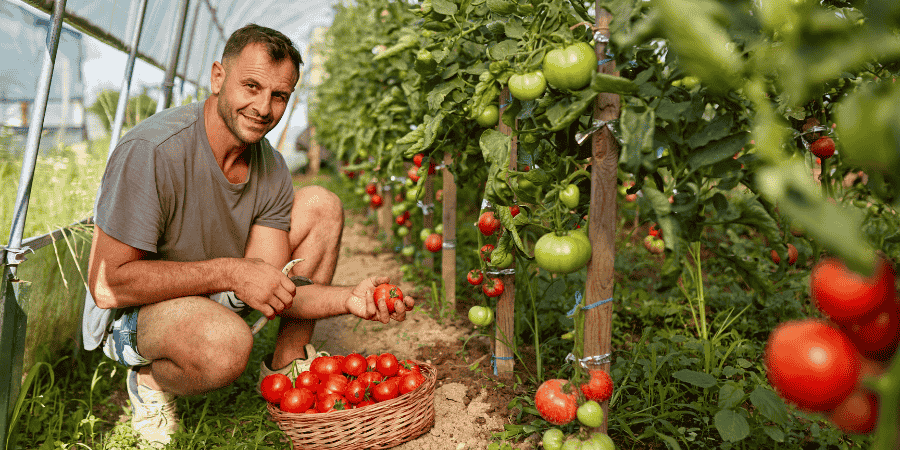
Tomatoes thrive in Central Texas, but not all varieties suit the climate. Choosing the suitable types ensures a bountiful harvest.
Central Texas offers a unique growing environment with hot summers and mild winters. For tomato enthusiasts, finding the best varieties to plant is critical. Some tomatoes handle the heat better, while others yield more fruit. Understanding which types flourish here can make all the difference.
This post will explore the best tomatoes to grow in Central Texas. Whether you are a seasoned gardener or a beginner, this guide will help you select the right tomatoes. Get ready to enjoy juicy, homegrown tomatoes straight from your backyard!
Related: How to Grow Campari Tomatoes: A Step-by-Step Guide
When To Plant Tomatoes In Central Texas
Tomatoes are a favourite for many gardeners in Central Texas. They are easy to grow and offer a delicious reward. Knowing when to plant tomatoes in Central Texas can make all the difference in your harvest. Timing is key. Planting at the right time ensures healthy growth and a bountiful yield. Let’s explore the best times to get those tomato plants in the ground.
When To Start Seeds Indoors
Starting seeds indoors gives tomatoes a head start. Plant seeds 6-8 weeks before the last expected frost. For Central Texas, this is usually around mid-January to early February. This way, the seedlings can be transplanted outside when the weather warms up.
Transplanting Seedlings Outside
Transplant seedlings after the last frost date. In Central Texas, this is typically mid-March to early April. Ensure soil temperature is at least 60°F for best results. Harden off seedlings by gradually exposing them to outdoor conditions for about a week before transplanting.
Planting Directly In The Ground
For those who prefer direct sowing, wait until the soil is consistently warm. This is usually late March to early April in Central Texas. Direct sowing can be less reliable but is still viable for many gardeners.
Fall Planting
Central Texas offers a second chance for tomato planting in the fall. Start seeds indoors in June or early July. Transplant outside in late July to early August. This allows plants to mature before the first frost, usually in late November or early December.
Table Of Planting Dates
| Planting Method | Best Time |
| Start Seeds Indoors | Mid-January to Early February |
| Transplant Seedlings Outside | Mid-March to Early April |
| Direct Sowing | Late March to Early April |
| Fall Planting | Late July to Early August |
Related: [Guide] How to Grow Black Prince Tomatoes in Pots: Expert Tips & Tricks
Best Tomatoes to Grow in Central Texas
Due to the unique climate, growing tomatoes in Central Texas can be rewarding and challenging. The hot summers and mild winters make choosing the suitable tomato varieties essential. This guide will help you discover the best tomatoes in Central Texas, ensuring a bountiful harvest in your backyard vegetable garden.
Top Tomato Variants To Grow In Texas
Choosing the proper tomato variants is crucial for successful Central Texas gardening. Consider climate considerations and soil requirements for tomatoes when selecting your plants. Here are some top tomato variants that thrive in Central Texas:
- Heirloom Tomatoes: These varieties are known for their rich flavour and unique colours. Popular heirlooms like Cherokee Purple and Black Cherry suit the Texas climate well.
- Hybrid Tomatoes: These are bred for disease resistance and high yield. They can be a good choice if you’re new to tomato growing.
- Cherry Tomatoes: Smaller and sweeter, cherry tomatoes like Sweet 100 are perfect for snacking and salads.
Each of these variants has its own set of advantages. Heirloom tomatoes offer unmatched flavour, while hybrids provide reliability and disease resistance. Cherry tomatoes are easy to grow and quick to harvest.
| Tomato Variant | Characteristics | Best Use |
| Cherokee Purple | Heirloom, rich flavour, large fruit | Salads, sandwiches |
| Black Cherry | Heirloom, sweet, small fruit | Snacking, salads |
| Sweet 100 | Hybrid, disease-resistant, high yield | Snacking, salads |
Indeterminate Variety
Indeterminate varieties are a favourite among many gardeners. These plants grow continuously throughout the season, providing a steady supply of tomatoes. For Central Texas, some popular indeterminate varieties include:
- Beefsteak: Large, juicy tomatoes perfect for slicing.
- Early Girl: Early-maturing and reliable, great for the Texas climate.
- Big Boy: Consistent producer with large, flavorful fruit.
Indeterminate tomatoes require proper tomato care and maintenance. Due to their continuous growth, they need sturdy support systems like cages or stakes. Regular pruning helps manage their size and ensures good air circulation, reducing disease risk.
These varieties are ideal for summer crops as they keep producing until the first frost. Their vigorous growth means you can enjoy fresh tomatoes for an extended period, making them a staple in any backyard vegetable garden.
Determinate Variety
Determinate varieties, or bush tomatoes, grow to a fixed size and produce all their fruit simultaneously. This makes them a good choice for gardeners who want a large harvest for canning or freezing. In Central Texas, some excellent determinate varieties include:
- Roma: Known for its meaty texture, perfect for sauces and pastes.
- Celebrity: Reliable producer with good disease resistance.
- Patio: Compact size, ideal for container gardening.
Determinate tomatoes are generally easier to manage. They require less support than indeterminate varieties and are less prone to sprawling. This makes them an excellent option for smaller gardens or those with limited space.
For the best results, consider the soil requirements for tomatoes. They thrive in well-drained, nutrient-rich soil. Regular watering and feeding with tomato-specific fertilizer ensure healthy plants and a bountiful harvest.
Whether you choose indeterminate or determinate varieties, following these tomato-growing tips will help you enjoy a successful gardening season in Central Texas.
How To Tomatoes Grow In Central Texas
Growing tomatoes in Central Texas can be very rewarding. The region’s warm climate and long growing season make it ideal for cultivating various tomatoes. This guide will walk you through the best practices for growing healthy, delicious tomatoes in Central Texas.
Preparing The Soil
Start with well-draining soil. Central Texas soil can be clay-heavy, so mix in compost to improve texture. Aim for a soil pH between 6.0 and 6.8. Test your soil to ensure it meets these requirements.
Choosing The Right Tomato Varieties
Opt for varieties that thrive in hot climates. Some excellent choices include:
- Celebrity
- Heatmaster
- Sun Gold
- Porter
These types are heat-tolerant and produce well in Central Texas conditions.
Planting Your Tomatoes
Plant tomatoes after the last frost. Space plants 18-24 inches apart. Dig deep holes and bury the plants until their first set of leaves. This encourages robust root systems.
Watering And Mulching
Water deeply and consistently. Tomatoes need about 1-1.5 inches of water per week. Use mulch to retain moisture and keep the soil cool. Organic mulch like straw or wood chips works best.
Fertilizing
Use a balanced fertilizer. Apply it at planting and again every 4-6 weeks. Avoid high-nitrogen fertilizers, which can cause lush foliage but fewer fruits.
Pest And Disease Management
Watch for common pests like aphids and tomato hornworms. Use organic insecticides or introduce beneficial insects. Rotate crops yearly to prevent soil-borne diseases.
Supporting The Plants
Use stakes, cages, or trellises to support the plants. This keeps the fruit off the ground and reduces the risk of disease.
Harvesting
Pick tomatoes when they are fully coloured. Gently twist the fruit off the vine. Regular harvesting encourages more fruit production.
Table: Ideal Tomato Varieties For Central Texas
| Variety | Characteristics |
| Celebrity | Heat-tolerant, disease-resistant |
| Heatmaster | Performs well in hot weather |
| Sun Gold | Sweet, cherry-sized fruits |
| Porter | Great for dry conditions |
Climate Factors
Growing tomatoes in Central Texas requires understanding the unique climate factors influencing their growth. The region’s climate plays a crucial role in determining the success of your tomato plants. Knowing these elements, from temperature variations to rainfall patterns, can help you choose the best tomato varieties for your garden.
Temperature Range
Central Texas experiences a wide range of temperatures throughout the year. These temperature fluctuations heavily influence the growing conditions for tomatoes. Tomatoes thrive in temperatures between 70°F and 85°F. However, they can tolerate slightly higher temperatures with proper care.
The table below highlights the ideal and tolerable temperature ranges for tomato growth:
| Temperature Range | Impact on Tomatoes |
| 70°F – 85°F | Optimal growth and fruit production |
| 85°F – 95°F | Reduced fruit set; possible heat stress |
| Below 50°F | Stunted growth; poor fruit development |
In Central Texas, summer temperatures often exceed 90°F. To protect your tomatoes, provide them with shade during the hottest part of the day. Use mulch to keep the soil cool and retain moisture. Choose heat-tolerant tomato varieties like ‘Solar Fire’ and ‘Heatwave II’ for better results.
Rainfall Patterns
Rainfall patterns in Central Texas are irregular, affecting tomato growing conditions. The region experiences wet springs and dry summers. Understanding these patterns helps you plan your tomato gardening activities.
During spring, frequent rains can lead to overly wet soil, causing root rot and fungal diseases. Ensure your tomato plants have well-draining soil to prevent waterlogging. Raised beds and containers with drainage holes are excellent choices.
In summer, the dry conditions necessitate consistent watering to keep the soil moist. Tomatoes require about 1-2 inches of water per week. Use drip irrigation or soaker hoses to deliver water directly to the roots, minimizing evaporation and reducing the risk of diseases.
Here are some tips for managing water effectively:
- Water should be used early in the morning to reduce evaporation.
- Avoid overhead watering to prevent leaf diseases.
- Mulch around the plants to retain soil moisture.
By understanding and adapting to the climate factors of Central Texas, you can ensure your tomatoes receive the best-growing conditions for a bountiful harvest.
Soil Preparation
Growing the best tomatoes in Central Texas requires careful soil preparation. The correct soil can make all the difference in achieving a bountiful harvest. Let’s explore the essential steps to ensure your tomato plants thrive.
Soil Types
Understanding the soil types in Central Texas is crucial for successful tomato growth. The region primarily features three soil types:
- Clay Soil: Heavy and dense clay soil retains water well but drains slowly. It can be compacted, making it harder for roots to grow.
- Sandy Soil: Light and well-draining, sandy soil allows roots to expand easily. However, it does not retain nutrients or water efficiently.
- Loamy Soil: A balanced mixture of sand, silt, and clay, loamy soil is ideal for tomatoes. It holds moisture and nutrients while providing good drainage.
For optimal tomato growth, aim for loamy soil. If your garden has clay or sandy soil, consider amending it. Adding organic matter such as compost or aged manure can improve soil texture and fertility.
| Soil Type | Characteristics | Amendments |
| Clay | Dense, retains water, poor drainage | Compost, gypsum, sand |
| Sandy | Light, well-draining, low nutrient retention | Compost, peat moss, manure |
| Loamy | Balanced, good drainage, nutrient-rich | Minimal amendments needed |
Nutrient Requirements
Tomatoes need specific nutrients to grow strong and produce fruit. The essential nutrients are:
- Nitrogen (N): Promotes leafy growth. Too much can lead to lots of leaves but few fruits.
- Phosphorus (P): Essential for root development and flowering. Helps in fruit setting.
- Potassium (K): Aids in overall plant health and disease resistance. Important for fruit quality.
Besides these, tomatoes also need secondary nutrients like calcium, magnesium, and sulfur. In smaller amounts, micronutrients such as iron, manganese, and zinc are also necessary.
Before planting, test your soil to determine its nutrient content. Based on the results, you may need to add fertilizers. Organic options include compost, bone meal, and fish emulsion. Synthetic fertilizers can also be used, but follow the instructions to avoid over-fertilization.
Here is a simple table to understand the nutrient requirements:
| Nutrient | Function | Sources |
| Nitrogen | Leaf growth | Compost, manure, blood meal |
| Phosphorus | Root and flower development | Bone meal, rock phosphate |
| Potassium | Plant health, fruit quality | Wood ash, kelp meal |
Regularly monitor your plants for signs of nutrient deficiencies. Yellowing leaves can indicate a lack of nitrogen, while poor fruit development can signal phosphorus deficiency. Adjust your fertilization routine to ensure your tomatoes get the necessary nutrients.
Popular Varieties
Growing tomatoes in Central Texas can be a rewarding experience. The warm climate and ample sunshine create perfect conditions for many varieties. Choosing the suitable tomato variety ensures a bountiful harvest. Below, we explore some popular tomato varieties that thrive in Central Texas.
Early Girl
Early Girl tomatoes are a favourite among Central Texas gardeners. They are known for their quick growth and early harvest. This variety is perfect for those who want fresh tomatoes early in the season.
Here are some key features of Early Girl tomatoes:
- Quick Maturity: Ready to harvest in about 50 days.
- Size: Medium-sized fruits, about 4-6 ounces each.
- Flavour: Sweet and tangy, great for salads and sandwiches.
- Growth: Indeterminate, which means they continue to grow and produce fruit throughout the season.
Early Girl tomatoes are versatile and can be used in various dishes. They are also resistant to many common diseases. This makes them a reliable choice for both novice and experienced gardeners. You can enjoy a steady supply of fresh tomatoes from early summer through fall with proper care.
Celebrity
Celebrity tomatoes are another excellent choice for Central Texas gardens. This variety is known for its robust flavour and high yield. Celebrity tomatoes are often recommended for their disease resistance and adaptability.
Critical features of Celebrity Tomatoes include:
- Maturity: Typically ready to harvest in 70-75 days.
- Size: Larger fruits, averaging 8-10 ounces each.
- Flavour: Rich and balanced, ideal for fresh eating and cooking.
- Growth: Determinate, meaning they grow to a fixed size and produce fruit simultaneously.
Celebrity tomatoes are known for their heavy fruit set. They provide a substantial harvest in a short period. This makes them an ideal choice for canning and preserving. Their disease resistance includes tolerance to fusarium wilt, verticillium wilt, and root-knot nematodes.
Planting Celebrity tomatoes in your garden ensures a reliable and plentiful harvest. They are easy to grow and maintain, making them suitable for gardeners of all skill levels.
Heirloom Choices
Central Texas offers a unique climate for growing tomatoes, with hot summers and mild winters. Among the best choices for this region are heirloom tomatoes. These varieties are known for their rich flavours and historical significance. Let’s explore two popular heirloom choices: Brandywine and Cherokee Purple.
Brandywine
The Brandywine tomato is a favourite among gardeners in Central Texas. It stands out due to its large size and exceptional flavour. This variety has been cherished for over a century. It’s known for its rosy-pink skin and beefy texture.
Here are some key features of Brandywine tomatoes:
- Flavour: Sweet and rich, often described as an old-fashioned tomato flavour.
- Size: Fruits can weigh up to 1-2 pounds each.
- Growth Habit: Indeterminate, meaning it will continue to grow and produce fruit until the first frost.
- Maturity Time: Approximately 80-100 days from planting to harvest.
Brandywine tomatoes thrive in Central Texas when given proper care:
| Planting Time | Late spring after the last frost |
| Soil Requirements | Well-drained, rich in organic matter |
| Watering Needs | Consistent moisture, but avoid waterlogging |
| Sunlight | Full sun, at least 6-8 hours per day |
Cherokee Purple
Cherokee Purple is another excellent heirloom choice for Central Texas gardeners. This tomato has a unique, dusky purple colour and a deep, complex flavour. It traces its roots back to the Cherokee tribe, giving it a rich historical background.
Critical features of Cherokee Purple tomatoes include:
- Flavor: Smoky, sweet, and slightly tangy.
- Size: Medium to large, typically weighing around 10-12 ounces.
- Growth Habit: Indeterminate, continues to grow and set fruit throughout the season.
- Maturity Time: About 80-90 days from planting to harvest.
To ensure a successful Cherokee Purple harvest in Central Texas, consider the following tips:
| Planting Time | Early spring to late spring |
| Soil Requirements | Well-drained, fertile soil with good organic content |
| Watering Needs | Keep the soil consistently moist but not soggy |
| Sunlight | Total sun exposure is essential |
Both Brandywine and Cherokee Purple tomatoes offer unique flavours and textures. They are perfect for Central Texas gardens. With proper care, these heirloom varieties can provide bountiful harvests and delicious fruits.
Disease Resistance
Central Texas can be challenging for growing tomatoes, but selecting varieties with solid disease resistance can lead to a successful harvest. Disease-resistant tomatoes can withstand common problems, ensuring healthier plants and abundant yields. Understanding how to manage fungal issues and pests is essential for growing the best tomatoes in this region.
Fungal Issues
Fungal diseases are a common challenge for tomato growers in Central Texas. The warm, humid climate creates the perfect environment for fungi to thrive. To combat these issues, choosing tomato varieties resistant to common fungal diseases is crucial.
Here are some common fungal diseases and resistant tomato varieties:
| Fungal Disease | Resistant Varieties |
| Early Blight | Mountain Fresh, Juliet |
| Late Blight | Iron Lady, Defiant |
| Fusarium Wilt | Celebrity, Better Boy |
| Verticillium Wilt | Big Beef, Roma VF |
Preventive measures can also help manage fungal diseases:
- Plant tomatoes in well-drained soil.
- Water plants at the base to avoid wetting the leaves.
- Use mulch to reduce soil splash and retain moisture.
- Rotate crops to avoid planting tomatoes in the same spot each year.
By selecting resistant varieties and following these practices, you can minimize the impact of fungal issues on your tomato plants.
Pest Management
Pests can also pose significant threats to tomato crops in Central Texas. Common pests include aphids, whiteflies, and tomato hornworms. Selecting tomato varieties resistant to these pests can help ensure a healthy crop.
Here are some tips for managing pests:
- Plant-resistant varieties like Better Boy and Celebrity.
- Introduce beneficial insects such as ladybugs and lacewings to control aphids and whiteflies.
- Use row covers to protect young plants from pests.
- Handpick larger pests like tomato hornworms when you see them.
Companion planting is another effective strategy:
- Basil and marigolds can repel aphids and whiteflies.
- Nasturtiums deter caterpillars and other pests.
Regular monitoring and early intervention are essential to effective pest management. By closely monitoring your plants and using these strategies, you can keep your tomatoes healthy and productive.
Growing Seasons
Growing the best tomatoes in Central Texas depends heavily on understanding the growing seasons. Central Texas has unique weather patterns with hot summers and mild winters. This makes planning the right time to plant tomatoes crucial for a successful harvest. Knowing the optimal seasons for planting can help you enjoy a bountiful crop of delicious tomatoes. Let’s dive into the best times to plant tomatoes in Central Texas.
Spring Planting
Spring is one of the best times to start planting tomatoes in Central Texas. The weather is warm but not too hot, and there’s plenty of sunlight. Here are some essential tips for a successful spring planting:
- Planting Time: Late February to early March is ideal.
- Soil Preparation: Ensure the soil is well-drained and rich in organic matter.
- Varieties: Choose varieties like Early Girl, Celebrity, and Sweet 100 for the best results.
- Spacing: Space plants about 18-24 inches apart.
- Watering: Water deeply and consistently to maintain soil moisture.
Here’s a quick reference table for spring tomato planting:
| Task | Details |
| Planting Time | Late February to Early March |
| Soil Preparation | Well-drained, Rich in Organic Matter |
| Recommended Varieties | Early Girl, Celebrity, Sweet 100 |
| Spacing | 18-24 inches apart |
| Watering | Deep and Consistent |
Spring is a great time to start your tomato garden. By following these tips, you can ensure a healthy and productive crop.
Fall Options
Fall offers another opportunity to grow tomatoes in Central Texas. The weather cools down, making it suitable for a second round of planting. Here are some critical points for fall planting:
- Planting Time: Late July to early August is best.
- Soil Preparation: Prepare the soil as you would in spring, ensuring good drainage and organic matter.
- Varieties: Opt for Heatwave, Solar Fire, and Cherry Tomatoes.
- Spacing: Maintain the same spacing as in spring, 18-24 inches apart.
- Watering: Continue to water deeply and consistently.
Here’s a quick reference table for fall tomato planting:
| Task | Details |
| Planting Time | Late July to Early August |
| Soil Preparation | Well-drained, Rich in Organic Matter |
| Recommended Varieties | Heatwave, Solar Fire, Cherry Tomatoes |
| Spacing | 18-24 inches apart |
| Watering | Deep and Consistent |
Fall planting can extend your tomato harvest well into the cooler months. You can enjoy fresh tomatoes even as the seasons change by selecting suitable varieties and following these guidelines.
Watering Techniques
Growing the best tomatoes in Central Texas requires knowledge of effective watering techniques. The hot climate and inconsistent rainfall make it vital to water your tomato plants properly. Proper methods ensure your plants get the moisture they need without wasting water. This post covers essential watering techniques like drip irrigation and the benefits of mulching.
Drip Irrigation
Drip irrigation is an efficient way to water your tomato plants. It delivers water directly to the roots, minimizing evaporation and runoff. This method is especially useful in Central Texas, where the heat can dry out the soil quickly.
Here are the key benefits of using drip irrigation:
- Water Efficiency: Drip irrigation saves water by targeting the root zone. It reduces water wastage compared to traditional sprinklers.
- Reduced Disease Risk: Drip irrigation helps prevent fungal diseases that thrive in moist conditions by keeping the foliage dry.
- Consistent Moisture: This method provides a steady water supply, ensuring plants do not experience stress from drought or overwatering.
Setting up a drip irrigation system can be straightforward. You’ll need a few essential components:
| Component | Description |
| Drip Tubing | Flexible tubing that carries water to the plants. |
| Emitters | Devices that release water at a controlled rate. |
| Filter | It keeps debris from clogging the system. |
| Pressure Regulator | Ensures the water pressure is optimal for the system. |
Installing these components correctly will give your tomatoes an efficient and effective watering system.
Mulching Benefits
Mulching is another crucial technique for growing tomatoes in Central Texas. It involves spreading a material layer over the soil to conserve moisture and improve plant health.
Benefits of mulching include:
- Moisture Retention: Mulch helps keep the soil moist by reducing evaporation. This is vital in hot climates.
- Temperature Regulation: Mulch acts as an insulating layer, keeping the soil temperature stable and protecting roots from extreme heat.
- Weed Control: A thick layer of mulch can suppress weed growth, reducing competition for nutrients and water.
- Soil Improvement: Organic mulches break down over time, adding nutrients to the soil and improving its structure.
Common mulching materials include:
- Straw
- Wood Chips
- Grass Clippings
- Compost
To apply mulch correctly, spread a 2-3 inch layer around the base of your tomato plants. Keep the mulch a few inches away from the stem to prevent rot. This simple step can make a big difference in the health and productivity of your tomato plants.
Fertilization Tips
Central Texas offers a unique climate for growing tomatoes, with hot summers and mild winters. Proper fertilization is critical to get the best yield and flavour from your tomatoes. Fertilization helps provide the necessary nutrients that tomatoes need to thrive. Here are some tips on how to fertilize your tomato plants effectively.
Organic Options
Organic fertilizers are an excellent choice for those who prefer a natural approach. They help enrich the soil and promote healthy plant growth without synthetic chemicals.
Here are some popular organic fertilizers for tomatoes:
- Compost: Adds essential nutrients and improves soil structure. Apply a 2-3-inch layer around the base of your plants.
- Fish Emulsion: Rich in nitrogen, it promotes leafy growth. Dilute it with water according to the package instructions and apply every 2-3 weeks.
- Bone Meal: High in phosphorus, it encourages strong root development. Mix it into the soil at planting time.
- Kelp Meal: Provides potassium and trace minerals. Mix it into the soil or use it as a liquid feed.
Consider combining these organic options to provide a balanced nutrient profile for your tomato plants. Here’s a quick reference table for some common organic fertilizers:
| Fertilizer | Primary Nutrient | Application Frequency |
| Compost | All-around | At planting and mid-season |
| Fish Emulsion | Nitrogen | Every 2-3 weeks |
| Bone Meal | Phosphorus | At planting |
| Kelp Meal | Potassium | Every 4-6 weeks |
Timing Strategies
Proper timing for fertilization can make a significant difference in the health and productivity of your tomato plants. Knowing when to fertilize ensures that your plants get the nutrients they need at the proper stages of growth.
Follow these timing strategies for the best results:
- Before planting, prepare the soil by mixing it with compost or well-rotted manure. This provides a nutrient-rich base for your tomatoes.
- At Planting Time: Add a bone meal or a balanced organic fertilizer to the planting hole. This gives young plants a good start.
- Early Growth Stage: Apply fish emulsion or a nitrogen-rich fertilizer once the plants are established. This supports leafy growth and strong stems.
- Flowering Stage: Use a fertilizer high in phosphorus to promote blooming and fruit set. A bone meal or a specialized tomato fertilizer works well.
- Fruit Development: Switch to a potassium-rich fertilizer like a kelp meal. This enhances fruit size and flavour.
By following these timing strategies, you can ensure that your tomato plants receive the proper nutrients at each stage of their development. This leads to healthier plants and a more bountiful harvest.
Sunlight Needs
Tomatoes thrive in Central Texas, but understanding their sunlight needs is crucial. These plants require different amounts of sunlight to grow and produce fruit. Knowing whether your garden spot offers full sun or partial shade can help you choose the best tomato varieties for your area. Let’s explore the sunlight needed to grow the best tomatoes in Central Texas.
Full Sun
Tomatoes love full sun. They need at least six to eight hours of direct sunlight each day. The intense Texas sun helps tomatoes grow strong and produce abundant fruit. Here are some tips and varieties that do well in full sun:
- Solar Fire: This variety is heat-tolerant and perfect for hot climates.
- Celebrity: Known for its disease resistance, it thrives in sunny spots.
- Sun Gold: A cherry tomato that produces sweet, golden fruit.
When planting tomatoes in full sun:
- Ensure they have consistent watering to prevent the soil from drying out.
- Mulch around the plants to retain moisture and keep roots cool.
- Provide support with cages or stakes to keep the plants upright.
Here’s a quick reference table for full-sun tomato varieties:
| Variety | Features |
| Solar Fire | Heat-tolerant, strong growth |
| Celebrity | Disease-resistant, consistent producer |
| Sun Gold | Sweet, golden cherry tomatoes |
Partial Shade
Some parts of your garden offer partial shade. These areas receive three to six hours of sunlight daily. While most tomatoes prefer full sun, certain varieties can adapt to partial shade:
- Oregon Spring: This variety sets fruit in cooler temperatures and with less light.
- Mountain Princess: A reliable producer that tolerates shade better than others.
- Stupice: An early-season tomato that does well in low-light conditions.
When growing tomatoes in partial shade:
- Ensure the plants still receive morning sunlight, which is less intense.
- Water consistently to keep the soil evenly moist.
- Monitor for pests, as shaded areas can attract more insects.
Here’s a quick reference table for partial-shade tomato varieties:
| Variety | Features |
| Oregon Spring | Fruit set in cooler temps tolerates low light |
| Mountain Princess | Reliable producer, shade-tolerant |
| Stupice | Early-season, good in low light |
Understanding the sunlight needs of your tomato plants ensures a bountiful harvest in Central Texas. Choose the suitable varieties for your garden’s light conditions and enjoy delicious homegrown tomatoes all season.
Pruning Practices
Growing tomatoes in Central Texas can be very rewarding. The region’s warm climate and ample sunshine create ideal conditions for a bountiful harvest. Proper pruning practices are essential to make the most of your tomato plants. Pruning helps improve air circulation, reduces disease risk, and encourages larger fruit. Let’s dive into the best practices for pruning tomatoes in Central Texas.
When To Prune
Timing is crucial when it comes to pruning your tomato plants. Pruning should start when the plants are young and continue throughout the growing season. Here are some guidelines:
- Early Stages: Begin pruning when the plants are about 6-8 inches tall. This helps shape the plant and establish a robust framework.
- Ongoing Maintenance: Regularly check your plants weekly and remove any unnecessary growth. Consistent pruning helps maintain plant health and productivity.
- Before Fruit Set: Stop heavy pruning once the plant starts setting fruit. At this stage, only remove suckers and damaged leaves to focus the plant’s energy on fruit development.
Pruning at the right time ensures the plant’s energy is directed towards producing quality fruit rather than excessive foliage. It also helps maintain a manageable plant size, making it easier to care for.
Techniques
Proper pruning techniques are as important as pruning at the right time. Here are some effective methods:
- Removing Suckers: Suckers are small shoots that grow in the leaf axils. They can drain energy from the main plant. Pinch them off when they are small using your fingers or pruning shears.
- Lower Leaf Removal: Remove the lower leaves that touch the ground. This reduces the risk of soil-borne diseases. Cut them off with clean, sharp scissors.
- Thinning Foliage: Thin out dense foliage to improve air circulation. This helps prevent fungal diseases and allows sunlight to reach all plant parts.
- Pruning to One or Two Main Stems: For indeterminate varieties, focus on training the plant to one or two main stems. This method simplifies the plant structure and makes it easier to manage.
These techniques ensure your tomato plants grow healthy and produce abundant, high-quality fruit. Always use clean tools to prevent the spread of disease and avoid over-pruning, which can stress the plant.
Harvesting Tips
Growing tomatoes in Central Texas can be very rewarding, mainly when you harvest them at the right time. Knowing when and how to pick your tomatoes ensures they have the best flavour and texture. Below, you will find essential harvesting tips to help you get the most out of your tomato plants.
When To Harvest
Timing is crucial for harvesting tomatoes in Central Texas. The ideal time to pick tomatoes depends on the variety you’re growing, but there are general guidelines to follow:
- Early Varieties: Harvest these tomatoes about 50 to 60 days after transplanting.
- Mid-Season Varieties: These tomatoes are ready in about 70 to 80 days.
- Late Varieties: Expect to harvest these types around 80 to 100 days after planting.
Check your specific tomato variety’s seed packet or plant label for more precise timing. Generally, tomatoes should be harvested when they have reached their mature size and begin to change colour.
Key signs to harvest:
- Colour change: Tomatoes will shift from green to their mature colour, which could be red, yellow, or even purple.
- Firmness: Gently squeeze the tomato. It should be firm but yield slightly to pressure.
- Temperature: Harvest tomatoes early in the morning for the best flavour and to reduce stress on the plant.
Ripeness Indicators
Determining the ripeness of tomatoes involves observing several indicators to ensure you pick them at their peak. Here are some key ripeness indicators:
- Colour: The most apparent sign of ripeness is the colour. The tomato should have a uniform colour appropriate to its variety.
- Texture: The skin should be smooth and slightly glossy. Avoid picking tomatoes with cracks or blemishes.
- Feel: A ripe tomato will feel heavy for its size and slightly soft to the touch without being mushy.
Another helpful method to determine ripeness is the “sniff test.” A ripe tomato often has a sweet, earthy smell at the stem end. It may need more time on the vine if it lacks this aroma.
Here’s a quick reference table for ripeness indicators:
| Indicator | Description |
| Colour | Uniform and vibrant, specific to variety. |
| Texture | Smooth, glossy skin without cracks. |
| Feel | Heavy and slightly soft, not mushy. |
| Aroma | Sweet, earthy smell at the stem end. |
By keeping these indicators in mind, you can ensure your tomatoes are harvested at their peak, providing the best taste and nutritional value.
Storage Methods
Growing the best tomatoes in Central Texas can yield a bountiful harvest. But knowing how to store them properly ensures you enjoy their fresh taste long after picking them. Here, we cover the most effective storage methods to keep your tomatoes fresh and flavorful.
Short-term Storage
Short-term storage is crucial for maintaining the freshness of your tomatoes for a few days. Proper storage can also enhance their flavour. Here are some tips:
- Room Temperature: Keep ripe tomatoes on the counter, away from direct sunlight. This helps maintain their texture and taste for up to a week.
- Stem Side Down: Place tomato stems side down on a flat surface. This prevents air from entering and moisture from escaping, which prolongs freshness.
- Avoid Refrigeration: Refrigerating tomatoes can cause them to lose flavour and become mealy. Only refrigerate if they are very ripe, and you cannot use them immediately.
If you have unripe tomatoes, follow these steps:
- Place unripe tomatoes in a paper bag with a banana or apple. These fruits emit ethylene gas, speeding up the ripening process.
- Check the bag daily. Once the tomatoes ripen, move them to a more relaxed spot or use them promptly.
Here’s a simple table to summarize short-term storage tips:
| Method | Details |
| Room Temperature | Please keep away from direct sunlight; it lasts up to a week. |
| Stem Side Down | Prevents air and moisture loss. |
| Avoid Refrigeration | Refrigerate only very ripe tomatoes. |
Long-term Preservation
If you have a large harvest, long-term preservation methods can help you enjoy your tomatoes for months. Here are some effective techniques:
- Canning: Canning is a popular method for preserving tomatoes. Process tomatoes in jars with a water bath or pressure canner. This method allows you to store tomatoes for up to a year.
- Freezing: Freeze whole, chopped, or pureed tomatoes. Blanch them first to remove the skins, then pack them in freezer bags. Frozen tomatoes work well in soups and sauces.
- Drying: Dry tomatoes using a dehydrator or oven. Slice tomatoes thinly, then dry at a low temperature. Store dried tomatoes in airtight containers.
For long-term preservation, use these guidelines:
- Follow proper canning procedures to avoid spoilage. Sterilize jars and use the correct processing times.
- Label freezer bags with the date. Use within six months for best quality.
- Store dried tomatoes in a cool, dark place. Check periodically for signs of moisture or mould.
Below is a quick reference table for long-term preservation methods:
| Method | Details |
| Canning | It is for up to one year and requires a water bath or pressure canner. |
| Freezing | Blanch first; best for soups and sauces; use within six months. |
| Drying | Use a dehydrator or oven; store in airtight containers. |
Common Mistakes
Growing the best tomatoes in Central Texas can be a rewarding experience. However, to achieve a bountiful harvest, avoiding some common mistakes is essential. These errors can hinder your plants’ growth and yield. Let’s delve into the most frequent pitfalls and how to avoid them.
Overwatering
Many gardeners believe that more water means better growth. This is only sometimes true for tomatoes. Overwatering can cause several issues, such as:
- Root Rot
- Yellowing Leaves
- Cracked Fruit
Tomato plants need a balance of moisture. Too much water can suffocate the roots, reducing oxygen intake. This leads to root rot and other diseases.
To avoid overwatering, follow these tips:
- Check the soil moisture before watering. Stick your finger about an inch into the soil. If it feels dry, it’s time to water.
- Water deeply but infrequently. This encourages profound root growth.
- Use mulch to retain soil moisture. Mulch also helps prevent evaporation.
- Ensure proper drainage. Raised beds or containers with drainage holes work well.
Monitoring your plants regularly can help you adjust your watering schedule. Remember, saving an underwatered plant is more manageable than an overwatered one.
Neglecting Fertilizers
Tomatoes are heavy feeders. They require nutrients to produce healthy fruits. Neglecting fertilizers can lead to poor growth and low yields.
Here are common signs of nutrient deficiency:
- Pale or yellow leaves
- Slow growth
- Small or misshapen fruits
To ensure your tomatoes get the nutrients they need, consider these tips:
- Start with a balanced, slow-release fertilizer at planting time.
- Use a high-phosphorus fertilizer to promote flowering and fruiting.
- Supplement with liquid fertilizers during the growing season.
- Add organic matter, like compost or aged manure, to improve soil fertility.
Feeding your plants regularly can significantly improve their health and productivity. Avoid over-fertilizing, as this can lead to lush foliage but few fruits.
Local Resources
Growing the best tomatoes in Central Texas can be a rewarding experience. The region’s warm climate and long growing season make it perfect for tomato plants. Using local resources can be extremely helpful in getting the best results. There are several ways to gain the knowledge and support you need, from gardening clubs to extension services.
Gardening Clubs
Joining a gardening club can benefit tomato growers in Central Texas. These clubs provide a wealth of knowledge and support from fellow gardening enthusiasts. Here are a few key benefits:
- Expert Advice: Experienced gardeners can offer tips and solutions for common tomato-growing issues.
- Workshops and Meetings: Clubs often host workshops and regular meetings where members can learn about new techniques and share their experiences.
- Plant Swaps: Members can exchange seedlings and plants, allowing you to try different tomato varieties.
- Community Support: Being part of a club creates a sense of community and camaraderie among gardeners.
Local gardening clubs to consider include:
| Club Name | Location | Contact Information |
| Austin Organic Gardeners | Austin, TX | info@austinorganicgardeners.org |
| Travis County Master Gardeners | Travis County, TX | info@traviscountymastergardeners.org |
| Waco Garden Club | Waco, TX | info@wacogardenclub.org |
Extension Services
Extension services provide valuable information and assistance to home gardeners. These services, often run by universities, offer research-based advice and resources. Here are some of the benefits:
- Educational Resources: Access to publications, guides, and online resources specific to Central Texas gardening.
- Soil Testing: Services that analyze soil samples, helping you understand soil health and nutrient needs.
- Workshops and Webinars: Educational events covering a wide range of gardening topics.
- Personal Consultations: Opportunity to ask experts specific questions about your tomato plants.
Some notable extension services in Central Texas include:
| Service Name | Location | Contact Information |
| Texas A&M AgriLife Extension | Statewide | agrilifeextension@tamu.edu |
| Travis County Extension Office | Travis County, TX | travis-tx@tamu.edu |
| Baylor County Extension Office | Baylor County, TX | baylor-tx@tamu.edu |
Frequently Asked Questions
What Are The Best Tomatoes For Central Texas?
Cherry, Roma, and Celebrity tomatoes grow well in Central Texas.
When Should I Plant Tomatoes In Central Texas?
Plant tomatoes in late March to early April for best results.
How Much Water Do Tomatoes Need In Central Texas?
Tomatoes need 1-2 inches of water per week.
Which Tomato Varieties Resist Texas Heat?
Heatmaster, Solar Fire, and Phoenix varieties resist Texas heat well.
How Do I Protect Tomatoes From Texas Pests?
Use row covers and organic pesticides to protect tomatoes from pests.
Conclusion
Growing tomatoes in Central Texas can be rewarding. Choose the suitable varieties. Heat-tolerant tomatoes thrive here. Varieties like Celebrity, Sun Gold, and Roma are great choices. They resist common diseases. They also produce tasty fruits. Planting these types ensures a successful harvest.
Happy gardening!